




“Tell me and I forget, teach me and I may remember, involve me and I learn.” attributed to Benjamin Franklin.
For many years, education has relied heavily on rote learning, memorising facts, formulas, and definitions to repeat them when tested. While this approach can help students recall information quickly, it often falls short in developing deeper understanding, creativity, and critical thinking. As the world becomes more complex, schools are increasingly shifting toward inquiry-based learning models that better prepare students for real-life challenges.

Inquiry-based learning moves beyond knowledge and memorisation and places students at the centre of the learning process making it far more interesting. Instead of being told, learning facts for the sake of learning facts or simply receiving information, students ask questions, research, explore problems, and actively seek answers. Teachers act as facilitators encouraging curiosity and discussion. This model helps students understand not just what something is, but why it matters and how it connects to the world around them.
Through inquiry based learning models students have opportunities to discuss, collaborate, present and reflect, undertake independent inquiry, apply skills to problem solving and real life projects. For example, defining a real-world problem such as reducing waste in school. Through guided questioning, they research the issue using a range of sources, gathering data and evaluating different perspectives. Students then collaborate in small groups to discuss and develop possible solutions, refining their ideas based on peer feedback and teacher conferencing.
As part of the inquiry, students present their findings and proposed solutions to an audience, such as peers or their families. This process encourages clear communication, confidence, and leadership. Following the presentation, students reflect on their learning journey, considering both the effectiveness of their solution and the skills they developed, including problem-solving, critical thinking, and collaboration.
This approach encourages students to take ownership of their learning and pursue questions that align with their interests, applying skills to real-life projects, demonstrating leadership by proposing actionable changes and evaluating the impact of their work, thereby connecting classroom learning to meaningful, real-world outcomes.
Rote learning, by contrast, requires students to recall facts, definitions, or procedures with limited emphasis on understanding or application. Learning is typically teacher-directed, with students working individually to memorise content for tests or assessments. While rote learning can be useful for building foundational knowledge (such as times tables or vocabulary), it rarely encourages deep thinking, creativity, or meaningful connections to real-life contexts.
Also Read: Case in Point: How AI and Operational Leadership Close the Learning Gap
Inquiry based learning strengthens a diverse curriculum, spotlights leadership skills, provides opportunities for deeper learning, inspires pride and leadership and champions children’s interests. One major advantage of inquiry-based learning is engagement. When students investigate topics that spark their interest, learning becomes more meaningful and memorable. It also builds essential skills such as problem-solving, collaboration, and communication, skills that rote learning rarely emphasises. Students learn to think independently, evaluate evidence, and reflect on their learning.
This does not mean rote learning has no place in education. Basic knowledge and foundational skills are still important. However, when memorisation is balanced with inquiry, students gain both knowledge and understanding. The shift from rote to inquiry-based models represents a move toward education that values thinking over repetition and learning over testing.
In embracing inquiry-based learning, schools help students become lifelong learners—curious, confident, and ready to navigate an ever-changing world.
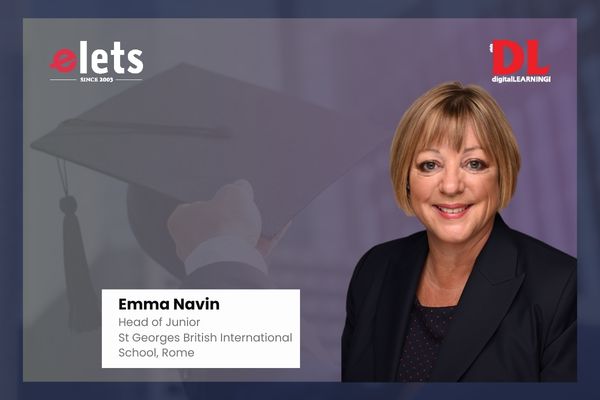
Views expressed by Emma Navin, Head of Junior, St Georges British International School, Rome