



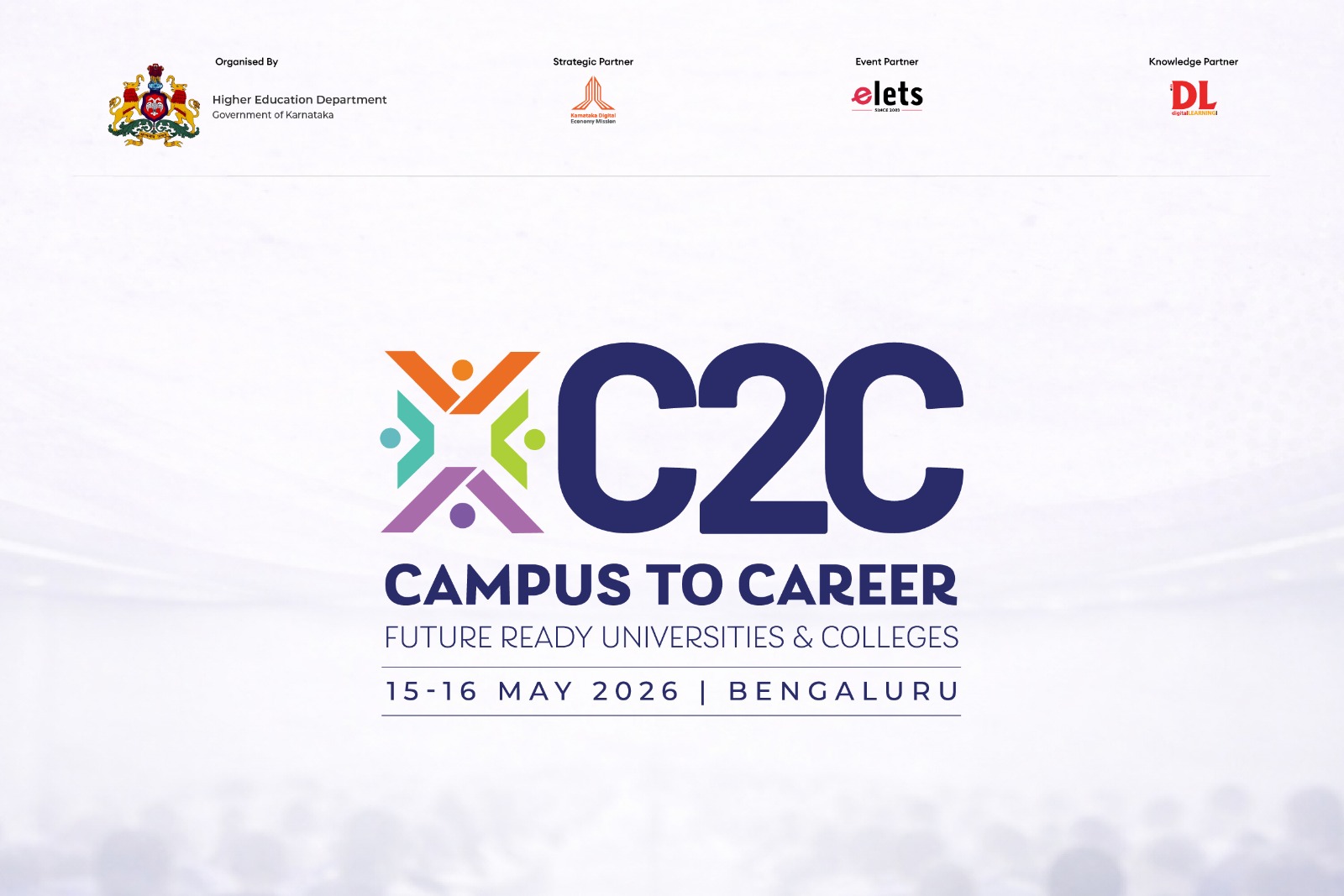

We live in a world where everything is changing faster than ever before. Technology is rewriting the rules of how we work, how we communicate, and how we learn. Because of this, innovation and digital transformation are no longer fancy ideas we talk about during seminars, they have become basic necessities for every individual, every organization, and especially every educational institution. If education does not evolve, learners will be left behind in a world that moves ahead every minute.
Innovation: Doing Things in New and Better Ways

Innovation is often misunderstood as something big and complicated. In reality, innovation simply means doing something better than before. It could be a new teaching method, a new tool in the classroom, or even a new way of thinking about a problem. Innovation is not only about technology, it is about mindset.
For example, when teachers shift from long lectures to real-life case studies, that is innovation. When students are allowed to explore ideas, experiment, and fail safely, that is innovation. When institutions encourage creativity and curiosity instead of memorizing answers, that is innovation too.
Innovation starts with a question: “How can we make learning more meaningful for students?”
Digital Transformation: More Than Just Technology
Digital transformation is another term that people often confuse. Many think it means using computers, installing software, or shifting content online. But true digital transformation is deeper. It is about changing the way institutions operate, how teachers teach, and how students learn.
Digital transformation means:
- Using data to understand what students need
- Making learning flexible and accessible
- Reducing unnecessary paperwork for teachers
- Creating systems that are easy, fast, and efficient
- Allowing students to learn from anywhere, anytime
It is not about replacing teachers with machines. It is about giving teachers powerful tools so they can focus on what matters most, helping students learn, grow, and think creatively.
How Technology Is Changing Learning
Technology is quietly becoming a partner in education. Artificial Intelligence (AI) can help identify where a student is struggling. Virtual labs let students perform experiments without expensive equipment. Online platforms allow discussions beyond the boundaries of a classroom. Digital assessments give instant results, helping students improve quickly.
But the most beautiful part is that technology makes learning personal. Not all students learn at the same pace or in the same way. Technology can adapt lessons to each student’s style, slow down when needed and speed up when the student is ready. This kind of personalization was impossible earlier.
Technology also makes learning more inclusive. A student in a small town can now access the same quality of education as someone in a big city. The internet has removed many barriers that once limited opportunities.
Learning for the Future: Skills Matter More Than Degrees
We are entering a world where skills are becoming more important than traditional degrees. Companies are increasingly hiring based on what a person can do, not just what certificate they hold. This means learners must keep updating their knowledge. Learning cannot stop after college; it must continue throughout life.
The future of learning will focus on:
- Critical thinking
- Creativity
- Communication
- Collaboration
- Digital and AI literacy
- Problem-solving and design thinking
These skills are needed in almost every profession. Whether someone wants to be an engineer, teacher, designer, entrepreneur, or manager, these abilities will shape their success.
Education Must Become More Flexible
The old model of education where students sit in classrooms for years, follow fixed schedules, and memorise content is slowly fading. The future belongs to flexible, blended, and personalized learning systems.
We will see more:
- Hybrid classes (mix of online and physical)
- Short courses and micro-credentials
- Hands-on learning through projects
- Industry-linked programs
- Lifelong learning pathways
Learners will have more control over what they learn, how they learn, and when they learn. Institutions must adjust to this shift by redesigning courses and creating more meaningful learning experiences.
Also Read: 2026 — The Year of Responsible, Redefined Education
Teachers Will Always Be at the Center
Despite all the technological advances, teachers remain the heart of education. Technology can assist, but it cannot inspire like a teacher can. It cannot listen, empathize, or guide with wisdom. The role of teachers will evolve—not as information providers but as mentors, coaches, facilitators, and leaders of learning communities.
A future-ready teacher is someone who:
- Embraces new tools
- Encourages creativity
- Supports students emotionally
- Connects learning with real-world problems
- Keeps learning and experimenting
Teachers who are open to change will become the true leaders of the new education era.
A Future Full of Possibilities
The future of learning is exciting. We are entering an age where education is more flexible, more personal, and more connected than ever before. Innovation and digital transformation are helping us build classrooms without walls, courses without boundaries, and opportunities without limits.
But this future will not happen on its own. It requires vision, leadership, and the willingness to rethink old systems. If we embrace this change with an open mind, we can create a learning environment that prepares every student not just for jobs, but for life.
The world ahead belongs to those who can learn, unlearn, and relearn. Innovation and digital transformation give us the tools. It is up to us to use them wisely and bravely.
Views expressed by Dr. Manju Gupta, Pro VC, EIMT Switzerland; Founder, Braincruise AI