





Home Blog Page 312

HSNC University’s School of Real Estate will offer certificate courses

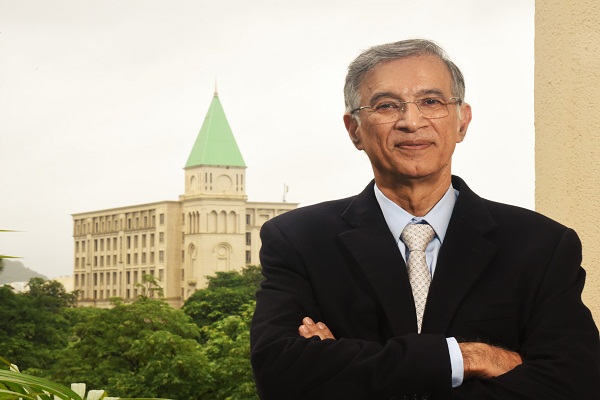
Dr. Niranjan Hiranandani

HSNC University has launched a School of Real Estate to run certificate courses for undergraduate students.

The certificate courses launched are a door for career in real estate industry under the mastery of Niranjan Hiranandani School of Real Estate (NHSRE).

To begin with, NHSRE offers a Certificate Course in RERA Compliance and a Certificate Course in Real Estate Entrepreneurship for not just undergraduate students but also postgraduate alumni, professionals and every individual who wishes to hone one’s knowledge and skills in the sector. The experts will use a blended approach of online and offline teaching for the period of 2 months through 30 sessions during the weekends.

Also read: HSNC University lauds the National Education Policy 2020

Exuberant while announcing the multi-disciplinary approach to learn the development and management of real estate sector, Dr. Niranjan Hiranandani, Provost – HSNC University stated, “Real Estate is the fastest growing business opportunity nationally, that offers scope of development for entrepreneurs, employees, and professionals while striving to preserve natural surroundings and setting benchmarks at the same time. By introducing the Niranjan Hiranandani School of Real Estate, HSNC University recognizes the immense potential of real estate and the lack of specialized educational curriculum and learning for students aspiring for a future in the multi-billion dollar fast-growing industry. And, this initiative is a step to fill that void and be the rising sun for the one who seeks a place of reckoning in this ever growing industry.”

Explaining the lessons a learner will take away, Dr. Hiranandani further adds, “Our industry relations will help the learner gain an in-depth practical knowledge of the segment they want to expand their footprint. From renowned stakeholders to leading industry bodies, the individuals will get an opportunity to develop and build their connections as they take the next step of the ladder.”

Over 45K choose to take JEE Main 2021 in Indian languages

Over 45K choose to take JEE Main 2021 in Indian languages

A total of 45,360 students will take the Joint Entrance Exam (JEE) in Indian languages. A total of 7,15,692 candidates registered for the BE / BTech, BArch and BPlanning entrance exams during the first session. The majority of applicants (670,332 students) chose to submit in English for the JEE Main 2021, followed by Hindi with 23,751 students. A total of 21,609 students will perform for regional languages, including Assamese, Bengali, Gujarati, Kannada, Malayalam, Marathi, Odia, Punjabi, Tamil, Telugu, and Urdu.

In 2020, the Joint Board of Admissions (JAB) decided to conduct the JEE Main in the regional languages. This is in line with the National Education Policy (NEP) 2020, which allows education in regional languages. This year, several changes to the exams were announced, including admission four times a year and enabling options for the exam.

The review takes place amid Covid-19 protocols. There are also several other anti-fraud mechanisms, including jammers and video surveillance. The NTA is also making arrangements for live viewing at each remote location and CCTV system recording of all exam centers from the control room at the NTA’s premises in New Delhi, according to the exam organizing institute. .

Those who drop out of the JEE Main can apply for admission to NIT, IIIT and other centrally funded technical institutions (CFTI). JEE Main is also an advanced JEE proficiency test that is taken for admission to undergraduate programs offered by the Indian Institute of Technology (IIT).

Teachers, staff of private schools hold massive protest in Bengaluru

Teachers, staff of private schools hold massive protest in Bengaluru

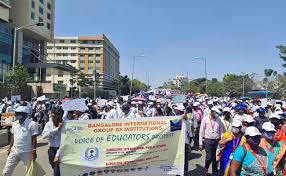
Thousands of teachers and staff from various private schools in Karnataka marched under the auspices of the Leaders, Teachers and Non-Teachers of Private Schools Coordinating Committee (KPMTCC) in Bengaluru in a massive protest Tuesday against the Karnataka state government.

The protesters demanded that the drastic 30% reduction in tuition fees ordered by the State Department of Elementary and Secondary Education be withdrawn.

While the state government order was issued with parents’ financial hardships in mind, school administrators say that with the steep reduction in tuition rates, they can no longer pay their employees.

Some private school administrations have already approached the Karnataka High Court on this matter. A delegation from the school administration also met with the Minister of Health and Medical Education, Dr. K Sudhakar, to reduce the fees to 15%. They also applied for government grants to help them stay afloat.

A government resolution on January 30 had prevented schools from collecting more than 70% of their tuition fees and prevented schools from collecting other fees, such as development fees and library fees.

PM Modi gives students mantra of ‘Self-3’

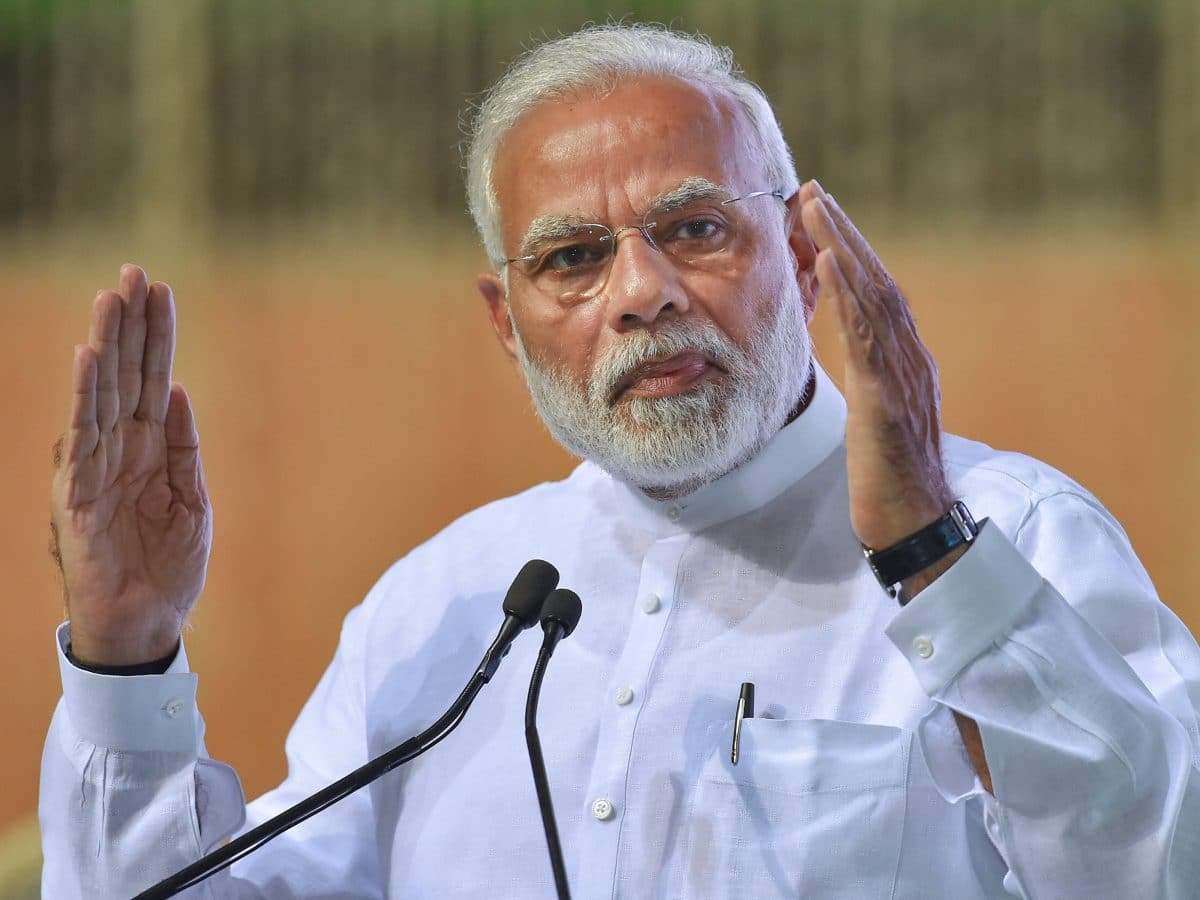
Narendra Modi

Prime Minister Narendra Modi warned IITs about the dangers of climate change and natural disasters, such as the recent outbreak in Uttarakhand, and called on IITs to develop a disaster-resistant infrastructure that can withstand its effects.

At the 66th meeting of IIT (Kharagpur), India’s oldest technology institute, he gave students the mantra “Self-3”, “Self-awareness, self-confidence and selflessness” to become startups that make a difference in people’s lives.

He also spoke of the need to provide people with safe, affordable and environmentally friendly energy through initiatives such as the International Solar Alliance.

“Climate change is a great challenge because natural disasters destroy infrastructure. India has sensitized the world on the issue of disaster management.

“You can see what has happened recently in Uttarakhand. We need to focus on developing a disaster resistant infrastructure that can withstand natural disasters,” he said.

The Prime Minister referred to the Global Coalition for Disaster Resilient Infrastructure (CDRI), which he announced at the United Nations Climate Change Summit in 2019.

CDRI envisions a partnership between national governments, UN agencies and programs, multilateral development banks, financial mechanisms, the private sector, and knowledge institutions to promote the resilience of new and existing infrastructure systems to risks climate and disasters and ensure sustainable development.

He praised the role of IITs in developing technologies to combat COVID-19 and said that holy institutes should now work quickly to find futuristic solutions to other health problems.

“You represent the aspirations of 130 million people in India,” he said, addressing the rally virtually.

Noting that India’s needs and aspirations in the 21st century have changed, Modi said that IITs must also evolve from purely Indian technological institutes to indigenous technological institutes.

Pokhriyal discusses implementation of NEP in 54th meeting of IIT Council

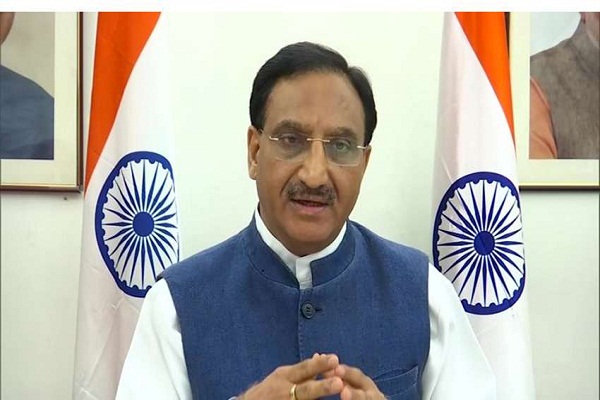
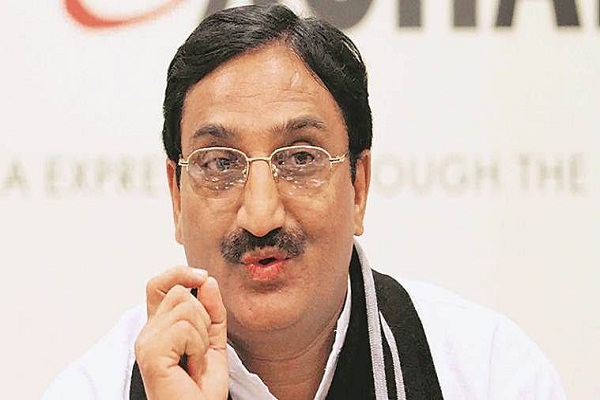
ramesh-pokhriyal ji

Union Education Minister Ramesh Pokhriyal Nishank chaired the 54th session of the Council of Institutes of Technology (IIT) to discuss the implementation of the New Education Policy (NEP) 2020.

During the virtual meeting, Pokhriyal asked the IITs to develop an institute development plan envisaged at NEP 2020 to enhance mobility of faculties between institutions and industries. The mobility of professors and industry experts between technical institutes and industry will foster collaboration between industry and science, he said.

Previously, under the chairmanship of Dr. K Radhakrishnan, Chairman of the Standing Committee of the IIT Council, a committee was formed to propose the hiring of faculties for IIT (interaction with industry and faculty mobility).

Based on the recommendation of the Chairman of the Standing Committee to the IIT Council, four working groups were formed on issues related to NEP-2020: – Group 1: Graduated autonomy, empowered and responsible BoG and Director, Group -2: Prepare distinguished scientists at the head of IITs, Group 3: Reform and restructuring of the University Senate and Group 4: Innovative financing mechanisms

The reports of these groups, as well as a new group that will deal with the development of the faculty, will be presented at a meeting chaired by the Union Minister of Education, the press release said.

At today’s meeting, the Board also presented a proposal to host an IIT Research and Development (R&D) online fair for your consideration, to showcase the quality research conducted by IITs and the IIT’s work from the IIT industry to present.

Also Read:- Pokhriyal: Need to train students, teachers for NEP to succeed

Pokhriyal highlighted various government initiatives and mentioned the approval of funds to improve the overall infrastructure of the 4 IITs in Madras, Delhi, Kharagpur and Mumbai.

The Minister spoke of making IIT multidisciplinary institutions for comprehensive growth in all educational disciplines without losing sight of scientific research and technological development. He urged IITs to take full advantage of the program recently announced by the National Research Foundation.

Education Dept gets over Rs 2.18 lakh Cr in Bihar budget

Education Dept gets over Rs 2.18 lakh Cr in Bihar budget

The Bihar government presented a budget of more than Rs 2,180 million to the assembly on Monday for the 2021-22 fiscal year, with the highest allocation of Rs 38,035,930 million for the government’s education sector, compared to a eight percent increase from the previous budget.

It was the first budget presented after the state elections last year.

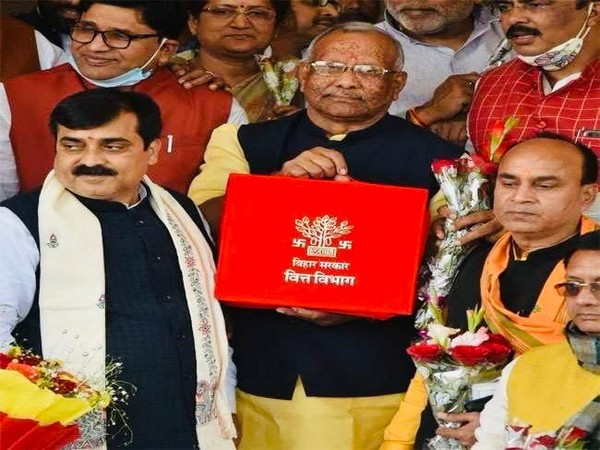
Deputy Chief Minister Tarkishore Prasad, who has the financial portfolio, presented the budget for the excess household income.

“We have submitted a budget of Rs 2.18302.70 billion for 2021-22, which is Rs 6,541.21 billion more than the total estimate for the current fiscal year. Excess revenue is estimated at Rs 9,195.90 billion “he said during the budget presentation.

In the budget, the state government allocated the highest allocation of Rs 38,035.93 billion for the education sector, followed by Rs 16,835.67 billion for rural development, Rs 15,227.74 billion for roads and Rs 13,264.87 billion for health and Rs 8,560 million for the energy sector.

An allocation of 4,671 rupees was made for the second phase of the Saat Nischay program (seven resolutions), which was implemented immediately after the takeover of the NDA led by Nitish Kumar last November.

The Rs 2.7 billion Saat Nishchay (Seven Resolves) program was first announced by Nitish Kumar before the 2015 Assembly elections and he committed to implementing the second phase of the program when he was in the last assembly and was elected to power at the polls. Electricity, sewerage, toilets, drinking water pipes, sanitary facilities and metal roads, as well as water to the agricultural field were some of the components of the program.

Bihar to reopen schools for primary students from March 1

Bihar primary students

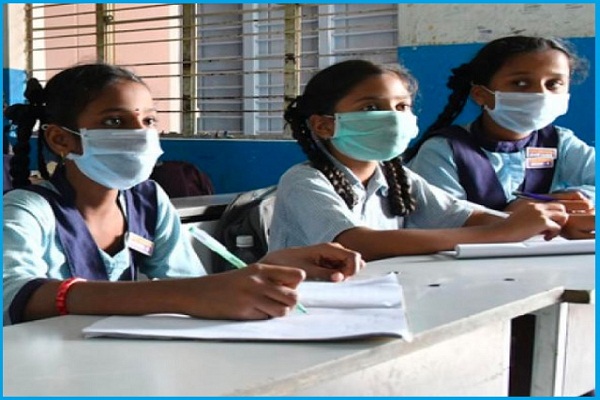
The Bihar Department of Education has confirmed that schools for primary school students- from grade1 to grade 5, regular lessons will start on March 1, 2021. Currently, Bihar schools serve 6th to 12th grade students with 50% students and strict adherence to COVID prevention measures -19.

The decision to reopen schools for elementary students as of March 1 was made by the Department of Education in consultation with the Crisis Management Group. The recent consultation meeting between officials from the Crisis Management Group and the Department of Education concluded that schools can organize regular classes in the best academic interest of students.

Also read: BSEB Class 10 Exam 2021 paper leak: Bihar Board cancels Social Science exam

Review meeting after 15 days of reopening, with the nationwide pandemic still in a severe stage, the state Department of Education plans to take all important and preventative measures as part of the reopening process. Chief Secretary Deepak Kumar, chairman of the meeting that made the decision to reopen elementary schools, issued a statement saying: “We have decided to reopen the school to students as of March 1. We will have a review meeting after 15 business days to decide whether or not classes will continue. Mandatory Masks for Elementary School Students to provide a safe learning environment for students, the Department of Education plans to implement COVID-19 guidelines and precautions. As part of these measures, all students entering school facilities receive two masks the day it reopens.

The education official confirmed the news: “Like older students, elementary students will receive two masks on the first day of their reopening. Elementary schools must follow the same Covid-19 safety directive issued for grades 6-12. “

Naveen Jindal commits Rs 1,000 Cr to expand O.P. Jindal Global University

Jindal Global University

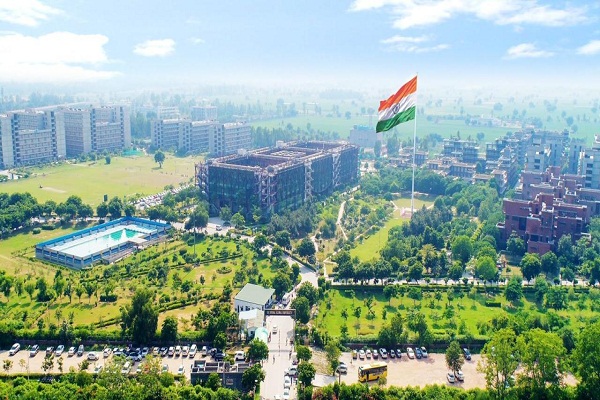
The leading Indian industrialist and philanthropist and founding chancellor of the O.P. Jindal Global University (JGU), Naveen Jindal, has announced a detailed investment plan of Rs 1000 crore for the sustainable futuristic expansion of the university in line with JGU Vision 2030 for the next decade.

JGU, based in Sonipat, Haryana, was recognized as an Institution of Eminence (IoE) by the Indian Ministry of Education in 2019.

The investment plan focuses on academic development, infrastructure development, the creation of new world-class student facilities, hostels, schools, teachers’ offices and teaching facilities. Chancellor Naveen Jindal will make significant contributions to JGU Vision 2030 with the financial, academic and physical results set out in his implementation plan to become an “institution of eminence” with worldwide recognition and reputation.

Also read: Jindal Global University to train teachers from Afghanistan

JGU founding chancellor Naveen Jindal said: “O.P. Jindal Global University (JGU) was founded in memory of my father O.P. Jindal was founded as a learning and science center to produce outstanding leaders in various fields of life. I am pleased to see that JGU is realizing its founding vision through intellectual excellence and the sustained hard work of all students, faculties, and staff. At JGU Vision 2030, we established plans for the subsequent construction and development of the JGU campus. We will have offices for 1,600 teachers, facilities for more than 12,000 students, a world-class sports complex with shooting ranges with a total investment of Rs 1,000 cr. “

This year marks the twelfth year of the Chancellor of Naveen Jindal and Vice Chancellor of C. Raj Kumar. JGU’s top tier introduced the JGU Vision 2030, which aims to strive to rise among the elite group of the world’s leading universities and contribute to nation-building by producing the best and brightest minds in the country.

JEE Main 2021 Exam begins tomorrow, NTA issues guidelines for students

JEE Main 2021 Exam begins tomorrow

The JEE Main 2021 Engineering Entrance exam for February Session is all set to get underway from tomorrow onwards – 23rd February 2021. The February session of JEE Main 2021 exam will be held over a period of 4 days starting tomorrow – 23, 24, 25, and 26 February 2021.

The NTA has issued detailed exam guidelines, COVID-19 precautions and dress code details. According to tentative estimates, around 6.6 lakh students have registered themselves to appear for the JEE Main 2021 February Exam this year.

According to the schedule released by the NTA, the JEE Main 2021 exam which will be starting from tomorrow, will be held in two shifts i.e. morning and afternoon shift. The morning shift would commence from 9 AM to 12 PM while the evening shift would operate from 3 PM to 6 PM.

Also read: JEE Main 2021 Exam: NTA issues Fresh COVID-19 guidelines for exam day

The key among them are as follows:

-The seating area of the exam halls to be thoroughly sanitized before start of the new shift

-All equipment and components including monitor, keyboard, mouse, webcam, desk, and chair and all door handles, staircase railing, lift buttons, etc, to be disinfected thoroughly

-Social distancing guidelines to be implemented thoroughly with students required to maintain minimum of 6-feet distance between them at all times

-Queue manager/ropes and Floor Marks will be arranged outside the center, follow the instructions provided by center staff.

-3-Ply Face Masks will be provided to the students at the exam hall which will have to used by the students compulsorily during the examination.

-Lab numbers will not be displayed outside the center to avoid any crowding at any one place in any situation.

-Hand Sanitizer will be available at entry and inside the exam venue at various places for candidates and center staff to use.

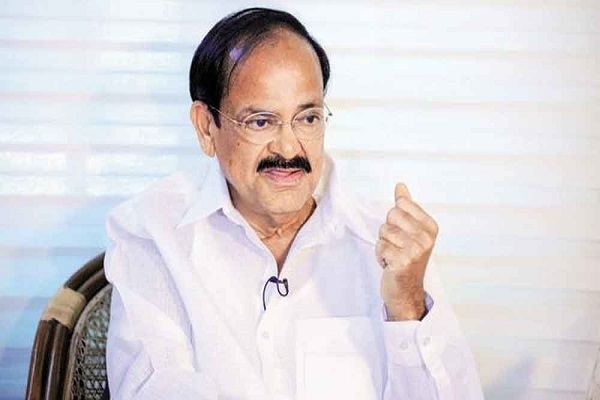
Venkaiah Naidu: Primary Education in mother tongue can boost children’s self- esteem

Venkaiah Naidu

Primary education in the mother tongue can boost children’s self-esteem and creativity and is expected to become the primary language of instruction until at least fifth grade, said Vice President Venkaiah Naidu.

Raising a child in a language that is not spoken at home can be a major barrier to learning, especially at the primary level, he said during the opening session of a webinar organized by the Ministry of Education and the Ministry of Culture. .

Referring to various studies, Naidu said that teaching his mother tongue in the early stages of education can boost a child’s self-esteem and stimulate creativity, according to an official press release. He called the new education policy a visionary and forward-thinking document and encouraged its implementation in letter and spirit. The vice president focused on five key areas to promote the use of the mother tongue.

In addition to the emphasis on the use of the mother tongue in primary education, other areas are the use of national languages in administration, judicial processes and the issuance of judgments in these areas. He also wants a gradual increase in the use of indigenous languages in higher education and technical education, and emphasizes that everyone should proudly and preferentially use their mother tongue at home.

Also read: ConveGenius acquires Gray Matters India to boost adaptive learning platform

Naidu underscored the importance of the mother tongue for governance and recommended increasing it, especially at the state and local level.

He advocated for an inclusive governance model, saying: “Only when we communicate with the common person in a language they understand, can we involve them in the governance and development process.

Naidu suggested that language inclusion should also take place at higher levels, citing the case of Rajya Sabha, who predicted that its members would be able to speak one of the 22 intended languages.

Naidu posted the tweets in Telugu, Tamil, Hindi, Gujarati, Kashmiri, Konkani, Marathi, Odia, Urdu, Malayalam, Kannada, Odia, Punjabi, Nepal, Assamese, Bengali, Manipuri, Bodo, Santhali, Maithli, Dogri, and Sanskrit.

LATEST NEWS