Home Blog Page 519

Madhya Pradesh to implement ‘STEAM’ model in government schools

Madhya Pradesh is all set to become the first state in the country to implement the STEAM curriculum in the government schools. Under the STEAM model, which is based on South Korean concept of learning, students will be given the training in Arts, apart from Science, Mathematics and Technology.

The decision has been taken in wake of improving the quali8ty of education imparted in the state government schools.

Notably, STEAM (science, technology, engineering, arts and mathematics) is a step forward from the conventional STEM model – the curriculum which focuses on teaching four streams (science, technology, engineering and mathematics).

The STEAM model, if implemented in true essence, will benefit lakhs of students studying in 1.21 lakh government schools of the state.

Notably, a two-day conference has been organised in Bhopal on October 30, 31, 2019, to make the teachers and head of students learn about the model. For this, educationists working on STEAM model of education in USA, South Korea and other countries will convene for the conference.

Besides the government school authorities, private schools too have been invited to attend the conference. More than 300 people, mostly teachers of the state, would attend the conference, including the teachers and principals who were sent to study the South Korean model of education.

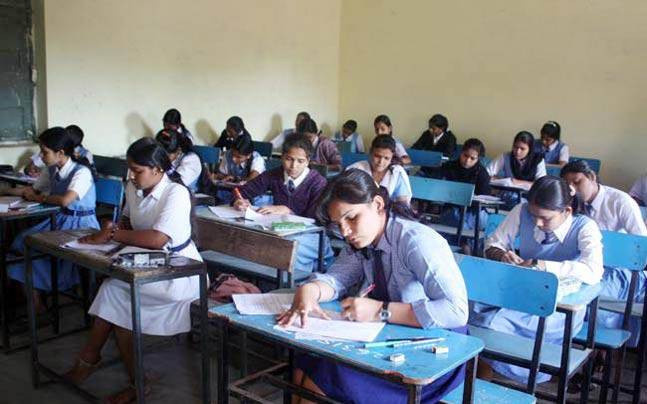
West Bengal to re-introduce ‘pass-fail’ system in classes 5, 8

West Bengal government, in a recent development, has decided to reintroduce the pass-fail” system in classes five and eight from the next academic session. The information has been given by the state Education Minister Partha Chatterjee.

The government will be issuing a notification in this regard soon.

Speaking to the PTI, Chatterjee said, “This is in conformity with recommendations of the Ministry of Human Resources Development to bring back the pass-fail system in classes 5 and 8. Students would have to pass examinations to be promoted to classes 6 and 9 from the next academic session”.

Notably, the West Bengal government had adopted the no-detention policy till class 8 in 2010 amid protests from a section of teachers who felt that it would produce poor quality students.

West Bengal was among most of the states that had earlier mooted revoking the no-detention policy by the Centre; however, the MHRD left it to the respective state governments to decide.

The Role of Outsourcing in Operations Management

Outsourcing in Operations Management

Every organization has an operating mechanism that is designed to ensure they gain optimal output from their input sources. This process of optimizing business practices to create the highest level of efficiency is called operations management. It involves utilizing resources, materials, equipment, and technology to operate at its optimum capacity. Primarily, operations management is concerned with transforming materials and labour into goods and services as efficiently as possible to maximize the profits of an organization. The operations management team is also responsible for balancing costs to achieve the highest net profit possible. Net profit refers to the amount left after deducting operating expenses, interests, taxes and stock dividends.

Moreover, the operations management team handles strategic issues like determining the size of a manufacturing plant, project management methods, inventory levels, quality control, maintenance policies, among others. One such critical strategic issue that the operations management team overlooks is outsourcing.

What is Outsourcing?

Outsourcing is a practice of hiring a third-party organization to carry out services that were initially performed in-house. The shift towards a customer-focused business model resulted in outsourcing becoming an integral part of business economics during the 1990s. In only a few decades, organizations realized that to stay relevant in the industry, they must keep increasing the total value their customers generate from their services or products. Therefore, even more, businesses turned towards the concept of outsourcing. In the year 2018, the global outsourcing market amounted to 85.6 billion USD.

Such staggering growth came about due to the long list of advantages outsourcing provides to organizations. Here are a few fundamental benefits:

  1. Reduced or Lowered Costs:

This is one of the primary advantages of outsourcing processes because external organizations usually employ specialized technologies that allow them to complete a task faster and at a lower price. Furthermore, outsourcing costs only arise when a particular process is ongoing; when these processes are not required, no bills are generated.

  1. Outsourcing Partner Competency:

Another essential advantage of outscouring is the competency of the outsourcing partner. Outsourcing partners are experts in their domain; therefore, they can quickly and efficiently get started on an organizations process. For instance, an IT company trying to build its digital presence will find more success at a lower cost with a digital agency than if it develops and trains an internal team.

  1. Higher Quality:

The outsourcing partners expertise leads to increase quality and better results. These specialists deal with specific tasks with a matter of routine and precision. For instance, many automobile manufacturing companies outsource their tyre production because other companies can build higher quality tyres than the automotive manufacturer can in-house. Moreover, organizations can depend on an outsourcing partner’s quality since that is their primary source of income and can lead to possible follow up orders.

  1. Better Return On Investment:

Outsourcing specific processes reduce the cost required to invest in manufacturing plans, equipment needed to produce a particular product, and the labour needed to run the production efficiently. As long as an organization retains the bulk of the profit of the outsourced product or service, the return on investment is impressive.

Apart from the benefits mentioned above, there are a host of other reasons organizations turn towards outsourcing partners. Here is a meticulous breakdown of the grounds on which companies choose to outsource, according to the Deloitte Global Outsourcing Survey 2016:

  1. Enables focus on core business — 57%
  2. Solves capacity issues — 47%
  3. Critical to business needs — 28%
  4. Access to intellectual capital — 28%
  5. Manages business environment— 17%

In fact, outsourcing can be so beneficial for organizations that 78% of businesses across the world state that they feel positive about their relationship with their outsourcing company, according to the report.

However, outsourcing the wrong process to the wrong outsourcing partner could be counterproductive, expensive, and even disastrous. A report by McKinsey and Company highlights the two biggest pitfalls that organizations must avoid when outsourcing their services in this fast-paced economy.

  1. Keep data in-house

Due to technological advancements, companies today have access to a large number of data that they use to make decisions. Therefore, organizations must have control over this data and the insights derived from them. While selectively sharing data can be beneficial, there are more benefits of keeping ownership of data in-house. Firstly, useful data can be used to train advanced analytics and artificial intelligence models. Secondly, sharing all acquired data with suppliers increases an organizations dependence on the suppliers. Finally, the insights derived from one organization’s data can be used to create models that are sold to competitors.

  1. Keep contracts amenable

Companies must allow for flexibility in their contracts. Technology is evolving at a breakneck pace today and organizations will need to make changes to their contracts constantly. For instance, new technology may emerge during the life of a contract that may lead to higher cost savings, but with an inflexible agreement in place, a company may lose out on a lot of profit.

According to Claudio Da Rold, an outsourcing analyst at Gartner, “Organizations that fail to master this initial phase in the sourcing life cycle are subsequently less likely to select appropriate providers, negotiate a sound contract and effectively manage the deal.”

To ensure organizations have a comprehensive understanding of which process needs to be outsourced, and to whom, it requires skilled operations management professionals. These individuals can efficiently plan and execute strategies and methods for outsourcing since it falls under their umbrella of responsibilities. Professionals with an MBA in Operations Management gain in-depth knowledge of the various techniques, strategies, and pitfalls to avoid when outsourcing any process. Moreover, with the increasing global outsourcing market amount, these professionals can find lucrative job opportunities in industries that heavily outsource their operational processes.
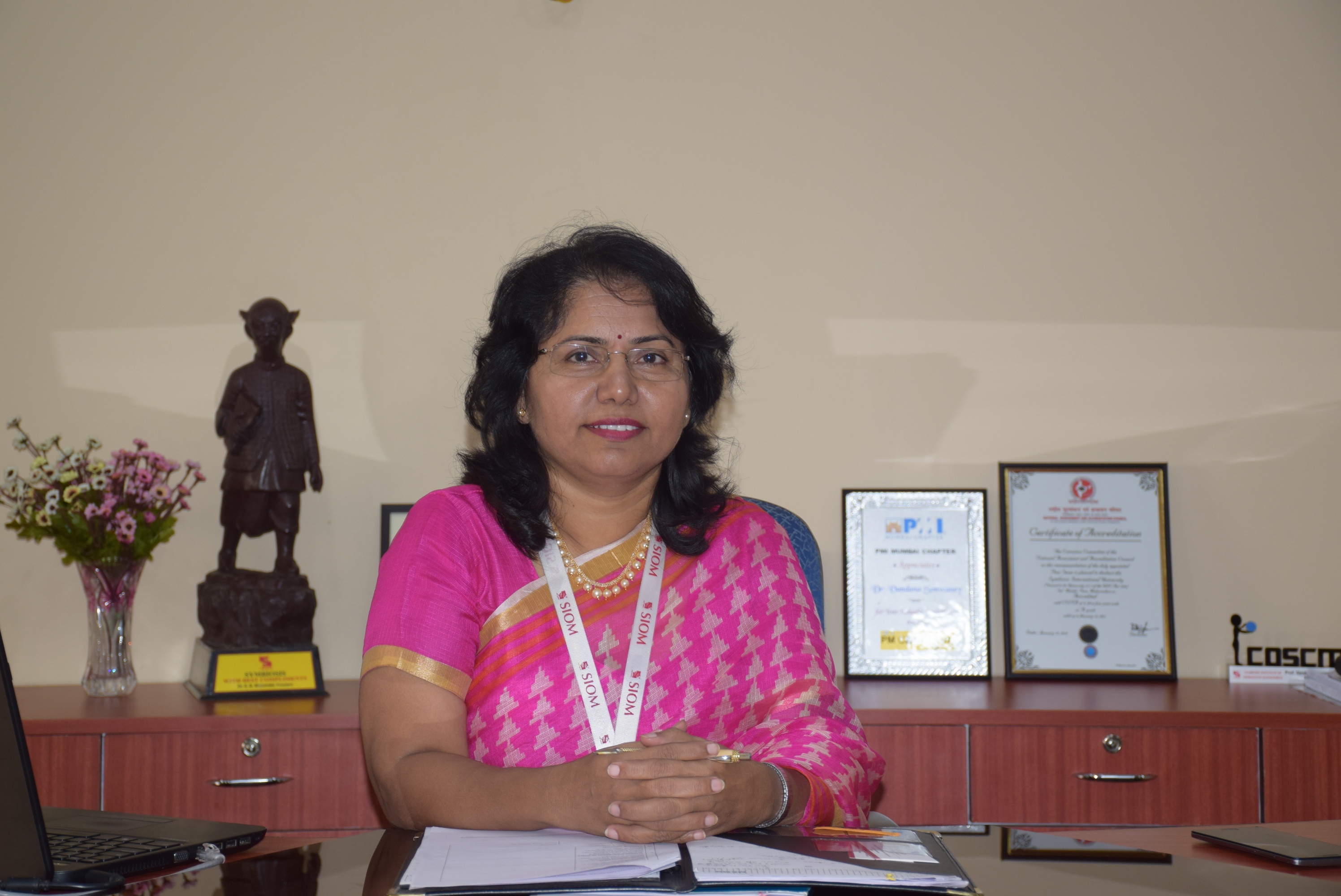
This article has been authored by Dr. Vandana Sonwaney, Director, Symbiosis Institute of Operations Management (SIOM) for digitalLEARNING


Kashmiri Pandits can avail concessions for admission in higher education institutions: HRD Ministry

Kashmiri Pandits can avail concessions for admission in higher education institutions: HRD Ministry

In a recent development, the HRD Ministry will extend the admission concessions in higher educational institutes to the Kashmiri Pandits residing in the Kashmir Valley.

The decision came into effect after several representatives has sent proposals regarding the concessions for admissions to the non-migrants of Kashmir.

A senior official at the HRD Ministry said, “The matter has been considered and following discussion with the Home Ministry and the Jammu and Kashmir government it has been decided that the concessions available to wards of Kashmiri migrants will also be available to non-migrant Kashmiri Pandits or Kashmiri Hindu families, for admission into higher educational institutions in other parts of the country from 2020-21 academic session.”

The concessions allowed to the students incorporates include relaxation in cut-off percentage up to 10 per cent, with minimum eligibility criteria, increase in intake capacity up to five per cent in each course and reservation of at least one seat in merit quota in technical and professional institutions.

Regarding the concession grants, the Kashmiri migrants are not required to submit domicile certificates whereas the Kashmiri Pandits will need domicile certificates to avail the admission concessions.

IIT Bombay tops the list in QS India University Rankings 2020, IISc ranked second

IIT Bombay tops the list in QS India University Rankings 2020

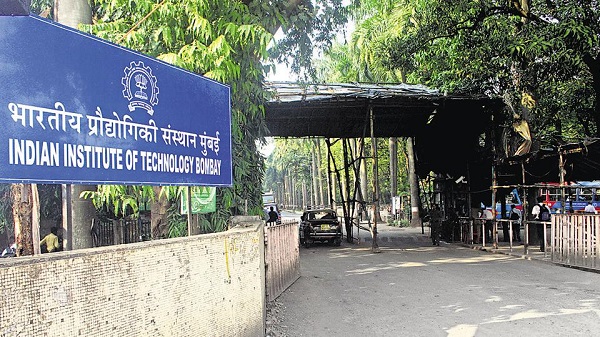
According to the India University Rankings 2019 by Quacquarelli Symonds (QS), IIT Bombay has grabbed the first position amongst the Top 10 Rankings, scoring way higher than any other institutions. Indian Institute of Science, Bangalore secured the second position.

As many as 11 institutions have achieved a perfect score of 100 for the staff with PhD indicator, thus demonstrating the strong research focus at these top institutions.

Other Institutions that secured a mark in the list are IIT Madras, IIT Delhi and IIT Kharagpur, University of Delhi (DU) and University of Hyderabad (UoH).

With an overall score of 49.4, IIT Bombay has grabbed the first position, justifying both the academic and employer reputation parameters. On the hand, IISc Banglore securing the second position has achieved the highest score for two indicators – papers per faculty and staff with PhD – and in ‘Citations per Faculty’, it has scored 100.

QS has changed its technique for positioning of Indian Institutions as it has utilized eight indicators, against the five utilized for the world university rankings. A few indicators are basic to both, while some others have been incorporated to mirror the needs and challenges explicit to universities in the region.

The rankings were based on eight parameters: academic reputation (30%); employer reputation (20%); faculty/student ratio (20%); staff with a PhD (10%); papers per faculty (10%); citations per paper (5%); international faculty (2.5%) and international students (2.5%).

CAT 2019: Admit Card to be released today at 5 PM

CAT 2019 admit card

The Indian Institute of Management is all set to release the Common Admission Test 2019 (CAT 2019) admit card on Wednesday, i.e., October 23, 2019. The CAT 2019 admit card will be available for download from 5 PM onward.

Candidates, who will be appearing for the CAT examination, can visit the official portal https://iimcat.ac.in/ to download their admit card through candidate login by entering User ID and Password.

Common Admission Test 2019 (CAT 2019), which is a computer based examination, will be conducted by the Indian Institutes of Management on November 24, 2019 in two sessions. The result is scheduled to be declared in the second week of January, 2020.

The CAT Exam 2019 exam will be of 180 minutes. The exam will consist of three sections:

  • Verbal Ability and Reading Comprehension
  • Data Interpretation and Logical Reasoning
  • Data Interpretation and Logical Reasoning

CAT 2019 will be conducted in test centres spread across 156 test cities.

For the uninitiated, clearing CAT 2019 is prerequisite for the candidates eying to take admission in Post Graduate and Fellow programmes of IIMs. Interestingly, the CAT 2019 results are permitted to be used by listed non-IIM member institutions. The list of all such institutions is given on the CAT website.

The importance of learning music in our education system: Benefits & future ahead

Music Education

It is indeed true. According to the scriptures that have documented Indian education system, in addition to religious subjects many worldly subjects were included in the curriculum. Subjects such as dance, music, astronomy etc were a part of the curriculum. During those times, education was not regarded as an end in itself; in fact it was essentially a part of life. This is why along subjects such as arts; dance & music were given as much importance as vedas, history, puranas, grammar and mathematics.

Benefits of Early music education

The above should ideally be enough to convince everybody that music education is not just about learning a musical instrumentbut also learning a music instrument helps towards overall development of a child in developing the motor skills, cognitive ability, enhanced brain functions and better emotional development.

These benefits are everlasting and they don’t end here. Music education from an adolescent stage has proved to be a reliable predicator of success in college and professional life as well. According to reports, the ratio of students enrolling in medical schools with a major in music is approximately 22% higher than any other major. Additionally the very best engineers and technical designers in Silicon Valley are practicing musicians.

Students who spend more time learning music indulge less in other nefarious activities such as joining a gang or substance abuse. The cognitive and behavioral advantages of music are far reaching and wide spread and do not precede any child’s ethnicity or socio-economic background.

Also let’s not forget Albert Einstein – the greatest physicist of the century was an accomplished musician. Einstein used music as a gateway & means to reflect upon and create some of his major inventions.

The way ahead

The great violin teacher Shinichi Suzuki once said “The purpose of [music] education is to train children, not to be professional musicians but to be fine musicians and to show high ability in any other field they enter.”

As visionary educators it becomes our responsibility to nurture & cultivate the knowledge and skills in our students in order for them to be balanced, creative and progressive members of society. Of course the most fundamental subjects such as math, science and history are important. But at the same time subjects like music and other forms of arts are also equally important. For its many substantial benefits that music education has, it needs to be maintained & promoted as a vital component of elementary & secondary education.

For starters educating yourself with the benefits of early childhood music education would give way to a new way of thinking.

As parents, you can look for available options to introduce music education in the lives of your children & if possible you can enroll them in a school that has a robust music program for students. And if your child’s current school doesn’t have such a program then you can insist on including it as a part of the curriculum. The benefits of music education go way beyond just academic excellence. Its applications in today’s fast paced world is truly liberating, so you too can make most of music learning by joining your child in this learning experience and building memories to last as they grow along.

I personally believe that music education shouldn’t be optional anymore and that every individual at least needs to keep an open mind to the argument presented by the “Affirmative” side of this discussion.


This article is authored by Dharini Upadhyaya CO- Founder and CO- CEO of Furtados School of Music

Manipur schools likely to introduce comic textbooks in primary classes: Thokchom Radheshyam

Thokchom Radhesham

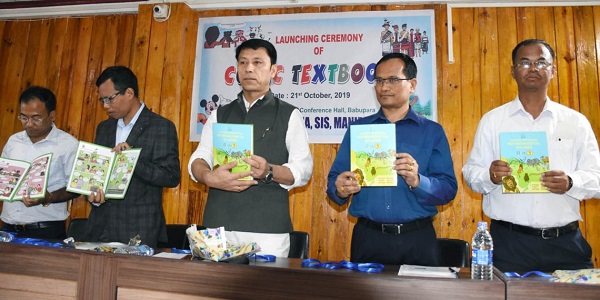
In order to push the young minds, schools in Manipur are likely to introduce textbooks in comic form from the next academic session. Education minister Thokchom Radheshyam in Imphal on Monday said that this was the first time occurrence in India.

Commenting on the happening, Minister Radheshyam said, “The department was thinking of using a new idea to encourage and ignite the young minds so that their learning capacities are utilised to the maximum. Therefore we’re planning to introduce comic textbooks on three subjects first (for Class I to V). The subjects are environment studies, language and mathematics.”

Along with Minister Radheshyam, Commissioner Ranjit Radheshyam was also present at the launch.

Director Th Kirankumar of the Schools education said that the comic textbooks which are supplementary books for the students were compiled and designed by a big team of subject experts in the state.

“But we’ll be consulting the competent authority (including National Council of Educational Research Training Delhi) in case of Mathematics as it has certain technical issues,” Kirankumar said.

Adding further he said that the comic textbooks will be circulated to the selected schools in the state with the goal to reach the group students in different places.

According to NITI Aayog’s school education quality index, Manipur had topped the list of the best performing smaller states.

We are focused on expanding our channel base in Tier 2 & Tier 3 cities: Kiran Dham, CEO & MD, Globus Infocom Ltd

Kiran Dham

In conversation with Elets News Network (ENN), Kiran Dham, CEO & MD, Globus Infocom Ltd shared the initiatives taken for quality teaching are changing the way education was delivered making it more impactful & engaging.

A make in India brand with a presence of around 2 decades, how the education industry has transformed over the years? What is the current trend in the ed-tech space?

 Today the traditional education realm has digitized completely and has transformed the way education had been delivering, processing & perceiving. The key factors behind the rising digital market in India are: increasing demand from various segments, expanding smart phone users, easy access of internet, and increasing participation at the Government level. All these elements are fuelling the technology infusion in education segment which eventually is creating a model learning ecosystem making education more receptive. Advanced technologies like Artificial intelligence, Cloud-based platforms, Augmented Reality & Virtual Reality are also creating a niche place in the field of education. It is giving a different perspective & dimension to the pedagogical methods.

E-learning contents are designed to present a holistic picture with video supplements, which makes learning lot more interesting as learners now utilise both visual and audio senses. Innovative ICT solutions like Virtual Classrooms, Video Conferencing etc have been instrumental in removing multiple barriers in providing access to education in the country. Such solutions have gained momentum in driving quality education to the nooks and corner of the country.

What are the initiatives taken to improve the quality of teaching and learning in institutions for a holistic educational experience?

 To keep up with this globalised world, schools and colleges are introducing various technological innovations in classrooms to give students all round development and growth. The implementation of interactive classroom solutions, encouragement to collaborate & enquire, easy access of information via technological & Digital resources are changing the way education was delivered making it more impactful & engaging. Today innovations like implementation of advanced pedagogical methods like Digital labs, virtual learning solutions having rich resources which are not only focussed on the academic development but they also help in giving a comprehensive growth of the learner.

Globus Infocom was a part of the technology integrated education initiative taken by Directorate of Higher Education, Goa. What were the solutions provided for the students and how successful was this objective?

 Globus Infocom provided 62 smart classrooms & 4 Virtual Classroom solutions that are installed in 4 government colleges of Goa at Sanquelim, Khandola, Quepem&Bordaunder Directorate of higher education, Goa. The 62 smart classrooms & 4 Virtual classrooms are not only providing top class learning solutions, but also connect the four institutes virtually, for resource sharing. This solution allows students to communicate, discuss, watch videos, presentations, share files, and assess in real time via live streaming through an online platform Learning Management System (LMS) Software which functions as a comprehensive online learning platform to host virtual sessions. This initiative is greatly improving the quality of teaching & learning in colleges &has put forth a modern pedagogy for the holistic educational experience.

Tell us about the collaborations with several state governments for providing high end edtech solutions to schools.

Globus Infocom has the honour of providing & installing various high end technological solutions to prestigious Government establishments across India. To name a few, we have recently installed advanced state of the art Digital Language Lab solutions in 36 Schools under Department of education, Government of Haryana, Kashi Vidyapeeth University, Varanasi for Digital labs, e-library, computer science lab & hi-tech seminar & auditorium halls, Comprehensive Virtual Classroom solution in Department of Police, Government of Uttar Pradesh for their intensive training requirements at 49 locations across Uttar Pradesh and many more.

What are the opportunities that you are planning to tap in the Tier II & Tier III cities? Also, highlight your future expansion plans in the ed-tech space?

Our future scope of work is focussed on expanding our channel base & penetrating more Tier 2 & Tier 3 cities with an aim of making technology accessible in interior regions of India. We believe that the future lies in access of technology, collaboration & safer & secure environment, thus we look forward to implement technologies like Cloud based solutions, AI, Virtual Reality & Augmented Reality to provide future oriented technological offerings in the field of Education. In the line of existing English language lab solutions& K-12 content, we have plans to add more subjects like Hindi, Maths& Sanskrit offering integrated subject learning. Adding in the wide range of solutions, we will be adding 3D science lab with complete integration of hardware & software making science topics more interesting & engaging.  Globus Infocom believes in constant development & upgradation of technologies & in coming years will be adding the best of global technologies in the Indian learning ecosystem.

UGC might cancel aid for colleges charging capitation fees

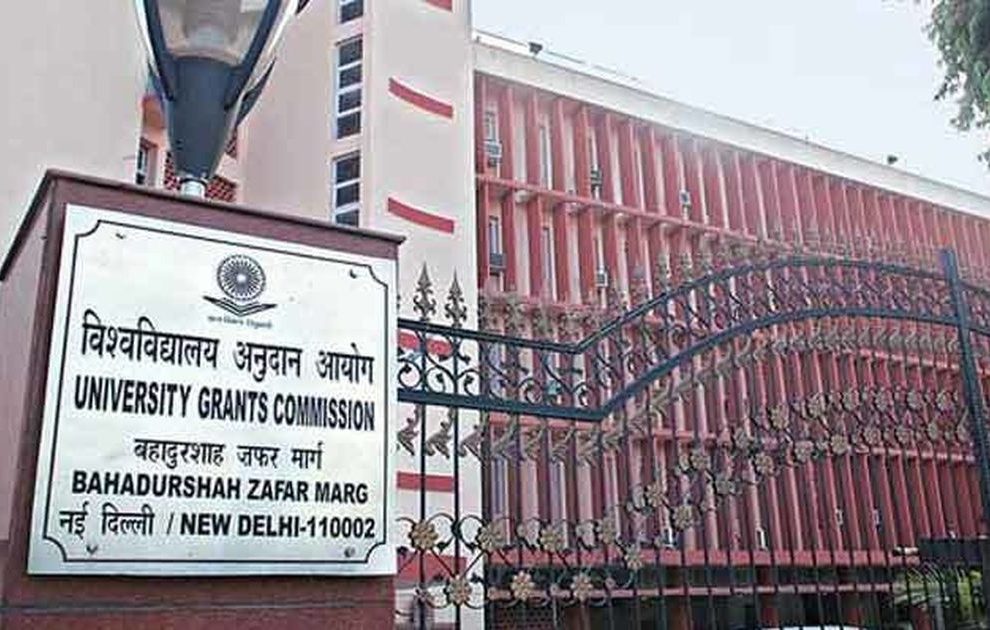
As per the new rules framed by the University Grants Commission (UGC), the colleges found charging capitation fees or indulging in any other form of profiteering might lose their eligibility for the government aid, says a media report quoting a senior official.

Notably, the higher education regulator (IGC), in a recent meeting, had taken the decision to review the modalities under which the body provides grants to colleges. Some of the suggested provisions could result in tightening of norms on capitation fee, the official asserted.

It is to be noted that the Supreme Court in May 2016 had banned the practice of charging capitation fee by educational institutions, however, many colleges and universities are said to be flouting the norms.

As per the draft rules circulated by UGC, only those colleges which abide the UGC regulations and also have financial resources to operate at least for a year will now be eligible to receive grants from the regulator.

As per the provisions of the UGC (Affiliation of colleges by Universities) Regulations, the college should be permanently affiliated to a university. Besides, the university shall certify that the college fulfils all the conditions required for granting permanent affiliation in accordance with UGC norms.

Another significant requirement is that the college can charge students only the fee prescribed by the appropriate authority at the central or state level, and cannot ask for any capitation fees or indulge in any profiteering, the official added.

Under the revised norms, it shall be the duty of the affiliating university to verify the details of a college given in the online application form, and upload its observations and recommendations on the portal within 90 days from the date of submitting the form.

If the university or college fails to rectify the deficiency or violation even within the stipulated time, the UGC may take action including stopping of grants. “The commission has sought feedback from stakeholders on the UGC (Fitness of Colleges for Receiving Grants) Rules, 2019 and after incorporating feedback, the new norms will be put in place,” the official cited above said.

Speaking on the matter, Former UGC member Prof Inder Mohan Kapahy said: “The UGC keeps on making strict regulations to discipline erring IHEs including universities but the IHEs keep finding ways and means to flout the norms.”

LATEST NEWS