Home Blog Page 814

Empowering YOUNG MINDS

KIRAN, the project of Kolkata Police has claimed to be the ray of hope for youth open up doors of opportunities for them. The project aims to empower students from impoverished background and minority communities, finds out Subhajit Bhattacharya of Elets News Network (ENN)

youngmindDestiny took a new turn for Intekab, Khalisa Shamim, Nishat, Kaushik and Sunny. Today, they are not lost faces who are struggling to fetch their own identity. They are professionals and well placed in different multi nationals across the city.

They are empowered youth with a focused mindset and eager to achieve their own dreams. They do not live under the hollow of despair instead their mind is free of fear and their heart is filled with hope.

But, how did they create their own identity and achieved their financial prowess. KIRAN, the project of Kolkata Police opened the window of opportunities for these youth from different minority oriented areas of Kolkata. The KIRAN project started its journey in the year 2008 by targeting the students from impoverished background and from the minority community. Beniapukur Police station was the first to roll out this project and instantly got overwhelming response from the locality. Intekhab Alam (20), a student of KIRAN is now well placed in a multinational, says, “KIRAN has helped me to achieve my goal and opened a plethora of opportunities in front of me.”

According to experts, India will very soon be counted amongst the biggest and apt producers of human resource for the global market. The demand of the able and skilled human resource will increase in manifold over the coming few years. By keeping this in mind, the Kolkata Police started this tailor made project to enhance the skills of the students who belong to the large minority community of Kolkata.

Aiming to bridge the gap between cops and the community and to hone the skills of the lesser privileged children, the project KIRAN was dolled out by the Kolkata Police in association with the West Bengal Minority and Finance Corporation.

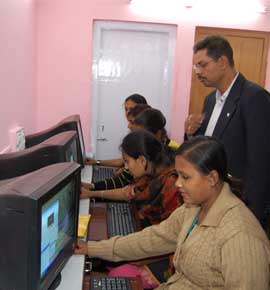
The project enrolls 40 students in every batch and makes them computer enabled by enhancing their computer skills which later open doors of the job market in front of them. “In the last few years, the project has earned accolades from different sections of the society and we successfully imparted computer education to more than 4,000 minority students of Kolkata,” says Shoven Banerjee, Officer-in Charge, Community Policing Wing. Presently, the Men in White are running these KIRAN centers in more than 20 minority populated zones of Kolkata. Khalisa Parveen (18), completed her course and managed a job offer few days back. She says,“I got a job after I completed my computer course from KIRAN. My perspective on cops has completely changed, I believe they are not only people in uniform who brandish their lathis and guns, but they have a humane face behind the white uniform.” Till date KIRAN has successfully trained more than 3,500 girl students.

This project is not only enhancing the skills of several youths, but is also eradicating the gulf of mistrust between cops and community. The course is offered to those who have completed their plus two and is completely free for students. Presently, the knowledge centers are spread across 20 minority populated areas, which are Beniapukur, Gardenreach, Karaya, Jorasankho, Ultadanga, Entally, Tangra, Taltola, Topsia, Ekbalpur, Cossipore, West Port, Narkeldanga, Phoolbagan, Bhowanipore, Ballygaunge, Watgaunge, Park Street, Nadial and Tiljala have started functioning.

Via KIRAN, computer education is not only extended to minority community, but it is also extended to underprivileged youth. The faculties of the KIRAN center thinks that the growing job market is in massive demand of employable workforce and Kolkata Police is creating that workforce through KIRAN and a gamut of students are getting good job offers from the market.

OMAN Initiatives to Enhance Learning

Aiming to create a balanced scientific process that combines both success and uniqueness as the important components of the educational process, the Colleges of Applied Sciences in Oman are working under the supervision of the Ministry of Higher Education. To bring quality education in the State, the colleges are striving to offer specialised courses to the students

OMANThe Colleges of Applied Sciences

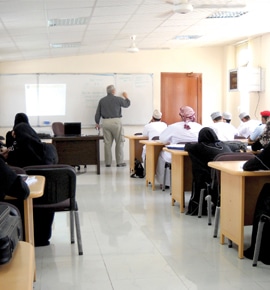
The colleges of Applied Sciences are working continuously and steadily under the supervision of the Ministry of Higher Education and in accordance with the strategic plan of the colleges of Applied Sciences to assure optimal investment of skills and abilities and to enhance teaching and learning experience in the colleges. The colleges strive to achieve the quality of education by utilising all possible potentials. These colleges aim at creating a balanced scientific process that combines both success and uniqueness as the important components of the educational process.

The specialisations offered at the Colleges of Applied Sciences are

? Design Programme
? Information Technology Programme
? International Business Administration Programme
? Biotechnology Programme
? Communication Programme
? Engineering Programme
? English Programme

Academic Programmes Review

The programmes of Information Technology, Communication Studies, and Design have been enriched in the practical side by increasing the practical experience in all courses. The graduation projects will also be a principal component in the specialisations plans of the previously mentioned programmes with the necessity of linking these projects with the industrial sector. The new programmes involve training as a fundamental requirement for all students, in addition to adding the course (Entrepreneurship, Creativity and Innovation), in response to the resolution of the Education Council. All these issues aim at providing the graduates of the Colleges of Applied Sciences with the skills required by the job market in order to fulfill the needs of the sustainable development.

The Strategic Plan of the Colleges of Applied Sciences (2015-2020)

The Strategic Plan of the colleges of Applied Sciences aims at developing the colleges and improving their performance in a scientific and systematic way. Setting the strategic plan of the colleges of Applied Sciences (2015-2020) has come as a result of series of scientific stages consistent with those applied in other higher education institutions when setting strategic plans. The strategic plan of the colleges involves in its development of all the stockholders. It includes the vision and mission of the colleges besides six strategic goals with six sub-mechanisms for each strategic goal. The strategic plan also includes performance indicators to measure to what extent the strategy is applied.

The Policies of the Colleges of Applied Sciences (2015-2020)

The policies of the colleges of Applied Sciences are clearly set including their definitions, importance and objectives. Twenty-seven policies were set to cover all fields of work in the colleges. In order to set these policies, an academic methodology was adopted starting with analysing the needs of the colleges and involving participation of teams from all different work scope in the colleges.

Training was provided to people who work on the strategy enabling them to understand the fundamentals, methodology and skills of setting and implementing these policies in order to fulfill the criteria of form and content and to be consistent with the bylaw of the colleges and the basic law of the Sultanate.

A comprehensive methodology was adopted in preparing these policies to ensure their effectiveness. However, some im- portant dimensions should be emphasised when evaluating the effectiveness of these policies. For example, the projects should be under trial for two years besides depending on the local recources and expanding the participation base by organising team works, sessions and workshops. Actual needs of the colleges should be also studied.

There will be a systematic evaluation of the colleges interaction with the new policies according to the policy guide prepared for this aim. Guide books containing policies and regulations will be set for every category in the college community like student guide. These guide books will be available on the colleges website to be accessed by all users to ensure communication and transparency.

The colleges of Applied Sciences annually host visiting professors to pass on their experience to students. Students also have training opportunity for a year during their study in order to hone their skills. The colleges also offer programmes for continuous learning for the community.

Consultancy Services

The colleges of Applied Sciences are currently working to develop consultations regulations in order to offer consultancy and services to the industry and business sectors. The colleges will serve the community in a practical and more organised way. The colleges will also be connected with the industrial sector to enrich the applied side of the learning experience, which is an essential part of its strategic plan. The Directorate General of the Colleges is planning to establish a unit in a forthcoming plan to provide the services of student support and guidance for the colleges of applied sciences in order to achieve its strategic goals and strengthen the students identity.

Creating Incubators for Entrepreneurship

The colleges of Applied Sciences are intending to create incubators for entrepreneurship. These incubators aim at enriching the educational community and providing a suitable atmosphere to embrace students graduation projects that are considered to be the real starting point of their career path.

The colleges of Applied Sciences are working at establishing integrated building systems and regulations for six colleges. New projects will be launched in future like the Engineering workshop in Sohar College of Applied Sciences. A Multiple- Purposes Hall will be opened in Salalah and Ibri Colleges of Applied Sciences along with new specialisations in entrepreneurship.

The Ministry of Higher Education represented by the Directorate General of the Colleges of Applied Sciences strives to develop the applied sciences colleges in accordance with the needs of education and labour market.

Students Council

An electronic election system for the student’s councils will be activated in the colleges in the next academic year. There is also an idea to create a club for graduates as a way to communicate with the graduates of the colleges.

The colleges have already launched a Graduates Forum in Sohar College of Applied Sciences to connect the graduates with their institutions in order to enrich these institutions.

The Graduates Forum also aims at establishing good connections and relationships between the graduates and their colleges to support cooperation between them. It is also a chance to show the community and companies the graduates of the colleges along with their achievements in the work- place and introduce the different specialisations offered in the colleges.

Community Service and Exchange Programmes

Developing students’ skills and potentials are highly considered in the colleges. The ‘Obligatory Training’ within a specific system is a very important factor to enhance students` abilities to help them continue their academic journey and their own path later on.

The programme of the cultural student exchange is highly valued in the colleges. The colleges have received international students to study in different majors. The Directorate has also sent students to Germany, France, China, Britain, the United States of America, Finland, Morocco, India and Australia to study the languages of these countries. These students are now teaching the languages they learnt in Al-Rustaq College of Applied Sciences.

There is a plan for a cooperative training project, which is a regulated academic process to merge the educational process in classes with practical learning through providing students with productive careers close to the academic and professional trend with preference of paid jobs in most cases. The project will be first experimentally applied in the information technology department at Sohar College of Applied Sciences starting from the next academic year.

Raising the Bar

Amidst growing concerns over quality of education in the state run schools in rural India, the Telangana Social Welfare Residential Educational Institutions Society (TSWREIS) has emerged as the lone bright spot by producing thousands of outstanding students despite many challenges. Sudheer Goutham of Elets News Network (ENN) digs into the details of initiatives by Telangana SWREIS that set an example to all other state-run institutions

Students of Telangana SWREIS who scaled the Mount Everest

Despite challenges like social exclusion, economic insecurity, illiteracy of parents and the burden of abject poverty, in last three years alone, Telangana Social Welfare Residential Educational Institutions Society (TSWREIS) has sent approximately 200 students to premier Indian institutes like IITs and NITs and hundreds to medical and engineering colleges in the State, which is exceptional for a government institution. Most of the beneficiary students are those from BPL families.

Students of Telangana SWREIS schools have been consistently showing extraordinary performance in the board exami nations vis-a-vis other State-run educational institutions.

One of the biggest achievements in the history of the society has been the entry of its 22 students into the prestigious undergraduate courses in Azim Premji University, Bangalore for the year 2015-18 without any reservation.

While thirty positions eligible for full financial aid for entire country, Swaeroes could achieve a big haul of 22 seats. Girls dominated the boys with 12 seats.

In this regard Dr. R.S. Praveen Kumar, Secretary, Telangana SWREIS says, “It is a true game changer in the journey of these students towards higher education. Of Course, Azim Premji University extends full financial aid to the students from challenging economic background.”

Sreenivasa Rao of Azim Premji Foundation says, “We have been associated with the education department in the State for a pretty long time to improve the quality of education in rural government schools and Anganwadis. We interviewed hundreds of students all over India for admission into 100 seats but the confidence displayed by the students of Telangana SWREIS is remarkable. As a man from village and having studied in government institutions, I feel proud of this amazing achievement.”

Sigiri Srija, who got admission into Azim’s is a wonder kid. She studied in TSWR School /Jr. Colleges, Mallapur and Madikonda. She hails from Dharmaram village of Karimnagar. Her parents come from a economically poor background. Her father Lachaiah is a mason. Srija’s brother, Suryanarayana is physically challenged. He is bed-ridden and frequently suffers from convulsion. Srija’s mother, Madanamma stays home taking care of her ailing son. Srija says gripping her fists, “My only ambition is to reach pinnacle in my studies and get rid of the problems because poverty and health problems of my brother always work on my mind.”

Academics and non academic go hand in hand in Telangana SWREIS and this was proven when students of Telangana SWREIS hit the national headlines with their unique world record of scaling the non-friendly Mt. Everest at such a tender age creating sensation that made them juvenile celebrities.

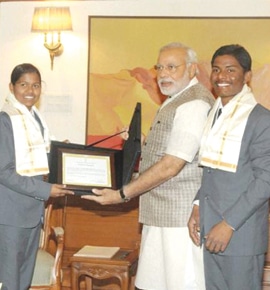
It was for the first time that two poor tribal students from the remote areas of Telangana braved one of the world’s most unfriendly terrains. Malvath Poorna, from Nizamabad district broke the record as the youngest girl (13+) ever to conquer Mt. Everest and Sadhnapalli Anand, 16, from Khammam district is the first Dalit boy to scale the Mt. Everest, which is another record.

Despite extreme weather conditions- a bitter chill of -45 degrees of temperature that freezes bones and blood, and dead bodies on their way to the top, there was something distinct in the two young minds that drove them to success.

Meanwhile, Anand recalling the experience tells, “On our way we came across many dead bodies. Ridge was risky. A single faltering step here would mean death. There is no hope of getting even the dead body. But, they did not deter out spirits. I remembered two of our Society’s Ten Commandments- ‘Never Give Up and Never Fear the Unknown.”

Scaling the Skill Gamut

Realising the fact that Skill education is the need of the hour, the Government is running several initiatives that empowers the youth of the country to be skilled to earn their livelihood, even after completing the senior secondary level. Elets News Network (ENN) brings together government initiatives in the sector to help the country scale the skill map.
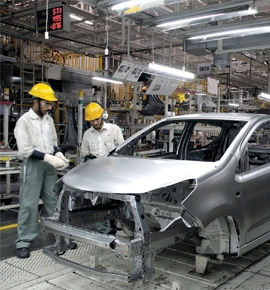
16With 430 million people in the age group of 15- 34 years, India is a young nation, constituting 35 per cent of the population as per Census 2011. In fact this age group is projected to increase to 464 million by 2021. Global economists, industry analysts and policy-framers are convinced that India needs to optimise the opportunity of this ‘demographic dividend’.

India’s demographic dividend has the power to drive the growth of the country and also be the key engine to fuel global growth. However the vast talent pool of the country suffers from either not having the skills to be employable or having an inefficient marketplace for jobs. There is a need for speedy reorganisation of the ecosystem of skill development and entrepreneurship promotion in the country to suit the needs of the industry and enable decent quality of life to its population.

In line with Prime Minister Narendra Modi’s belief that if we have to promote the development of our country then our mission has to be Skill Development and Skilled India, the Ministry of Skill Development and Entrepreneurship is aiming at developing skill at fast pace, while also maintaining a certain standard.

Taking the vision forward, the Ministry is also striving to develop skills on the national level with an eye on removal of disconnect between demand and supply of skilled manpower, building the vocational and technical training framework, skill up-gradation, building of new skills, and innovative thinking not only for existing jobs but also jobs that are to be created.

The Ministry has engaged actively with several countries with the purpose of technology transfer in skill training, training of trainers, setting up of model and centres of excellence. The MoUs have been signed with United Kingdom, Germany, Australia, Canada, France, USA, European Union, Iran and Bahrain, etc with a focus to implement and adapt the best practices in skill development of respective countries systems in India.

Dr Haresh Tank, Director, Statione Language Lab concerned about the growing competition and the quality of education becoming a question. “Students memorise books full of data, but basic skills and subjects that village schools used to impart well such as Mathematics and Language Skills are wor- rying the educationists today. The education debate over the quality has led to the advent of a whole new jargon, but how much of that has made things clear to us is yet to be discovered,” he opines.

Government focus
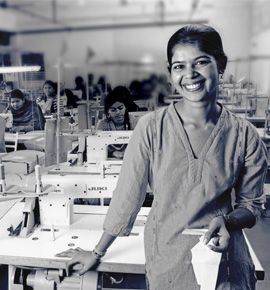
17Prime Minister has stressed on producing skilled manpower and pushing ahead the Skill India mission with the government launching a number of initiatives aimed at developing skills and promoting youth in every field. The new National Policy for Skill Development Mission and Entrepreneurship was released in July this year and the Prime Minister had also rolled out India flagship scheme, Pradhan Mantri Kaushal Vikas Yojana (PMKVY), with an outlay of Rs.1,500 crore, and a first year target of covering 2.4 million individuals.

The government has set the target to skill 40.2 crore people by 2022 under the National Policy for Skill Development. The other initiatives yet to be launched are the model skill loan scheme, skill card for persons certified under PMKVY.

Rajiv Pratap Rudy, Minister of State, Ministry for Skill Development and Entrepreneurship (Independent Charge) & Parliamentary Affairs feels, “Skills and knowledge are the driving forces of economic growth and social development for any country. We are in cognizance of the huge demographic dividend that our country stands to reap, at this point in time.” The Skill Development Minister had also stated that, “12 years of education may not make you employable but 12 weeks of skill training will and also bring about a paradigm shift from input-based to outcome-based skill training in the country.”

Talking about the initiatives of NSDC in empowering the youngsters, Dilip Chenoy, Managing Director and CEO of the National Skill Development Corporation (NSDC) says, “NSDC is partnering with the state governments to introduce training partners and set up labs and get people skill trained. Two very recent examples are in Haryana and Himachal Pradesh where school children who passed out of 12th and not wanting to continue higher education have got jobs up to Rs. 50,000 a month based on their skill certificate. In many cases where they have not even passed 12th but passed their skill certifi- cate, they have got jobs in the market, say for example in the retail sector, where they are earning an average of `12,000- `13,000 per month.”

Skilling at School

There are about 1.3 million schools operating in India in which 227 million children are enrolled. The figure indicates the state of regular enrolment in primary and secondary levels. Besides, vocational education courses are also operated under the National Institute for Open Schooling (NIOS).

12 years of education may not make you employable but 12 weeks of skill training will and also bring about a paradigm shift from input-based to outcome-based skill training in the country

18Secondary education has expanded rapidly in recent years. The major skill gaps are cognitive (especially numeracy and critical thinking), non-cognitive (especially communication, leadership, and decision making), and technical (depends upon industry).

The BJP Government has worked on vocationalisation of school education. The centrally sponsored scheme of Ministry of HRD, Government of India lists out the crucial role for NSDC and it’s Sector Skills Councils (SSCs) in implementation of NSQF. The training conducted in the scheme is based on National Occupational Standards set by NSDC through SSCs. Under the scheme SSCs conducts assessments and certifications jointly with the State Board.

NSDC is currently working with the State Governments of Haryana, Himachal Pradesh, Karnataka, Punjab, Uttarakhand, Madhya Pradesh, Nagaland, Maharashatra, Chhattisgarh and Rajasthan for implementation of the scheme in their states through its approved and funded Sector Skill Councils

NSDC is currently working with the State Governments of Haryana, Himachal Pradesh, Karnataka, Punjab, Uttarakhand, Madhya Pradesh, Nagaland, Maharashatra, Chhattisgarh and Rajasthan for implementation of the scheme in their states through its approved and funded Sector Skill Councils.

Sector Skill Councils support the States in Identification of Trades/ Occupations, Accrediting curriculum with PSSCIVE, Recommendation for Appointment of Vocational (Industry) Coordinator, Quality Control of Training, Training of Trainers, Student Assessment and Certification and Industry Interface.

Need not to mention, skill education is the need of the hour and to make students learn the trait, CBSE has also introduced five vocational courses under NSQF at senior secondary level. These courses were launched in 2012, targeting IT, Automobile, Retail, Security and Introduction to Travel and Tourism in classes IX and X. There are other 40 vocational courses offered at the senior secondary level in classes IX and XII in seven different sectors.

“CBSE develops curriculum and content for these courses and prepares student’s manual and teachers’ hand-book for their benefit. Also, training programmes for teachers are organised to upgrade teaching techniques and skills in respective subjects,” informs MVV Prasada Rao, Director, Vocational Education and EDUSAT, CBSE.

Skills at Higher Education

In order to bridge the gap between industry and academia, NSDC has developed a unique model to integrate skill based trainings into the academic cycles of Universities. These are based on national occupational standards set by industry through sector skill councils. The job roles offered are designed to be progressive in nature from level 5 to level 7 on NSQF. NSDC is working with 21 Universities, UGC and AICTE, catering to more than 2100 colleges and 400 community colleges across the country.

The key highlights:

  • Based on state skill gap report – identification of Sectors andjob roles.
  • Development of implementation model and Integration into time table as per university norms.
  • Training of Trainers by Sector Skill Council
  • Curriculum Alignment and Capacity Building workshops
  • Student orientation sessions to take an informed choice of sector/job role based on career aspiration
  • Standardised Training Delivery by NSDC Training Partners
  • Internships and On- the – job Training w Assessment and certification by Sector Skill Council
  • Last Mile Employability and Entrepreneurship Opportunities for the students

Madan Mohan Mittal, Technical Education Minister, Government of Punjab, says, “Education, creation and adaptation of information, knowledge, skills and values are a key lever of sustainable development. The vision of ‘Skilled India’, ‘Skill youth’ will give equitable opportunities to all to access effective and relevant learning throughout life delivered through multiple formal, non-formal and informal settings. Skill education is important to individuals’ development as it is to the development of the nation and to the world at large.”

Defining skillsets

Agreeing to the fact that there is a need to provide skill training even to the engineering students, Dr. G. R. C Reddy, Director, National Institute of Technology, Goa says, “India today produces 1.5 million engineering graduates a year, most of them in what we call ‘circuit branches’- computer Science, IT, Electronics’ and Electrical Engineering. It is however, agreed by all that 75 per cent of these graduates are unemployed. The reasons are that both government and private colleges lack teachers of appropriate scholastic standard. Again, this is so because bright students are not joining postgraduate programmes nor are taking up research and teaching as a profession.”

Due to the fact that organisations operate in an increasingly competitive environment, it results in a need for continuous employee skill development. The rapid pace of technological change requires everyone to continue learning throughout life. Although there are a number of broad skills that employers look for in candidates, such as strong communication and organisational skills or technical knowledge, each individual field of engineering and job role will have their own specific skills set.

Current concerns over reforming engineering education have focused attention on helping students develop skills and an adaptive expertise. In this backdrop, Ashiv Shah, Head of TIFAC Centre of Relevance and Excellence at Ajay Kumar Garg Engineering College (AKGEC) feels, “It goes without saying that the fundamentals in Engineering are core to creating a good engineer. However, in the present backdrop, we are looking at the global picture, skill development is indispensable.”

He further adds, “Engineering colleges need to upgrade labs and tools, in addition to their curriculum in respect to the material available worldwide. Unfortunately engineering curriculums have not been revamped for the last many years. Today, skill development needs to majorly and urgently focus on manufacturing practices. Till now, skill development was concentrated on the servicing sector and this has to change.”

Facilitating Change

19There are about 20,769 government higher educational institutes in India which includes Universities, research institutes, colleges of Arts, Science and Commerce, Engineering and Architecture and Medical Institutes, Polytechnic institutes and Teacher’s Training Institutes.

The government has to put massive effort to form better educational structure especially for skill development sector comprising of industry-oriented training. The National Skill Policy, among others, devised in 2009 set a target to impart skill development training to 500 million by 2022. An apex institution for devising policy and review Skill development sector is the Prime Minister’s National Council on Skill Development. Initiatives were also taken to coordinate both private and public sector to impart skill development

India today produces 1.5 million engineering graduates a year, most of them in what we call ‘circuit branches’- computer Science, IT, Electronics’ and Electrical Engineering. It is however, agreed by all that 75 per cent of these graduates are unemployed. The reasons are that both government and private colleges lack teachers of appropriate scholastic standard

In a dire need to educate youngsters by providing a continuous skilling curriculum along with mainstream education, Higher Education Department in the Ministry of Human Resource and Development with MHRD had launched a scheme on Skill Assessment Matrix for Vocational Advancement of Youth (SAMVAY) to support students’ mobility under NSQF. SAMVAY was created to support mobility of students between various levels of general education, community colleges and Bachelor of Vocational Courses (B.Voc) courses run by poly- technics and colleges approved by UGC and AICTE

The Game Changer

Dr. R S Praveen Kumar, IPS, Secretary, Telangana Social Welfare Residential Educational Institutions Society (TSWREIS) with thorough understanding of the subject, level-headedness and an able team, kick started several new initiatives when he took the charge in July 2012. He chose to be the secretary of the society by choice, throws light on his initiative that can be a game changer for other state run educational institutions

R S Praveen Kuma
Dr. R S Praveen Kumar
IPS, Secretary, Telangana Social Welfare Residential Educational Institutions Society (TSWREIS)

Tell us about your initiatives in Telangana SWREIS that became the trend setter for the government- run educational institutions?

It is the methodical and intense training to teachers, science projects which allow students to explore the improbable, interactive learning programmes with experts on Mana TV (a government channel), digital learning in the classrooms, E-PLUS CLUB conducting different activities for the students to enhance their soft skills, or CCE (Continuous Comprehensive Evaluation) customised to the State syllabus, all these innovative measures brought about a fresh lease of life to education.

How often the staff and teaching faculty of Telangana SWREIS undergo training?

It is the excellent mind mapping training to staff and teachers by Victor and Sarah of Reading Wise. Thanks to MANA TV (a government channel) which operates in 198 institutions today, students are exposed to daily lessons as per the schedule given on SAPNET Website (www.sapnet. gov.in). Further, the academic section of the Society is conducting MANA TV lessons from our own faculty of various cadres depending on their competence, confidence and contribution. Apart from this, our other initiatives like Digital Learning, Boot Camps and P5 programmes empower students with soft skills, communication skills, confidence, IT literacy, etc.

Can you tell us about your popular programme V4G or Voice for Girls in Telangana SWREIS?

Our senior students started succumbing to peer and social pressures and slipped off into depression. Unable to handle the psychological stress, they even started taking extreme steps like suicide. We sought the help of an international NGO called Voice for Girls, which conducted motivational workshops for adolescent girls and opened up a whole new meaning of life for them. This became ex

tremely popular and caught on like wild fire as it changed the perspective of students in a big way. They started seeing a new and meaningful dimension in their lives. These girls called Sakhis turned into volunteers and started propagating the message of goodwill in all 290 schools. We now have a battalion of 1200 sakhis.

All your 291 schools begin from grade 5 only, why isn’t Pre-Primary and Primary included? Especially it is said that those are the formative years, why is it excluded?

It is believed that till the age of nine, the child needs parent so he or she is advised against a residential school. Hence, it is only after nine years that we start taking enrolments from grade V upwards. However, we do plan to include the Primary very soon. In fact by the time the students enter grade V they are already coming from a vernacular background to English medium school and find it difficult to cope. One of our pre-requisites is that the class should be very noisy. If it is not so, we assume children are troubled and not comfortable in the class. Hence, we have to ‘undo’ and start refilling the cups again.

What is the mode of coaching or training that has led students from Telangana SWREIS bag seats in premier Indian Institutes like IIT and NIT?

We have special trained teachers who coach the students for these competitive exams. In fact, we have Sri Chukka Ramiah garu’s expert guidance and he also happens to be the member of our Management Board. He actively helps us in selecting the bright students through an entrance test for admission into IIT coaching.

Sparsh celebrates bond of friendship

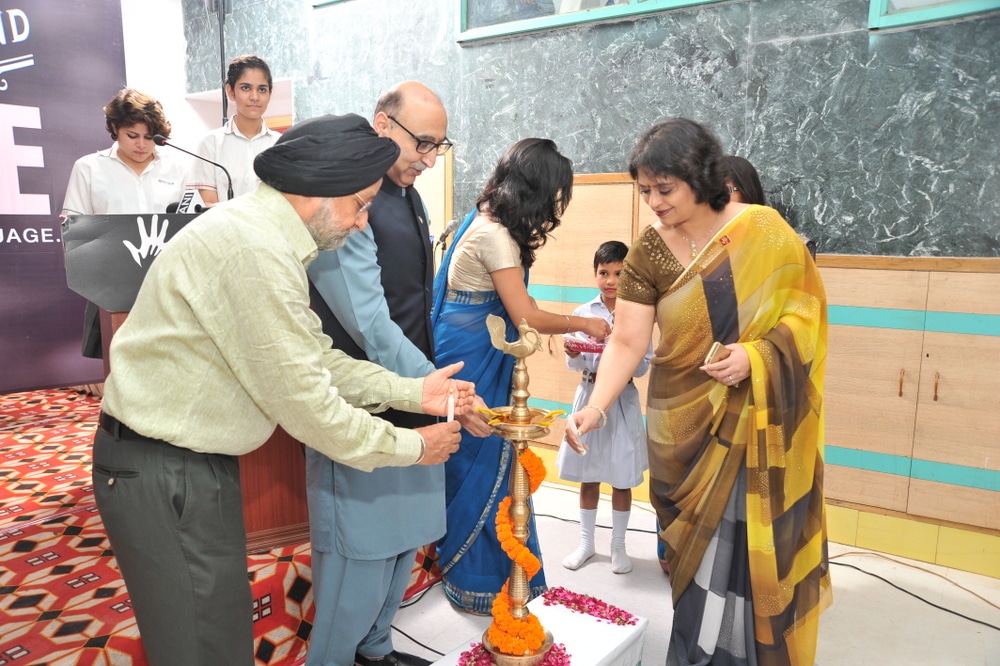
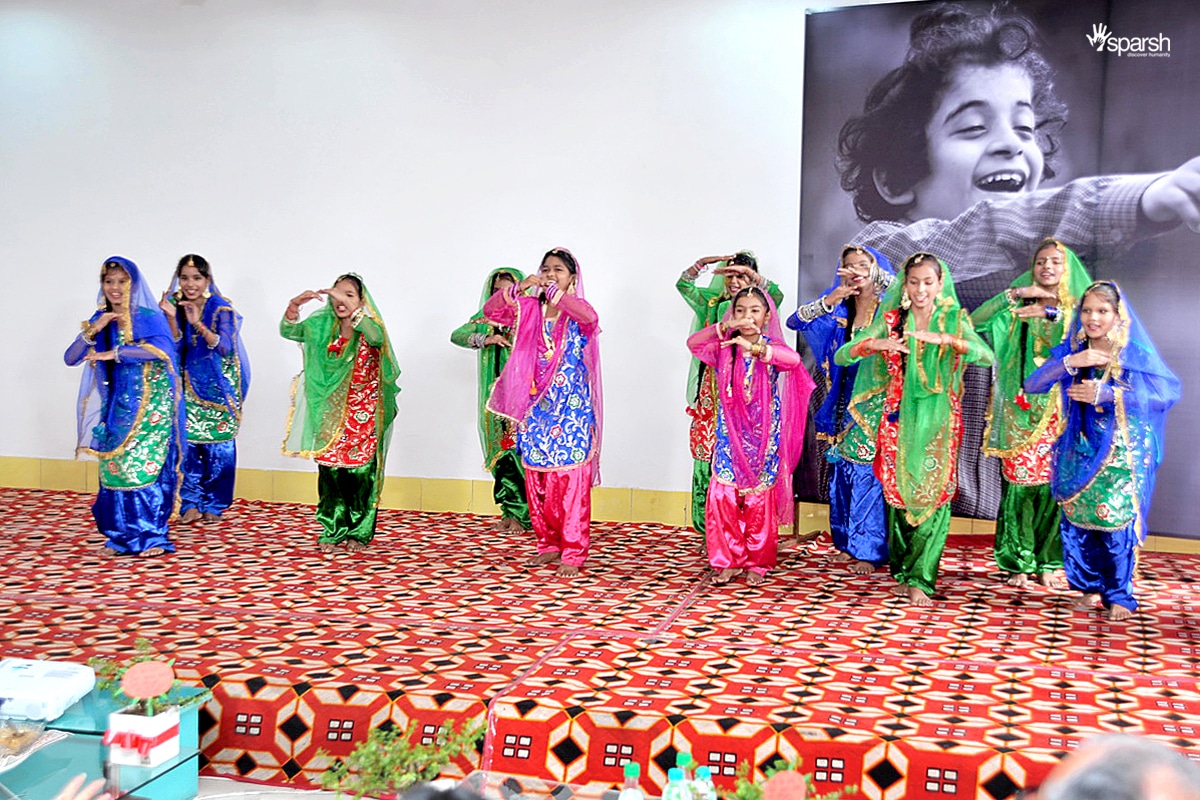
DPK_1962In a special gesture the children at Sparsh, an NGO promoted by Marvel Group comprising of Mother’s Pride, Presidium run by Sudha Gupta, Adiva and The Knowledge Tree celebrated the bond of friendship and shared a message on peace and love with the Pakistan High Commissioner recently. At the event there was an amalgamation of programme by Shakti Girls and a fusion gidda performance was held.

KML_2346KML_2336The children also performed a play on the theme ‘United we Stand, Divided we fall.’ There was a scintillating performance on a song depicting friendship between the people of India and Pakistan. The students from Presidium School on the theme ‘Itihaas’ and also performed on a song of peace and harmony. The exuberant performance by children was followed by a grand finale performance on the John Lenon-Peace song. It was a joyous and happy moment for everyone present there and the spirit of brotherhood filled every corner. M.P. Singh, President Sparsh – Highlighted the vision of the N.G.O.

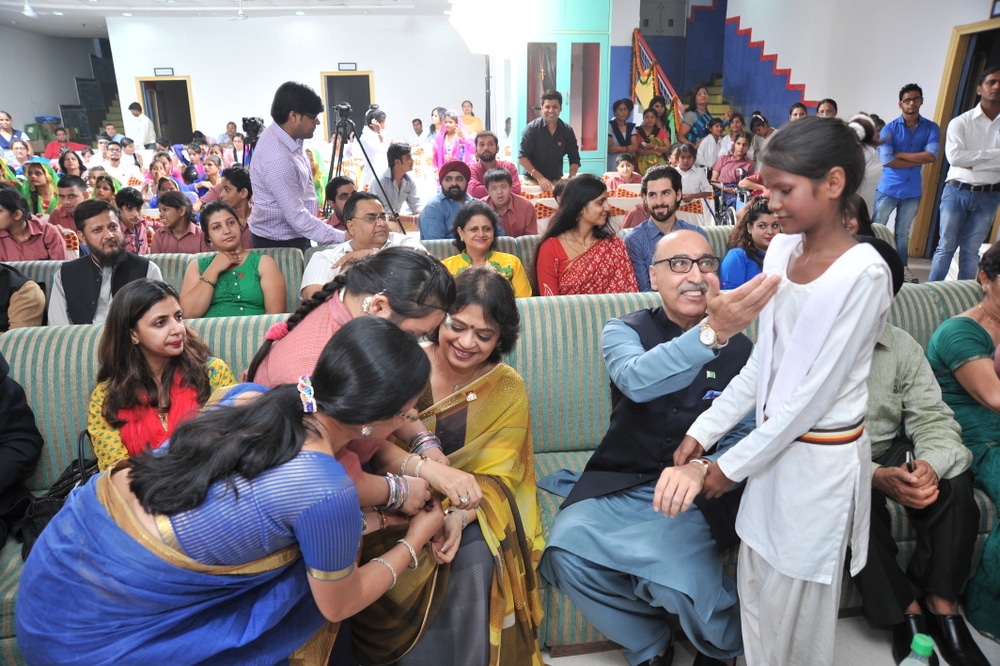
81aad201d8866d722ace7db6e9d327ceSudha Gupta, Chairperson of Presidium and Mother’s Pride appreciated the children for coming together to celebrate the festival. Abdul Basit, Pakistan High Commissioner expressed that he was elated to be a part of the event and in his one and a half year tenure it was the best event that he had seen so far. He enjoyed interacting with the students and appreciated the good work being done by Sparsh. Sapna Sukul, Director, Sparsh expressed the gratitude to everyone at the function.

DPK_2072 (1)Sparsh came into existence in 1996. Dedicated to the welfare of all sections of the society-women, children, elderly and especially the physically and mentally challenged, the NGO’s aim is to empower the children having special needs.

Bolstering skills through PPP model

skills

Ministry of Skill Development and Entrepreneurship (MSDE) in partnership with the World Bank will organise a Google+ Hangout to enable greater engagement of the Indian corporate sector in India’s skill development initiatives.

The Google+ Hangout will have different stakeholders including government, World Bank and CEOs of large Indian Corporations deliberate ways in which Corporate Social Responsibility Funds of Indian companies can be channeled towards skill development initiatives of the government.

This online event will be held on 2nd September, 2015 from 4.30 pm to 6.00 pm. Minister of State (Independent Charge) for Skill Development and Entrepreneurship Rajiv Pratap Rudy will deliver the keynote address and interact with the CEOs of Indian companies. Chairpersons of Public Sector Undertakings (PSUs) such as State Bank of India, Oil and Natural Gas Corporation Ltd (ONGC), and Bharat Heavy Electricals Ltd (BHEL) will also participate.

Announcing the initiative Rudy said, “India is expected to have half of its population under 28 years by 2030. While the `ageing economy’ phenomenon will globally create a shortage of skilled manpower of 57 million by 2020, India will have a surplus of 46 million working people. Helping this young population with the right skills will provide India a huge demographic dividend.”

The Hangout will also launch IT-based Skills to Jobs Aggregator Platform. The Skills to Jobs platform – created as part of World Bank technical assistance to MSDE – is a technology enabled multi-stakeholder platform that will effectively channel funds (both government and corporate) towards skills projects and also help Indian companies and skilled trainees to connect, which could lead to better job prospects for the trainees. The entire platform will be driven through a combination of Marketplace and cloud, mobile and big data technologies. All data points will be tagged to Google Maps, thereby, providing exact locations ensuring highest levels of data authenticity. Dashboards will be created to provide a one-stop solution for understanding and evaluating the progress, effectiveness and impact of skills projects across the country.

World Bank Country Director in India Onno Ruhl has said, “The Google+ Hangout will help us brainstorm on how public and private capital can be effectively channeled towards skill development in order to prepare a better skilled workforce for the job market.”

Teachers Vs Technology: Who will rule the future Classroom?

Mention Online Education to someone or type the term into the search field of your favorite search engine, and you will instantly get a slew of responses or results. It includes big and not-so-popular names of education technology providers and solutions that are part of the now gargantuan Ed tech world.

An Educator’s Goal 

wiziqWhile the options for online educators and learners have gone through the roof, the basic objective of teaching remains unchanged for every educator. It is to impart knowledge to learners while remediating the problems encountered by learners during the process of learning.
Let’s focus on the two key aspects of this statement, which are imparting knowledge and remediating the problems to ensure learner success.  At the centre of it all is the educator who is crucial to achieving this objective.  To stay true to their craft and keep this purpose from being compromised, educators need to clearly see through the hype about education technology and block out the incessant noise about the innumerable educational solutions out there. An educator needs to choose the right education technology, which assists him or her in achieving this objective.

Technology & Educator: Striking the balance

Simply put, educators need to understand the role of education technology and the extent to which it should be employed in realising their goal. Now don’t get me wrong. I have been a long-standing advocate of education technology myself, having founded WizIQ Inc., an education technology company that helps educators build their own online academies.  I strongly feel that education technology solutions are great in the sense that they enable educators to address the varied learning needs of learners effectively.

No matter how great is the technology that you use; you simply can’t take the educator out of the learning process. For example, there is much talk about adaptive learning these days. It’s an amazing concept that fascinates me. There are proponents of this concept who believe that one can build a technology solution so intelligent that it can automatically assess a learner’s abilities, identify areas of improvement, and suggest and apply suitable remedies to overcome learning challenges during the course of learning.  Remedies can be in the form of learning material or online courses that would help the learner move up the learning curve. It is a setup where everything is automated to an extent that you don’t need an educator at all.

While the idea sounds fantastic and futuristic, but doing away with the educator completely could prove to be a mistake. Let me explain. You can assess learners and identify the areas of improvement using technology. However, technology will not tell you with certainty why the learner is weak in certain areas. That’s a big question for an educator. The reasons could be many including, lack of interest or motivation, poor concentration, and reduced attention span, just to name a few.  Technology, in its present stage of evolution, cannot identify or measure these factors. That’s where the role of an educator becomes indispensable. You need a human touch to effectively deliver learning and witness a positive outcome.

Technology that empowers educators

At WizIQ, we empower educators to use technology in order to build their own online academies, which they can use to deliver live, self-paced, and blended learning. To help educators achieve their objective of imparting knowledge and remediating the problems, we recently launched a new feature of Online Academy called Insights. It provides educators with actionable information in an easy-to-consume way about learners’ activities, effectiveness of the learning content, degree of engagement of the learner, and more.

Using Insights, educators can know about the amount of content of their online courses and classes that has been consumed by each learner. Based on this information, educators can make informed decisions about their teaching approach, choice of content, and much more. They can use these insights to even create a bespoke learning plan for each learner. Insights enables educators to make more and more data-driven decisions. That’s technology increasing the effectiveness of educators, instead of replacing them altogether or acting as a substitute for them.

Cutting to the chase, I think that the purpose of technology should be to enable educators to personalise learning experiences rather than trying to figure out ways to eliminate the need to have them. In fact, it has great power to impact education if one thinks of technology like this. However, educators need to be discerning enough to choose the right education technology.

If you have any queries, write to
ajayv@wiziq.com

Opt right vocation through career counselling

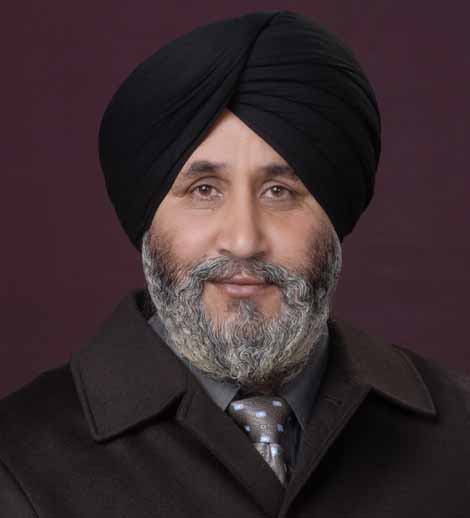
Dr. Daljit Singh Cheema, Education Minister, Punjab

Punjab government has approved setting up of 300 state-of-art fully equipped counselling clusters throughout the state and each cluster has been given responsibility to provide career counselling and guidance to the students of adjoining 10 to 13 schools.

Presiding over a meeting of Career guidance and counselling cell, Dr. Daljit Singh Cheema, Education Minister said that in this era of modern technology and fast changing economic environment the students need updated knowledge regarding new career opportunity and cannot afford to adopt herd mentality of opting for medical or engineering courses.  He said that the new economy and global environment has opened new vistas of opportunities for students in which students can opt according to their talent and choice.

Dr. Cheema said that each counselling units would be fully equipped with advanced modern technology besides a fully qualified counsellor and resource person who has been assigned the job of assessing strength and weakness of each student to provide career guidance according to the strength and aptitude.

Giving directions to explore the possibility of 24X7 career guidance helpline, Dr. Cheema said that it was imperative to provide counselling during stressful period of students keeping his anonymity especially during examination and result days.

He said that in order to boost and optimise the work of guidance and counselling in the state of Punjab, number of innovative steps has been taken. The meeting was attended by Dr. Tejinder Kaur Dhaliwal, Chairperson, Punjab School Education Board,  Pardeep Agarwal, DGSE,  Gurdeep Singh, Special Secretary,  Balbir Singh Dhol, DPI (Secondary),  Harbans Singh Sandhu, DPI (Elementry), Sukhdev Singh Kahlon, Director, SCERT,  Shruti Shukla, State Coordinator Cum Deputy Director Guidance Bureau and all officials of guidance bureau of Punjab.

Shruti Shukla, State Coordinator Cum Deputy Director Guidance Bureau said that one cluster guidance resource person has been appointed for 10 to 13 schools in the entire state of Punjab. The prime duty of designated cluster guidance resource person would be to ensure that all the students studying in class 9th to 12th are given proper guidance for career progression. She said that interactive website will not only have elaborate details about the resources available in the state but will also provide a platform to the students regarding any kind of query pertaining to career courses and employment.

Politics eluding education excellence

POLITICS_AND_EDUCATION_0

Astrophysicist Jayant Narlikar who was present at the convocation of Rashtrasant Tukadoji Maharaj Nagpur University stressed on improving the quality of education. While addressing the students and the faculty, he said, “One of the main reasons for degrading quality of education in universities is too much of politics on campuses.

Over 73,000 degrees, including PhDs, were conferred on the students at the ceremony, while 179 merit holders of various examinations were presented 438 medals and prizes that included 294 gold, 42 silver and 102 bronze.

Emphasising on the overcharging capitation fees, Narlikar questioned the commitment towards helping the underprivileged students who cannot afford it. He added, “Research sector is also plagued by bureaucracy, red-tapism and lack of innovative attitude and creativity.”

Urging the students to change this situation, he cited examples of Cambridge University that has managed to keep up its quality and reputation even after 800 years of existence. “Though everybody deserves the chance of getting education in democracy, intelligent students must be given advanced learning opportunities,” he said.

LATEST NEWS