



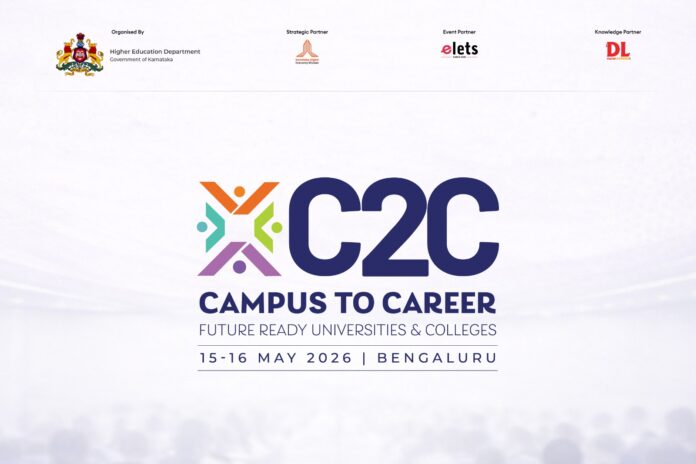
India produces over 10 million graduates every year. The World Economic Forum’s Future of Jobs Report 2025 estimates that by 2030, automation will displace 92 million jobs globally while creating 170 million new ones. The question every university must answer, and what the Campus to Career Summit 2026 is built to address is whether today’s students are being prepared for what comes next, or what already exists.
NASSCOM estimates that 69% of Indian jobs face automation risk over the next two decades. The immediate impact is already visible in the tech sector, India’s IT and services headcount, which stood at 7.5–8 million in 2023, could fall to 6 million by 2031. More strikingly, a recent report found that fewer than 25% of graduating students at top engineering institutions secured job offers before course completion in 2026. This is not a future problem. It is a present one.

Employability among Indian graduates has declined from 44.3% in 2023 to 42.6% in 2025, according to the Mercer-Mettl India Graduate Skill Index. The data also reveals a sharp institutional divide: graduates from Tier-I colleges show 48.4% employability, Tier-II at 46.1%, and Tier-III at just 43.4%. The gap between elite institutions and the rest is widening precisely as automation compresses the time available to bridge it.
A significant reason is faculty readiness. Only 14% of faculty in India’s public universities have received any form of AI training, according to recent research. Institutions cannot teach what their educators have not learned.
What Academia Must Rethink
Three things need to change urgently.
First, the curriculum must shift from teaching tools to teaching adaptability. Specific software and platforms become obsolete. The ability to learn, unlearn, and relearn does not.
Second, industry integration cannot be limited to final-year internships. Automation is reshaping roles mid-career. Students need exposure to real-world automation challenges from Year 1, not Year 4.
Third, universities in Tier-2 and Tier-3 locations need the same infrastructure access as metropolitan institutions. The employability gap between tiers is not a talent gap — it is an exposure gap.
Also Read | Campus to Career Summit 2026: Building India’s AI-Ready Workforce
Campus to Career Summit 2026
These are not distant concerns. They are decisions universities need to make now before another batch of students graduates without the skills the workforce is already demanding.
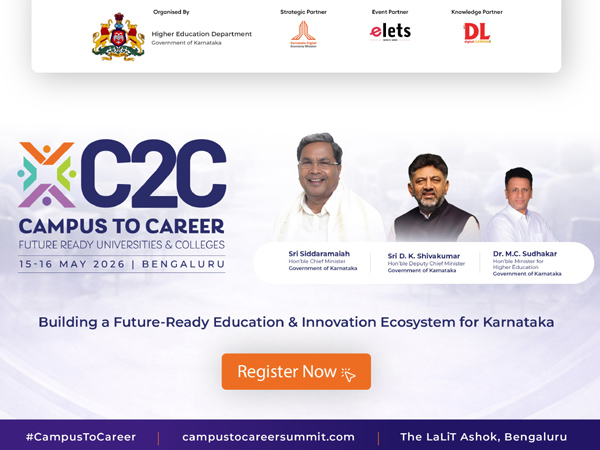
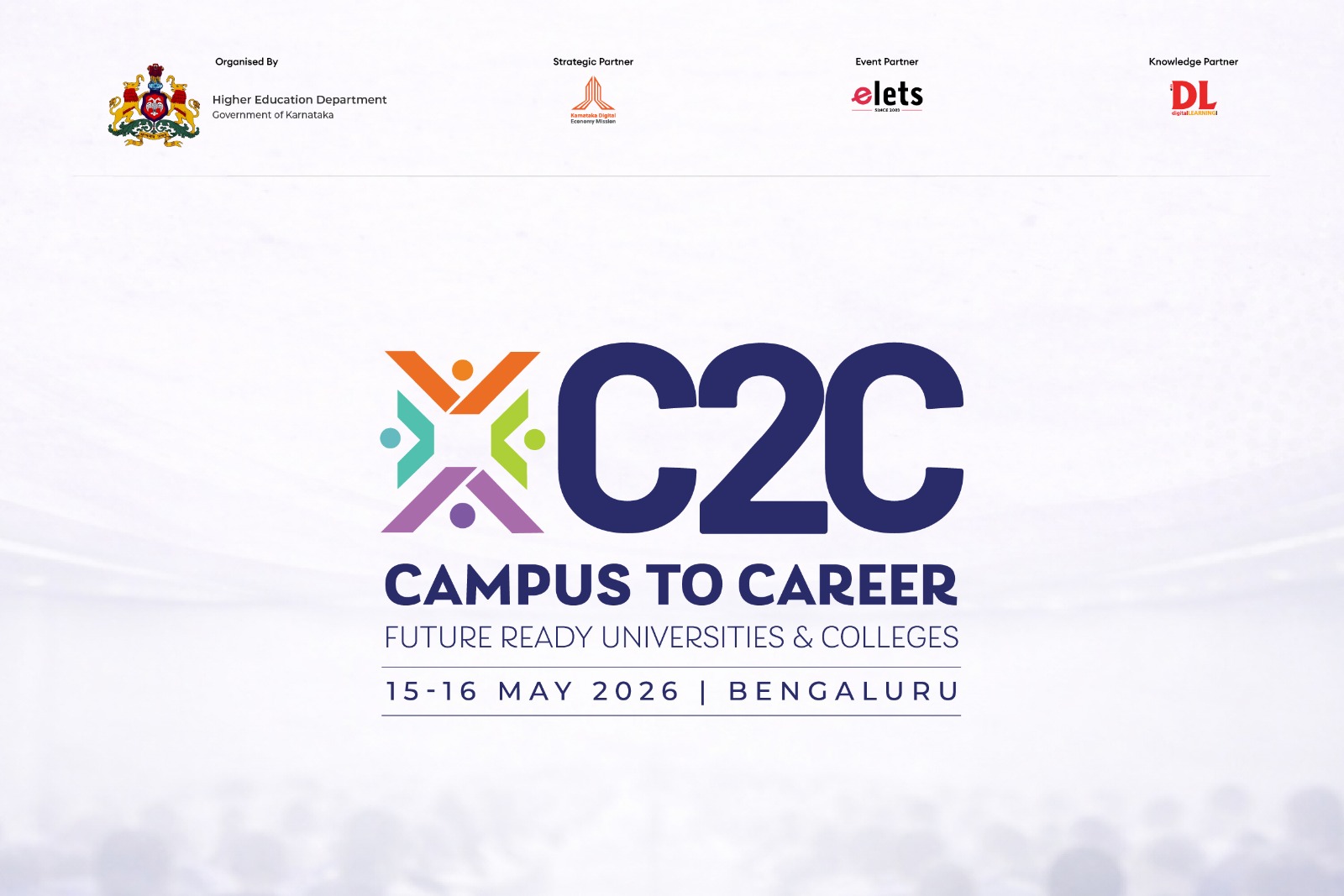
The Campus to Career Summit 2026, organised by the Department of Higher Education, Government of Karnataka, brings exactly that room to life on 15–16 May 2026 at The LaLiT Ashok, Bengaluru.
The institutions that act now will not just survive automation. They will shape what comes after it.
Express your interest at campustocareersummit.com