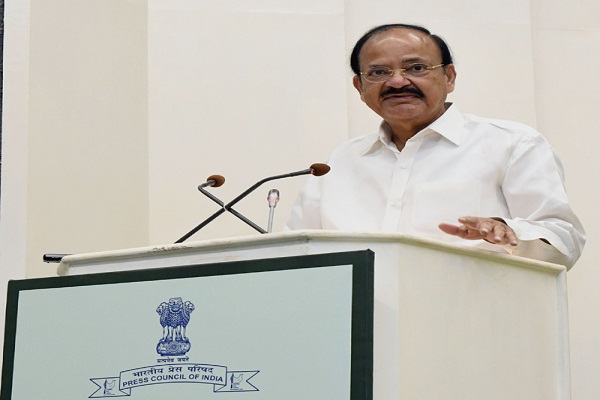
The Vice President, M Venkaiah Naidu called for bridging the digital divide to achieve universal primary education and ensure equitable secondary and higher education.
Releasing the book, ‘Future of Education-Nine Megatrends’, he said “technology opens up new possibilities but also makes us realize the big digital divide in our society”.
Stressing the need to make technology accessible and affordable, the Vice President pointed out that there were many children who did not have access to digital devices. “We will have to address the issue of this wide gap”, the Vice President added.
Naidu said that a large number of students were impacted due to the lockdown as they find it hard to study online. Many of them need hand holding to shift from offline to online and require proper training to pursue education through online modes.
Stating that many parents in India still cannot afford digital devices, he said that bridging the digital divide was too big and complex for the government alone to accomplish the task and urged the private sector, especially educational technology firms to contextualize the products at affordable prices as per the needs of learners..
With educational institutions going digital in the context of the pandemic, the Vice President said students and teachers were connecting through cloud-based platforms to communicate, share work, and complete projects. “Examinations are also being conducted online”, he added.
Urging teachers to impart teaching in tune with the changing requirements, the Vice President said that students can access machines anytime from anywhere in the wake of online laboratories. “The teacher now plays the role of a facilitator, guide, counselor, coach and many times that of a friend to the student”, he added.
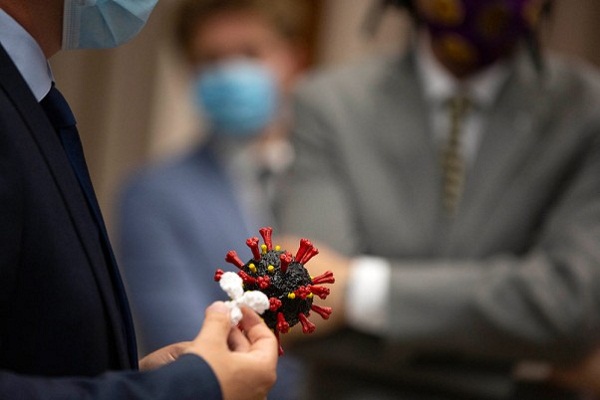
In a bid to create awareness within students regarding the Coronavirus, the West Bengal Education Department is set to introduce a chapter on the virus in the school’s curriculum from 2021. State Education Minister Partha Chatterjee raised the issue on disseminating the info regarding the nature of the Coronavirus and the necessary precautionary measures to prevent the outbreak.
Syllabus Committee Chairman Aveek Majumdar said that discussions are being conducted among the members and experts on the issue. Other officials have also added that plans to introduce the topic on Coronavirus for the students from Junior to Higher classes are also underway.
Majumdar also pointed out that learning the basic hygiene and safety measures to prevent the contamination in junior classes and learning the type of contagion and its mutations for the students of Higher Classes is important given the COVID-19 outbreak.
The first cases of COVID-19 were reported in the country earlier this year following which the disease has caused havoc across the country taking it to complete lockdown.
The CBSE and ICSE boards have cancelled the class 10 and 12 board examinations, and will be introducing alternative assessment methods to declare the results of the students.
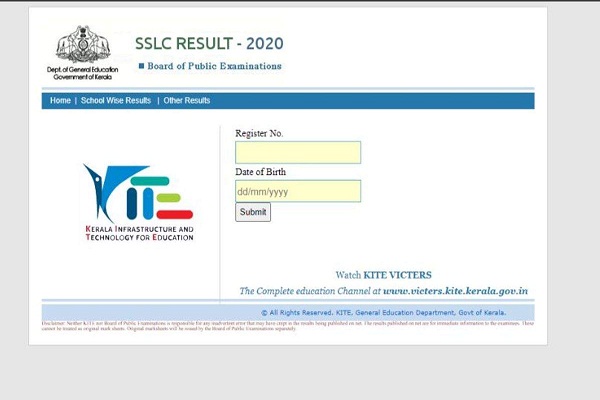
Amidst Coronavirus epidemic, the Kerala Pareeksha Bhawan has announced the results of the Kerala Board Class 10. The Kerala Board has declared the SSLC 2020 in the online mode on the official website – keralaresults.nic.in.
The Kerala State Education Board announced the examination dates of Secondary School Leaving Certificate (SSLC) 2020. The Kerala SSLC Board exam 2020 was held from 10th March to 26th March for a total of 4,22,250 regular and 1764 private students.
-Students must enter their registration number and date of birth in given space
-Click on the Get results button and results will appear on screen
Students must download their Kerala Board SSLC result 2020 and save it for future reference. The students will, however, need to collect their original marksheets and certificates from their respective schools.
In an unprecedented move, the government banned 59 Chinese mobile applications, including popular social media platforms such as TikTok, Helo and WeChat, to counter the threat posed by these applications to the country’s sovereignty and security.
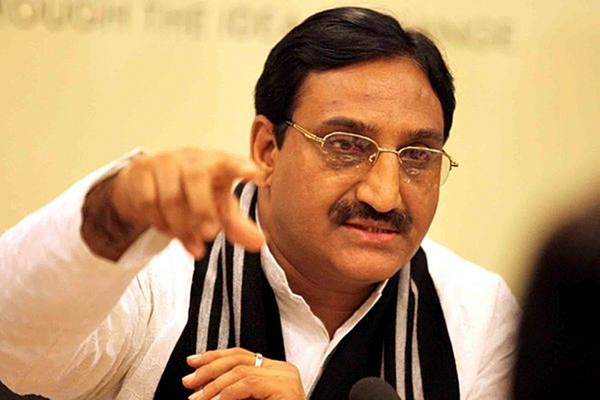
Union Human Resource Development Minister Ramesh Pokhriyal Nishank has urged students of Indian Institutes of Technology to come forward and create alternatives to the Chinese apps.
Other prominent apps including file-sharing platform ShareIT, UC browser, CamScanner and shopping app Clubfactory.
HRD Minister Pokhriyal has asked the students to look at this opportunity as a challenge. He said: “It is a golden opportunity of our students they should come forward and assure the nation that we do not need these apps, we are capable, we have the talent to create our own system, they should accept this challenge.”
While announcing ban on the Chinese apps under Section 69 A of the Information Technology Act, the Ministry of Electronics and IT (MeitY) said it had received complaints from various sources, including several reports about the misuse of some mobile apps for stealing and surreptitiously transmitting users’ data in an unauthorised manner to servers outside India.
An unprecedented halt has been witnessed in the transport system across India from last three months. The Central govt has cancelled all the flights and trains to curb the spread of COVID-19. Even there was curfew on roads due the disease. The transport sector was badly affected as many job cuts were announced by the sector.
As Indian cities gradually revive their public transport services halted during the lockdown, technology-enabled systems, the optimal use of existing capacities and staggered commuting can help ensure social distancing and crowd management to prevent the spread of Covid-19.
Fearing crowd infections, commuters prefer travelling in private modes like two-wheelers. Cities like Delhi, that resumed services nearly few weeks ago, observed less ridership than the allowed 20 passengers per bus, despite the limited frequencies on many routes. Although bus crowding is seen in some cities such as Mumbai, it is temporary and due to a lack of alternatives. A significant drop in public transport ridership can be expected for months after resumption, based on opinion surveys. That means measures are needed to gain the public’s confidence in mass transport modes, to avoid a significant modal shift to road traffic.
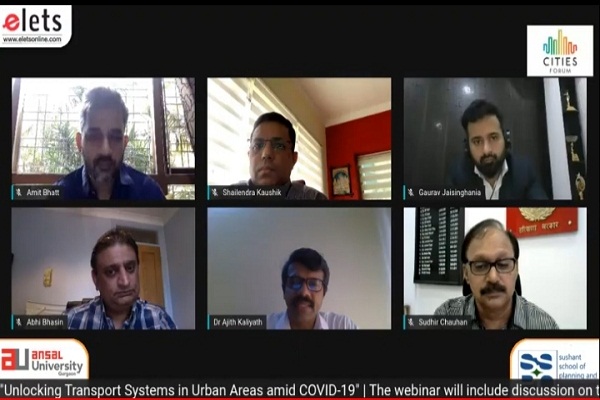
Elets Technomedia in association with Ansal University organized a webinar to discuss ways to rebuild urban areas as resilient and sustainable habitats by strengthening the transport systems. The webinar was attended by eminent speakers from the transport sector.
Speaking during the webinar, Sudhir Singh Chauhan, Chairman, ITPI Haryana Chapter and Senior Town Planner, Town & Country Planning Department, Haryana said “The COVID-19 is new for us and we are learning new things about this disease. The world has to prepare itself for the new normal. Transportation sector is one of the worst affected in the lockdown. The transportation system has to be changed a lot.”
He also said the govt needs to increase the number of vehicles’, change seat arrangements and many other things are needed to be changed.
We are thinking about making the city more resilient as health is very important. The planning needs to be changed a lot, he added.
Abhi Bhasin, Director, Sustainable Infrastructure Solutions Ltd. (SISL), UK said “We are still observing the situation as things are not yet normal. There is a reduction in accidents on roads due to less traffic during the lockdown. There is a decline in demand and supply. The frequency may vary, when things will be normal. There are many micro-economic benefits of lockdown. There will be a massive impact on pricing. “
Very soon people will travel for leisure and there will be an increase in private travel very soon, he added.
There are huge impacts on users, operators and regulators. Accessibility, crowd management, cleaning and security will be essentials for operators. Exemptions are very critical as situations are changing a lot, he added.
He also said communication has to be very strong and investment is the key for the sector to revive.
Shailendra Kaushik, Cofounder Cities Forum, Dubai, UAE said “The pandemic has united the entire world. Operators have to keep the city mobile, contain the COVID virus and support the finances for survival. The new normal is unknown for the world. The transportation market is under stress.”
He also said this is the time to invest in the transport sector as it can bring back the economy to its track.
With work from home has increased a lot, travel demands many plunge in coming days. We are moving to agility and mobility. We can reduce the cost and improve the safety and security during travels, he added.
He also emphasized on re-imagining and re-designing the city planning in coming days.
Amit Bhatt, Executive Director, Integrated Transport, WRI, India said “Transportation sector is the worst affected sector in this pandemic. There is a fear of contamination among the masses. It has led to lock down of cities and systems have come to a halt. The new normal is the life after COVID. We have to imagine life with COVID. The current situation is called the recovery phase. We have to re-imagining transport system.”
The COVID crisis is going to impact our cities. Public transport is the lifeline of cities and the govt needs to put in its efforts and investment to revive the sector, he added.
Gaurav Jaisinghania, Principal Consultant, Advisory, PwC, India said “The preferences of people have changed a lot. When things will be normal, it is estimated that around 30 pc less people will prefer to travel. The Govt has to renew the transport system in the country. The local governance has to play a vital role to create new policies for the transport system.”
He also said the air transport will take some time to recover from the pandemic.
There will be larger economic services and SOPs. The govt has to invest to upgrade programmes. There will be a holistic approach to include an informal travel system. We have to look into the larger perspective, he added.
Technology can play an important role in transportations. AI machine learning will redefine the transport system, he added.
In the wake of Corona crisis in the country, the Union Home Affairs Ministry, has issued guideline to close schools and colleges along with other educational institutions across the country until July 31, 2020. The new guidelines will be brought into effect from July 1, 2020.
The guidelines have been set based on the feedback received from various states and UT. The schools and educational institutions in the country have been shut since the first lockdown was announced in mid-March.
The government guidelines also mention that the schools, colleges, and other educational institutions must continue their academic activities in the online or distance learning mode.
As per the guidelines mentioned, the training institutions of the Central and State Governments will be allowed to function from July 15, 2020, onwards for which a Standard Operating Procedure will be issued by the Department of Personnel and Training.
Recently, the CBSE and the CISCE Board have decided to cancel the pending class 10 and 12 board examinations which were scheduled to be conducted in July. the boards have been directed to come up with new assessment schemes for evaluating the class 10 and 12 students and declaring the results. The class 10 and 12 CBSE and CISCE Results 2020 are expected to be released by Mid-July 2020.
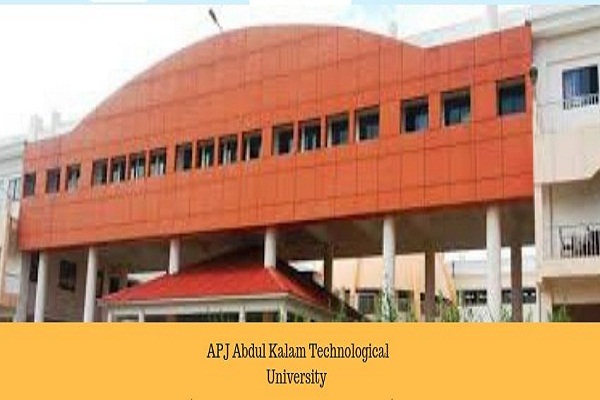
In the wake of Coronavirus epidemic, APJ Abdul Kalam Technological University (KTU) has decided to indefinitely postpone the final-year engineering examinations. The eighth-semester B.Tech regular and supplementary examinations had been scheduled to commence on July 1, 2020.
The university has been receiving numerous grievances by students, parents and student organisations, citing hardships in appearing for the examinations.
KTU Vice Chancellor Rajasree MS said the decision to defer the examinations was taken at a meeting of the syndicate standing committee on examinations convened by Pro-Vice Chancellor S. Ayoob.
The panel also referred the matter to Academic Council, chaired by Dr Rajasree, which will factor in various aspects including a recommendation made by a University Grants Commission committee to cancel final-year examinations and evaluate students’ performance on the basis of previous semesters’ examinations and internal assessment.
KTU’s announcements followed landmark decisions by the Central Board of Secondary Education (CBSE) and Council for the Indian School Certificate Examinations (CISCE) to not conduct Class 10 and Class 12 examinations.
The Supreme Court provided relief to CA students and parents. The top court has also asked the Institute of Chartered Accountants of India (ICAI) to issue fresh guidelines for the ICAI CA exam 2020.
ICAI told the SC on Friday that it would file an affidavit on the plea which has challenged its ‘opt out’ option for ICAI CA 2020 exams.
The exam of ICAI CA 2020 is scheduled to be held on scheduled between July 29 and August 16.
Recently, ICAI extended the last date to submit the opt-out choice. A virtual Bench of three-judges led by Justice A.M. Khanwilkar said, “ICAI counsel may take instructions and file the modified draft notification setting out the changes.”
The Supreme Court told ICAI, “The situation is continuously changing. Even if a candidate has not chosen opt-out option if they suddenly come under a containment zone what will you do? You should treat candidates who don’t appear as opt-out cases.”
The apex court was hearing through video-conferencing a plea which has alleged that ICAI had made an important announcement on June 15 by which it “arbitrarily decided to discriminate” Alakh Alok Srivastava on behalf of ‘India Wide Parents Association’, filed a plea stating “The ‘opt-out’ option discriminates between those underprivileged group of CA students/ aspirants.
ICAI notified that for the students who choose this option, their attempt (May 2020) will be treated as cancelled or not counted.
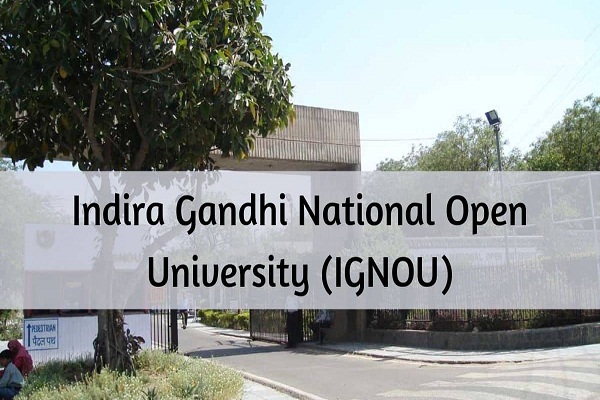
To boost online learning, the Indira Gandhi National Open University (IGNOU) has launched a podcast series with the motto ‘Freedom to Learn’. The podcasts series seeks to bring professionals from different fields together to a common platform.
It can be accessed from the official website of IGNOU — www.ignou.ac.in. Named, ‘Future of Work: Navigating a Sustainable New World, the podcast series will provide learners and stakeholders with an opportunity to hear the best of minds.
The platform is designed and developed by Prof Uma Knajilal, Director of Centre for Online Education, or COE, IGNOU. Prof Neeti Agrawal and Prof Nayantara Padhi of School of Management Studies will coordinate the podcasts series.
Prof. Nageshwar Rao, VC of IGNOU, during the launch through Facebook live, complimented the coordinators for the initiative and also commended the swiftness with which it has been rolled out with the help of COE, IGNOU.
Prof. Rao further said: “The curriculum of other schools and online counseling should also be made part of the Podcast for the benefit of the wider set of learners.”
Due to the spread of coronavirus disease (COVID-19), children are affected by physical distancing, quarantines and nationwide school closures.
Some children and young teenagers may be feeling more isolated, anxious, and bored.
The learning has to continue for children to upgrade themselves. As the new academic year has begun but still schools are shut, most of the schools have immediately started online classes or distance learning pre-recorded sessions to ensure that students are engaged.
Many schools are taking efforts in facilitating live classrooms and other such activities to ensure that learning continues without any hurdle. Teachers are also doing their best and have opted for e-learning techniques to keep the learning process going smoothly.
In India, the recent act between the Parents and the School Management for the fee payment has led to many controversies. Parents are signing petitions or approaching court to ban the fee payment. Many Parents have also maligned the school by exposing the fee structure. But before doing this Parents must be clear it is you who has chosen the school according to your budget, so now when school authorities demand a fee then why play the blame game?
In any school organization whether big or small there are many other people who are associated with it. Teachers, Ayahs, Clerical staff, Watchman, Drivers etc. They are the ones who are badly affected in this critical time as they also need to feed their families and take care of their children. Every School Management is taking utmost care in paying them their salaries and supporting them in this critical time.We, as a Preschool division conduct Summer Camps during the month of April and May, but this time it was cancelled due to lockdown. But still without income for these months we have paid our Teachers and other staff. Because at this crisis time we only have to support them, can’t leave them to suffer.
Even few Parents had paid us in advance the Summer Camp fee and to those Parents we have fully refunded the fee of the course which we didn’t conduct.
Hope other schools, if they didn’t conduct any activity then should not charge the fees for the lockdown period and also should not hike the fees for the new academic year, because many Parents are also facing job loss or pay cuts. The Parents and School Management should have a coordinated approach in this regard and the issue should be considered sympathetically.
It’s an urge to all those Parents who can afford, to come forward and to pay the fees and to save the lives of many in this distress time. Because School Management, Staff and Parents are inter-related even if one withdraws there will be a huge impact on the other.
Let’s be an example to our children and support the people who shape their future.
On Humanity grounds – Kindness costs nothing. Just a big heart and an open mind!