
Home Blog Page 787

Tata ClassEdge and CMS Partners To Improve Students’ Learning Outcomes

Tata Class edgeTATA ClassEdge, a leading provider of innovative technology based learning solutions for schools, announced a partnership with the City Montessori School (CMS) Lucknow, one of the most prestigious schools in India. An agreement has been signed for 877 classrooms of CMS, which is by far one of the largest implementation of technology in any school globally.

This partnership is aimed at improving students’ learning outcomes by enhancing the teaching learning experience through innovative use of technology. TATA ClassEdge’s proprietary instructional framework, using the multiple learning experiences model, makes use of distinct types of activities that promotes social and thinking skills in students. Additionally, the lesson planning approach and an assessment platform helps teachers; while ClassEdge Connect lets them contribute and share their own content, within and across the schools too.

Nirav Khambhati, CEO of Tata ClassEdge, said, “We take great pride in partnering with the best schools in India and it is nice to receive this vote of confidence from CMS. We learn a lot by working with progressive schools like CMS, and that helps us stay at the forefront of introducing new technologies and innovation in classrooms.”

Commenting on this partnership, Prof Geeta Gandhi Kingdon, President and COO of CMS,  said, “CMS has always striven to harness the power of educational technology, and is careful to adopt only appropriate technology. Today we are proud to have partnered with Tata ClassEdge as the availability of textbook mapped interactive media, worksheets, quizzes and labs, lesson planning and activity based learning methods in the ClassEdge content will further enhance the engagement levels of students. ClassEdge Connect, the collaborative aspect of Tata ClassEdge platform, makes use of our biggest asset, the collective wisdom of our teachers, by enabling them to share best practices and resources across our different campuses. We look forward to a long lasting association with Tata ClassEdge.”

Da Vinci Learning Launches HD Educational Channel In India

Da Vinci LearningGerman TV Channel ‘Da Vinci Learning’ has launched its children’s education HD channel under a joint venture with Raghav Bahl-promoted Quintillion Media. The educational channel is owned by Berlin-based firm Da Vinci Media GmbH.

Currently available on Hathway, the channel will expand to key DTH and cable platforms in the next few weeks.

Focussed on kids aged 6-12 years and families, the channel will offer programming that will give Indian viewers a horizontal digital multimedia educational platform spanning multiple screens and devices.

Ferdinand Habsburg, Founder & CEO, Da Vinci Media Gmbh, said, “India is an important market for us and has potential to be among our top markets. We believe the mindset of Indian parents when it comes to education is significantly different; they are much more concerned about education than parents in some of the other markets. They also spend a higher percentage of income on education. So there is a big potential to offer an education product.”

He further said that given the size and diversity of the country, the company could also consider launching in other Indian regional languages.

Clarion School To Open In Dubai In September 2016

Clarion SchoolWith demand for quality education in Dubai at an all-time high and heeding the call from Knowledge and Human Development Authority (KHDA) to invest in delivering high standards of education to support UAE Vision 2021, the Clarion School is set to open in September 2016.

Developed by Scholars International Group (SIG), in partnership with the Bank Street College of Education, Clarion School is first to affiliate with a famous US education partner in Dubai.

SIG, for the last 40 years, has been a leading education provider in the region and founder of two established schools of note in the region.

The approach to education of Clarion School is based on the progressive education model, employing constructivist, experiential, and place-based learning.

The new Clarion School will offer classes starting from pre-kindergarten to grade two in the first year, with upper classes to follow in the second year, and will be staffed with highly qualified educators, who will hold Master’s Degrees, a unique feature of the school.

In collaboration with Bank Street College of Education, Clarion School’s rigorous academic programme will offer a clear and effective pathway for students to transition into top US colleges on graduation.

Afghanistan Seeks Support From India On Skill Development

A delegation from Afghanistan led by Deputy Foreign Minister Hekmat Khalil Karzai met Rajiv Pratap Rudy, Indian Union Minister for Skill Development and Entrepreneurship, to explore possible collaborations between the two countries to strengthen the skill ecosystem of Afghanistan.

Highlighting a major concern of unskilled workforce and the migration of trained individuals from other countries to Afghanistan, the Deputy Foreign Minister informed that Afghanistan is undertaking significant reforms to structure its labour markets and develop a skilled workforce for its economic development. In this regard, the delegation sought support from the Ministry of Skill Development and Entrepreneurship to undertake a skill gap study of the workforce in its county to identify the potential sectors where skill development courses could be initiated.

Sharing his keen interest in providing full cooperation to Afghanistan, Rudy informed the delegation about the National Skills Qualification Framework (NSQF) that provides the approach to skill development trainings in the country. He invited the delegation to nominate students from its country who could come and undertake 1-year skill development courses in India.

Expressing the need to build enterprises in both the countries, Rudy further offered Afghanistan with a platform where students could be enrolled in entrepreneurship development courses through the International Technical and Economic Cooperation Programme of the National Institute for Entrepreneurship and Small Business Development (NIESBUD).

The Indian Minister proposed the delegation to visit some of the premium skill development institutes of India to have a holistic understanding of the approach for training adopted in the country.

Making Learning Adaptive and Flexible

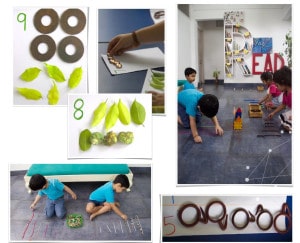
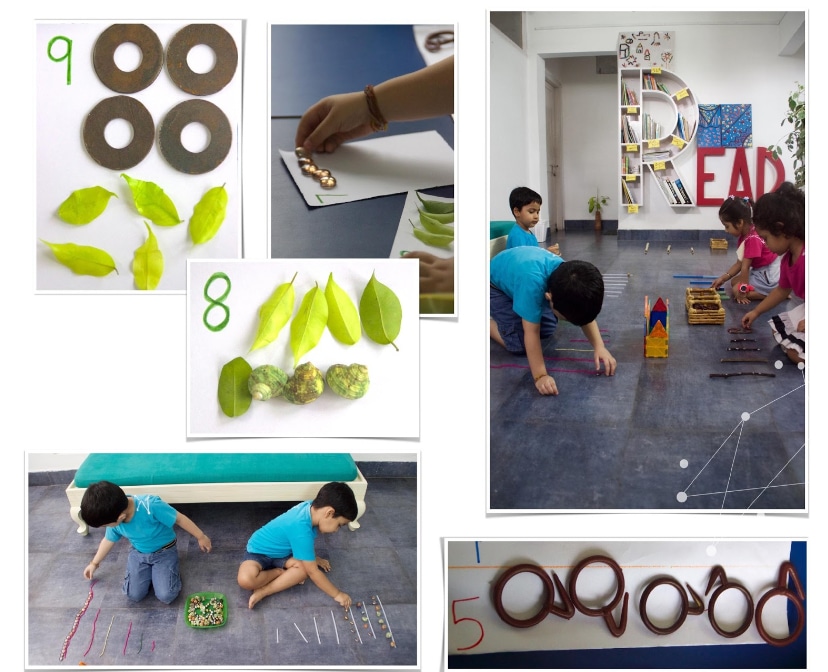
The Artelier13 year olds find chameleons fascinating, at age 4 the shadows seem to dance and children aged 5 talk about everything from space to electricity.

We conceptualised ‘The Atelier’ with a vision of keeping the innate sense of curiosity and wonder alive, through the childhood years. Children express themselves in countless different languages and our aim is to encourage them to do so. We have an adaptive and flexible approach to learning which revolves around ideas, interests and choices made by children. Our endeavour is to introduce a learning process that excites and stimulates children.

We realised very early on in our journey that to stay true to our vision, children would need to take centre stage and educators would need to step back, listen to, watch and observe them.

Our curriculum gradually started to emerge from the children’s interests, questions and enthusiasm levels. While we have developed a framework for foundational learning with reference to Howard Gardner’s Theory of Multiple Intelligences, we follow an emergent  curriculum programme which is largely inspired by The Reggio Emilia Approach to early childhood education.

The children work on medium to long-term projects which start from gaining an insight to their current perspective to research and representations. These projects not only help in developing the children’s multiple intelligences but also get them to analyse, hypothesise, plan, solve problems and work together as a team. This programme, thus, gives priority to the process rather than the product. The children develop a sense of individuality and feel confident in expressing themselves without any inhibitions of being right or wrong.

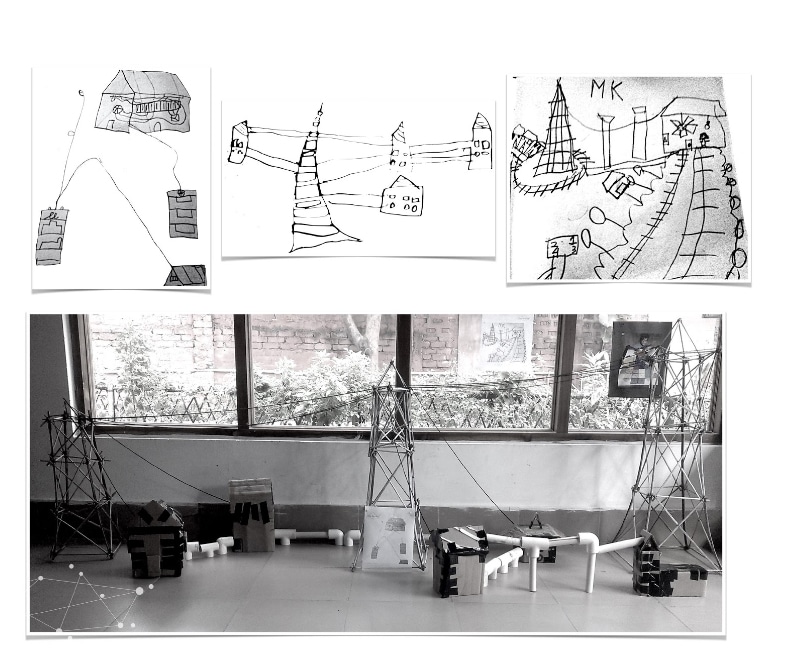
The Artelier2During a recent exploration on essentials for survival, the need for electricity came up. Our conversation slowly led to the source of electricity and we discussed about electrical towers, wires and connections.

Another priority for us is the environment that the children grow up in. We believe in an environment that is natural, respects children and provides them with the materials and endless possibilities to explore.

The use of materials that are open ended, flexible and seen everyday allow children to create their own stories and think creatively no matter what the theme or context.

An early challenge we faced at The Atelier was developing a team of educators that would be able to unlearn the instruction-based teaching methodology and learn an inquiry-based approach to education. Another challenge was getting parents on board with the philosophy and educating them to resonate a similar environment at home. Parents and teachers, both play a crucial role in a child’s development. The relationships between parents and children, teachers and children and parents and teachers are two-way relationships that involve respect for each other. We emphasise and value parents’ involvement in their child’s learning and development. We also expect parents to be actively involved in life at The Atelier. Regular group meetings and workshops ensure that children get a consistent learning environment and consistent messages from adults both at home and at school. The parents are also sent detailed documentations of the projects that the children are involved in on a periodic basis.

While running a preschool involves facing several day-to-day challenges, it is the ‘aha’ moments and the many small victories that make each day exciting and fulfilling for us.

MHRD Proposes To Make School Bags Lighter

School BackpackThe Ministry of Human Resource Development (MHRD) plans to lighten the bulky backpacks children carry to school by proposing to split their books according to specific semesters, with a slew of studies pointing out that the backbreaking bags are too heavy for the fragile bones and muscles of children.

The proposal came up at a meeting of the MHRD and could be implemented from the next academic year if approved by states.

The children between 8-15-year-old carrying school bags weighing between 5-10 kg is common in India as most schools insist they bring about a dozen books and notebooks daily, with the added load of lunchboxes and water bottles triggering back and neck strains and sometimes lifelong orthopaedic damage.

The idea is to ensure students don’t need to carry heavy bags to school that puts pressure on their young spine. The suggestion to bind specific chapters that would be taught in a particular semester is practical and can be implemented easily.

3 New Master’s Courses at JNU

JNU-Delhi-campusThe prospective candidates looking to enrol themselves for a Master’s degree at the Jawaharlal Nehru University (JNU) will now have three new programmes to choose from the next academic session. The three new MA courses are in the field of film and television, art history and theatre.

SK Sopory, Vice-Chancellor JNU, made the announcement  after the University’s Academic Council cleared the introduction of the new courses.

“The University will be offering three new MA programmes from the next academic session. The courses will be MA in Art History and Visual Studies; MA in Film, Television and New Media Studies; and MA in Theatre and Performance Studies,” Sopory said.

The Vice Chancellor said the proposal had come from the Board of Studies of the School of Arts and Aesthetics in July and the preamble as well as the courses to be taught and credit requirements for the three programmes have been worked out. JNU had recently proposed a course in Indian culture and yoga as well. There was a proposal to introduce three short-term courses in yoga, vedas and jatakas.

LSAT-India 2016 is on May 15

LSAT-IndiaThe examination date for the prestigious Law School Admission Test – India (LSAT-India™) has been announced. The reasoning-based test will be conducted on May 15, 2016 in 16 cities across India.

LSAT-India™ is one of the leading law tests for Undergraduate and Postgraduate law admissions in the country. More than 60 law colleges accept LSAT-India™ scores as one of their admissions criteria.

Dan Bernstine, president of LSAC, said, “On behalf of the Law School Admission Council, I am pleased to announce the 8th annual administration of the LSAT-India. This program has grown each year since it began, and is now firmly established as a key element of law school admission in India. It is a privilege for LSAC to provide this service in partnership with Pearson VUE.”

“Year-on-year, we are seeing more law colleges in India associating with LSAT-India™ which is a testimony of the credibility of this law exam in India. More candidates are opting for LSAT-India exam as the preferred law exam in the country,” said Divyalok Sharma, director of client development at Pearson VUE India.

Offered by the global Law School Admission Council (LSAC), USA (LSAC.org), in conjunction with Pearson VUE, The LSAT-India™ assesses the critical reading and verbal reasoning skills that are needed to succeed in law school.

Keep Children In Innovative Environment For Future Success

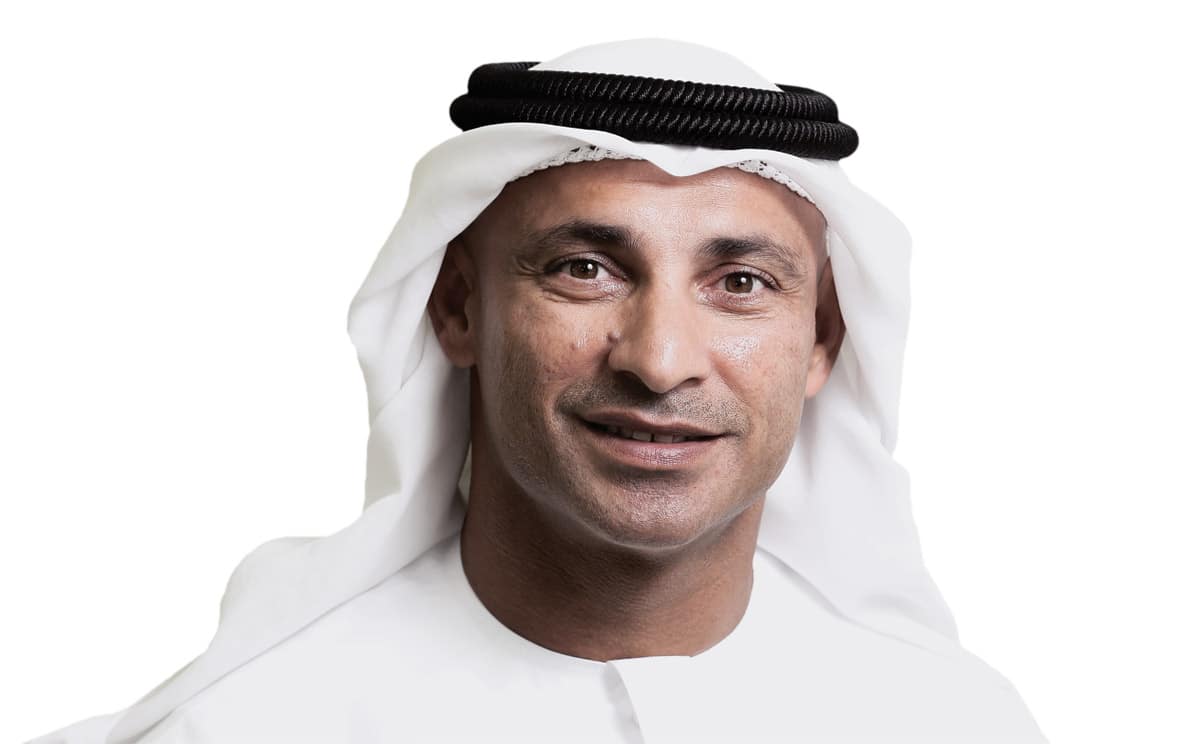
Dr Abdulla Al KaramThe preset formula for a successful life needs to be reversed, said Dr Abdulla Al Karam, Chairman of the Board of Directors and Director-General of the Knowledge and Human Development Authority (KHDA), at the second ‘What Works’ education event.

“The age-old, preset formula where you study and work to become successful, eventually leading to happiness must go. Now children need to be happy and kept in a creative, innovative environment for future success. That is one of the keys to innovation,” added Dr Karam.

‘What Works’ – the education event organised by schools for schools – saw an electrifying gathering of more than 600 teachers, school leaders, and educators from all subjects from private schools at the Emirates Aviation University in Dubai International Academic City on November 9, 2015.

The theme of the highlighted how schools in Dubai are creating advanced prototypes of unmanned machinery. The students’ demonstrated their skills in coding, embedded electronics, design, and all computer-related things.

Aldar Academies To Open Two New Schools In Abu Dhabi

Aldar Academies-schoolAs part of its expansion, Aldar Academies is to open two schools – an all-girls secondary school and an American-curriculum school – in the capital next year that will take its pupil population from 5,000 to 9,300.

The girls’ secondary will offer the English national curriculum in the primary, while the girls section will teach the international baccalaureate diploma programme for years 12 and 13.

The American school will teach co-ed kindergarten to Grade 12 and offer the Massachusetts State curriculum.

The fees in both schools will be in the medium-to-high range, starting from Dh40,000 annually, although tuition has yet to be decided.

The girls school, including the co-ed primary section, will have room for 1,800 students, while the American school can accommodate the equal number of students.

To facilitate the increased number of pupils, Aldar Academies will hire 150 more teachers and staff, taking its total number of employees to about 950. The two schools are to open in September 2016.

LATEST NEWS