
Home Blog Page 849

Lack of funds a major concern, share students at IITB open house

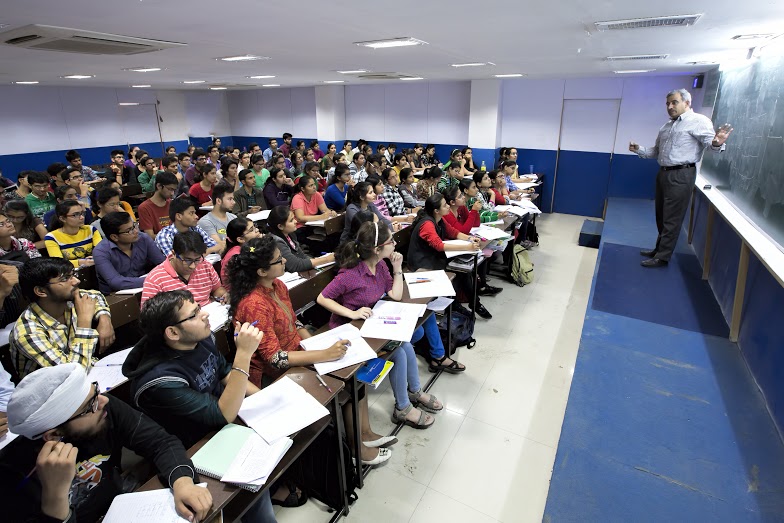
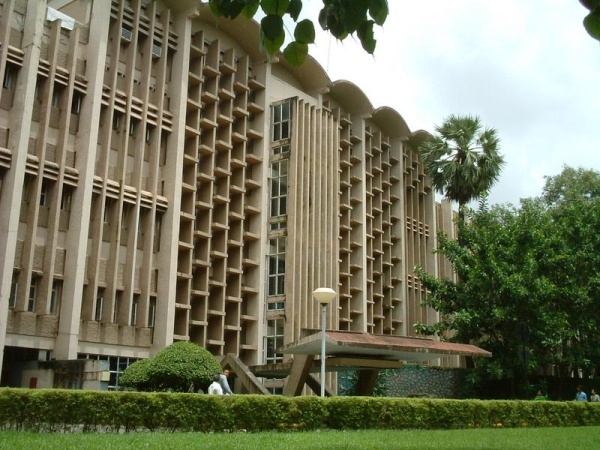
IITBThe IITs have always been a symbol of academic excellence. However, in a backdrop where the government has reduced funds for higher education to the tune of Rs 3,900 crore in its revised budget estimates for the financial year 2014-15, students of IIT-Bombay claimed at a recent open house that lack of adequate funding and high fees were some of the prime issues faced by them in postgraduation programmes.

It may be mentioned that the government has revised the figure to Rs 13,000 crore, as against Rs 16,900 crore for in the budget plan allocation and the revision will hit the eight new IITs that were scheduled to move to their permanent campuses this academic year. Also, the government has reduced the Rs 2,500 crore originally allocated to the 16 IITs for the year 2014-15, to Rs 2,337 crore, initiating a cut of Rs 163 crore.

“The reduction of 163 crore will affect the new IITs as the HRD ministry will not be able to disburse the funds for the final phase of construction of their new campuses,” a media report stated.

In the open house conducted with the Director, Professor Devang Khakhar, students of IIT- B complained of lack of funds and disparity in funding among departments and courses.  While some complained that the international travel grant of Rs 1 lakh is inadequate considering the high airfares and accommodation abroad. There was one more complaint coming from a student that the fees per semester (Rs 34,000) are the highest among the other IITs in the country. The director explained that many agencies and faculty are ready to provide the required financial support.

Khakhar also said the IIT-B will construct a new building for Energy Science and Environmental Science and Engineering. There will also be two new hostels for 2,000 students, a new guest house and a building with 150 apartments for married and post-doc students.

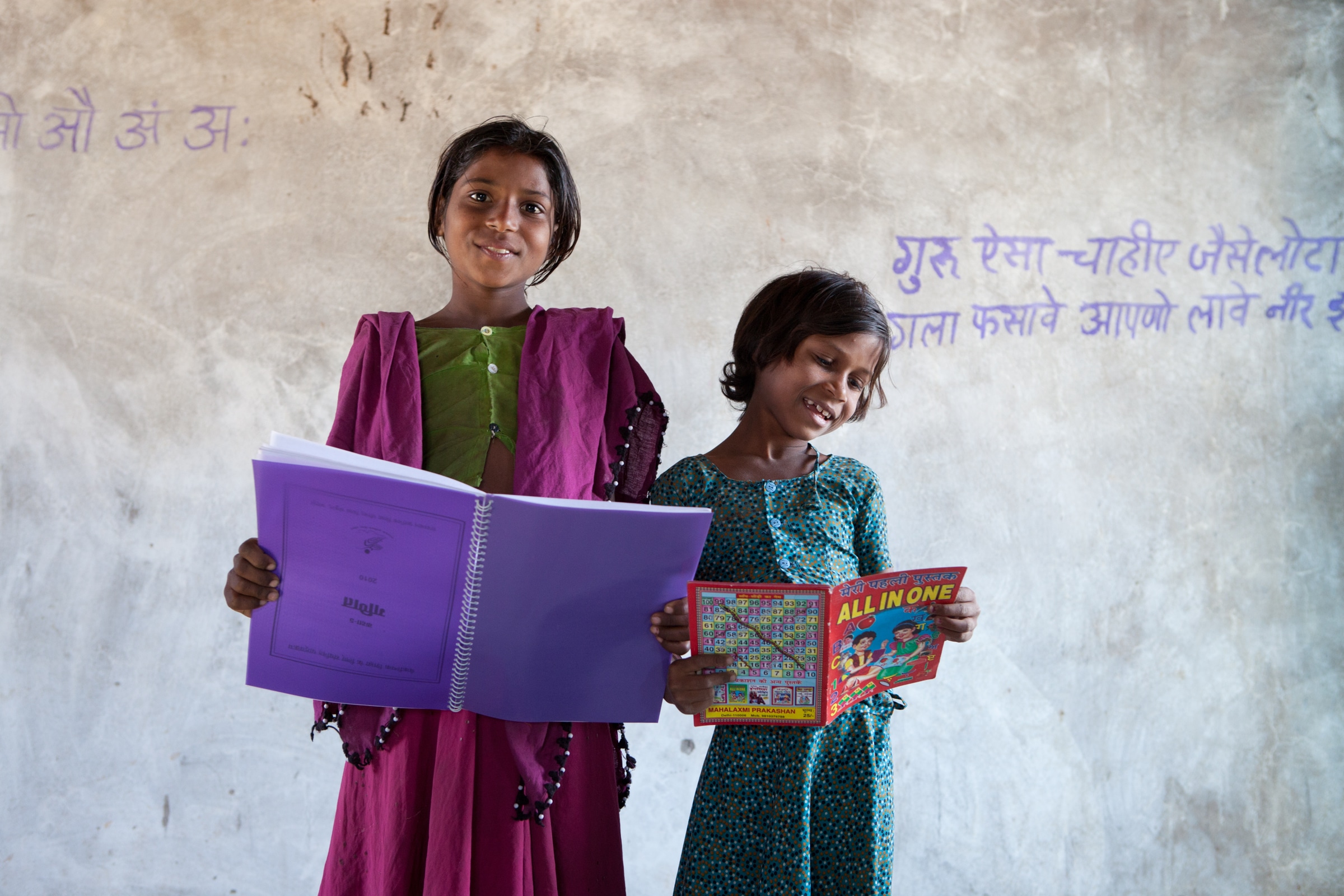
Boys campaigning for girls’ education in Rajasthan

Girls' education in RajasthanIn an initiative in Rajasthan, boys are campaigning for girls’ education in the State. Educate Girls, a project of NGO, Foundation To Educate Girls Globally, has in its spirit the aspiration to get more girls into schools. Under this, young people are trained to go into villages to find girls that are not in the classroom in a country where more than three million girls are out of school.

Some 60 percent of Educate Girls’ 4,500 volunteers are boys, Founder and Executive Director Safeena Husain told the media. “Having these boys as champions for the girls is absolutely at the core of what we’re trying to achieve,” Husain said in an interview as she was awarded the $1.25 million Skoll Award for Social Entrepreneurship, the largest prize of its kind.

This initiative becomes very relevant in a backdrop where a recent United Nations report said that India has made great strides in education, reducing the number of children not attending school by more than 90 percent and getting all children into primary schools. But despite success in enrolling girls, many drop out of schools.

Reports suggest that India is home to one of the largest illiterate populations in the world. In Rajasthan, 44 percent of females are literate, as compared to 76 percent of males. 40 percent of girls leave school before reaching fifth grade.For every 100 rural girls, only one reaches 12th grade. Out of 26 districts with the highest gender gap, 9 are in Rajasthan.

Rajasthan Pre Engineering Test scrapped by govt

Rajasthan pre engineering testThe Rajasthan pre engineering test (RPET) for admissions to engineering colleges in the State has been scrapped by the Rajasthan government. It has constituted a centralized admission committee (CAC), comprising experts from the field of technical education, to oversee the admissions for the 2015-16 session.

Technical Education Minister Kalicharan Saraf said, “Under the new system, 50 percent seats of the state’s engineering colleges will be filled through joint entrance examination (JEE) merit list. The remaining will be filed on the basis of the class XII merit list.”

He said that of the total seats, 15 percent seats would be allotted under the management quota and as many will be reserved for students from outside the State. Remaining 70 percent will be for students from the State.

The new model of admissions to private and government colleges is better than the earlier model and will save time, he added. It may be mentioned that that so far the admissions to the engineering colleges depended upon the RPET and RPET Notification would come out this time every year.

Scheme for minorities to study in foreign varsities underway

foreign varsityTelegana government has said that a scheme which would enable students from minority communities to study in foreign varsities would be formalised by the end of the month.

The scheme, based on the Ambedkar Overseas Vidya Nidhi (AOVN) meant for students from the Scheduled Castes, seeks to provide a grant of Rs 10 lakh to applicants based on certain conditions. Chief Minister K Chandrasekhar Rao recently announced a budgetary allocation of Rs 25 crore for the scheme. Sources said that the guidelines would closely resemble those of the AOVN.

An official from the Minorities Welfare Department (MWD) told the media that the file seeking the CM’s approval has already been circulated. A cabinet note would be prepared if it is to be put up before the cabinet, the source added. Explaining the guidelines, the official said, “An income limit of Rs 2.5 lakh per annum has been fixed. The age limit is 35. The funds will be released in two installments as and when the students get admission in the university. The fee of the visa will be reimbursed to the applicant once the visa and valid receipts are shown. The student will have to submit utilisation certificates.”

Furthermore, a scheme is to be announced before the fall intake by MWD. “The scheme will help a lot of our students who want to but are unable to go abroad for post-graduate studies. We will make sure that the government order (GO) is released much before the fall intake. We are certain that the CM will look into the matter at the earliest,” said MWD special secretary Syed Omar Jaleel.

Two new varsities to be set up in Gujarat

Gujarat UniversityIn order to set-up two new universities in the State, the Gujarat government is taking to ordinance. In addition, it will bring changes in the geographical territories of Gujarat University (GU) and Sardar Patel University (SPU).

Media reports state that the government has decided to bring four ordinances shortly regarding the four universities. The government has decided to exclude Kheda, Anand, Panchmahal districts from the affiliation territory of GU.The new university in Junagadh will have jurisdiction over Junagadh, Gir-Somanth, Porbandar and Amreli districts, while the university in Godhra will have jurisdiction over Panchmahal, Dahod, Mahisagar and Chotta Udepur districts.

“At present, Vallabh Vidyanagar-based SPU can affiliate institutions in its 8-km periphery. By the ordinance, the government will amend the SPU Act and expand its jurisdiction to whole of Kheda and Anand districts. In the process, 22 institutes under GU will come under SPU,” a media report states.

It further states the state education department has been asked to start the process of appointment of vice-chancellors, registrars, academic and administrative staff for the two new universities. Allocation of land and financial resources is under way.

One in four special children out of school in Tamil Nadu

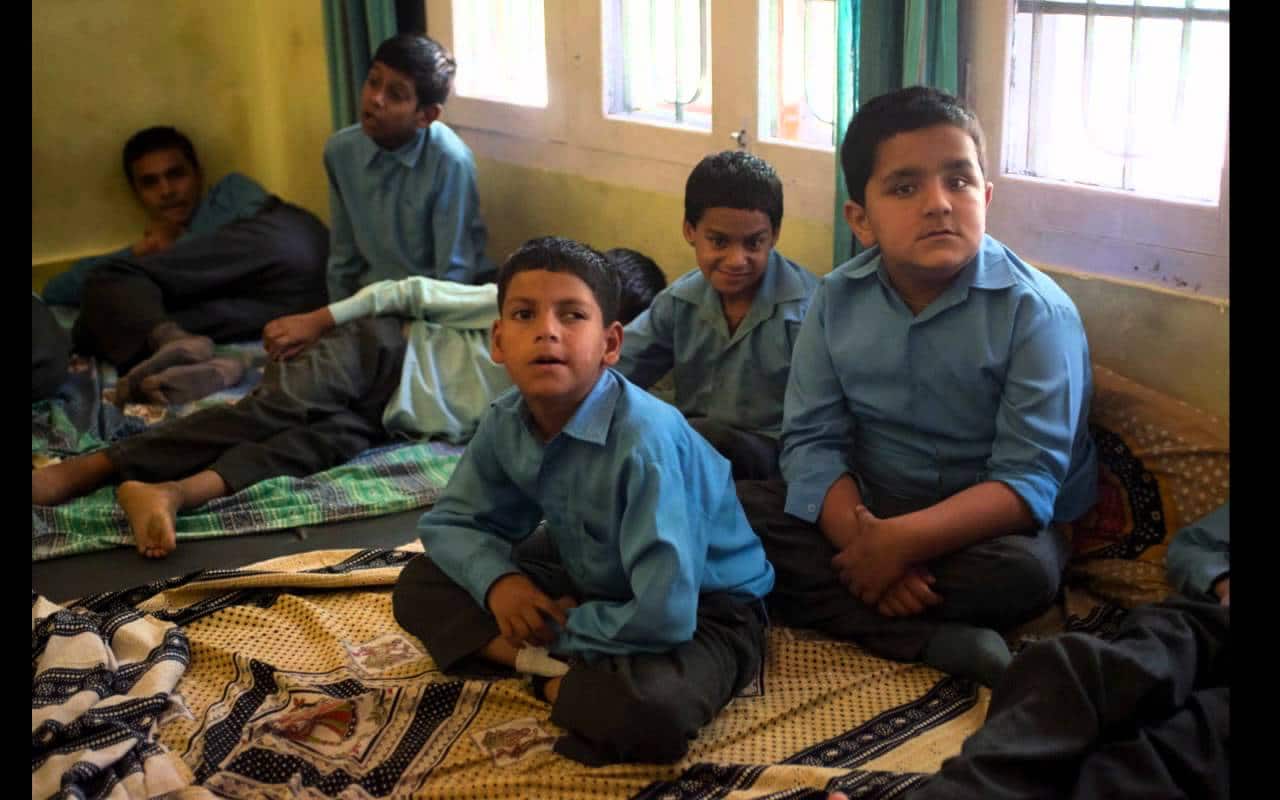
special children in schoolAlthough Tamil Nadu in today’s date tops literacy drive, and edges out Kerala, children with special needs are not in a very favourable position in the state. According to a national-level survey, one in four children with special needs is out of school in Tamil Nadu. The survey was conducted by Educational Consultants India Ltd and the Union ministry of human resource and development.

There are 87,603 children with special needs in the 6-13 age group in Tamil Nadu. And, according to the survey, 23,627 of them, or nearly 27%, are out of school. Nationally, the situation is even worse, with 28% of children with special needs not attending school.

“Many schools hesitate to admit children with special needs because they lack infrastructure,” said Meenakshi Balasubramanian, projects coordinator of Equals – Centre for Social Justice, an organization working for the rights of disabled people. Experts opine that most schools in Tamil Nadu, especially private institutions, are not accommodative when it comes to children with special needs.

The NGO surveyed 36 schools in Chennai last year to check their willingness to accommodate children with special needs. It found that only around 20% schools were open to admitting such children. “Around 90% of the schools lacked basic facilities like ramps and toilets for such children. All these are a part of an inclusive environment for a special child,” said Balasubramanian. In many instances, family members were seen accompanying such children to schools, staying with them throughout. “This is considered loss of a source of income for the family,” she said.

RTE Quota to be applicable from standard 1

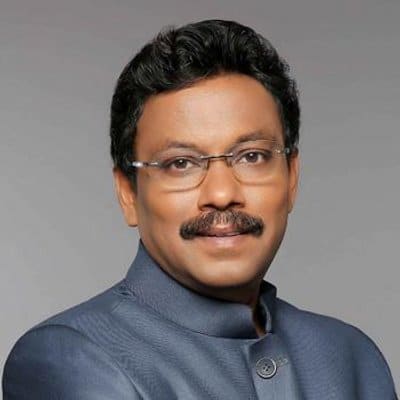
vinod tawdeMaharashtra State Education Minister, Vinod Tawde recently held a meeting with educational officers and clarified that the RTE quota for admission would be applicable only for children between ages 6 and 14, i.e. it should be for standard 1 and above.

In the earlier announcement by the State education department it was mentioned that 25% quota admission under RTE would be from nursery onwards. Until now, the RTE admission quota was given for pre-primary sections.

In a meeting recently held with the State education department Tawde said, “We want to make it clear that we can control the hike only in primary schools, and not pre primary sections. Since the RTE is applicable from standard 1 and the State can intervene only in primary sections, therefore the 25% quota should be reserved for standard 1 and above.”

He has also mentioned that the previous government has appointed the committee for deciding the fee structure for pre-primary sections and that the present government has received the report from the committee to take action on it.

The State education department will soon bring a circular on the same.

FreCher ensures revamp in teaching structure

SKOL (1)SKOL System has developed a 360 degree support system ‘FreCher’ for the coaching institutes that ensure freedom from developing study material, preparing tests on different parameters, evaluation & ranking and developing supplementary audio-video content for more interactive learning.

FreCher helps coaching institutes in building a trade network, enhance knowledge and skills of the teaching staff through regular training programs by specialized resource personnel. In addition, the customised study material helps institutes to do their own branding.

It is not only beneficial for teachers, but it also makes learning easier for students. It overcomes all kinds of examination blues, hectic preparation menaces and stress through a customized study package researched and developed by academicians of immense experience. Study material, notes, mock tests and all relevant information required by a student to take the exams with confidence and enthusiasm.

“Following the program which meets the requirement of a particular subject, a teacher can make interactive and impressive lecture, ignite the potential of the students and can make learning more interesting, easier and focused.” said Damanjeet Kour.

India Canada signs 13 MoUs to bolster Skill Development

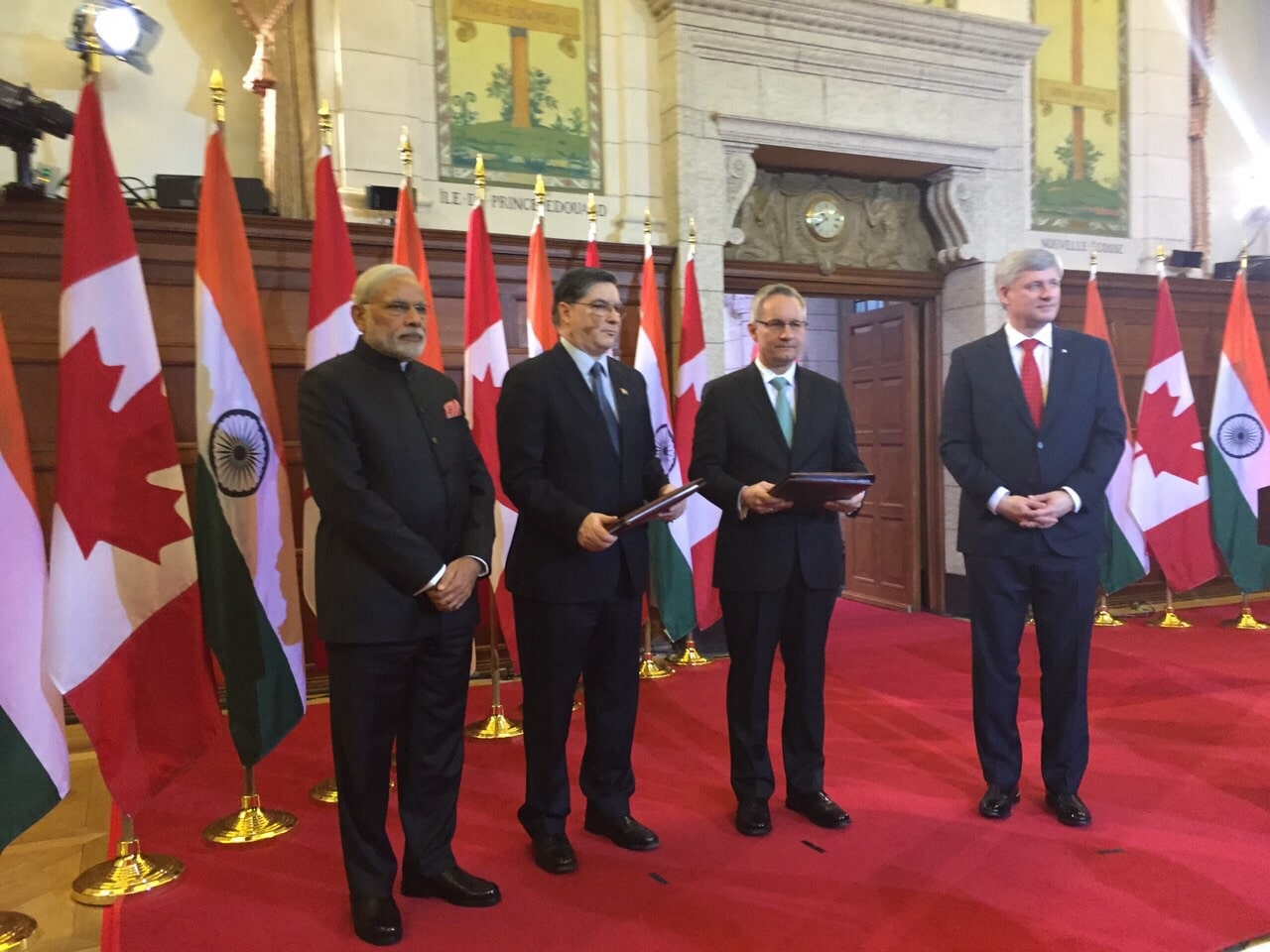
2With the objective of providing job related training for India’s rapidly growing youth population, Prime Minister Narendra Modi’s three day visit to Canada proved to be beneficial for the Indian education. Through international collaborations, National Skill Development Corporation (NSDC) signed 13 Memorandum of Understandings (MoUs) with 12 Canadian institutions, including 9 colleges.

The objectives of these MoUs are for starting Academies of Excellence for training trainers and assessors, and to create Transnational Standards with Canadian Sector Skill Councils. Each Canadian college will be paired with an Indian partner that’s focused on a specific sector, such as aviation, healthcare or agriculture.

The Indian partners will pay the colleges for their services, which could include curriculum development, education for Indian trainers and assistance with accreditation systems. The colleges will work through centres of excellence overseas that have been established by India’s National Skill Development Corporation.

Rajiv Pratap Rudy, Minister of State (I/C) for Skill Development and Entrepreneurship recently launched the Human Resource and Skill Requirement reports across 24 sectors in India which will serve as the baseline for all skill development initiatives being planned across the country. According to the findings of the research reports, the incremental human resource requirement across these 24 sectors is nearly 109.73[1] million whereby the top 10 sectors account for about 80% of requirements.

He said, “India is a human resource rich country which needs to empower its youth with training and techniques to build a more powerful workforce. It is only when our youth are trained and skilled as per international best practices and standards that we can become the ‘Skill Capital’ of the world. The transfer of knowledge between India and Canada will enhance our capabilities and help us become ready for jobs across both the countries and still maintain quality standards for industries. We are honoured to be partnering Canada on the skills agenda.”

Dilip Chenoy, MD & CEO, National Skill Development Corporation said, “This is another important milestone in our efforts to reap India’s demographic dividend. These MoUs are a part of the ongoing collaborations that we’ve been having with various developed and developing countries across the world such as Australia, Germany, Iran, U.S.A., UK, etc. adopting best practices from each. This will help us prepare a workforce that will be industry ready not only for India, but for the world.”

Improvising on quality of education and learning

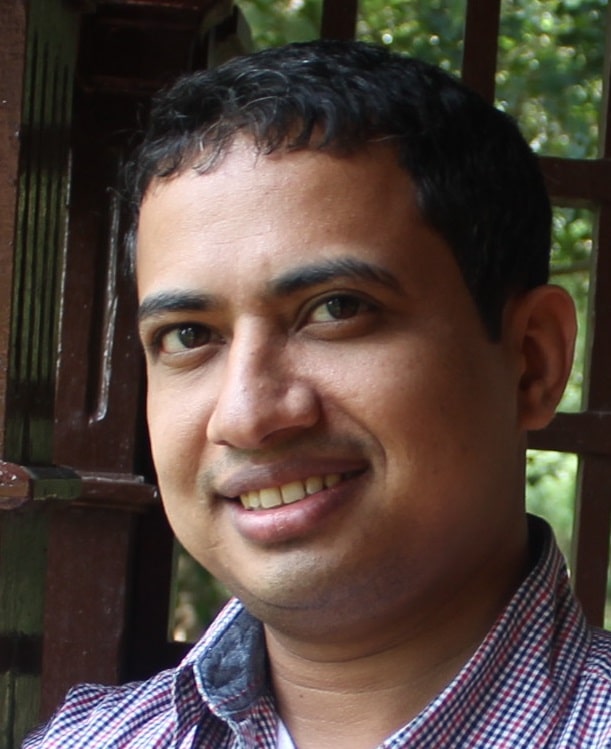
Arijit, CEO, EuktiArijit Chatterji, CEO & Co-founder, Eukti Learning Solutions explains how this endeavor can improve the learning outcome by better engagement and better quality, reduce overall cost of ownership and increase the employability and enrollment.


Give us the brief of the various reasons behind starting the venture.

Eukti Learning Solutions was founded for the purpose of increasing the access to quality of education and learning.  We believe that education, and especially higher education, should deliver higher quality, higher engagement and eventually better outcomes. Also, primarily easy access to good quality content is a must. It is important that lack of good faculty should not become a bottleneck for students to enhance their learning.

What are the various difficulties encountered in doing business on ground level?

A major challenge is adoption. Many Institutes are not geared to adopt new technology based solution and their comfort zone lies with chalk and talk, making it very difficult to help them grow beyond. Infrastructure is also a major stumbling block, where many institutes are not IT ready. There is the administrative challenge as well where some institutes do not allow digital devices in the college/campus.

What is the market size of the services offered by you in India at present?

We aspire to have 40 million users by 2018 and the market potential is over 12,000 crore.

What are the major benefits for organisations / Individuals adopting your solutions?

There are various benefits of adopting Eukti solutions. Those using it can improve the learning outcome by better engagement and better quality, reduce overall cost of ownership and increase the employability and enrollment.

What is the vision of your company for next two years?

We are looking forward to partner with over 100 institutions to drive this transformation

What are the various methods you are using to increase the visibility of your organisation?

Since this is a concept which needs to be understood by the senior management, we definitely engage in active decision with key stakeholders. In addition to this, we spend time in meeting various advisors in the education space.

How you can differentiate your services from competitors?

Our solution is unique and is customised for the institution. I am sure the level of customisation and personalisation that we offer is also a great value for our customers.

What are the ways of engaging the customers with you. Any special Case study?

We engage with our customers in various ways, which entails including them as thought leaders,pilot access for short time, acting as a complete solution provider. We are available all the time for any engagement.

What are the major stakeholders and sectors you are focusing on?

We are primarily focusing on higher education institutes. However, we have received interests from some of the international schools K-12 segment.

What are the various initiatives taken by your organisation to emerge as a market leader?

We have been busy engaging with our customers and that is the only initiative we have taken so far.

LATEST NEWS