Home Blog Page 94

Avanse Financial secures INR 1,000 crores funding from Mubadala Investment and Avendus

Avanse Financial

Avanse Financial Services Ltd. (Avanse) has announced a significant milestone, raising a primary capital of ₹1,000 crores in its latest funding round. The investment was spearheaded by Mubadala Investment Company (“Mubadala”), with participation from Avendus PE Investment Advisors Private Limited via its fund, Avendus Future Leaders Fund II.

This infusion of funds is poised to fortify Avanse’s position in the dynamic education financing sector. The company intends to leverage the capital to enhance customer experiences, drive sustained profitable growth, and fuel innovation initiatives, as outlined in a recent company statement.

Over its decade-long journey, Avanse Financial Services has played a pivotal role in fulfilling the educational aspirations of Indian students worldwide. The company’s assets under management (AUM) as of December 2023 stand at an impressive ₹12,147 crores, underscoring its significant presence in the market.

Amit Gainda, Managing Director & CEO of Avanse Financial Services, expressed enthusiasm about the growth prospects enabled by the recent capital infusion. He highlighted the company’s commitment to enhancing its brand proposition, integrating digital solutions, and expanding its product range to deliver enhanced value to stakeholders.

He further emphasised the company’s dedication to empowering students towards academic success, citing the influx of capital as instrumental in realizing this vision.

The financing deal saw Nomura Financial Advisory and Securities (India) Private Limited serving as the exclusive financial advisor to Avanse, with legal representation provided by AZB & Partners. Warburg Pincus offered legal counsel to the company, while Khaitan & Co. and Latham & Watkins LLP acted as legal counsel to Mubadala. JSA provided legal counsel to Avendus Future Leaders Fund II.

IIM Calcutta and Emeritus collaborate to launch advanced programme in strategic project management

iim cal pic

The Indian Institute of Management, Calcutta (IIM-C), in partnership with Emeritus, has unveiled an Advanced Programme in Strategic Project Management, aimed at tackling the complexities of modern projects. Tailored for mid and senior-level executives, this nine-month intensive program is designed to equip participants with the skills needed to lead strategic initiatives with a project-oriented approach.

The initiative targets individuals with both direct and indirect project experience, offering a pathway for transitioning between project management domains or preparing for more challenging roles in Strategic Project Management. It also caters to those aspiring to shift from project execution to overseeing project portfolios for business growth, aligning projects with organizational objectives, fostering innovation through sought-after techniques, and refining leadership abilities for efficient project and team management.

Featuring over 120 hours of live online sessions conducted by esteemed faculty from IIM-Calcutta, the course incorporates case studies, real-time project simulations, actionable insights from industry experts, peer-to-peer learning opportunities, and two seven-day in-campus immersions. These immersions provide participants with hands-on experiences and further reinforce theoretical learning.

A key component of the program is the Capstone project, which offers participants the chance to apply their newfound knowledge in a real-world setting. Covering macro perspectives, tactical and operational issues, as well as behavioral aspects of project management, the modules are meticulously crafted to provide a comprehensive understanding of Strategic Project Management.

This collaboration between IIM Calcutta and Emeritus signifies a commitment to delivering high-quality education and addressing the evolving needs of professionals in the project management domain. Through this advanced program, participants are poised to enhance their capabilities, drive organizational success, and navigate the complexities of modern project landscapes with confidence.

The Role of Adaptive Learning and Data in Education Transformation

dimpy

In the ever-evolving landscape of education, there has been a growing buzz about a much-needed shift—a shift from the tried-and-true methods of personalized learning toward the dynamic realm of adaptive learning. This transformative journey is being fueled by a blend of data insights from everyday school assessments and standardized benchmarks. The mandate for schools is crystal clear: allow technology to be a friend to educators, guiding students toward reaching their full potential through evidence-based practices. Beyond traditional observation methods, this approach aims to boost overall academic success, shed light on teaching and learning blind spots, and potentially reshape how we design our curriculum.

Schools, savvy to the limitations of the old ways, are now pivoting towards adaptive learning. This cutting-edge approach cleverly uses technology to tailor instruction based on each student’s journey. At its core is a blend of qualitative data drawn from keen observations and casual assessments, combined with quantitative data from various formal tests. This fusion equips educators with a treasure trove of insights into student understanding, strengths, areas that need a bit more polish, and, perhaps most importantly, their attitude toward learning and life.

We find ourselves in a time where technology isn’t the harbinger of obsolescence for teachers, but rather a collaborator in the grand symphony of education. Adaptive learning platforms, powered by a mix of qualitative and quantitative data, unveil a panoramic view of each student’s academic adventure. This wealth of evidence-based information empowers educators to make informed decisions about teaching strategies on a day-today basis, breaking free from the shackles of waiting until the end of the term. The shift to adaptive learning, coupled with data-driven insights, sparks a paradigm shift in goal-setting for students. Every learner is now encouraged to chart their unique course based on their progress, fostering a tangible sense of achievement and motivation. Moreover, the reflective learning process takes centre stage as students actively engage with their data, resulting in a profound understanding of their strengths and areas for growth – like giving them a personalized map for their academic journey.

Ensuring Progress in Overall Attainment

The marriage of adaptive learning and data-driven practices equips educators with a robust system to monitor and nurture student progress. Liberated from relying solely on observation and experience, educators can now supplement their insights with concrete data points. This broader understanding of each student’s academic journey enables targeted interventions to address specific challenges or elevate the learning experience for those who demonstrate exceptional abilities.

Amidst the transformative potential of adaptive learning and data-driven approaches, the heart and soul of education – the personalized touch and passion of educators – remain irreplaceable. Educators, akin to alchemists, possess a unique ability to support students holistically, leaving an enduring mark on the tapestry of their hearts and minds. The inspiration and motivation emanating from passionate educators transcend the narrow scope of academic growth; they permeate the very fabric of character and aspirations within students.

Views expressed by Dimpy Choudhary, Principal, Gulf Model School, Dubai, UAE

The Future of Higher Education and Career Readiness

sumesh

In a world where the dynamics of education and employment continually evolve, the necessity for innovative approaches in higher education has never been more critical. At the 28th World Education Summit in Dubai, Sumesh Nair, Co-Founder of Board Infinity, shared insights into the pioneering strategies his organisation is implementing to bridge the gap between academic learning and professional success. With a focus predominantly on India, comprising 90% of its portfolio, Board Infinity’s mission is to closely collaborate with higher education institutions across Asia to enhance student career outcomes through unique upskilling methods.

He revealed, “We aim to integrate with these institutions tightly to see how we can upskill students for better career outcomes.” This vision is the cornerstone of their efforts to prepare students for the workforce by developing specialised curriculums tailored to the demands of modern job roles.

Collaboration is key to Board Infinity’s strategy, as evidenced by their partnerships with about 25 NF 100 institutions in India and plans to extend their innovative educational model to the UAE. Creating an Intellectual Property (IP), their skill taxonomy marks a significant step forward. This framework maps out over 40 job roles, guiding the development of mini-modules and skill modules within curriculums to equip students for various professions. “We customise our approach based on the institution’s input, ensuring a tailored solution rather than a one-size-fits-all approach,” he emphasised, showcasing their flexible and adaptive educational model.

With a track record of assisting around 40,000 students across 30 cities in India and embarking on international collaborations, including with a European business school and a prestigious institution in Dubai, Board Infinity’s impact is wide-reaching and profound. Their role extends beyond traditional education, partnering with global tech platforms like Coursera for content production, thus broadening their educational influence.

Central to Board Infinity’s philosophy is creating personalised career pathways for students, aligning educational experiences with the realities of the job market. This focus addresses long-standing employment challenges and is particularly relevant in competitive job markets like the UAE. “Skills like development, data science, and business development are in high demand,” he noted, underscoring the importance of aligning educational offerings with market needs.

The comprehensive approach adopted by Board Infinity also includes deploying an enterprise-grade Learning Management System (LMS) to facilitate training and career development. This digital tool integrates seamlessly with curriculums, offering students guidance on potential career paths and relevant skill development. Moreover, their venture into digital course production, with over 100 courses for Coursera, signifies a commitment to accessible and quality online education.

Exploring the frontiers of technology, Board Infinity is also delving into generative AI with a product named VERA, envisioned as an AI-powered career coach. This innovative tool offers personalised teaching and career planning, embodying the digital-first approach essential for engaging today’s digitally native students.

He encapsulated Board Infinity’s mission “Our work revolves around customising educational pathways, enhancing career outcomes, and leveraging technology to meet the evolving needs of students and the job market.” His presentation highlighted the transformative work Board Infinity is undertaking and sparked a broader conversation on the future of education and employment.

UGC chairman announces increasing university enrollment in CUET UG for admissions

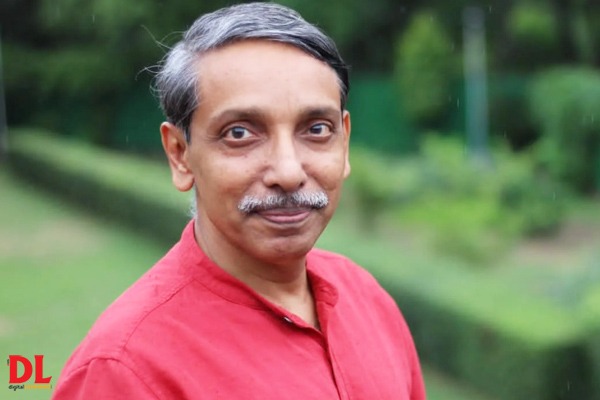
M Jagadesh Kumar

The University Grants Commission (UGC) has witnessed an uptick in higher education institutions across India adopting the Common University Entrance Test for Undergraduates (CUET UG) for their admissions process. UGC Chairman Jagadesh Mamidala Kumar recently revealed that an impressive array of universities, including 46 central universities, 32 state universities, and 20 deemed-to-be universities, have now registered to use CUET UG scores for admitting students into their undergraduate programs.

The adoption of CUET UG scores extends beyond public institutions, with 98 private universities and six government institutions also joining the fold this year. This move marks a pivotal shift towards standardising entrance procedures and making the admissions landscape more uniform across the country.

Amidst the logistical challenges of coordinating with the election schedule, the UGC has reaffirmed its commitment to conducting CUET UG from May 15 to May 31, 2024, without any changes despite the Lok Sabha elections. The decision comes after considering the potential overlap with the election dates. UGC chief Kumar initially indicates that the exam schedule could be adjusted depending on the Lok Sabha polls timeline. However, the current stance underscores the determination to maintain the academic calendar’s integrity.

In preparation for CUET UG 2024, Kumar highlighted several enhancements designed to streamline the testing experience for candidates. These improvements aim to moderate the difficulty level of the entrance exam, increase accessibility, and reduce logistical issues, ultimately fostering a more conducive environment for test-takers. “Adjustments have been implemented to improve the overall testing experience for CUET UG 2024 candidates, creating a stress-free testing environment,” Kumar stated, reflecting the UGC’s dedication to facilitating a smooth and equitable admissions process nationwide.

Banaras Hindu University introduces four-year undergraduate program starting 2024-25

bhu

Banaras Hindu University (BHU) has announced the introduction of a four-year undergraduate program from 2024-25. The program will be available in two formats: UG Honors and UG Honors with Research.

This innovative academic structure is designed to offer students a comprehensive and flexible educational experience, focusing on holistic development and preparing them for professional challenges. According to BHU officials, the UG Honors with Research option will be exclusively available to the top 10 per cent of students who achieve a CGPA of 7.5 or above, ensuring that the selection process is merit-based.

The introduction of these programs is expected to significantly impact students’ career paths, particularly those completing UG Honors with Research, as they will become eligible for PhD programs directly, bypassing the need for a postgraduate degree. The flexibility in choosing minor courses across a wide range of disciplines aims to foster a multidisciplinary approach to higher education.

In addition to the specialised courses, BHU has emphasised the importance of a well-rounded education. Thus, all undergraduate students must earn credits in multidisciplinary courses, skill enhancement, ability enhancement, value-added courses, and internships. Those enrolled in the honours with research program will also undertake a dissertation in their final semester, further enhancing their research and analytical skills.

The university has decided to retain its five-year BA LLB course offered by the Faculty of Law and certain skill enhancement professional programs at the South Campus, as specific regulatory bodies govern these and, therefore, are not subject to the changes under NEP.

In a related development, BHU’s council has approved a policy to offer hostel facilities only to students who maintain at least 70 per cent attendance in their classes. This decision underscores the university’s commitment to encouraging academic diligence and participation.

Departments across BHU are currently reviewing their course offerings to align with the new programs and implement these transformative educational opportunities effectively. This initiative marks a significant step towards realising the goals of NEP 2020, aiming to enrich the academic landscape of India and equip students with the skills and knowledge required for the global professional arena.

Technology and Creativity Transforming Classrooms Worldwide

vinay maheswari

SVIS is integrating technology into classrooms with tablets and smart boards. This integration ensures learning is easy, enjoyable, and focused on enhancing global perspectives. Meticulous planning of online classes during critical times has strengthened our bond with students, reinforcing the school’s dedication to adapting to evolving educational needs shares, Vinay Maheshwari, Executive Director – Sree Vidyanikethan Educational Trust, in an exclusive interaction with Nidhi Shail Kujur of Elets News Network (ENN).

1. How does the school differentiate itself to be recognised as one of the nation’s premier schools, emphasising excellence in teaching and learning?

The school distinguishes itself with a comprehensive approach to teaching and learning. Through diverse hobby and literary clubs, including the CV Raman Club (Science), students explore varied interests beyond the classroom. Emphasising experiential learning, field visits, and initiatives like the recently conducted Mohenjadaro experience at the school —a transformative journey delving into the profound legacy of the ancient Indus-Saraswati River Valley Civilization—the curriculum is crafted not merely to teach history but to bring it to life. Breaking away from traditional methods, the school focuses on practical insights, fostering a deeper understanding of subjects and building an innovative mindset essential for success in a rapidly changing world.

2. Could you highlight the unique facilities, including sports and recreational spaces, that contribute to a holistic educational experience at SVIS?

SVIS features a dynamic library as a research hub, inspiring students to love reading. Complementing this thought, the school introduced a unique Bus Stop Library initiative to revive reading habits in the digital era. The library offers diverse books for all ages, with plans to establish multiple Bus Stop Libraries across the community for widespread accessibility. Additionally, SVIS boasts India’s first Shakespeare Garden, providing an immersive environment for students to explore Shakespeare’s timeless works. State-of-the-art Labs like the CV Raman Club, Atal Tinkering Lab, and various hobby clubs cater to talents in music, arts, sports, and leadership. Students can engage in clubs and Leadership Forums, creating a vibrant tapestry of extracurricular activities. This emphasis on achievements underscores SVIS’s commitment to providing a well-rounded educational experience, recognising and nurturing various talents among its student community.

3. As part of Sree Vidyanikethan Educational Trust, how does SVIS align with the broader goals and values of the trust in promoting education?

As part of the Sree Vidyanikethan Educational Trust, SVIS aligns with the broader goals and values of the trust by prioritising education as a means of empowerment and societal advancement. SVIS reflects the trust’s dedication to quality education through academic excellence, character development, and holistic growth. With our well-rounded syllabus, advanced facilities, and nurturing atmosphere, SVIS embodies the trust’s vision of education that fosters critical thinking, creativity, and global citizenship. By providing a supportive and inclusive learning environment, SVIS prepares students to be responsible individuals contributing meaningfully to society, thus aligning with the broader goals of the Trust.

4. Could you elaborate on the school’s approach to enhancing students’ self-esteem and igniting curiosity and imagination?

SVIS prioritises a 360-degree educational approach, emphasising students’ self-esteem, curiosity, and imagination. Our educational framework integrates modern tools like ‘Buzzle,’ a personalised learning app, and incorporates design thinking and essential life skills outlined by the WHO for comprehensive growth. SVIS actively fosters creativity through ‘Innovation Challenges,’ expands horizons with ‘Exploratory Sessions,’ and encourages imaginative projects at ‘Imagination Fairs,’ cultivating a forward mindset and innovation culture. SVIS guides students on a journey of self-discovery, instilling a passion for learning, creativity, and self-confidence.

5. How does technology at SVIS foster independent learning and ensure global perspectives aligned with international educational standards?

At SVIS, technology is crucial in cultivating independent learning and promoting global perspectives aligned with international educational standards. Cutting-edge facilities, including the CV Raman Club and Atal Tinkering Lab (ATL), feature advanced science, robotics, and computer science technology, emphasising hands-on learning experiences. These labs shape students’ scientific acumen and prepare them for Industry 4.0 through projects like the Automatic Theft Alarm System, Joystick Controlled Robots, and more.

Beyond laboratories, SVIS is a pioneering school in India, integrating technology into classrooms with tablets and smart boards. This integration ensures learning is easy, enjoyable, and focused on enhancing global perspectives. Meticulous planning of online classes during critical times has strengthened our bond with students, reinforcing the school’s dedication to adapting to evolving educational needs.

6. How does SVIS contribute to the holistic development of students by focusing on physical fitness and well-being?

At SVIS, we prioritise both intellectual growth and physical well-being. Our facilities, such as an Olympic-sized swimming pool, horse riding amenities, and unique sports like tent lugging exemplify our dedication to promoting a healthy lifestyle. Recognising the link between physical well-being and academic success, these activities enhance concentration, stress management, and overall student well-being. Our 14 dynamic hobby clubs, covering areas like Dance, Science, Debating, and Photography, offer a wide range of avenues for exploration and growth.

The school adopts a comprehensive approach to overall well-being, supporting physical, emotional, and mental health in a supportive environment. A team of qualified wellness professionals and physical education teachers provide guidance and support, while extracurricular activities, sports, and arts encourage talent development. Regular health check-ups, nutritional programs, and awareness sessions further contribute to students’ well-being, promising an environment conducive to personal growth and success.

7. In what ways does the multi-disciplinary curriculum at SVIS contribute to students emerging as wholesome personalities?

The multi-disciplinary curriculum at SVIS is instrumental in cultivating individuals with varied skills. This approach surpasses the conventional academic scope, nurturing critical thinking skills, adaptability, and versatility. Exposure to diverse subjects fosters a global perspective, instilling open-mindedness and cultural awareness. Emphasis on extracurricular activities and community service enriches education, promoting the development of leadership and teamwork skills. This allows for personalised learning paths, empowering students to pursue their passions.


Futuristic approach towards design education and student innovations in 2024

Usha Patel

Amidst the dynamic transformations shaping the contemporary design landscape, anticipating the future of design education calls for a crucial re-evaluation.

The convergence of industry practices and design education emerges as crucial, necessitating a new skill set transcending practical applications while promoting lifelong learning. Shaped by a framework of divergent thinking and challenging ingrained assumptions, the innovative skill set includes problem-solving, critical thinking, digital proficiency, adaptability and resilience.

Apple revolutionised the music and consumer electronics industries, Uber disrupted the conventional taxi business, Airbnb transformed the accommodation sector, and Amazon redefined retailing. These examples highlight the profound impact of divergent thinking and innovation on reshaping industries and meeting evolving needs and consumer preferences.

Design educators must integrate this skill set into curricula to devise an innovative curriculum for preparing future-ready students. Promoting innovation through joint research projects, hands-on learning, corporate training and workshops, entrepreneurship centres, real-world problem solving, and industry advisory boards ensures graduates possess the skills and mindset for success in a rapidly changing professional landscape.

While experiential learning has found a place in some design institutes, it has yet to become a mainstream component of design education on a broader scale. Prioritising a shift from traditional rote memorisation to a learning-by-doing approach, especially in a hands-on, project-based format, is a critical step for future-ready design education.

Navigating these changes positions academic design institutions for growth and success, ensuring they remain at the forefront of educational evolution in the dynamic professional landscape.

Views Expressed By Professor Usha Patel, Director, Indian Institute of Art & Design

Maharashtra schools implement grading system to uplift educational standards

Maharashtra schools (1)

Maharashtra has introduced a school grading system grading. Mirroring the system in higher education, schools will now be evaluated and assigned grades ranging from A+ to C, reflecting the quality of education they provide. Under the School Quality Assurance & Accreditation Framework (SQAAF), this initiative aims to increase transparency, hold schools accountable, and empower parents with informed choices.

Schools will be assessed on various parameters crucial for a well-rounded learning environment. These include essential infrastructure, quality of teaching methods, student safety and security measures, and inclusivity practices that promote gender equality. The State Council of Educational Research and Training (SCERT) has meticulously designed the SQAAF framework, aligning with national guidelines and the National Education Policy (NEP) 2020.

The evaluation process involves both self-assessment and external evaluation. Schools will conduct self-evaluations annually, while the newly formed State School Standard Authority (SSSA) will determine the frequency of external assessments. To ensure transparency, schools will be required to display their grades prominently.

Additionally, the SSSA will create a dedicated website where parents and the public can access comprehensive data on school evaluations.

This grading system is expected to impact Maharashtra’s education landscape positively. Schools, now aware of their strengths and weaknesses, will be motivated to improve their performance and strive for higher grades. This can lead to better teaching methodologies, improved infrastructure, and a more focused approach towards student development. Ultimately, the aim is to create a competitive environment that benefits students by providing them with a superior educational experience.

However, concerns remain about the potential pressure on schools to prioritise grades over holistic learning. Experts emphasise the importance of using the system as a tool for improvement rather than a rigid measure of success. With careful implementation and a focus on long-term educational goals, Maharashtra’s grading system has the potential to be a game-changer in ensuring quality education for all its students.

NCERT announces new CBSE syllabus for grades 3 and 6 under the 2023 National Curriculum Framework

ncert and cbse

The National Council of Educational Research (NCERT) is set to introduce a revamped Central Board of Secondary Education (CBSE) syllabus for Classes 3 and 6, aligned with the National Curriculum Framework for School Education (NCF-SE) 2023. This comprehensive curriculum update is scheduled to be implemented in the academic year 2024-25, marking a significant step towards modernising and enhancing the quality of school education in India.

In a detailed notification, NCERT outlined its plan to the CBSE, emphasising the need to adjust school timetables to accommodate the new syllabi. The reform aims to foster a collaborative effort among CBSE, Kendriya Vidyalaya Sangathan (KVS), Navodaya Vidyalaya Samiti (NVS), and the Department of School Education and Literacy to fulfil the objectives set by the National Education Policy (NEP) 2020.

The upcoming curriculum emphasises engaging students in grades 3 and 6 with playful and activity-based learning experiences. It encourages an environment enriched with arts, physical education, well-being, skill education, and refreshed perspectives on core subjects like language, mathematics, science, environmental education, and social sciences.

To support this transition, NCERT will provide CBSE, KVS, and NVS with a bridge syllabus program for Grade 6 and specific guidelines for Grade 3. These initiatives are designed to ease students into the new pedagogical methods and areas of study, ensuring a smooth shift to the updated curriculum. Special attention is being given to incorporating subjects such as Arts, Physical Education, Vocational Education, and exploring the world around us, with new activity books and textbooks currently in development.

This educational overhaul strongly recommends that schools actively disseminate information about the changes to all stakeholders, including school heads, teachers, parents, and the broader community. By doing so, the NCERT aims to prepare students for a more engaging and holistic learning experience and involve parents and educators in this transformative journey.

LATEST NEWS