




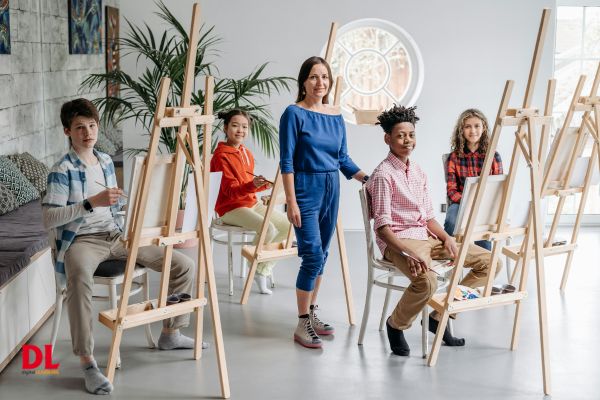
Kids spend a huge chunk of their week sitting at desks. They learn math and history. This is important. But a lot of parents notice their children need something more to really thrive. Adding tasks to a busy schedule might seem exhausting. We already have enough homework to deal with every night. Yet, signing your kids up for after-school programs gives them a chance to grow in completely different ways.
To Build Better Brains
Certain hobbies push kids to think differently. They have to solve problems on the fly. If you have a child who loves figuring out puzzles, looking into chess coaching online might be a great idea. Chess forces players to think several steps ahead, so they naturally pick up patience along the way. Because they are constantly analyzing the board, their memory improves. This mental workout pays off during school hours too. They start paying better attention in class since their brains are used to focusing for long stretches.
To Help Them Make Friends Outside of School
The playground can be a tough place to fit in. Joining a local club or sports team puts kids in a room with peers who actually share their interests. It takes away a lot of the pressure. They have to talk to each other to win a game or put on a play, which breaks the ice instantly. A shy child might struggle to speak up during a science lesson but will happily yell instructions across a soccer field. Working together builds real friendships (the kind based on mutual hobbies rather than just sitting in the same homeroom).
To Help Them Find Out What They Actually Like
Schools have to stick to a set curriculum. They rarely have time to let students dive deep into highly specific topics. After-school programs give kids a low-stakes environment to try things out, such as acting or coding. They can mess up and try again without worrying about a bad grade ruining their report card. Some kids might cycle through a few different options before finding a favorite:
- Learning a martial art
- Painting landscapes
- Building basic robots
When they finally land on an activity they love (e.g., playing the drums), their confidence spikes. They see themselves getting better week after week through sheer practice.
To Help Them Figure Out How to Manage Time
Having less free time actually teaches a valuable lesson. Kids quickly realize they cannot spend three hours watching cartoons if they have basketball practice at five. They learn to sit down and knock out their homework right away. This early practice with scheduling is incredibly helpful. It prepares them for the heavier workloads they will face later in life. They also learn that other people are relying on them to show up on time and bring the right gear. Therefore, they start taking responsibility for their own routines.
Giving your kids the chance to explore hobbies outside of school equips them with skills they will use for the rest of their lives. Seeing them light up when they master a new game or score a goal makes all the driving around completely worth it.