Home Blog Page 715

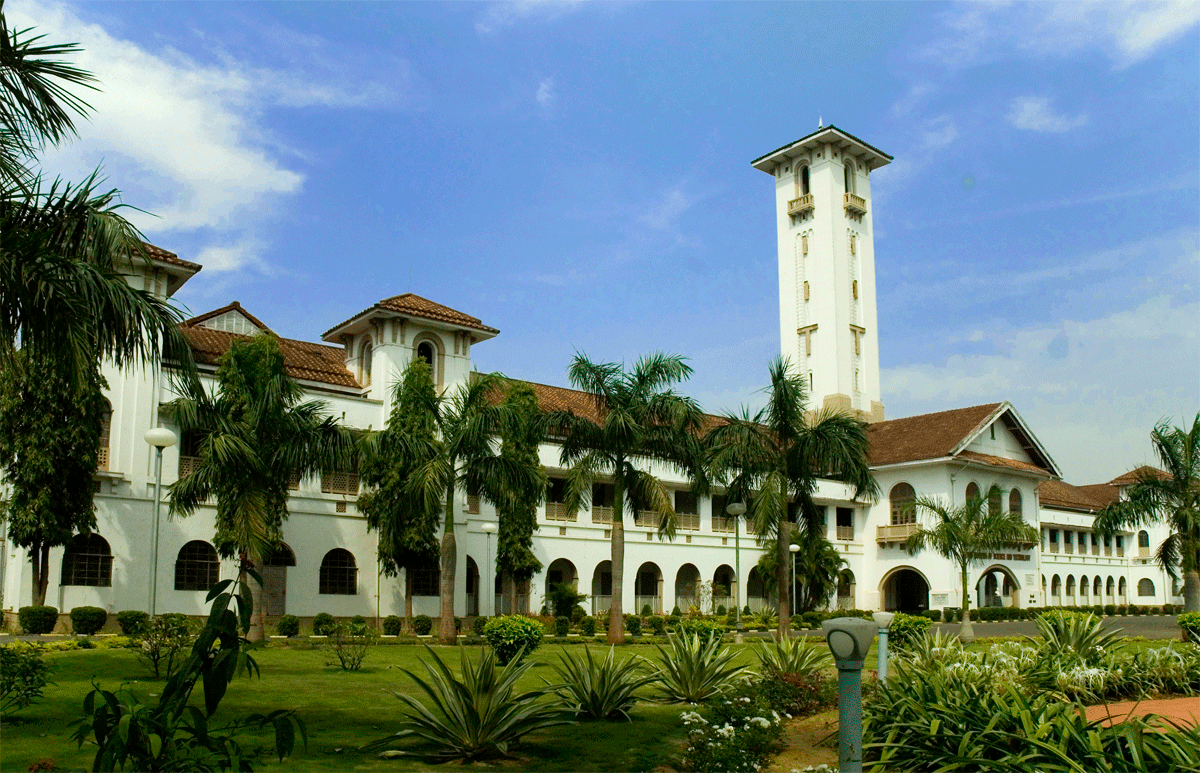
IIT Kharagpur introduces “Study Away Programme”

Indian Institute of Technology (IIT)-Kharagpur has introduced “Study Away Programme (SAP)” to enable its students to study in topmost universities and technological institutes of the world for a session. Students can avail the opportunity during their graduation/post graduation time in the institute.

According to a leading news agency, “Semester Away Programme” of IIT Kharagpur is entirely different from student exchange programmes offered by various higher educational institutes in the country, including the.

P.K. Das, Dean, Post-Graduate Programme, said, “The university, a student choose to go to for his ‘Semester Away Programme’ does not necessarily have to be the ones with whom IIT Kharagpur has Memorandum of Understanding with. Once the students choose an institute, the students will be able to go and study there, said Mr. Das. The time period of this SAP programme can be one semester or a maximum of two semesters”.

“Here a student will be able to choose an institution in India or abroad and the courses offered by them. They would choose the courses, take the approval of the faculty and apply. The university does not necessarily have to be the ones we have MoUs with,” added Das.

Only the students having no academic backlog or pending disciplinary cases will be allowed to go in this programme. IIT Kharagpur has also fixed the application criteria for SAP, according to which third year B.Tech and second year M.Tech students with Cumulative Grade Point Average (CGPA) of 7 or above will only be able to apply for SAP.

Educational innovations across the globe


Committed to drive innovations and leadership in the education space, the WES-Bahrain 2017 special issue of Digital Learning magazine acknowledges and recognises outstanding achievers from world over. Following an independent and elaborate procedure, a team of experts evaluated and identified top entrepreneurs in education sector, innovators in the areas of teaching pedgogy, superior administrative and management practices, vocational education & training and assistive technologies in education, among others.

Edupreneur Award
Amit is a suave young entrepreneur and is determinedly committed to a journey which weaves ecological sensitivity in every aspect of its business and organisation.
His first initiative was setting up of a not for- profit organisation namely “Sidhartha Educational and Welfare Society” (SEWS). SEWS

was primarily focused on elementary education and did everything to reach out to the lives of those who were deprived of any education system in the country.

Project Sharda, his another initiative acknowledges growing international commitment and consensus on women empowerment to make the communities and societies better.

Edupreneur Award
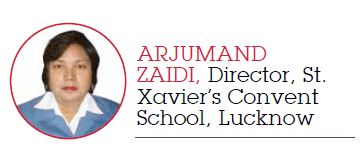
Arjumand Zaidi is a veteran social worker, a geographer, an environmentalist and an eminent educationist with a vision to empower the ecnomically weaker people of our society in terms of education, health, hygiene and make them well aware about important social issues like conservation of environment and forests, Human Rights Education Etc. She is the founding director of St Xavier’s Convent School, Gomtinagar and an NGO – Holy Vision International to serve the society.

Edupreneur Award
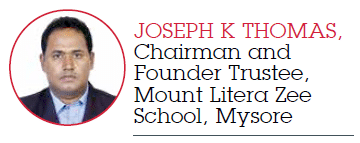
Joseph K Thomas ventured into establishing a K-12 school with the objective of providing high-quality education to students and grooming them to become responsible citizens at Mount Litera Zee School at Mysore. His vision behind establishing the school was; nurturing global citizenship in young people, enriching teaching and learning, foster team building, innovation and critical thinking.

Edupreneur Award
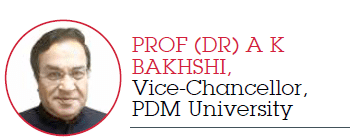
A double gold medalist of Delhi University, Dr Bakhshi has to his credit to eleven books as author/co-author and many as editor.
He has been recipient of several awards and academic honours along with “Capital Foundation National Award” for distinctive and outstanding contribution to education by former President of India Dr APJ Abdul Kalam. He has also chaired many government and public educational authorities in India.

Introducing Innovations in Teaching Pedagogy
AGU has developed platforms using latest leading softwares combining them all to call it an E-Learning Campus. E-Learning Campus involves multiple projects to ensure better learning outcomes. Some of them are:
UNIO: A cutting Edge Award winning classroom technology that makes the entire teaching learning process PAPERLESS.
DXR: It is a web-based patient’s simulation software that acts as a virtual hospital environment ecosystem.

Edupreneur Award
Dr Vimal Rarh is one of the pioneers in implementing e-learning at higher education for University of Delhi and national level. She has already been conferred with many awrds like the Special Award for the category “Digital Content in Education” at International conference cum exhibition “ World Didac 2014, award for outsatnding contribution in the field of e-learning at the “Global Education Summit” held on 21-22 october 2016. Recently she was conferred with “Delhi Ratan” state level award for her contributions in the field of education.

Best Hospitality & Hotel Management Institute in India Indian institute of Hotel Management provides varied, exciting, interesting and different career options to prospective and promising enthusiasts. Continuous and constant growth, steady diversification in the industry, presents ample opportunities for higher growth and development. The students enjoy the atmosphere of learning with the state of the art infrastructure coupled with faculties rich in knowledge and foreign visit.

Introducing Innovations in Teaching Pedagogy
Manipal University tries to leverage technology in a big way. The students and faculty are encouraged to take on-line courses like MOOCs to enhance their domain knowledge.
Education at the university is fully geared up in terms of its preparedness to impart the right type of skills and knowledge. The University has set up an Entrepreneurship Cell wherein many students and faculty learn about innovation, incubation, technology transfer, patenting and IPR.

Innovative Interventions in Pre-School Teaching & Learning
Brain Gym’s Positive Active Clear Energetic (PACE) exercises to ‘Activate the Learning’. PACE is a learning readiness sequence of exercises that prepare a child to receive learning and help their differing capabilities to better integrate with the classroom dynamics.
Parent counselling (Targeted interventions) ‘Excelerate’ Reading Programme, a systematic pre-school reading programme developed in-house comprising a set of 3 booklets act as first readers.

Impelling Innovation in Science, English and Maths Education
Nehru World School uses experiential learning pedagogy in order to achieve this vision. Through Science, Technology, Engineering and Mathematics (STEM) education children get opportunities to engage authentically with learning.
Project work helps children collaborate and work on simulations of real life problems and situations. That creates interest and relevance.
Children engage in peer learning, discussion and collaboration.

Editor’s Choice for Academic Excellence
The school advocates continuous and comprehensive evaluation with an emphasis on holistic development of learners.
CIPS commits itself to providing a stress-free learning environment that will develop competent, confident and enterprising citizens who will promote harmony and peace.
CIPS defines appropriate approaches of academic activities to accustom students about the activities of international arena.

Global Collaborative Learning Environment
Activities right from the kindergarten section are designed to develop the skills of communication, critical thinking, confidence and collaboration. Students are encouraged to participate and excel in external exams of international standards like the International Olympiads, Microsoft exam etc. Latest technology is used to bring the world into the classroom and virtual field trips, Skype sessions and online competitions and connecting classroom project by the British Council are woven into the student’s schedule. The classroom teaching – learning process is ably supported by providing outdoor visits and educational tours and camps which broaden the students’ perspective of the world outside.

Innovative Interventions in Pre- School Teaching & Learning
At GIIS, the Global Montessori Plus programme (GMP) opens up the possibilities for each individual child to learn and develop at the pace which is right for each individual child. that make a significant beneficial difference in the learning process are: Multi-faceted learning through Multiple Intelligences; ‘i-Care’ Programme focused approach to create environmental consciousness; Excelerate’ Programme – An accelerated programme for literacy; Play and learn to encourage creativity; Value-based learning inculcating universal values and ethics.

Introducing Innovations in Teaching Pedagogy
The key facets of evolution of learning eco system at Golden Bells can be definitely classified at Multiple Intelligence (MI) based curriculum and the teaching pedagogy adopted through experiential learning. Students are taught in the most adaptive and unorganized way through the implementation of the MI profiling.

Introducing Innovations in Teaching Pedagogy
At DALIMSS, digitalized education through smart books creates the ambience to impart the skills. To motivate the passive learners, a learning chain is followed that involves the hierarchy of fellow students, subject teachers, principal and the management. Interest and participation has increased manifold. That becomes quite apparent in various competition and activities.

Introducing Innovations in Teaching Pedagogy
Edify school tries to develop a positive learning environment to inculcate discipline and leadership qualities among children. The school has an excellent infrastructure and equipped with Audio- Visual — Science and computer Lab, smart classrooms in all sections and temperature controlled classrooms. The school also provides specialized career counseling to its students and through “Students Exchange Programme”, the students get International exposure as well.

Innovation in Vocational Education and Technology World’s First “Speak and Learn” feature for learners to “Talk” to the app and practice English and other skills that have moved the classroom into the hands of the potential learners. “SkillFone” is completely multilingual with world language translation and voice support (Including Arabic)
Supports more than 100 skill courses Recently incorporated augmented reality and virtual reality innovations.

Innovative School Administrative and Management Systems
Learning Wings Education System (LWES) schools were the first to create human-friendly technological school support programs. First schools to work on Linux and use open offices. Schools are managed by set standard policies, the administration is shared and is layered between various areas of work. School decisions are taken by committees having representation from all, teachers, parents and administration. Heads of the schools supported by the staff with an aim of making learning joyous and fruitful.

Use of Assistive Technologies in Education
Copyrobo is the first full-service, consumer-oriented copyright service company applicable to clients throughout the world. Works on both Android and iOS platforms, as well as the web, as the first mobile timestamp application
Integrates with many popular services for ease of use, including Facebook, Instagram and Twitter
Introduces the Ownership Signature, a customizable ownership signature that is protected by the timestamp together with the original file.


CBSE’s “Exam Locator” app to help students in locating board exam centres

Intel Study An archetype for learning and teaching

With the board exams just around the corner, the Central Board of Secondary Education (CBSE) has come up with a mobile application to help students in locating their examination centre.

The app, named “Exam Locator”, facilitates students to find exam centres on the basis of their roll numbers.

CBSE board examinations for class 10th and 12th will begin from March 9 and the app will avoid the last minute rush of students to locate their exam centres. The app will have information on about 4000 CBSE Board exam centers.

“A student can easily find the address, images and geolocation of the designated exam centre on the map and get to know how to reach there,” a senior official of the Central Board of Secondary Education (CBSE) said.

How to use app?

  • After downloading and installing the app, students can register through their mobile number. After registration, students will receive a One Time Password (OTP) for confirmation.
  • The OTP will be used for the login
  • After login, students will be required to enter their class 10 or class 12 roll numbers to access the information
  • The app will display the student’s information and the address and image of the exam centre on the screen.
  • Students can use the mobile application’s map feature to find the route from their current location

Education gains in Delhi revealed the economic survey

Over the last year, the education expenditure in Delhi has increased, revealed Economic Survey of Delhi, 2016-17. The state is at the top position in terms of expenditure on education during 2015-16.

The total expenditure (plan and non-plan) on education by state government was more than double from Rs 4,799 crore in 2011-12 to Rs 10,690 crore in 2016-17. The expenditure includes sports, art and culture.

Education sector was the “Top Priority” sector as it got 23% of share allocation in the state budget of 2016-17. The survey also revealed that the education expenditure to the Gross State Domestic Product (GSDP) of Delhi was the highest at 1.72% in 2015-16.

According to the survey, literacy rate of Delhi is around 86%, which is higher than national level of 74% as per the 2011 Census. The male literacy rate in the state was 90.9% and female literacy rate was 80.8%.

The number of schools also increased from 5,073 in 2010-11 to 5,796 in 2015-16. There are 1,222 government and government-aided schools in Delhi, which is 21% of total schools in the city and these schools account for 37.86% of total student enrolment in the state.

India to extend its research programmes to foreign students

India soon will extend its PhD Scholarship programmes on Digital Technologies in Indian Universities to 100 students from foreign countries. These Indian universities will include Indian Institutes of Technology (IITs) and Indian Institute of Science (IISc). The National Knowledge Network (NKN) of the country will connect itself with East Asia, South Asia, Middle East Asia and other regions of the world.

Ravi Shankar Prasad, Union Minister for Electronics and Information Technology has made these announcements at the inauguration of 10th International Conference on Theory and Practice of Electronic Governance (ICEGOV)-2017. ICEGOV-2017, a three day conference is collaboration between the Ministry of Electronics & Information Technology, the United Nations University, and UNESCO.

NKN will also be connected with the Portuguese Knowledge Network, FCCN. NKN is the network that connects around 1600 Indian universities and research centres on Gigabit network. The Indin knowledge network is already connected to TIEN 4 and GEANT of Europe and Internet2 of US. Such connections help the Indian researchers to work closely with their counterparts in other regions.

Prasad also launched Open Forge – Government of India’s platform for open collaborative software development of e Governance applications based on open data and open standards. At the conference,  he also unveiled the Digital India Global Roadmap, an action plan connecting the focus areas of Digital India with sustainable development goals of UNDP.

Fostering Quality education to drive excellence

Even as Bahrain marches ahead in time, the resolve to drive its growth hinges fi rmly on enhancing quality of education to achieve the best human values. As the education scenario in the Arab Kingdom is changing fast, the growth trajectory is marked by a swathe of revolutionary measures, says Rashi Aditi Ghosh of Elets News Network (ENN).

Bahrain’s economic development strategies are built around six sectors of which education and training is one. The educational system in the Kingdom of Bahrain follows nine years of basic education, which includes both the primary and intermediate stages, and three years of secondary education that is divided into various tracks.

The Kingdom has made the nine-year-long basic education compulsory for children between ages 6 and 14 years. All children must be enrolled either in the government schools or the private ones.

The Ministry of Education (MoE) attaches great importance to the development of all educational stages in sync with a carefully studied plan and programmed projects.

The following is a brief description of the various stages of education in Bahrain:

BASIC EDUCATION – Basic education is divided into two stages as follows:

Primary Stage: This stage represents the first formal school ladder in Bahrain and accommodates students of age group 6 – 11. It lasts for six years and is divided into two cycles. The first one includes the first three grades of primary education during which the class-teacher system is applied, whereby a single teacher teaches most of the subjects, except English language, design and technology, music education, and physical education.

The second cycle includes the upper three grades, which too follows the subject-teacher system, whereby each subject is taught by a teacher who has specialised in a specific discipline and obtained educational academic qualifications.

Intermediate Stage: The intermediate stage is considered to be the third cycle and the last one in basic education, which accommodates students of age group 12-14, and lasts for three years. A successful completion of the sixth grade of primary cycle or its equivalent from the literacy education system is a prerequisite to join this stage. The subject-teacher is applied in this stage, whereby each subject is taught by a teacher who has specialised in a specific discipline and obtained educational academic qualifications.

Secondary Stage: This stage is considered to be complementary to basic education and a new phase for the student for preparing him or her to enter universities and higher institutions or directly enter the labour market. It accommodates students of age group 15-17; the duration of study is three years, which is divided into six semesters (three levels).

PRIVATE EDUCATION IN BAHRAIN
The Directorate of Private education with the coordination of the other directorates at the MoE are assisting all the private educational institutes with technical support and assistance such as finding teachers to be appointed; providing free Arabic language, Islamic education, Bahrain history and geography textbooks; and assigning specialists to supervise the teachers of those subject-matters.

Types of private educational institutes in Bahrain: Nurseries: These institutions are under the supervision and control of the Ministry of Social Development. They are run by the women societies and charitable organisations, and individual institutions.

Kindergarten: There are a variety of kindergartens in Bahrain. They are run by the women societies, charitable organisations, individual institutions and others are attached to private schools as an educational level within their systems.

Private Schools: Private schools in Bahrain are of two types:
♦ National Private Schools: These institutions are established and run by Bahraini citizens. These schools have various educational levels, starting from kindergarten, primary, intermediate and secondary. They offer bilingual programs, i.e., subjects are taught in Arabic and English.
♦ Foreign Private Schools: These schools have various educational levels, starting from kindergarten, primary, intermediate and secondary. Arabic language is taught in all foreign schools that accept Arab students in addition to Islamic education for all Muslim students.
♦ Foreign Community Schools: They are established and financed by foreign communities in the State of Bahrain for the purpose of educating their children only.
♦ Educational Institutes and Centres: These institutions are different because of the variation of the programmes they offer. Some of them follow the commercial establishments and others follow individual Bahraini citizens. They offer training programs in foreign languages, computer, electronic typing, and various skills in communication, management and commerce etc.
Each private educational institute has its own customised curricula, study plans, courses and textbooks. These curriculas are submitted to the Ministry of Education (MoE) for approval.

THE FUTURE STRUCTURE OF EDUCATION IN BAHRAIN
Bahrain is moving towards implementing the new education system or the future structure of education, which is more flexible as the student can obtain one of the provided tracks at the secondary level, namely, Unified Track or Vocational Track. The students who will select the Unified Track would obtain one of the following divisions: Science, Literary and Commercial.

The students who will select the Vocational Education Track either to obtain Technical stream – divided into applied or technical vocational – or to obtain the apprenticeship programme. The new structure will give all graduates the opportunity to continue their further study or to join the labour market, specially the technical school graduate as they face difficulty if they want to obtain higher certificate.

Bahrain has one of the most developed education systems in the Gulf, and has recently made strong advances in the use of information technology in schools. King Hamad bin Khalifa Al Khalifa has introduced a new project called King Hamad Schools of Future. This project aims to connect all schools within the kingdom with the internet and introduce the idea of education everywhere.

The Bahrain education system is going under huge reform initiatives seeking to develop the education system at all levels. The focus areas of these initiatives include:

♦ Strengthening the teaching profession through improved recruitment, training and employment conditions.

♦ Improving secondary vocational education aiming to bring these programmes closer to the needs of the private sector.

♦ Establishment of the Bahrain Polytechnic which will offer industry oriented courses in alignment with the applied sciences, enabling students to obtain professional qualifications to degree level with an emphasis on the development of practical skills directly applicable to the job market.

♦ Creating an Independent Quality Assurance Authority which will be responsible for conducting inspections of schools, secondary vocational institutions and universities, higher education units, and for running school level examinations.

The MoE has also recently launched the school improvement programme which has been designed to lift the performance of all Bahrainis schools and to improve future career outcomes for students through a number of projects that would affect the whole process of the learning and teaching.

These initiatives constitute the first part of what will be a long journey of reforms. They were selected as they were aligned with the national strategic plan in order to improve the quality of learning in Bahrain’s education and forming the foundations for future reforms.

MENA Region taking modern education in its stride

In the past few decades, the Middle East and North Africa Region (MENA) has made a signifi cant improvement in the fi eld of formal education. Governments across the region have invested heavily in the education sector and over the past 25 years witnessed a rapid expansion in primary, secondary and tertiary education. Despite all the development in the education space, the region has a lot of scope to grow in terms of bridging the gap between skill development and job market, writes Rashi Aditi Ghosh to Elets News Network (ENN).

The MENA region has made great strides in the education sector, quadrupling the average level of schooling since 1960, halving illiteracy levels since 1980 and achieving almost complete gender parity in primary education.

A study by Unicef paints a very positive picture of MENA countries in terms of achieving the goal of universal primary education.

Enrollment in the region’s school systems has increased significantly over the past decade to the point where universal primary education has been achieved for girls and boys in most of the MENA countries.

Interestingly, unlike the rest of the world, there is a ‘reverse’ gender gap in the region with girls outperforming boys in Grade 4 math results, a trend that generally continues into Grade 8.

Also, MENA governments have shown strong commitment to funding public education. The average public investment in education across the region as a percentage of GDP is above 5.3 per cent.

OPPORTUNITIES AND CHALLENGES IN SCHOOL SECTOR
Studies demonstrate that the school systems in MENA offer lot of scope for improvement in terms of quality of education. The region exhibits a mismatch between the current level of school education and the per capita income.

In addition, gross profit margin in the education sector is on the higher side, varying 30-60 per cent. Pre-school and higher education categories generate gross margins of 55-60 per cent. Accordingly, operating profit margins are high in pre-school category (up to 40 per cent)

According to a 2014 report by Booz and Co., the number of private schools in the Gulf Cooperation Council (GCC) is set to double before 2020, reaching as much as 4 million schools, to accommodate the growing population in the GCC, mainly driven by the increased demand created by Saudi Arabia and the UAE.
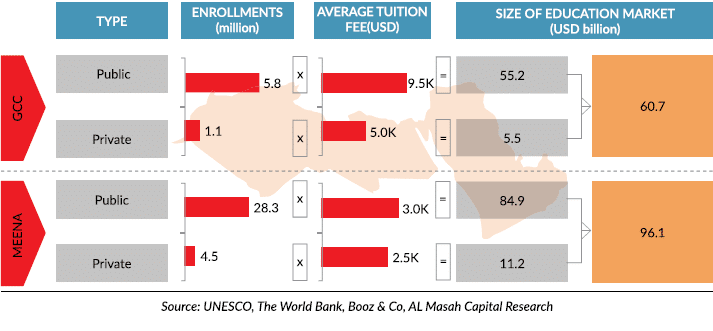
As a result of this, parents seeking higher quality education for their wards are expected to double, reaching as much as $20 billion in 2020, versus what parents spent on their children’s education in 2010.

However, one of the key challenges faced while establishing quality schools in some countries such as UAE is the high funding requirement. Typical cost of developing a school with a capacity of 1,800–2,000 students could range between GBP 47 million and GBP 60 million, provided that the land is purchased upfront. In cases where land is leased, such development cost for a quality school could range between GBP 35 million to GBP 42 million (exclusive of fi nance costs).

Education investments are typically long term investments contradicting a bank’s risk appetite which typically extends to a tenure that lasts between 5-7 years.

One of the major challenges facing operators is the ability to attract and retain quality staff to deliver on the promise of quality educational services. Operators desperate to recruit appropriately qualified staff have prompted a trend of poaching teachers and management staff from competitors.

SCOPE IN HIGHER EDUCATION

Demographic projections reveal that the region’s youth population (up to 24 years old) will surge by about 10 million between 2015 and 2030. This sudden growth in the youth population will create increased demand for educational services at all levels and will place immense pressure on existing educational institutions.

The proportion of tertiary education students is expected to rise from 11 per cent to 15 per cent over the period to 2020, according to Unicef.

The region also reflects a requirement of maintaining the balance between skill development and the job market. Various global studies have indicated the inadequacy in terms of labour force skills, both technical and soft.

According to Bayt.com Middle East Skills Gap Survey – May 2016, employers in the MENA region fi nd it challenging to hire the candidates with the required skills.

PRIVATE EDUCATION SECTOR IN MENA REGION
Education, as a social infrastructure sector, is now seen as a legitimate asset class in its own right, presenting great opportunities for private players in the MENA region. Coupled with high returns on education sector investments, an efficient private school can have around 20 per cent net profit margins.

As the number of expats, primarily educated in the Private sector is expected to grow, the demand of Private education will also see a rise simultaneously keeping the demand of local population in mind.

Enrollment in private education institutes at the primary and secondary level is predicted to grow from 1.3 million students to 1.9 million in 2020. As per a report by Alpen Capital, by 2020 6,200 additional schools will be required in the region to meet the growing demand, while an extra 163,208 teachers will be needed to teach the increasing number of students.

There is strong interest in the education market in the MENA region. This can be attributed to the factors such as long-term revenue visibility (due to the duration of a course), negative working capital (since school/course fee is paid in advance), underserved market (demand greater than supply) and government support. The education sector is recession proof, i.e., it is less sensitive to economic cycles, a major draw after the recent economic crisis.
Another opportunity for the private sector stems from the government provision of schooling that tends to be mostly in Arabic and is of low quality.

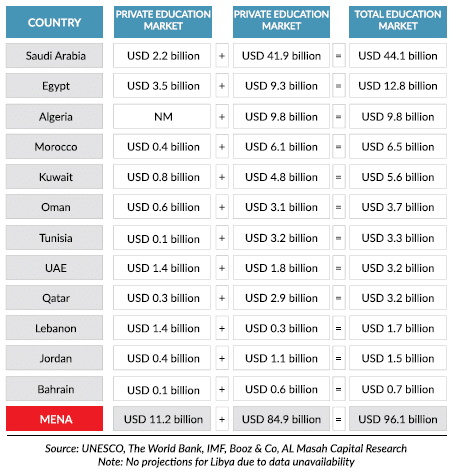
MENA EDUCATION MARKET (PRIVATE AND PUBLIC) – BY COUNTRY

Government spends in education sector – MENA region

On an average, the MENA region is expected to experience a recurring spend of $29 billion on education over the next couple of years, with Saudi Arabia being the leader as it continues to invest more money in building committed infrastructure in the Kingdom of Saudi Arabia (KSA).

The government spends on education in a substantial manner in MENA, with contribution from the private sector being miniscule.

Such public expenditure helps in attracting pupil as well as teachers intending to be employed.
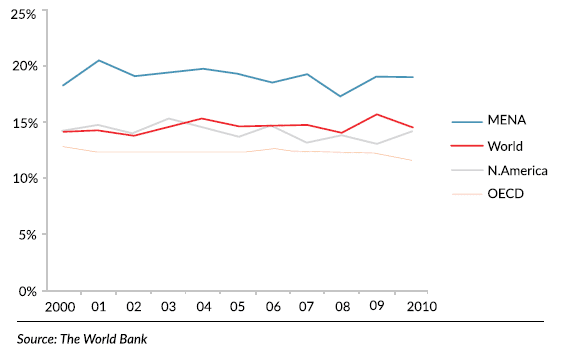
Data from the World Bank suggests that public expenditure ture on education in the MENA stands at 19 per cent compared to the world average of 14.5 per cent, North America with an average of 14.1 per cent and the Organisation for Economic Co-operation and Development (OECD) with an average of 11.6 per cent. Among MENA nations, public spending on education receives high priority, particularly in Oman, Morocco, the UAE, Tunisia and Saudi Arabia.

PUBLIC PRIVATE PARTNERSHIP IN EDUCATION SECTOR
Due to large disparities in income and population, the rationale for purchasing power parity (PPP) in the GCC and other Arab countries is also very different. For the GCC the rationale for PPP is varied; the private sector is able to deliver projects with greater alacrity than the government, there is greater operational efficiency and quality improvement for education services provided, and, as a potential adjacent benefit, there can be a diversification of local stock markets through the offering of PPP funds through local bourses.

For other Arab countries, the main drive is to bring in much-needed funding not available to those governments who suffer from a lack of resources. In both cases, governments, particularly those brought to power by the recent Arab Spring, understand that the provision of quality social infrastructure is a key demand from the populous.

However, the PPP model within MENA is still in its infancy, and there are a number of factors that contribute to the slow growth of PPP projects in the region. These include poor legal framework and enforcement, weak institutional capacity and PPP strategies, unrealistic revenue and cost estimations (indicating a paucity of proper fi nancial and economic analysis), inappropriate sharing of risks, lack of a competitive procurement process, and public resistance to perceived pay subsidy removal as government jobs are co-opted by the private sector service providers.


Fresh Vision to Help Education Sector Scale New Heights

Dr Ravi Gupta
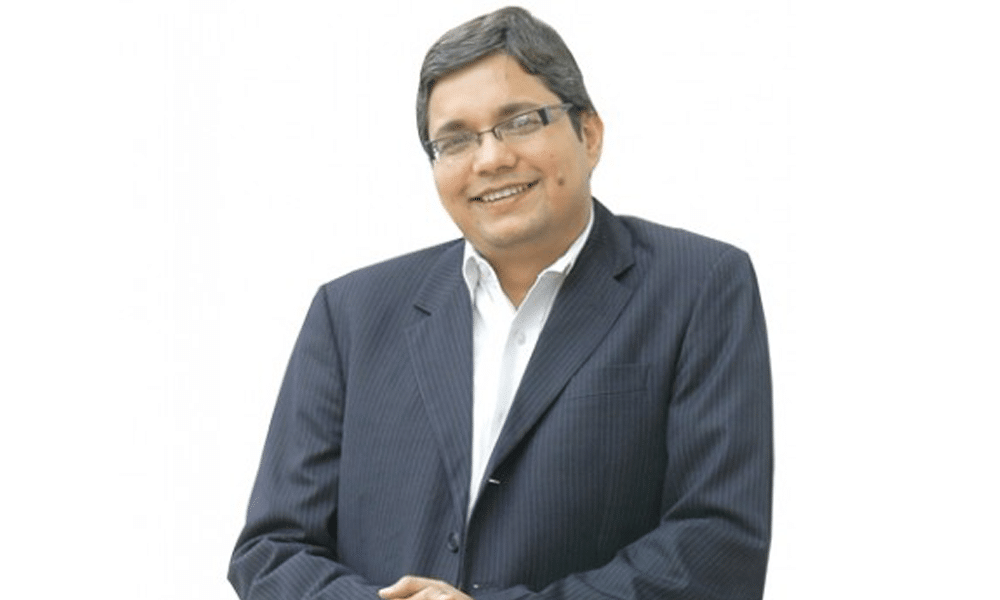
Dr Ravi Gupta, Editior-in-Chief, Digital Learning Magazine and CEO, Elets Technomedia Pvt Ltd

Education is as much about imparting knowledge as it is about the right vision and innovative approach to achieve desired results. Digital Learning Magazine’s World Education Summit (WES) 2017 Bahrain special issue recognises that the global education ecosystem is doing well to embrace the change to transform itself.

To be inaugurated by HE Dr Majid Bin Ali Al-Nuaimi, Minister of Education, Kingdom of Bahrain, on March 8, WES 2017 will bring together 46 speakers and over 200 delegates and experts from as many as 12 countries – Bahrain, Dubai, Malaysia, UK, United States, Palestine, Vietnam, Spain, Saudi Arabia, Kuwait, Oman and Bangladesh – to deliberate on crucial issues and share their unique experiences in the education space.

Organised under the patronage of Ministry of Education, Kingdom of Bahrain, the WES platform will also see participation from Senior Government officials from Abu Dhabi, Bahrain, Dubai and Malaysia, besides captains from the corporate world, serving as an interface between policy makers and the industry. An education expo will be held concurrently with the two-day mega event showcasing innovative programmes and technologies that are pivotal to transform the global education landscape.

Our Cover Story ‘MENA Region Taking Modern Education in Its Stride’ attempts to find out that how countries in the MENA region (Middle East and North Africa) have understood the significance of education and are investing exponentially in improving the entire spectrum of education ecosystem comprising schools, colleges and universities. The special interview with Dr May Al Otaibi, Chairman, Bahrain Bayan School, in this issue of Digital Learning offers useful insights into the exemplary methods practiced by the school to impart modern and holistic education in Bahrain. Having developed unique ways of teaching students, the school can be a role model for other schools across the region and the globe.

Our special feature ‘Fostering Quality Education to Drive Excellence’ explores Bahrain’s evolving education sector that combines a unique vision, revolutionary reforms and other essential elements to ensure that innovation, leadership and right human values are inculcated among the students.

Recognising the significance of innovations and entrepreneurial spirit in the education space, WES Bahrain-2017 has time and again recognised and honoured outstanding achievers. This edition too will see top entrepreneurs in education sector, innovators in the areas of teaching pedgogy, superior administrative and management practices, vocational education and training and assistive technologies in education, among others, receiving awards in various categories. A team of experts evaluated and identified the awardees after benchmarking them against the best in the world.
Looking forward to receiving our readers’ valuable feedback.

Bayan Shaping the Edifice of Bahrain’s Future

As the flag bearer of modern and holistic education in the Middle East, the Bahrain Bayan School has developed an exemplary model of teaching that can be emulated by schools across the region and the globe. Deeply rooted in cultural values, the school aims to develop citizens of tomorrow who are receptive to other cultures and at the same time, mindful of their country’s needs, says Dr May Al Otaibi, Chairperson, Bahrain Bayan School, in conversation with Dr Ravi Gupta of Elets News Network (ENN).

What prompted the opening of this school and what vision was set for it?

With the exception of government-run schools, before Bayan School was established there was only one missionary school that focused on teaching Arabic in Bahrain. It had a totally different curriculum that was based on a densely classical teaching style. My daughter found it too difficult to cope with the strict system the school had in place. It was then that a friend and I decided to open a preschool that would provide a strong foundation for children to do well in their future education. The pre-school proved to be a grand success, which motivated us to scale up and offer nursery, nursery 1, KG 1, and KG 2 classes. Soon after, we received many requests urging us to open a fully fl edged school where a new grade level would be added every year. My BA degree in Education from the American University of Beirut helped a lot in this endeavor. As a result, what began as a small initiative to ensure educational prosperity for our children has resulted in 34 years of excellent education. For the past five years, The Bahrain Bayan School has achieved Number 1 status in the country and we hope to continue this progress and achievement for years to come.

How is Bayan School different from other private schools in Bahrain?

Bayan is a non-profit school run by a board of directors and trustee. At the time it was established, there were no private schools to be found in Bahrain so the late Amir granted us, as well as another school, land and extended a loan of one million dinar to construct the campus, under the condition that it was to be run as a non-profit school. We were initially working with the Ministry of Labour and Social Affairs but in 1995 we began operating under the Ministry of Education. Currently, there are only two private schools in Bahrain that are non-profit.

How has the teaching method in the school evolved from traditional to modern over the last 34 years?

We started our operations in 1982 and since the very beginning, the medium of instruction in the school has been bilingual – English and Arabic. When we expanded our classes beyond the sixth grade, there was more of a focus on English, however now there is no first or second language. Both languages enjoy equal treatment in the curriculum. Our students are taught to be well-versed in English as well as Arabic. Initially, we worked with external schools to adopt their programmes and customize them according to our culture. Presently, we are always on the hunt for innovative programmes to further enrich our students’ lives. Five years ago, we adopted a very effective American program called Aero. We also adopt Arabic programmes from government-run schools. Our teachers regularly participate in personal development workshops and training programmes to update and increase their skills. We bring in Quality Assurance professionals to train them in a wide variety of subjects. This year, we initiated a directorate of Quality Assurance in the school. We are also working on a career development programme to assist our students in understanding the key career requirements needed in Bahrain. We have observed that most Arab students pursue careers in finance, business and to a lesser extent, medical. However, Bahrain lacks engineering professionals in sectors such as Information Technology. We have decided that we will have mentors, comprised mostly of Bayan graduates, who will provide mentoring to the students in the area of career building.

How do you manage students of varying level of abilities – weak, average and brilliant ones?

Unlike other schools, we do not segregate students into A, B or C sections. We try to improve students’ standards as per their learning speed. We emphasize this issue on our teachers with the help of our Quality Assurance team. Nowadays there is lot of focus on the holistic development of a child.

How much emphasis do you put on it?

We put a lot of emphasis on holistic development and the development of differentiated programmes . Besides drama and physical education, our students also participate in various tournaments and competitions held in schools across the country. We also participate in global-level competitions outside Bahrain. We also have programmes that teach students how to do business in Bahrain so that they’ll have a useful introduction to the workforce. Physical education is also very important to us and we organize many different activities for that.

What is the new vision you have for the school’s betterment?

I have always considered Bayan as a Bahraini community instead of a school. We teach our students how to use cultural values to deal with Bahraini society and be respectful. I feel education should integrate everything we need to teach our kids. Through our career development programme, we strive to bridge the gap in the employment sector so that we don’t have to rely on people from outside the country to do the jobs that we are capable of doing ourselves. We are also very proud of the unique relationship we have with our parents. For example, we have an insurance plan that costs less than 100 dollars a year. In the somber case of a parent has passing away, or unable to pay the fees of their ward, the bills are covered by the insurance company. We have also developed something called ‘Bayan on Call’ to ensure the safety of our students. We have appointed dieticians to take care of diabetic or obese children, and have recently employed a school doctor. We even train our parents to take care of their child’s special needs during stressful exam times. We have even set aside one day when we host the grandparents of our kids.

You put your personal passion into running the school. It is not as a business but a passion which keeps you going on. Isn’t it?

Yes exactly. We are developing the school as a base to instill values that a Bahraini citizen should have. It’s a combination of passion and motherly approach that we follow religiously. The board of Bayan School also shares the same passion. They work as volunteers without taking any money for their services, because they are invested in the school and its impact on Bahraini society.

Since young people are so exposed to Western culture, how do you educate them about Bahraini culture?

There is something special about Bayan students. They are known for their exemplary behaviour and openness to all cultures. We have set rules to ensure discipline among students and have a specially appointed Behavior Manager to look into disciplinary issues. We are not harsh on them and always go by the rules. For example, to deal with the issue of bullying we do not punish the bully, but try to strengthen the other student being bullied to help him prepare for the world outside the campus.

IISc ranked 8th among 20 best small universities

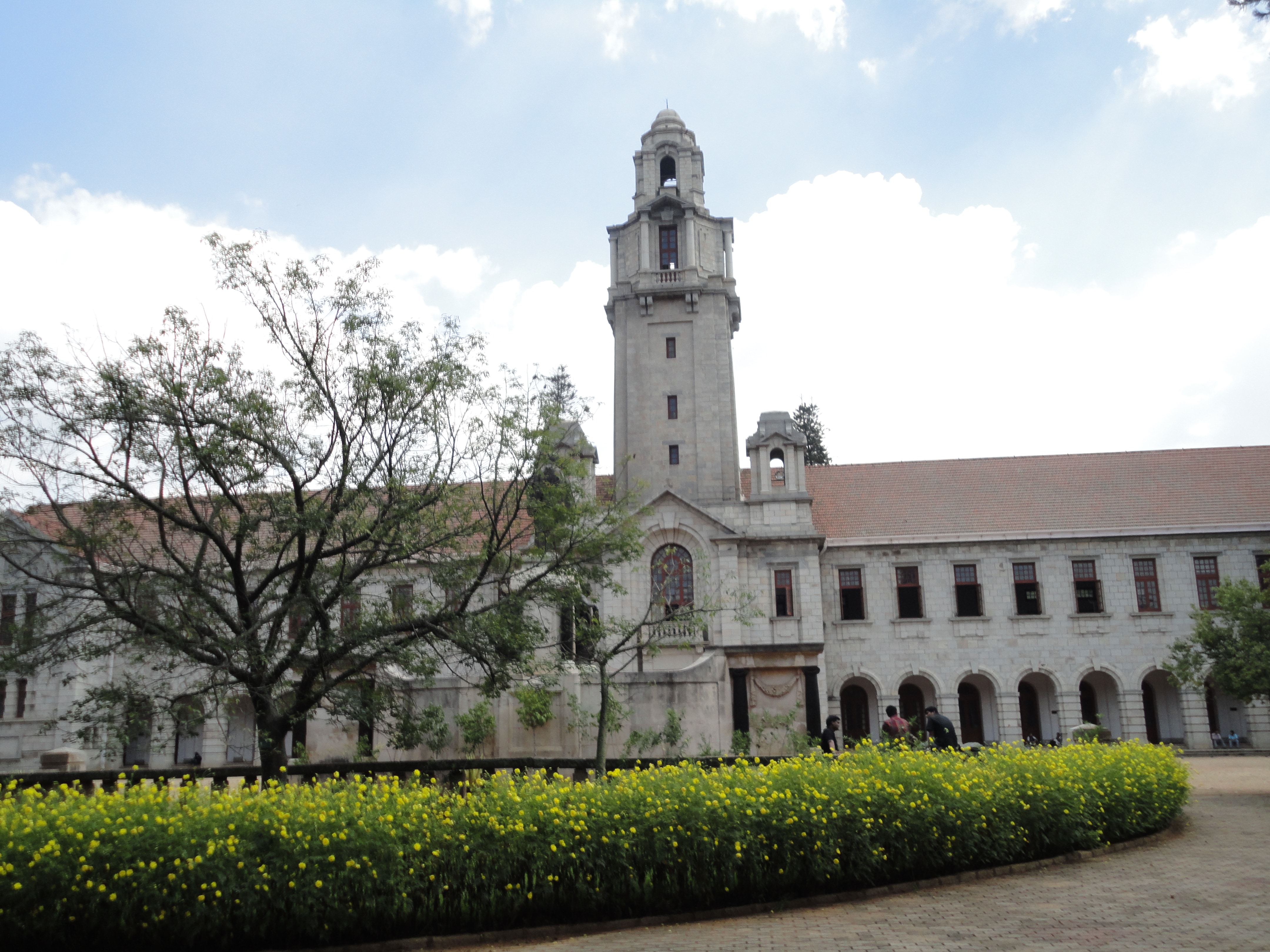
Indian Institute of Science (IISc) is featured among the World’s Top 20 Small Universities Ranking. In the second edition of Times Higher Education Ranking, India’s one of the best higher educational institutes is featured at the eighth spot.

The other two institutes in top 20 ranking are IIT-Guwahati and Savitribai Phule Pune University ranked 14th and 18th respectively in the rankings.

Small universities appeared in Times Higher Education’s World University Rankings 2016-17, must teach at least four subjects and have less than 5,000 students.

California Institute of Technology of the US is at the top spot in the rankings. In top 10 small universities, French and Italian universities have taken three places each.

The three French universities in the top 10 are École Normale Supérieure (ranked second), École  Polytechnique (fourth) and École Normale Supérieure de Lyon (seventh). The three italian universities in top 10 are Scuola Normale Superiore di Pisa (fifth), Scuola Superiore Sant’Anna (sixth) and Free University of BozenBolzano (tenth).

Other universities in top 10 ranking are South Korea’s Pohang University of Science and Technology came placed at third position and the Swedish University of Agricultural Sciences is at ninth position.

“The Best Small Universities in the World for 2017 highlights the small universities that provide high student satisfaction and good working relationships between students and their professors. Many students are drawn to smaller class sizes, higher teacher to student ratios and the community-like feel that a small university can provide,” said Seeta Bhardwa, student editor at Times Higher Education.

LATEST NEWS