



Home Blog Page 785

Removing Barriers for Learners

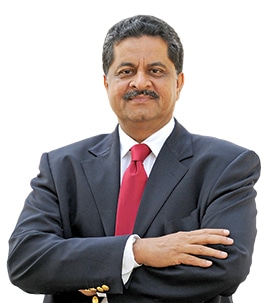
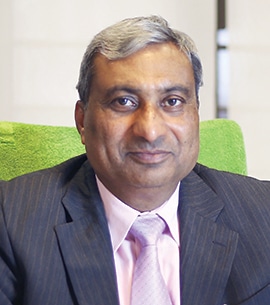
Dr Surendra Kansal, Director, ABES Engineering College, Ghaziabad

Use of technology will increase the flexibility of delivery of education to the students so that learners can access knowledge anytime, anywhere, tells Dr Surendra Kansal, Director, ABES Engineering College, Ghaziabad, to Elets News Networks (ENN)

In the light of Supreme Court ruling, what would be the impact of doing away with all forms of reservation in institutions of higher education?

According to Supreme Court, the national interest requires doing away with all forms of reservations in institutions of higher education. In the past 68 years since independence and after the adoption of our constitution in 1950, the weaker section of our society was not able to achieve much, as compared to what our leaders may have thought while adopting the reservation policy. It has been witnessed that larger section of weaker society is still struggling to get the basic education facility in rural and urban areas. In this era of globalisation, where India has to compete with the world without compromising the quality output, we have to think out-of-the-box to bring changes in the policy. Leaders in collaboration with the intellectuals have to work towards revision, where policy can innovatively facilitate the weaker section with better education and at the same time able to tap best talents to compete globally.

To reduce the adverse impacts, we can make arrangements of special classes in the institutes to help and motivate weaker students to bring them to the same level where they can work on their improvement areas to compete with the world. After so many decades, we have realised that simply by drafting and implementing a reservation policy we may not be able to uplift the weaker section in the society. It requires a timely upgrade and we all together at various levels still need to work tirelessly to take India ahead by nurturing talents fromall sections of the society. Anyhow, we should not de-motivate people with creativity, rationality and innovations on basis of class they belong to.

What are the challenges Indian higher education system is facing with regard to implementation of technology?

Today, the use of technology is touching almost every part of our lives and communities. This is the reason why use of technology has become an integral component of education as well. When properly used, technology will help students acquire the skills they need to survive in a complex, highly technological knowledgebased economy.

There are certain challenges that Indian higher education system faces with regard to implementation of technology in the institutes:

  • Lack of qualified teachers to teach ICT;
  • Lack of electricity in institutes located in the backward areas of the country;
  • Low Internet bandwidth due to the high costs involved in the connectivity;
  • Lack of initiative by the community leaders as they do not see the need to purchase and subsequent installations of computers as a priority;
  • Obsolete computers lower the morale of both the teacher and the student; it is very common to findsome schools/colleges using very old computers running on obsolete operating systems;
  • Internet pornography, cyber bullying and other antisocial behaviours is a worrying emerging problem.

With the help of technology, how Higher Education Institutions can play a pivotal role in imparting education to the public at large and serving the greater need of society?

Education in India performs certain functions for the society as a whole. It trains the individuals with the skills that are required by the economy. Hence, it is necessary to work according to the needs and demands of the society. Since the population is increasing and number of schools and colleges are limited, we cannot deprive the future of our country from getting educated. Bringing in technology will help removing certain barriers between education and the learners.

The promise of educational technology is more important in Indian context because we have a massive deficit of access to high quality education at all the levels due to a number of seemingly insurmountable challenges, ranging from geographical distribution to socio-economic condition of the learners who attend a majority of Indian schools.

Implementing technology will help in creating interactive study material to engage audience effectively. Technologies when implemented in the institutions, will help impart education to the public at large and serve greater need of the society. Students sitting at distant places can also avail the online classes, give exams, attend lectures, get access to study materials and interact with faculty as well as other students. This will not only extend the reach of education, but will also reduce the cost incurred on setting up an infrastructure for any institute.

‘Access’ to all & ‘Quality’ of education are the major fault lines in the education system in India.What role can technology play in bridging these fault lines?

Use of technology will increase the flexibility of delivery of education to the students so that learners can access knowledge anytime, anywhere. It can influence the way students are taught as now the processes are learner-driven.

The technology is changing rapidly and the growth has been exponential in the last decade. As technology is widely used in almost every sphere of life, it is influencing students’ expectations for it being used in higher education. Online learning, in particular, is publicised as a key delivery mode in higher education that will address the majority of the drivers of change

Through technological transformation, there will be a wider availability of content and best course material in education which can be shared with students easily, fostering better teaching. It will also allow the academic institutions to reach the disadvantaged groups and new international educational markets, enabling the democratisation of education. In developing countries like India, effective use of technology for the purpose of education has the potential to bridge the digital divide.

Use of technology will help in imparting higher education through various forms like multimedia, e-learning, educational apps. These forms of learning can be used on personal devices, thus, giving access of education to all.

How technological transformations and innovative learning tools can change the education landscape in India in the coming decade?

The technology is changing rapidly and the growth has been exponential in the last decade. As technology is widely used in almost every sphere of life, it is influencing students’ expectations for it being used in higher education. Online learning, in particular, is publicised as a key delivery mode in higher education that will address the majority of the drivers of change. People will now expect to be able to work, learn, and study whenever and wherever they want. The world of work will become increasingly collaborative in near future, giving rise to reflection about the way student projects are structured. This growth is expected to create opportunities for new content-publishers to enter the textbook market and accelerate the formal adoption of open educational resources to supplement premium digital content.

It is expected that in coming decade, technological transformation will change the education landscape and has become necessary in following ways:

  • It will open new opportunities that improve teaching and learning;
  • Technological literacy is essential. People without technical knowledge will suffer from a new form of the digital divide, which will impact their capacity to effectively operate and thrive in the new knowledge economy;
  • Technology is an integral part to accessing the higher-order competencies often referred to as 21st century skills, which are also necessary to be productive in today‘s society;
  • Technological transformation will open up knowledge and content that otherwise would be less accessible, through access to open educational resources. In this era of globalisation, implantation of technology will internationalise the curriculum which in turn help the students in getting admission in foreign universities, easily.

Increasing Educational Productivity

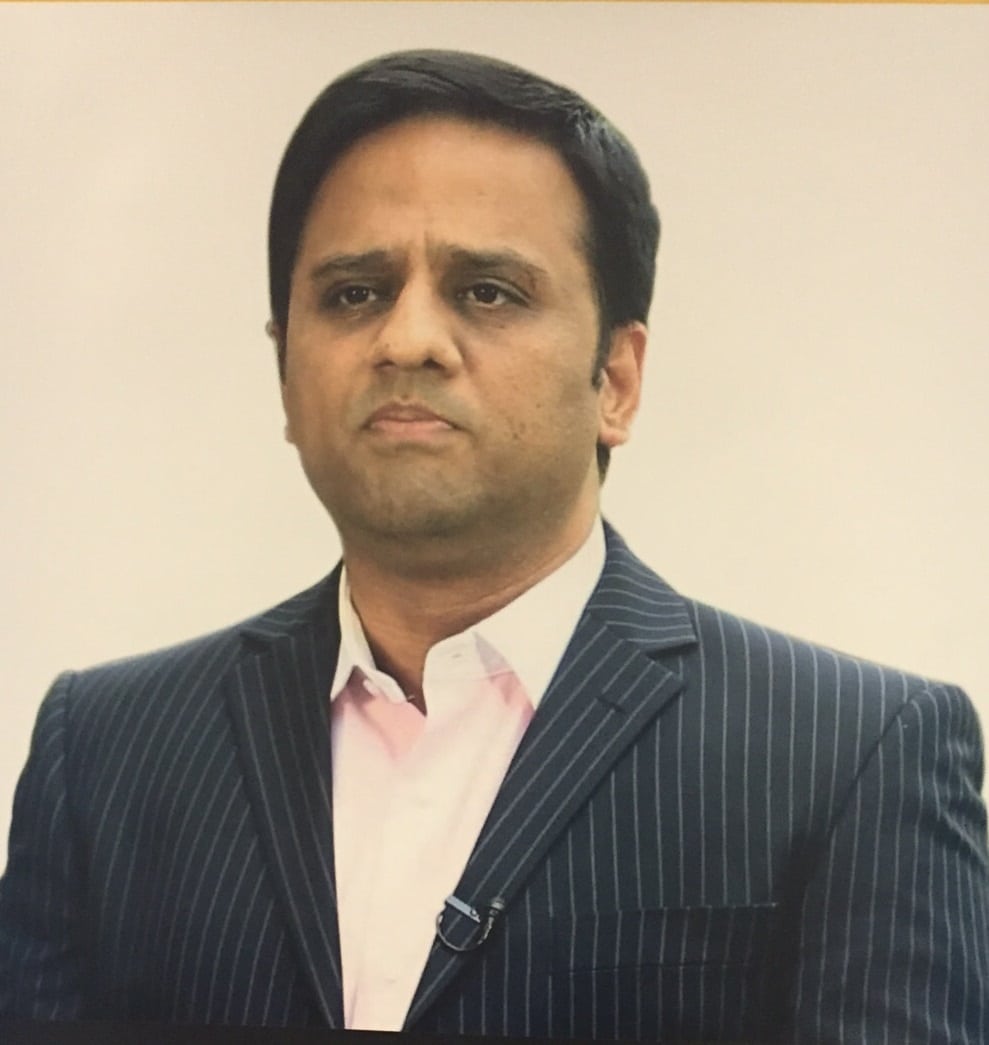
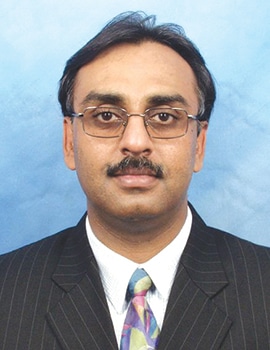
Udai Singh, Chief Strategy Officer, NIIT Ltd

A combination of digital platform-based services and physical services will serve the need of a large majority of customers who are looking for professional skills, tells Udai Singh, Chief Strategy Officer, NIIT Ltd, to Elets News Network (ENN)

e-learning is not a new concept but is still developing. In the coming years, we are likely to witness dramatic changes in the space. Education industry today is battling several challenges like accessibility of quality education, expert teaching faculty etc. Even premier institutes like IITs and IIMs are faced with shortage of faculty. Therefore, technology in education should be used constructively and appropriately so that it has maximum impact. Technology should be used to resolve the challenges posed due to limited number of expert instructors.

The need of the hour is to embrace technology in education. If best institutes showcase their technology, it sets a trend for the rest to follow. This would require evolution in terms of pedagogy and education in design. The system has to evolve from teacher-centric to learnercentric with teachers becoming a part of the environment that fosters learning.

Online education can cover a wide spectrum of courses and curriculums from vocational courses, special skills training to degree courses and higher education courses. However, in a country where diplomas and degrees have greater importance than the actual knowledge or skill gained, a lack of accreditation and acceptance of online courses is an issue. With time, I think India will move towards a blended learning model.

NIIT is a blended player in the education space. We believe in a combination of digital platform-based services and physical services at physical locations that will serve the need of a large majority of customers who are looking for professional skills.

With the help of technology, how can Higher Education Institutions play a pivotal role in imparting education to the public at large and serving the greater need of society?

We, at NIIT, believe that technology is becoming critical but pure technology delivery model can’t deliver the results. So, you need the combination of technology and people-based delivery. In India, and other developing markets, technology can be a potent force multiplier that can dramatically increase the impact of other scarce resources such as expert instructors and physical learning infrastructure.

Recently, NIIT has launched a digital learning platform NIIT.tv, an Internet TV portal that can be accessed on a computer, tablet or smartphone anytime, anywhere. In the initial phase, over 20 skill-based training programmes in IT, banking and finance, retail and management were made available, which scaled up to more than 50 ‘live’ as well as ‘on-demand’ courses.

‘Access’ to all & ‘Quality’ of education are the major fault lines in the education system in India. What role can technology play in bridging these fault lines?

The education space is evolving. Today, online learning opportunities and use of digital learning tools can help increase educational productivity by accelerating the rate of learning, reducing costs associated with instructional materials or programme delivery and better utilising teachers’ time. Technology can ensure access to quality education anytime, anywhere.

At NIIT, we have always used technology-enabled delivery models innovatively to impart quality education to our students. We launched Netvaristy. com, one of the first initiatives in terms of online learning as early as 1996. Synchronous Learning Technology used in NIIT Imperia is another such example. We have also pioneered the concept of Cloud Campus in India.

How technological transformations and innovative learning tools can change the education landscape in India in the coming decade?

Technology is enabling multimodal teaching, changing curricula and spawning rich forms of online research and collaboration. Online-collaboration tools, software that supports individually paced learning and learning-management systems are among the communication technologies most expected to improve academics over the next five years.


Bringing Students Closer to Campuses

TechnologyRaj Mruthyunjayappa, Senior Vice President and Managing Director, Talisma Corporation Pvt Ltd – a wholly owned subsidiary of Campus Management Corporation, writes to Elets News Network (ENN) on the role of technology in education, challenges campuses are facing and the solutions there of

Higher education is transforming the lives of people all over the world. The impact of globalisation and the arrival of emerging economies on the global stage is set to herald changes in the sector that have never been seen or thought of before. As the segment expands with more students, better infrastructure and technology, the unprecedented growth is also exposing fault lines that were hidden before. The fault lines, unless addressed, may offset the benefits that the sector and participants gain from the unprecedented growth.

Let me contextualise the trend. What we have seen in the last decade is expansion of participation. Thanks to improvement in technology and infrastructure, we have seen significant progress in enrolment ratios, learning efficiency and even pedagogies.

In addition, the student expectations have also changed forcing campuses to constantly rethink their approach towards engaging students. With every fresh batch, a new set of minds, schooled and prepped in diverse environments and having a new set of expectations enters campuses. This presents ready-made challenges for campuses in living up to their expectations and preparing them for a fulfilling career ahead.

Outlining the Challenges

Having closely observed the sector for over a decade and a half, I can say that the challenges that campuses face today are a far cry from the 90s. There are five key areas that we can zero-in on as far as challenges go. They are competition,delivery, compliance and governance and outcomes. Each of these presents a challenge in itself while working in tandem with others to keep higher education planners and university/ campus leadership busy. There are disruptive forces centred on these areas that add up to a superstorm that carries a significant potential to derail the progress made by campuses so far. Institutions will need to re-visit their priorities.

From smart classrooms to measured learning, from one touch student services to e-libraries from MOOCs to dynamic and on-demand learning, technology is today at the heart of everything campuses are doing to improve learning and more

As economies grow, so grows the appetite for trained, skilled and marketready workforce and campuses are ever adapting to ensure they prepare students who are relevant in the marketplace with the right skills and knowledge base.

One cannot and should not address such challenges in a piecemeal manner. Few years ago, education planners used to look at technology as a partner in addressing these challenges. Today, however, technology has donned a more significant role and is in many cases paving the way for campuses to look beyond trepidations.

Technology is the platform on which future strategies and tactics are rolled out. From smart classrooms to measured learning, from one touch student services to e-libraries from MOOCs to dynamic and on-demand learning, technology is today at the heart of everything campuses are doing to improve learning and more.

The agility that technology lends gives campuses that extra room to innovate and grow. It also helps manage disruptive forces that emerge every now and then and present a new set of challenges.

In the background, technology is also bringing students closer to their campuses while helping them successfully address competitive pressures, compliance mandates and improving governance. Automation is only one part of the story. The other parts are convenience, improved efficiencies, better accuracy, faster transactions and improved student experience.

In the future, the contexts may vary and the challenges may too but technology will continue being a force multiplier for the campuses and the higher education segment as a whole.

Reinventing Excellence in Medical Education

Thumbay Moideen, Founder President, Thumbay Group, UAE

Thumbay Moideen, Founder President, Thumbay Group, UAE has expanded the Group’s business to new areas and under his guidance, the group has established the first private teaching hospital in UAE. In an interaction with Ravi Gupta, CEO and Editor-in-Chief, Elets Technomedia, he shares about his journey in the medical education space, how medical education has evolved, best practices adopted at GMU and more

Please share your journey in the medical education space.

The journey so far has been exciting. Immediately after my graduation, I was involved in our family business. At a young age of 21, I became the Managing Director of our business. I worked hard, implemented many innovative ideas and expanded our business to new areas. I have travelled extensively to Africa, Far East to develop business partnerships. Very soon, our business turnover grew manifold and we started venturing into new areas.

The journey so far has been exciting. Immediately after my graduation, I was involved in our family business. At a young age of 21, I became the Managing Director of our business. I worked hard, implemented many innovative ideas and expanded our business to new areas. I have travelled extensively to Africa, Far East to develop business partnerships. Very soon, our business turnover grew manifold and we started venturing into new areas.

Gulf Medical University (GMU) was established as Gulf Medical College in the year 1998. Ever since the college was established, we focused all our efforts in making the institution one of the best in the region, and we succeeded. Today, students from over 74 countries pursue their career at our university in Medicine, Dentistry, Pharmacy, Physical Therapy, and Biomedical Sciences. We also offer masters programmes in Clinical Pathology, Toxicology, Human Reproductive Biology, Public Health and Physiotherapy.

Research is the main focus area at GMU, along with education and healthcare. The University has established Center for Advanced Biomedical Research & Innovation (CABRI) to pursue excellence in biomedical research that shall have an impact on the education and the outcome of clinical care and Center for Advanced Simulation in Healthcare (CASH) – a multidisciplinary educational facility that provides high-tech simulated and virtually created hospital set-up for clinical and communication skills teaching and training for students and healthcare professionals.

The Summer Training Program (STP) which is a special feature of our university, is a unique concept introduced by us to enable students to get international exposure and experience in clinical settings. Every year the University sends students to participate in STP, which helps them understand the methodologies in healthcare and research, and expose them to various nuances of medical advances, which helps in carving out their own future. Training is conducted in leading hospitals in several countries, including the US, the UK, Germany, Singapore, Malaysia, Sweden, Switzerland, India, Pakistan, Iran, Saudi Arabia, Egypt, Bahrain, Qatar and Jordan.

Later, we were the first to establish the first private teaching hospital, today known under the banner of Thumbay Network of Teaching Hospitals, in the region. Even establishing a hospital was a big challenge as we did not get enough support from the existing government hospitals and facilities. But, due to our perseverance and hard work, we are today one of the biggest healthcare providers in the country. We treat patients from 175 nationalities. We are accredited by JCI International which is an international recognition of our high quality affordable healthcare services.

How Medical Education has evolved over the last decade?

The strength of any university is its committed and dedicated faculty and staff. The faculty at GMU is constantly attending professional development activities to improve their skills at teaching and facilitating learning. For the past few years, the faculty has taken initiatives to review and revamp the curriculum as per the changing trends in medical education

Medical education has undergone major changes over the years. Especially in the last decade, medical schools increasingly have incorporated technology and expanded instruction to simulated exam rooms, clinical facilities and clinical training. There’s an increased focus on community-based care, patient safety and global health. We feel that the educational standards need to be refreshed, refined and improved as technology changes.

What have been the best practices being followed at the Gulf Medical University?

The focus of the GMU is in three core areas: Medical Education, Healthcare and Research. The University strives to develop these three core areas as spotlights of medical excellence. The strength of any university is its committed and dedicated faculty and staff. The faculty at GMU is constantly attending professional development activities to improve their skills at teaching and facilitating learning. For the past few years, the faculty has taken initiatives to review and revamp the curriculum as per the changing trends in medical education. The products of these efforts are incorporated in the curriculum that is being taught presently in the University.

GMU is the first medical institution in the region, which offers admissions to both boys and girls of all nationalities. The University has infrastructure and facilities, which is on par with some of the established medical institutions in the world. GMU aspires to attract the best of students by offering a variety of excellent programmes supported by quality administration and student support services.

Apart from academic programmes, GMU is in the forefront of Continuing Medical Education (CME) and Continuing Professional Development (CPD) programmes. The University has been organising well-acclaimed International and Regional conferences and symposia. The University also publishes a bimonthly Health magazine as part of its commitment to informative medical journalism.

What best practices have you seen during your rich and expansive journey?

One thing is that the education and healthcare are a must at any time. We grew due to our concrete plans and innovative approach. We can succeed only when our vision and the means to attain our goals are clear, strong and remain as our main focus. We have developed a very strong value system in our organisation. We have always supported integration and a sense of belonging. We concentrated on Excellence, Trust, Knowledge, Innovation and Integrity as our main pillars of the organisation.

It is easy to gain the confidence, as long as we as promoters are clear in our ideas and involve the team in decision making. Similarly, we developed great confidence in our clients by offering them the best of education and healthcare.

What can the Indian Medical Education adapt from global best practices?

In realising the dynamics of medical education, relevant authorities must initiate procedures for regular review and updating of the structure, function and quality of training programmes in India and must rectify identified deficiencies.

The process of renewal should be based on prospective studies and analysis and should lead to the revision of policies and practices of medical training programmes in accordance with past experience, present activities and future perspectives.

Making Learning an Active Process

Angad Singh Co-Founder & CEO, My Mission Admission
Angad Singh, Co-Founder & CEO, My Mission Admission

Angad Singh, Co-Founder & CEO, My Mission Admission shares with Elets News Network (ENN) about the challenges in higher education system, role of technology in imparting education, future education landscape and more

Challenges Indian Higher Education System is Facing

Despite the keenness of some institutions of higher learning to establish effective ICT education programmes, they are confronted with enormous problems that may impede the proper implementation of these programmes. Insufficient infrastructural facilities are the biggest hurdle in the digitalisation of higher education. Another significant challenge is the poor ICT penetration at rural level and lack of usage among Indian higher education practitioners.

In addition, it has been observed that the developing countries such as India are resistant to change from traditional pedagogical methods to more innovative, technology-based teaching and learning methods, by both students and academicians. One of the biggest hurdles we have seen is the high cost of private higher education in India that leaves the students with little money to invest in technology thus impacting the quality of education.

Role of Technology in Imparting Education

Globalisation and technological changes have created a new global economy powered by technology, fueled by information and driven by knowledge. ICT has been proven as a potentially powerful tool for educational change and reform. When used appropriately at institutional level, ICT can further help in improving access to education, strengthening the relevance of education to the increasingly digital workplace, and raising educational quality by making teaching and learning an active process connected to real life.

In addition, learning approaches that use contemporary ICT provide many opportunities for constructivist learning and support for resource-based, studentcentered settings by enabling learning to be related to context and to practice. With the help of technology, educational institutions can offer programmes at a distance mode. Today, many students can use this facility through technologyfacilitated learning settings and they can benefit from anytime, anywhere learning.

Bridging Educational Fault Lines

The modes of teaching in higher education have significantly changed in last the 10 years. In the present scenario, there is abundant information on any subject available on the internet. Online education has added new options of teaching, created a wide variety of new courses, and increased the enrolment in many academic institutions while bringing the cost of student acquisition very low for institutions thereby increasing their spent on technology.

New ways of teaching such as cable and satellite transmissions, audio and video conferencing, virtual classrooms and in particular MOOCs (Massive Open Online Courses) have increased the accessibility of education.

MyMissionAdmission.com, a Learning Platform

MyMissionAdmission.com is a social, discovery and learning platform for students to get into their dream careers, courses and colleges. We help students choose their careers wisely and make an informed choice about their colleges, by getting advice from trusted sources, working professionals, experts and mentors. Also, students can schedule video counseling sessions with colleges and universities and talk directly with their representatives and clear all doubts relating to admissions, fees and courses. The best part is that all this comes free of cost for the students in this social platform. Through a unique gamified scholarship system, students can also build their own scholarship fund through engagements and referrals, thereby selffinancing their education.

The Education Landscape in Coming Years

In coming years, education will no longer be limited to the four walls of a classroom. It will pave way for virtual classrooms, making learning attainable and providing undemanding access everywhere and consistently. This will allow students to use digital learning as a ‘flipped classroom’ adding considerable value to the manner in which education is imparted.

The latest trends in digital education space also include adaptive and collaborative learning where a student is engaged by practicing, experiencing, sharing things and gaining knowledge in a collaborative environment

Role of Technology in Bridging the Educational Fault Lines

BridgingThe recently held ruling of the Supreme Court to scrap reservations in higher education institutions in national interest has opened the Pandora’s Box and created the expected furore and dilemma among all the stakeholders of education.

The opponents of reservation in education believe that it cuts down merit and propagates mediocrity, as it passes over those who have scored higher in an examination, for the reserved category who have scored lower. However, the problem is that the opponents of reservation mistakenly equate the number of marks scored, to the level of merit.

The examination system and entrance tests prevalent in India not just measures merit, intelligence or ability in the subject, but also aptitude for a certain type of questions.

In his book “Competing Equalities: Law and Backward Classes in India”, Mark Galanter spoke of three kindsof resources to produce results in competitive exams:

  •  Economic Resources: For prior education, training, materials, freedom from work, etc;
  •  Social and Cultural Resources: Network of contacts, confidence, guidance and advice, information, etc; and,
  •  Inbuilt Ability and Hard Work.

The recently held ruling of the Supreme Court to scrap the reservations in institutions of higher education has created a new uproar among all the education stakeholders. But the major challenges of ‘access to all’ and ‘quality of education’ have been the persistent fault lines of our education system. Nevertheless, technological interventions in education have induced a silent but substantial transformation in meeting out both these issues. Elets News Network (ENN) delves into the role of technology in bridging the educational fault lines and how academia-industry association can transform the higher education in India

What SC ruling says?

In October 2015, the Supreme Court held that national interest requires doing away with all forms of reservation in higher education institutions, and urged the Centre to take effective steps ‘objectively’. Regretting that some “privilege remains unchanged” even after 68 years of independence, the Court noted that despite several reminders to the central and state governments to make merit the primary criteria for admissions into superspecialty courses, the ground reality remains that reservation often holds sway over merit.

“The fond hope has remained in the sphere of hope…The said privilege remains unchanged, as if (it is) to compete with eternity,” the top court remarked, adding that it concurs completely with what it had ruled in 1988 in two judgments. In these two judgements, while dealing with the issue of reservation in super-specialty courses in medical institutions, the apex court had said, “There should really be no reservation” since it is in the general interest of the country for improving the standard of higher education, and thereby improving the quality of available medical services to the people of India. “We hope and trust that the Government of India and the state governments shall seriously consider this aspect of the matter without delay and appropriate guidelines shall be evolved.”

The top court also referred to a body of judgments, asking government authorities to abstain from relaxing the eligibility criteria based on various kinds of reservation, since it would defeat the very purpose of imparting the best possible training to selected meritorious candidates.

Reservation in India: An Overview

ReformingIn India, reservation, a form of quotabased affirmative action, is the process of facilitating the citizens in education, scholarship, jobs, and in promotion who have category certificates. The reservation in India is governed by constitutional laws, statutory laws, and local rules and regulations. The major beneficiaries of the reservation under the Constitution – with the object of ensuring a level playing field – are Scheduled Castes (SC), Scheduled Tribes (ST) and Other Backward Classes (OBC).

Though the Article 15(1) of the Indian Constitution says that the “State shall not discriminate any citizen on grounds of religion, race, caste, sex, place of birth or any of them”, it also provides for compensatory or protective discrimination in favour of certain sections of the disadvantaged people. Article 15(4) of the Indian Constitution specifies that notwithstanding the provision stated above, the State can make “special provision for the advancement of any socially and educationally backward classes of citizens or for the SCs and the STs”.

In India, reservation, a form of quota-based affirmative action, is the process of facilitating the citizens in education, scholarship, jobs, and in promotion who have category certificates. The reservation in India is governed by constitutional laws, statutory laws, and local rules and regulations

The SCs and STs constitute approximately 22.5 per cent of the India’s population. Accordingly, a prorata reservation of 22.5 per cent (SC 15 per cent and ST 7.5 per cent) has been made for them in educational institutions which come under the administrative control of the Ministry of Human Resource Development (MHRD) and other central ministries. Similarly, reservations have also been provided by the state governments and union territory administrations, directly proportional to their population.

In 1978, the second Backward Classes Commission, known as the Mandal Commission under the Chairmanship of BP Mandal was set up. In 1980, the Commission submitted its report and recommended the reservation of 27 per cent of the seats for OBCs in all scientific, technical and professional institutions run by the central and state governments.

The Mandal Commission further recommended that the states which have already reserved more than 27 per cent seats for OBC students would remain unaffected by this recommendation. The recommendations of the Commission was implemented by the Government of India in 1990. In this regard, the Supreme Court had ruled that the total percentage of reservation should not exceed 50 per cent of the seats.

Reforming Higher Education

The higher education system in India is the largest in the world in terms of number of institutions and the third largest in terms of student enrolment. India has remarkably transformed its higher education landscape over the last two decades. It has created widespread access to low-cost highquality university education for students of all levels. With wellplanned expansion and a studentcentric learning-driven approach of education, the country has not only improved its enrolment numbers, but has dramatically increased the outcomes of learning. In addition, with the effective use of technology, it has been able to resolve the longstanding gap between excellence and equity in education.

India has also undertaken large-scale reforms to enhance faculty-student ratios in educational institutions by making teaching an attractive career path, expanding the capacity for doctoral students at research universities and delinking educational qualifications from teaching eligibility.

In the last few years, the country has undertaken massive structural and systemic reforms in higher education that have started to yield encouraging results.

technology Bridgeing the GapTechnology: Bridging the Gap

Globally, the investment in technology in educational institutes has increased hundredfold in the last two decades. Most of the investment has been made based on the belief that technologymediated learning environment offers opportunities for students to search for and analyse information, solve problems, collaborate and communicate. Therefore, equipping the students with a set of competencies to be competitive in the 21st century marketplace.

In the coming decade, technology will play a bigger role in transforming higher education imparted by universities, and taking it to the next level. The technological tools and innovative solutions can help in building a social, collaborative and personalised environment that will enhance the way students learn, communicate and collaborate, and study both on and off campus.

In India, use of technology for promoting education has always been a part of policy and plan documents on education. Currently, the policy makers at central as well as state level are favouring inclusion of technology and Internet-based education, adopting cloud-based virtual classrooms/ universities and mobile learning initiatives. The Government of India has implemented various national as well as state specific schemes that run concurrent to large number of privatelyled technology initiatives at both school and higher education levels. The draft of National Policy on Education (NPE), framed in 1986 and modified in 1992, stressed upon employing educational technology to improve the quality of education.

On the other hand, higher education in India imparted by universities is facing challenges in terms of Access, Equity and Quality, which have been assumed as the persistent faultlines. In the 2011 Ernst & Young – FICCI report on higher education, it was noted that the following are some of the key challenges in terms of Access, Equity and Quality:

  •  Insufficient infrastructure to meet the growing demand for higher education. In 2011, 14.6 million students enrolled in higher education in India. By 2020, 40 million students will have to be enrolled if gross enrolment ratio (GER) target of 30 per cent has to be met. This implies an additional capacity of over 25 million seats that would be required within the next decade;
  •  There is wide disparity in higher education GER across states, urban vs rural areas, gender and communities that have to be bridged;
  •  Faculty shortage, deficient physical infrastructure, ill-equipped libraries and outdated curricula continue to be major concern in our higher education system.

However, the innovative use of technology, IT and ICT is believed to be a game changer that can significantly strengthen the higher education system and propel the country into becoming a ‘Knowledge Superpower’.

According to the report, the adoption of technology in higher education can facilitate the following:

  • Improving the access to the system through online education;
  • Improving the quality of teaching, especially across remote locations;
  • Increasing transparency and strengthening systems, processes and compliance norms in higher education institutes;
  • Measure students’ learning participation and effectiveness;
  • Analyse student behaviour to maximise students’ involvement, optimise retentions and improve placements;
  • Analyse students’ performance, placement, application volume, website analytics, and social media metrics for brand audit.

The private players and organisations in technological space are working towards solving the issues pertaining to access of education. The main role of technology is to make quality education accessible to everyone, anytime. The organisations working in education technology space focus on developing innovative products. The main target is to overcome the issues such as lack of sufficient teachers, reach in remote areas, lack of infrastructure, lack of government interventions etc.

These organisations are developing innovative and technological tools which are helping the students in actively making choices about how to generate, obtain, manipulate or display information. They are analysing the information, making choices and executing skills — as compared to the traditional teacher-led classroom. Not only this but students are now in a position to define their goals, make their own decisions and evaluate their progress.

Based on the technological interventions, success in the 21st century classroom has become far more dependent on students obtaining a well-rounded skill set as compared to reaching an academic comprehension level. Therefore, bridging the gap between technological integration and the common core standards of imparting is the first step toward improving our education system.

With around 140 million people in the collegegoing age group, one in every four graduates in the world will be of the Indian education system. The key to harness this demographic dividend is education. Currently, the third largest education system in the world, India is likely to surpass the US in the next five years and China in the next 15 years

The Way Forward By 2030, India will be amongst the youngest nations in the world. With around 140 million people in the college-going age group, one in every four graduates in the world will be of the Indian education system. The key to harness this demographic dividend is education. Currently, the third largest education system in the world, India is likely to surpass the US in the next five years and China in the next 15 years, according to some research estimates.

The University Grants Commission (UGC) has contributed a lot in the growth and development of higher education in India, by designing educational programmes and implementing various schemes through academic, administrative and financial support.

However, in the current changing higher education landscape, entrance of private universities and educational institutions will be a game changer. There is a need to introduce new institutions of medicine, science, technology and others. With GER of about 17.9 per cent, India has an ambitious target of 25.2 per cent by the end of 12th Plan (2012-17) and 30 per cent by 2020.

However, a major concern for India’s education system is the creation of employable workforce to harness the demographic dividend. According to a industry report supported by NASSCOM. In India, only 25 per cent of technical graduates and around 15 per cent of other graduates are considered employable by IT/ITeS industry. Therefore, there is an immediate need for a holistic and symbiotic association between academia and industry to make the graduates employable . There is also a need for moving from ‘traditional generic model’ of education to a ‘learner-centered skill-based’ model of education. The Indian students should be mentored to make their careers in the areas of their skills, strength and abilities.

digitalLEARNING School Ranking Survey 2015 – Udaipur

Create your own user feedback survey

ISB Enhancing Capacity Building for Policy Making

ISB_LogoCapacity building in policy making is a long-standing aspect and there is a dire need for improvement of the same than just developing it, informed experts from various fields at the 2nd edition of the ISB National Conclave organised by the Indian School of Business (ISB).

The second edition of ISB a day long conclave centered on “Driving India’s Growth Momentum – Capacity Building in Public Policy, Healthcare, Manufacturing and Infrastructure”, saw participants from leading members of the government, industry and academia who flagged that there is a need for capacity building in each of these sectors.

Delivering the keynote address Naushad Forbes, Director, Forbes Marshall said, India should focus on building capacity for policy implementation and not just policy building. Efforts should be concentrated on fewer, bigger and better implementation areas. Setting up or reforming the structure of institutions should be driven after which the institutions should be left independently to make it happen.”

Sharing thoughts on the management of education, Professor Rajendra Srivastava, Dean Designate ISB informed that three principles of balance that Business schools should embrace is balance of thought leadership from the west with that of the east, balance between theory and research and a multi- disciplinary approach to making an impact on society.

Via the national concalve ISB aimed guide the government in devising enabling policies to catalyse the country’s growth momentum.


NIIT Appoints Amit Kaul as Business Development Head

Amit Kaul PicNIIT Ltd, a global leader in skills and talent development, on December 3, 2015, announced the appointment of Amit Kaul as National Business Development Head, Corporate Learning – India, according to a press release. He will be responsible for taking NIIT’s managed training services business to the next level in the Indian market, in line with the company’s global expertise in this field.

The appointment of Amit Kaul is a strategic move by NIIT to replicate the success of its global experience, garnered with leading Fortune 500 companies, in the Indian market. Built on the sound principles of ‘Running Training like a Business’, NIIT’s Managed Training Services and best-in-class training processes enable customers to align business goals with L&D, reduce costs, realise measurable value, benefit from rock-solid operations, and increase business impact. This will make Corporate Training in India, another significant growth and profitability driver for NIIT.

Amit Kaul brings with him 18 years of rich industry experience in enterprise and institutional sales, sales management, business development, ecosystem management, strategic planning in IT and executing large deals. In his last assignment, he has worked as Director and Business Head, SAP, leading the SAP BFSI line of business across Indian subcontinent. He was responsible for revenue achievement, margin profitability, sales management and developing the business, market and ecosystem. Prior to that, he worked with large MNC’s including Siemens, Intel and Dell.

CUP Hosts Workshops For CIE School Teachers

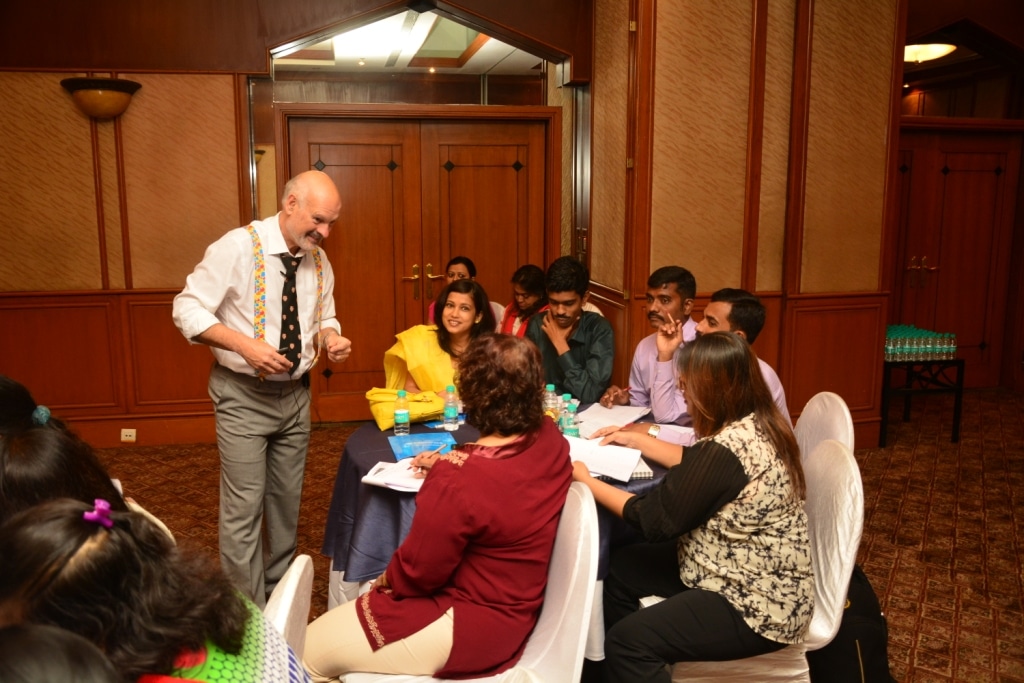
Mr. Lind speaking to the CIE teachersCambridge University Press (CUP) conducted ‘Cambridge Professional Development Day’ a series of workshops across India for CIE school teachers. The workshops were conducted with a highly interactive and responsive style focussed on multiple topics by International Teacher Trainer – Simon Lind, Professional Development Manager, Cambridge University Press.

The workshops – held in Mumbai, Delhi, Ahmedabad, Bangalore, Hyderabad and Chennai – aimed to engage with over 350 teachers from across India. The seminars were conducted with interactive sessions aiming to encourage teachers to explore the guidance and philosophy of teaching and learning products.

With a particular interest in active, enquiry based learning in a bilingual international setting, the sessions were held on activities and ideas based on best practice inspired by leading educationalists and also draw on dynamic and exciting products from Cambridge University Press.

Speaking on the initiative, Lind said, “Our events are aimed at either class or subject teachers, with a strong emphasis on pedagogy and developing new teaching strategies. The workshops were highly interactive, the teachers were fully involved in experiential learning and left inspired, enthused, motivated and ready to take new inspiration into the classroom. It was an absolute pleasure working with so many passionate teachers willing to learn and dedicated to improving the learning experience for their pupils.”

Designed to help schools and teachers secure a lifetime of achievement from their pupils, the events provide quality, modern training and professional development. The teachers also get a certificate from Cambridge University Press for attending the workshops.

LATEST NEWS