
Home Blog Page 92

IIM Kashipur and Max Healthcare launch executive programme in Hospital Management

iim kashupur

The Indian Institute of Management Kashipur (IIM Kashipur), in a significant partnership with Max Healthcare, has introduced a new postgraduate executive programme specifically designed for experienced doctors and healthcare professionals. This one-year programme in Hospital Management is tailored to meet the need for proficient professionals capable of adeptly managing hospitals and healthcare facilities across India.

Aimed at bridging the talent gap in the healthcare sector, the programme endeavours to cultivate competent and dedicated professionals equipped with the necessary skills to navigate the complexities of healthcare management. The comprehensive curriculum covers essential topics such as healthcare economics, financial management, sales and marketing strategies in healthcare, organisational behaviour and human resource management, operation management and process analysis, supply chain management, emerging technologies in healthcare, medico-legal issues, and strategic management.

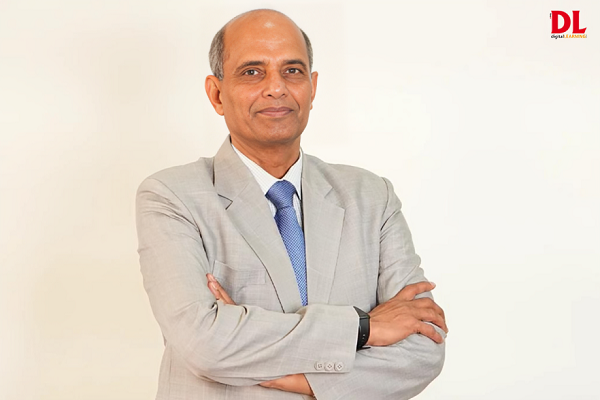
Professor Ganguly, Dean (Development) at IIM Kashipur, highlighted the programme’s collaborative nature, noting that instruction will be delivered by faculty from both IIM Kashipur and Max Healthcare, with practical training being conducted at Max hospitals. Graduates of the programme will be recognised as IIM Executive Alumni, a testament to their advanced training and expertise.

The inaugural batch has attracted 25 professionals, comprising ten practising doctors and 15 healthcare professionals from a variety of backgrounds and locations, including Uttarakhand, Delhi, Punjab, Haryana, Maharashtra, Madhya Pradesh, Nepal, Rajasthan, Uttar Pradesh, and others. These individuals are currently associated with various private and government hospitals. This diversity enriches the learning environment, fostering a broad exchange of ideas and experiences among participants.

CBSE announces new exam format for classes 11 and 12

cbse board

The Central Board of Secondary Education (CBSE) has announced significant changes to the assessment and evaluation practices for Class 11 and 12 board examinations. Starting from the 2024-25 academic session, the board exams will witness an increased emphasis on competency-based questions to foster critical, creative, and systems thinking among students.

Under the revised guidelines, competency-based questions, which include multiple choice questions (MCQs), case-based questions, and source-based integrated questions, will constitute 50% of the examination, up from the previous 40%. This move is designed to shift the focus from rote learning to understanding and applying knowledge in varied contexts. In contrast, the proportion of constructed response questions, such as short- and long-answer type questions, will be reduced to 30% compared to the earlier 40%. The allocation for select response-type questions (MCQs) will remain at 20%.

However, the CBSE has clarified that the composition of question papers for the year-end examinations/board exams (theory) for classes 9 and 10 will remain unchanged for the 2024-25 academic session. This decision underscores the board’s commitment to gradually transitioning towards a more application-based evaluation system.

“The main emphasis of the Board was to create an educational ecosystem that would move away from rote memorisation and towards learning that is focused on developing the creative, critical, and systems thinking capacities of students to meet the challenges of the 21st century,” stated CBSE in an official notice.

In a related development, the National Council of Educational Research and Training (NCERT) announced the availability of new textbooks aligned with the NCF-SE 2023. The textbooks for Class 3 will be available by April 2024, and those for Class 6 by mid-May 2024. Additionally, NCERT disclosed that 1.21 crore copies of the 2023-2024 editions for various classes have already been distributed, with more on the way. To further support accessibility, digital copies of all NCERT textbooks are freely available on the NCERT portal, DIKSHA, and the ePathshala portal and app.

WBCHSE proposes AI warm-up course for class 10 students

class 10 students (1)

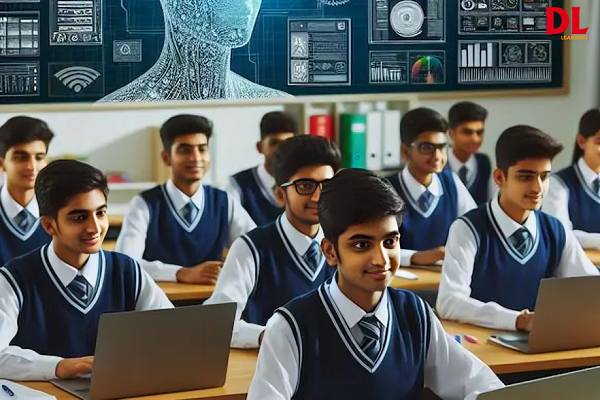
The West Bengal Council of Higher Secondary Education (WBCHSE) has recommended introducing a preparatory Artificial Intelligence (AI) and Cyber Security course for Class 10 students. This initiative aims to prepare students for the newly incorporated Applied Artificial Intelligence and Cyber Security subjects in the higher secondary curriculum from the 2024-25 academic year.

Chiranjib Bhattacharya, President of WBCHSE, unveiled the council’s proposal for a short-term, foundational course designed to equip students with the necessary knowledge and skills to excel in Modern Computer Applications, Computer Science, Artificial Intelligence, Applied Artificial Intelligence, Data Science, and Cyber Security. This move is part of a broader strategy to update and modernise the higher secondary education syllabus to reflect the rapidly evolving technological landscape.

The council has outlined a plan for a ‘Bootstrap Program,’ a brief computer course to be offered in April and May before the core higher secondary curriculum starts. This course provides a solid foundation for students pursuing technology-centric subjects at the higher secondary level. While the council has stopped short of mandating the implementation of the Bootstrap Program, it strongly recommends secondary schools consider offering this innovative course to their students.

WBCHSE has suggested that the course be conducted in-person or online to accommodate diverse learning environments and logistical constraints, depending on the school’s preference and capabilities. For schools unable to perform the course directly, the council has made provisions for distributing study materials to interested students, ensuring that all learners have the opportunity to participate in this foundational program.

This initiative is expected to significantly enhance the readiness of students for the challenges and opportunities of studying advanced technology subjects, thereby fostering a generation of tech-savvy individuals equipped to contribute to the digital economy. The results of the higher secondary exams, which took place in mid-February, are anticipated to be announced within 90 days, marking an exciting period of growth and development in West Bengal’s educational landscape.

K. R. Mangalam University welcomes Prof. (Dr.) Raghuvir Singh as the Vice-Chancellor

Prof. (Dr.) Raghuvir Singh (1)

K. R. Mangalam University proudly announces the appointment of Prof. (Dr.) Raghuvir Singh as its new Vice-Chancellor. Prof. Singh, a distinguished figure in higher education, brings over two decades of leadership experience from various esteemed multidisciplinary institutions to KRMU. His academic and administrative prowess is evidenced by the 12 prestigious awards he has received, including recognition as one of the Top 20 Vice-Chancellors in India, alongside titles such as Eminent and Impactful Vice-Chancellor.

Prof. Singh’s educational philosophy encompasses a holistic approach, integrating cognitive, affective, and psychomotor learning domains to cultivate a comprehensive academic environment. His expertise extends to creating quality and innovation ecosystems within higher education institutions (HEIs) and fostering valuable collaborations. Notably, Prof. Singh is an authority on the accreditation processes of NAAC and NBA, with a strong academic, administrative, and performance auditing background.

As KRMU embarks on this new chapter under Prof. Singh’s guidance, the university community looks forward to the transformative changes he is poised to bring. His visionary leadership is expected to propel KRMU to new academic excellence and innovation heights.

NCERT to roll out new syllabus textbooks for classes 3 and 6 in upcoming months

ncert books

The National Council of Educational Research and Training (NCERT) has announced that the new syllabus textbooks for Classes 3 and 6 will be released in April and May, respectively. This announcement reassures parents and students, urging them to remain patient during the transition. The move follows directives from the Central Board of Secondary Education (CBSE) last week, instructing all affiliated schools to adopt the new syllabi and textbooks for these classes’ 2024-25 academic session.

NCERT has made significant strides in ensuring the timely availability of school textbooks, with approximately 33 lakh books for Classes 1, 2, 7, 8, 10, and 12 already printed and distributed to bookstores. Textbooks for Classes 3, 4, 5, 9, and 11 are expected to hit the shelves this month, while those for Class 6 are slated for a May release. The decision to update the syllabi for Classes 3 and 6 aligns with the National Curriculum Framework for School Education (NCFSE), marking pivotal stages in students’ educational journeys—preparatory and middle stages, respectively.

To facilitate a smooth transition to the new syllabus, NCERT has developed specific programs and guidelines for schools under the CBSE, Kendriya Vidyalaya Sangathan (KVS), and Navodaya Vidyalaya Samiti (NVS) networks. A “bridge programme” for Class 6 and “brief guidelines” for Class 3 have been prepared, aimed at helping students and educators adjust to the updated curriculum seamlessly. This initiative reflects NCERT’s commitment to enhancing the quality of school education in line with contemporary educational standards.

IIM-Lucknow names Prof Archana Shukla as Director-in-charge

archana

The Indian Institute of Management Lucknow (IIM-Lucknow), Prof. Archana Shukla, has been reappointed as the Director-in-Charge, effective April 2. She will serve in this capacity until the appointment of a regular Director, as confirmed by the institution. Prof. Shukla, the senior-most professor at IIM Lucknow, takes on this role per Clause (9) of the IIM Act 2017. N. Chandrasekaran, the IIM Lucknow Board of Governors Chairperson, announced the decision.

With a distinguished career in Human Resource Management at IIML, Prof. Shukla is celebrated for her extensive teaching and research experience spanning over three decades. Her academic journey includes a significant milestone as a graduate from IIT Kanpur, followed by achieving a PhD in Psychology. Prof. Shukla was the inaugural chairperson of the Dr. Ishwar Dayal Chair for Futuristic Issues in the Behavioral Sciences from 2015 to 2017. Throughout her tenure, she has contributed significantly to academia with a book, numerous research papers, and case studies focusing on knowledge management, organisational adaptation, and structure.

Founded in 1984, IIM Lucknow is the fourth IIM establishment in India, following IIM Calcutta, IIM Ahmedabad, and IIM Bangalore. It is renowned for being the pioneer in introducing a two-year full-time MBA programme in Sustainable Management. Additionally, the institute offers a specialised full-time MBA programme in Agri-Business Management, continuing its legacy of excellence and innovation in business education.

Aviotron Aerospace secures Rs 4.96 crore in funding to expand its edtech reach

Aviotron Aerospace

Noida-based edtech startup Aviotron Aerospace has announced a significant boost in its growth trajectory with a Pre-Series A funding round, bringing in Rs 4.96 crore (approximately $600K) from Enrission India Capital. With backing from industry giant #SoftBank, this venture capital firm has recognised the potential in Aviotron Aerospace’s innovative approach to learning.

Founded in 2019 by a team of visionaries – Vaishnav C, Ashish Kumawat, Neha Chauhan, and Nitin Choyal – Aviotron Aerospace aims to transform the educational landscape with a focus on aerospace and mechanical technologies. The company has set its sights on revolutionising how students gain these skills, emphasising experiential learning and 21st-century competencies such as creativity, innovation, and problem-solving.

With a post-money valuation now standing at Rs 70 crore, Aviotron Aerospace is scaling new heights. The company has developed a robust partnership network with schools across India, offering #STEAM-based learning solutions in Aerospace, Space-Ed, and Design Thinking through its flagship product, AeroBay. Having made substantial inroads in cities like Noida, Jaipur, and Nagpur, Aviotron is now set to expand its reach to all 28 states in India by year-end.

Aviotron has impacted approximately 20,000 students through partnerships with 65 schools across 15 states. Its business model, charging Rs 8,500 per student annually, has proved lucrative, generating an average income of Rs 25 lakh to Rs 30 lakh from each school. With a revenue of Rs 5 crore in 2023 and a profit of Rs 50 lakh, Aviotron Aerospace is targeting an ambitious revenue milestone of Rs 45 crore for 2024.

Byju’s announces new layoffs amid financial challenges

Byju

Think and Learn Pvt Ltd, the parent company of Byju’s brand, has initiated another round of layoffs, impacting between 100 and 500 employees. The company has opted for phone calls to inform affected staff, bypassing traditional procedures such as performance improvement plans (PIP) or notice periods. This move comes as the firm faces significant financial difficulties, with more than 10,000 employees having been let go in the past two years.

The layoffs are part of a broader series of challenges by Byju’s, including a legal battle wherein four investors have filed a suit against the company’s management for oppression and mismanagement. The case, presented before the National Company Law Tribunal (NCLT) in Bangalore, seeks the removal of the founders, including CEO Byju Raveendran, and appointment of a new board. Despite these troubles, the NCLT recently allowed a scheduled extraordinary general meeting (EGM) to proceed, rejecting a stay on the March 29 event.

Amidst these operational and legal hurdles, Byju’s has also undertaken cost optimisation efforts, closing 30 of its 292 tuition centers. However, the company remains optimistic about the future, indicating that it expects most centres to become profitable by its third year of operation. Byju’s praised its teachers’ dedication and the performance of its students, emphasising a commitment to a hybrid educational model that leverages the latest technology. Furthermore, the company noted that most current students have re-enrolled for the upcoming academic year, thanking students and parents for their continued trust and support.

IIT Kharagpur announces major reforms in undergraduate programs aligning with National Educational Policy

IIT Kharagpur campus

The Indian Institute of Technology Kharagpur (IIT Kharagpur) has introduced a series of transformative reforms to its undergraduate (UG) programs, commencing from the academic year 2024-25. These changes, the institute asserts, are in complete alignment with the National Educational Policy (NEP 2020), aiming to enhance educational outcomes and student flexibility.

Starting in 2024, all UG admissions at IIT Kharagpur will lead to a five-year program, either at the Bachelor of Technology (BTech) or Bachelor of Science (BS) level. In a novel approach, students can pursue dual degree programs after their second or third year. These can be within their primary department or through interdisciplinary dual degree programs (IDDP) offered across various schools and centers of the institute.

This innovative structure opens up many exciting possibilities for students, such as earning a BS (Hons) in Economics alongside an MTech in Artificial Intelligence and Machine Learning or combining a BTech (Hons.) in Civil Engineering with an MTech in Financial Engineering. By allowing students to make these decisions after gaining experience and insights into their fields of study at IIT Kharagpur, the institute aims to facilitate more informed and personalised educational pathways.

Another significant reform is abolishing the branch change option at the end of the first year for UG students admitted through the JEE Advanced. This decision was made to alleviate the high-stress levels associated with the competitive process, which, for less than 10% of students who successfully change their branch, leaves the remainder facing potential depression, mental health issues, and academic underperformance.

Furthermore, starting with the 2024 admissions, UG students will have the opportunity to pursue a “double major,” allowing them to earn an additional major alongside their primary BTech (Hons) or BS (Hons) degree. This initiative will enable students to broaden their academic horizons and skills in multiple disciplines, such as a mechanical engineering student obtaining a double major in economics or a physics student exploring electronics and electrical communications engineering, artificial intelligence, and machine learning.

To complement these degrees, IIT Kharagpur also introduces options for students to earn a “Minor” or a “Micro-Specialisation” in various disciplines, emphasising the importance of interdisciplinary studies. Notably, the curriculum will now mandate at least one elective in Artificial Intelligence and Machine Learning (AI/ML) for all students, alongside a diverse selection of electives in areas such as linguistics, happiness and well-being, Indian knowledge systems, and performing arts.

Another innovative feature is the Semester Away Program (SAP), where from the academic year 2024-25, undergraduate students may spend a semester at another renowned national or international institute, industry, or research laboratory, earning full credits for the semester. This program can also be combined with the mandatory summer internship, offering students an extended eight-month exposure to global institutions and industries.

These reforms by IIT Kharagpur represent a significant leap forward in aligning India’s premier engineering education with global standards and the evolving demands of the workforce, thereby preparing students for a future of innovation, leadership, and societal contribution.

Integrating Holistic Education with Technological Advancement

naman bansal (1)

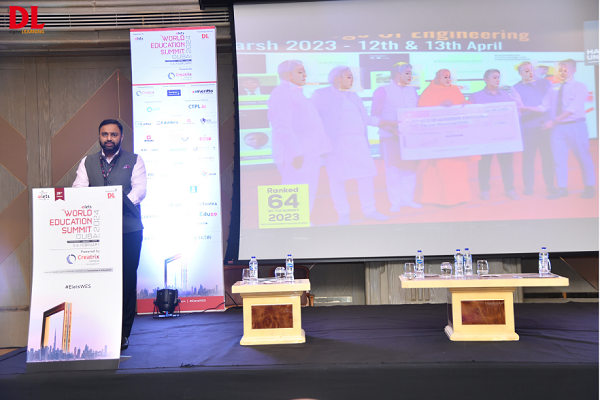
Naman Bansal, the Pro-Chancellor of Haridwar University, Uttarakhand, India, took the stage at the 28th World Education Summit in Dubai to unfold the university’s remarkable journey, vision, and contributions to the global education landscape. His insights highlighted the institution’s commitment to blending academic excellence with holistic development, set in a campus that is as much a cradle of technological advancement as spiritual wellness.

A Commitment to Holistic Development

Haridwar University champions a holistic educational approach. This philosophy bridges the gap between academia and the industry and ensures that students are well-equipped to navigate the complexities of the global landscape. The curriculum fosters critical thinking, creativity, and an international perspective, preparing students to excel across various disciplines, including engineering, pharmacy, humanities, science, and management.

Achievements and Recognition

The University’s commitment to excellence has been acknowledged through several prestigious awards, reflecting its status as a leading institution in India’s educational sphere. These accolades, bestowed by notable figures such as the Honorable Defense Minister of India and the Chief Minister of Uttarakhand, underscore the university’s impact and its role in shaping the future of education.

Bridging Academia and Industry

The university’s collaborations with industry leaders and esteemed institutions like IIT Rishikesh and the National Institute of Hydrology enrich the academic experience, ensuring that students are academically proficient and industry-ready. These partnerships reflect the university’s proactive approach to integrating practical application with academic learning.

Looking Towards the Future

As Haridwar University marks its presence on the global stage, it remains dedicated to upholding the highest academic standards and adapting to meet the evolving needs of students. Bansal’s presentation at the World Education Summit shared the university’s achievements and its vision for the future. In this future, education is the cornerstone of global excellence and positive change.

In conclusion, Haridwar University, through the words of Naman Bansal, showcased its unique blend of spiritual heritage and technological prowess, setting a benchmark for holistic education on a global scale. As the university continues to grow and evolve, it stands as a testament to the power of education in fostering innovation, knowledge, and character among the leaders of tomorrow.

LATEST NEWS