Home Blog Page 95

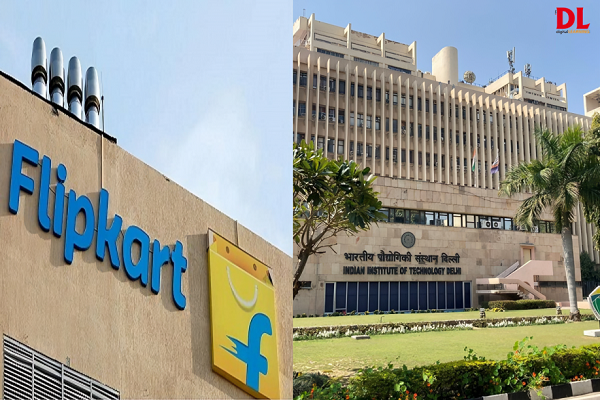
IIT Delhi and Flipkart set to collaborate on research to provide customised recommendations

IIT Delhi and Flipkart

The Indian Institute of Technology Delhi (IIT Delhi) has joined forces with Flipkart, one of India’s leading e-commerce platforms. This partnership is part of Flipkart’s ongoing initiatives to bridge the gap between academic research and industry challenges, aiming to propel forward the capabilities of e-commerce through cutting-edge technological research and development.

Under the agreement, Flipkart will extend research grants and provide market insights to the Foundation for Innovation and Technology Transfer (FITT), IIT Delhi’s premier industry interface organisation. The collaboration is set to unlock new insights into consumer behaviour, leveraging detailed data analysis to identify nuanced segments of e-commerce users based on many factors, including shopping patterns, demographics, and the influence of peer behaviour.

A cornerstone of this partnership is the development of a versatile user activity graph employing advanced Graph Neural Network (GNN) techniques. This endeavour aims not only to overcome the constraints faced by current persona creation tools but also to facilitate a deeper understanding of user interactions and preferences through a comprehensive graph that captures the multifaceted personas of each user.

The collaboration between Flipkart and FITT is not limited to research alone; it also encompasses a series of initiatives designed to nurture an ecosystem of innovation and learning. These initiatives include the organisation of seminars, the provision of conference travel grants, and the undertaking of company-sponsored research projects on topics of mutual interest. Through these efforts, the partnership is set to make significant strides in enhancing personalised user recommendations by integrating sophisticated user personas into product recommendations.

Moreover, this collaborative venture promises to advance machine learning models, exceptionally capable of effectively processing and analysing large-scale, real-world datasets. Such advancements are expected to have a broad and lasting impact on e-commerce.

This partnership continues Flipkart’s commitment to academic alliances, having embarked on five projects over the past two years with prestigious institutions like IIT Delhi, IIT Bombay, and the Indian Institute of Science (IISc). Through these collaborations, Flipkart aims to address critical industry challenges while fostering a culture of research and development that bridges the academic and industrial worlds.

EduBrisk – Transforming Education through Neuroscience and Data Science based Teaching-Learning ecosystem for schools

aravind

The neuroscience and data science-based TeachingLearning approach of EduBrisk aims to customise educational content and methodologies for individual learners by leveraging neuroscience principles that focus on how the brain processes and retains information. Teachers can effectively address neurodiversity in the classroom, identify and bridge learning gaps using these principles. Ultimately, the goal is to create a more adaptive and tailored learning experience that aligns with the cognitive and individual needs of students, shared Saiju Aravind, Founder, EduBrisk in an exclusive interview with Elets News Network. Edited excerpt:

What challenges in the education sector do you believe EduBrisk’s solutions are particularly well-equipped to address?

EduBrisk is addressing a range of challenges in the education sector, making it more accessible for schools to implement their solutions. Among the issues tackled are disintegrated and static curriculam that seem detached from real-life applications, non-inclusive classrooms lacking personalized learning approaches, and a weak teaching and learning ecosystem. Additionally, the platform addresses concerns related to the accessibility and cost of quality education, exacerbated learning gaps, and the absence of a dedicated platform for senior leadership in schools to meet regulatory compliance and adapt curricula. Moreover, EduBrisk aims to enhance the limited integration of technology in educational practices.

In response to these challenges, EduBrisk provides targeted solutions to streamline the workload of teachers, enhancing their effectiveness and efficiency. The platform emphasizes inclusive, integrated, and individualized learning experiences in alignment with educational mandates. It offers tools for tracking and monitoring progress, along with analytics-based interventions. EduBrisk conducts upskilling programs for teachers and accelerated learning workshops for students. The platform also extends expertise support and guidance for UAE School Inspection, contributing to an inclusive improvement in academic performance. Leveraging neuroscience and data science, EduBrisk facilitates accelerated performance improvement for students, ensuring a holistic and adaptive approach to education.

Edubrisk emphasizes personalised teaching – learning. Could you explain how your platform tailors educational content to individual student needs?

We place a strong emphasis on personalized learning by providing tailored teaching and learning resources to both teachers and students. The platform ensures that individuals receive the most suitable resources based on their unique needs, fostering a truly personalized and effective learning experience. Employing a differentiated curriculum approach, EduBrisk offers content and resources in VARK format, catering to diverse learning needs. What sets EduBrisk apart is its commitment to allowing teachers and students to further customize and fortify the content as part of the curriculum adaptation and progression process, ensuring a flexible and adaptive educational environment. Additionally, the platform incorporates a topicspecific pre-assessment module to diagnose individual learning needs, accompanied by guided modules designed to address and mitigate any identified learning gaps, promoting a comprehensive and targeted approach to education.

Could you elaborate on the key solutions and services that EduBrisk offers to educational institutions?

We offer a multitude of features designed to significantly alleviate the workload of teachers. These include an Assignment & Test creator, Scheduler, and Test Analysis tools that streamline the assessment process. The platform facilitates efficiency through the autopopulation of step-down topics for pre-teaching, ensuring a cohesive learning experience for students. It also provides access to a repository of 10 years’ board exam question papers, aiding in comprehensive exam preparation. EduBrisk further supports educators with a Lesson planner and a wide array of integrated cross-curricular teaching resources. The platform goes beyond one-size-fits-all approaches by offering differentiated teaching and learning resources tailored for Emerging, Expected, and Exceeding categories of learners.

To address learning gaps, EduBrisk incorporates diagnostic pre-teaching assessment tests and enhances foundational learning skills based on subject-wise prerequisites. With horizontal and vertical integration of subjects/ resources, the platform ensures a cohesive educational journey. Integration of stakeholders, including school management, teachers, students, and parents, creates a collaborative educational environment. EduBrisk allows for the individualization or customization of curriculum content, ensuring continuity in the teaching-learning process. The platform also facilitates the monitoring of progress and attainment for specific cohorts, validating school assessments through triangulation, and tracking school-wise academic targets, goals, and learning loss.

Most of your solutions cater to school education as your target audience. Could you please elaborate on this aspect, and why you selected this particular segment as your audience?

At EduBrisk, we observed that a large number of students are losing their interest in learning early on in their life due to the ‘burden of noncomprehension’. We could address and mitigate this problem with the help of knowledge available through recent developments in neuroscience and pinpointing the difficulties using advanced Diagnostic tools. We found that the best time for intervention is during the school years from grade 2 to 12, as recifying the problem early on helps students to reinvent the joy of learning. Further, these changes early on in life help in sustained neuroplastic changes in learning.

We strongly believe that the above can be achieved through progressive minded school leadership and teachers willing to embrace advancements in both technology and pedagogy. Our vision and product align seamlessly with the guidelines set by regulatory bodies such as MoE/KHDA/NEP 2020, offering schools a valuable framework to benchmark themselves with international standards.

What are the various types of workshops that EduBrisk conducts for schools?

We are committed to fostering holistic development within schools through a diverse range of workshops. The School Teachers Empowerment Programme (STEP) stands out as a cornerstone initiative, focusing on equipping educators with essential skills in ICT, inclusive, and integrated education. Through this program, teachers gain valuable insights and training to navigate the ever-evolving landscape of educational technology and ensure inclusivity in their teaching methods. Additionally, the Students Curriculum Oriented Empowerment (SCOrE) workshop addresses critical aspects of accelerated learning, dispelling the illusion of competence, and bridging learning gaps among students. This initiative reflects EduBrisk’s dedication to enhancing the overall learning experience and promoting student success.

Furthermore, the Parents As Life Mentors (PALM) workshop delves into the intersection of parenting and technology, recognizing the vital role parents play in supporting their children’s educational journey. By engaging parents in discussions about technology’s impact on learning, PALM aims to foster a collaborative and supportive home environment conducive to a child’s academic growth. Together, these workshops underscore EduBrisk’s comprehensive approach to education, involving teachers, students, and parents in a collective effort to optimize the learning ecosystem.

Can you share any upcoming innovations or developments within Edubrisk?

EduBrisk is developing a holistic report card, AI-based quick learning and doubt-clearing modules, and guided mode for corrective actions, and Intuitive dashboards with suggestive actions for SLT, Teachers, Students & Parents.


IIM Calcutta announces establishment of Center of Excellence for Design Thinking

IIM Calcutta (1)

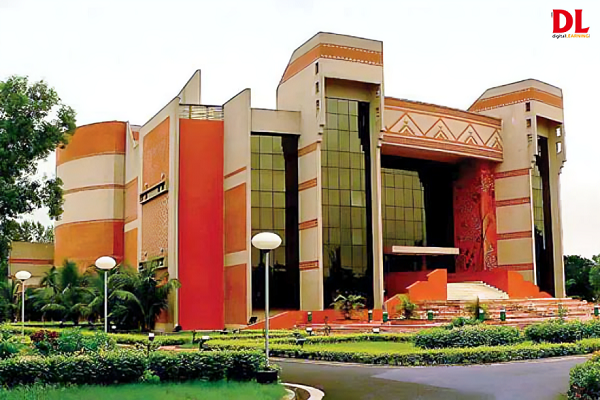
The Indian Institute of Management Calcutta (IIM Calcutta) has taken a significant step forward in the realm of innovative education by signing a tripartite memorandum of understanding (MoU) on March 18th with the School of Design Thinking (SoDT) and Mission Samriddhi. This collaboration marks the creation of a Center of Excellence in Design Thinking, aiming to embed design thinking principles deeply within the academic curriculum, research, and projects at IIM Calcutta.

SoDT will serve as a key partner for IIM Calcutta, applying Design Thinking across various domains, while Mission Samriddhi will focus on community-impacting social initiatives and projects. The partnership seeks to advance educational methodologies by utilising SoDT’s “Design The Thinking” mindset, ” which emphasises design thinking as essential for problem-solving and innovation. Meanwhile, Mission Samriddhi plans to utilize its Community Development Framework with IIM Calcutta’s research expertise to foster social initiatives.

This MoU, set to last three years, aims to champion Design Thinking as a core institutional leadership and innovation strategy. IIM Calcutta aspires to establish India’s first Center of Excellence for Design Thinking within a business school, positioning itself as a focal point for all Design Thinking endeavours. The School of Design Thinking, known for launching India’s first ‘Design The Thinking®’ program tailored for academia, will support this initiative by offering special courses to students and stakeholders at IIM Calcutta.

Additionally, Mission Samriddhi’s involvement will ensure the design and development of sustainable projects capable of scaling to benefit larger populations, mainly focusing on reaching out to rural clusters in collaboration with IIM Calcutta.

The collaboration is set to introduce a variety of courses at IIM Calcutta, along with interventions in Design Thinking applications across different domains. Academic and training programs will also see the development of modules and assignments centered on Design Thinking, further enriching the educational landscape at IIM Calcutta and beyond.

The Impact of Architectural Education on Sustainable Innovation

anand

The architectural landscape is transforming significantly, moving beyond conventional practices to embrace sustainability and innovation. This change signifies more than merely constructing buildings; it’s about crafting narratives of resilience, circular economy, efficiency, and harmony with nature. Architectural education is pivotal in driving this change, pushing architects beyond mere construction to create sustainable designs aligned with enduring values.

In architectural education, continuous efforts are made to revamp teaching methodologies and equip students with essential skills for these transformative shifts. Sustainable Architectural concepts are being encouraged, emphasising strategies for climate resilient environmentally conscious buildings: energy efficiency, passive design elements, eco-friendly materials, renewable energy integration, adaptive reuse, biophilic elements, and assessing environmental impacts across a building’s life cycle. Furthermore, the circular economy concept is gaining strength, prioritising designs for durability and facilitating reuse, recycling, and remanufacturing. These practices perpetuate the value of energy, labour, and materials while ensuring uninterrupted economic circulation. Implementing these concepts aims to construct buildings that decrease environmental harm, promote occupant well-being, and contribute to a more sustainable future.

Despite these revolutionary changes, architectural education faces challenges in keeping pace with rapid technological evolution. Constant updates to curricula are essential to ensure students are proficient with the latest digital tools and software. Innovations in architecture education, such as integrated curricula and the utilization of digital tools like AI, BIM, VR/ AR/ XR, and parametric design, are revolutionizing learning experiences. They bridge the gap between academia and professional practice, preparing students for success in a digitally evolving landscape.

This transformative shift in architectural education underscores a commitment to shaping a future where sustainability and innovation define the architectural profession. It aims to foster a built environment that embodies enduring values and critical-thinking designs, marking a significant step towards a more sustainable and innovative era in construction and design.

Views expressed by Dr. Prof. Anand Achari, Principal of VES College of Architecture

Varthana Finance acquires 1,000 schools from India School Finance Company

Varthana Finance

Bengaluru-based Varthana Finance, specialising in loans for affordable private schools and higher education students, announced on Friday the acquisition of 1,000 schools owned by India School Finance Company (ISFC) across 14 states, valued at ₹126 crore.

This strategic acquisition includes over 100 schools from various districts of Karnataka, enhancing Varthana’s presence and commitment to improving education quality across the country. Steve Hardgrave, CEO and Co-founder of Varthana, emphasised the importance of this acquisition, stating, “Taking the ISFC portfolio under Varthana’s wing is a significant step in our journey to ensure that India’s schools are well supported to deliver quality education to the country’s 350 million young people.”

The acquisition is seen as a milestone in the educational finance sector for its scale and the synergy between Varthana and ISFC, which share a common goal of enhancing educational access and quality in India. Sandeep Wirkhare, CEO of ISFC, remarked on the transaction as an exemplary case of how impact institutions can create, stabilise, and transition a product segment for continued growth and development, all while maintaining strong customer and employee relationships.

Also Read | India needs higher education financing investments to meet its Gross Enrolment Ratio target: Steve Hardgrave, Co-Founder, and CEO, Varthana

IIM Lucknow celebrates its 38th annual convocation with 785 graduates

iim lucknow annual

The Indian Institute of Management, Lucknow (IIM Lucknow) proudly marked the completion of its 38th annual convocation, a significant milestone in the institute’s calendar. This prestigious event saw degrees awarded to 785 students across various programs, symbolising their academic achievements and the beginning of a new chapter in their professional lives.

Eminent personalities, including Natarajan Chandrasekaran, the Chairperson of the Board of Governors at IIM Lucknow, and Archana Shukla, the Director of IIM Lucknow, graced the convocation ceremony. Mallika Srinivasan, Chairperson & Managing Director of Tractors and Farm Equipment Limited, highlighted the event and honoured the convocation as the Chief Guest.

In a detailed breakdown of the awards, the 38th Post Graduate Programme in Management (MBA) batch saw 504 students graduating. The 19th batch of the Post Graduate Programme in Agri-Business Management (MBA-ABM) celebrated 56 graduates. At the same time, the Doctoral Programme in Management (PhD) and the Executive Fellow Programme in Management (PhD) conferred degrees upon 18 and 6 students, respectively. The 8th batch of the Post Graduate Programme in Sustainable Management (MBA-SM) had 41 graduates, the 6th batch of the International Programme in Management for Executives witnessed 106 graduates, and the 18th batch of the Post-Graduate Programme in Management for Working Executives saw 54 students being awarded.

The convocation also recognised outstanding academic and all-rounded performances among the graduates. Abhishek Mittal was awarded the Chairman’s Gold Medal in the Post Graduate Programme in Management. Deeksha Khatwani received the Director’s Medal, Bismita Sahoo was honoured with the PGP Chairman’s Medal, and Sohini Sau was awarded the Hari Shankar Singhania Medal for Best All-Rounder. In the Post Graduate Programme in Sustainable Management (PGPSM), Sushobit Malik received the Chairman’s Gold Medal. From the International Programme in Management for Executives (IPMX), Aishwarya Kumar and Munish Kanna were awarded the Chairman’s Gold Medal and the Director’s Medal, respectively. Additionally, Rashmi Mittal was recognised with the Chairman’s Gold Medal in the Post-Graduate Programme in Management for Working Executives (PGPWE).

Redefining Admission Management for Educational Institutions

bikash

In a digital landscape inundated with information, prospective students often grapple with the challenge of discerning relevant insights amidst the noise. Creanovation Technologies Private Limited (CTPL) addresses this issue by providing tailored solutions that significantly benefit students in navigating this information overload, shares Bikash Sahoo, Founder & CEO, CTPL – Creanovation Technologies Private Limited with Nidhi Shail Kujur of Elets News Network (ENN). Edited Excerpts:

W hat are the various solutions that Creanovation Technologies Private Limited (CTPL) offers designed for the education sector?

Creanovation Technologies Private Limited (CTPL) stands as a funded venture, boasting an Indian client base of 250+ institutions and corporates. With over a decade of expertise in digital admissions, CTPL is a leading digital transformation company offering innovative end-toend admission solutions.

Our Offerings

  • Student Relationship & Engagement Management (SREM): It is the most intelligent and comprehensive admissions management system for educational institutions.SREM is at the forefront of transforming educational institutions with its innovative approach to student engagement and admissions efficiency.
  • Admission Xlerator: Admission Xlerator empowers you with integrated solutions custom-built for every aspect of your admissions process, offering integrated solutions meticulously crafted for every facet of your admissions process.
  • Nextgen Academy: We seamlessly integrate industry-driven technology, business, and media education into classrooms, bridging the gap between academic excellence and practical proficiency. It goes beyond traditional education, empowering learners to acquire industry relevant skills and training.

With a plethora of information available over the internet, prospective students today face the issue of separating relevant information from the noise. How are your solutions benefiting the students in the same?

In the digital age of information overload, CTPL helps students find relevant insights by creating dedicated landing pages for university courses. These pages provide essential details, simplifying decision-making. We also offer personalized admissions and counselling support for a smooth educational journey.

CTPL’s solutions benefit universities too, enabling remote admissions and enhancing their digital presence. We bridge the gap between students and institutions, improving the educational experience for all.

Nirma University appoints Dr. Himanshu B. Soni as Director of the School of Technology, Institute of Technology

Dr. Himanshu B. Soni

Nirma University welcomes Dr. Himanshu B. Soni as the new Director of the School of Technology, Institute of Technology, enhancing the institution’s leadership with his arrival. Dr. Soni, who earned his Ph.D. in Wireless Communication from the renowned Department of Electrical Engineering at IIT Bombay, carries over 25 years of extensive knowledge and experience in the field.

His unparalleled expertise encompasses academic administration, research in wireless communication, teaching, and curriculum development, setting him apart in the academic community. Dr. Soni’s career, spanning more than a quarter of a century, includes over 13 years in various leadership roles, demonstrating his capability and experience in guiding academic institutions towards excellence.

Moreover, Dr. Soni is a distinguished recipient of the Hari Om Ashram Prerit Award for Research Endowment Prize for the year 2009-10, an honor that highlights his significant contributions to research and academia. His achievements and dedication to the field of wireless communication research are recognized and celebrated across the academic and scientific communities.

The Nirma University community eagerly anticipates Dr. Soni’s leadership and vision for the School of Technology, Institute of Technology. His appointment is expected to foster innovation, inspire students and faculty, and further elevate the university’s status as a leading institution in technology and engineering education.

Chief Minister Naveen Patnaik unveils Rs 19-Crore educational hub in Odisha’s Malkangiri

Naveen Patnaik

Chief Minister of Odisha Naveen Patnaik recently inaugurated a comprehensive educational complex in Badapada, located within the ‘Swabhiman’ area of Malkangiri district, predominantly inhabited by tribal communities. This initiative marks a major step forward for the region, formerly the cut-off area due to its isolation and Maoist insurgency influence. The area’s accessibility and integration into the mainstream were significantly enhanced with the construction of the Gurupriya bridge, an effort led by the state government to connect this once-remote region.

The newly inaugurated educational complex, covering a sprawling 7 acres and built at a cost of approximately Rs 19 crore, was introduced to the public via video conferencing by CM Patnaik. This modern facility is designed to accommodate over 1,000 students from classes 1 to 12, equipped with advanced amenities to prepare students for future challenges and opportunities.

Among the notable features of the complex are its spacious classrooms, a specialised e-library that houses over 3,000 books, a dedicated tribal corner to celebrate and preserve the local culture, and various activity rooms, including an NCC room. Furthermore, the campus includes a computer lab, an ICT Smart Learning Centre, a science lab, and hostels that house 200 boys and 500 girls separately. Additional facilities such as an amphitheatre, garden, sports courts, open gym, and sustainable initiatives like solar lighting, solar water supply, and water harvesting systems underscore the state’s commitment to providing a holistic educational environment.

Also Read | UAE to make it global educational hub; India willing to partner

Chief Minister Patnaik, expressing a deep connection to Malkangiri, reminisced about initiating key welfare schemes in the district, including the subsidised rice scheme, Biju Swasthya Kalyan Yojana (BSKY), and the LAccMI bus service. He stressed that the establishment of the educational complex in the tribal hinterland represents a significant contribution to the holistic development of students in the region, aligning with the broader goals of educational advancement and social upliftment.

Manipur introduces grading system for class 10 board exams

class 10 board exams

The Manipur government has introduced a grading system for the class 10 board examinations starting this year. This new system aims to alleviate the pressure and stress often associated with competitive exams by eliminating divisions or ranks in the high school leaving certificate examination results.

In an official statement, Joint Secretary of the Education Department, Elangbam Sonia, revealed that the revamped grading approach would focus solely on a pass/fail status without displaying total marks or aggregates on the examination certificates. Under this system, students achieving scores between 91 and 100 will be awarded an A1 grade, while those scoring between 81 and 90 will receive an A2 grade. Conversely, students who score between 21 and 30 marks will be assigned an E1 grade and considered as having failed the exam, similar to those receiving an E2 grade.

The government’s decision to overhaul the evaluation criteria stems from a desire to foster a healthier educational environment. “Though competition amongst the students is good for improving one’s performance, there is a need to see that it does not lead to stress or completely dishearten a minor,” the statement elaborated. By adopting a grading system, the aim is to reduce the undue burden on students, encouraging a learning process that is less about competition and more about personal growth and understanding at a critical stage in their lives.

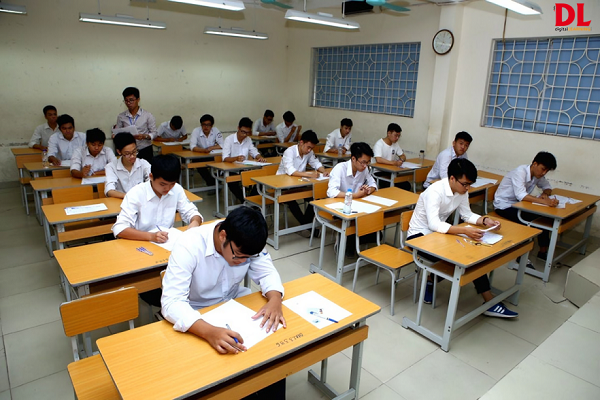
This year, 37,715 students are registered to participate in the matriculation examination conducted from March 15 to April 8 across 154 examination centers. This cohort includes 18,628 female students, highlighting the inclusive nature of the education system in the region.

The move to a grading system is seen as a progressive step towards recognising the diverse capabilities of students and addressing the increasing concerns over mental health and stress in academic environments. This initiative is expected to pave the way for a more holistic and stress-free learning experience for students across Manipur.

LATEST NEWS