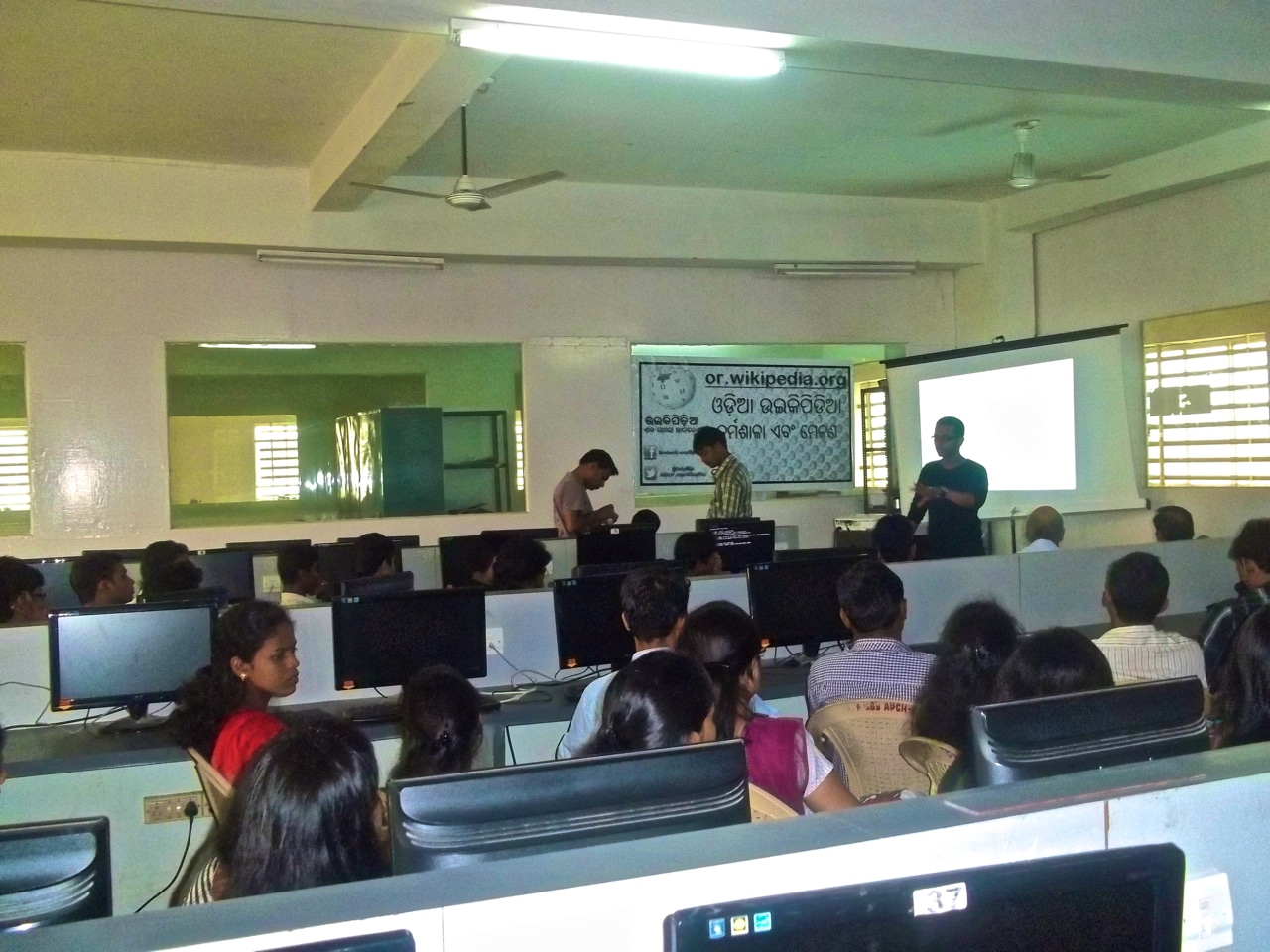

With the main objective to exchange ideas on the frontline of research on smart/ exotic and advanced functional materials and their device applications, Sharda University brought material scientist from different parts of the world and various Indian Universities on a single platform.
PK Gupta, Chancellor of the Sharda University and Founder Chairman of the Sharda Group of Institutions, said: “Our constant endeavors in the field of science and research, is to ensure that we try to address challenges and bring out the best possible output on the subject matter, relevant to current scenario.” In future also, we are determined to hold/ organize such discussions that are of importance to society and the nation, he further added.
There were 24 technical sessions on Solar cells, Nanomaterials, Materials for Renewable Energy, Memory Devices, Biomaterials and other topics which were further categorised with Oral Presentation and Poster Presentations by the scientist from India and Abroad.
Dr Bhaskar Bhattyacharya, Professor and Controller of Examination (COE), School of Engineering & Technology, Sharda University said: “There was an insightful discussion that took place as the prominent speakers emphasised on collaborative research for sustained development of the materials and gave an overview of smart and advanced materials”. “There was a meticulous dialogue on how the material development progressed with the present day requirement and demand from the industries, he further added”.
The 3 day-long conference was attended by 56 scientists from overseas and 156 participants from the country. Members from Australia, Brazil, China, France, Malaysia Japan, Nepal, Sri Lanka, Saudi Arabia, UK and others were present along with Indian Dignitaries from institutes including IIT-Bombay, NIIT, Pune and Allahabad University.
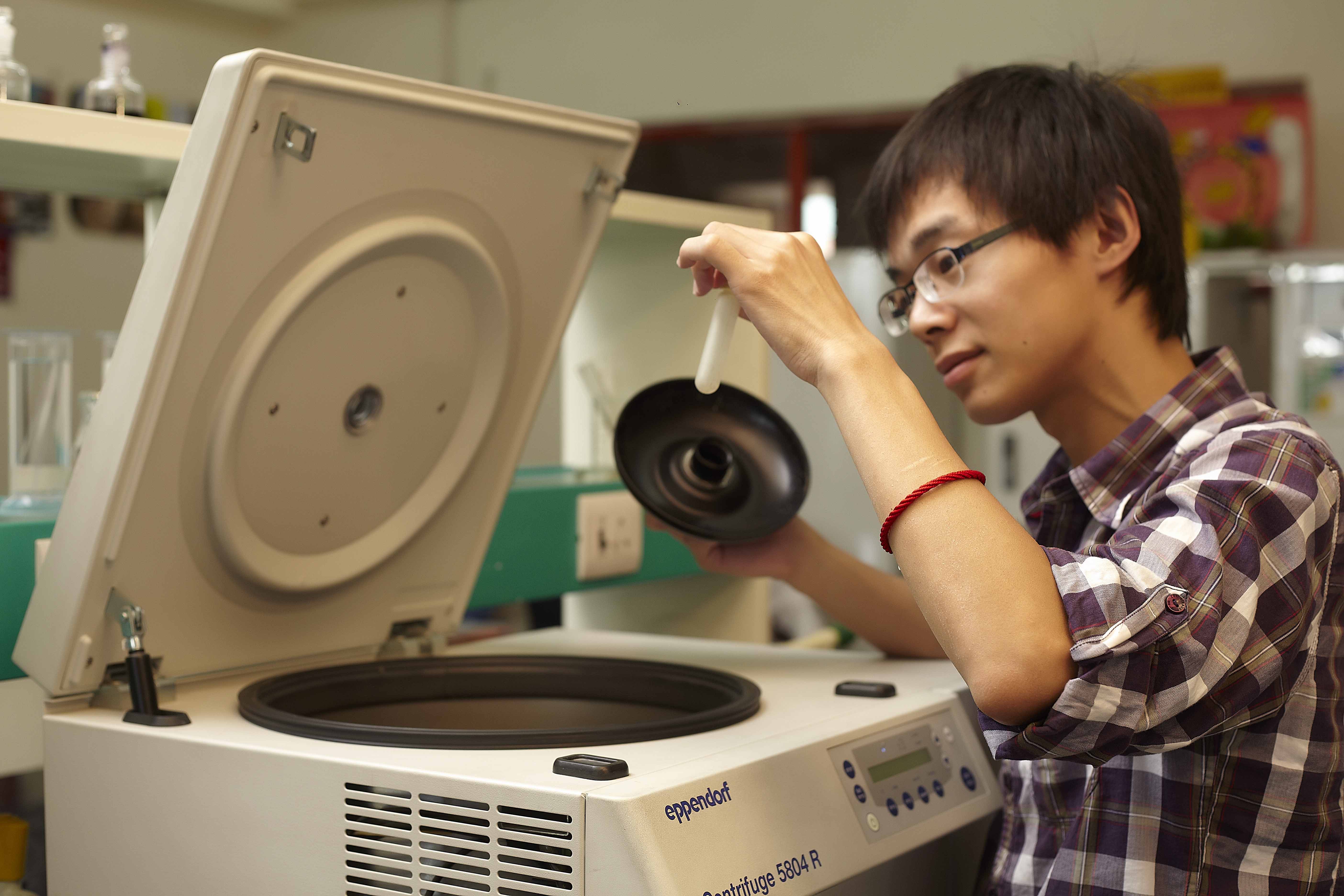
Materials science is an interdisciplinary field involving the properties of matter and its applications to various areas of science and engineering.
Maharashtra State Council for higher education to be revived
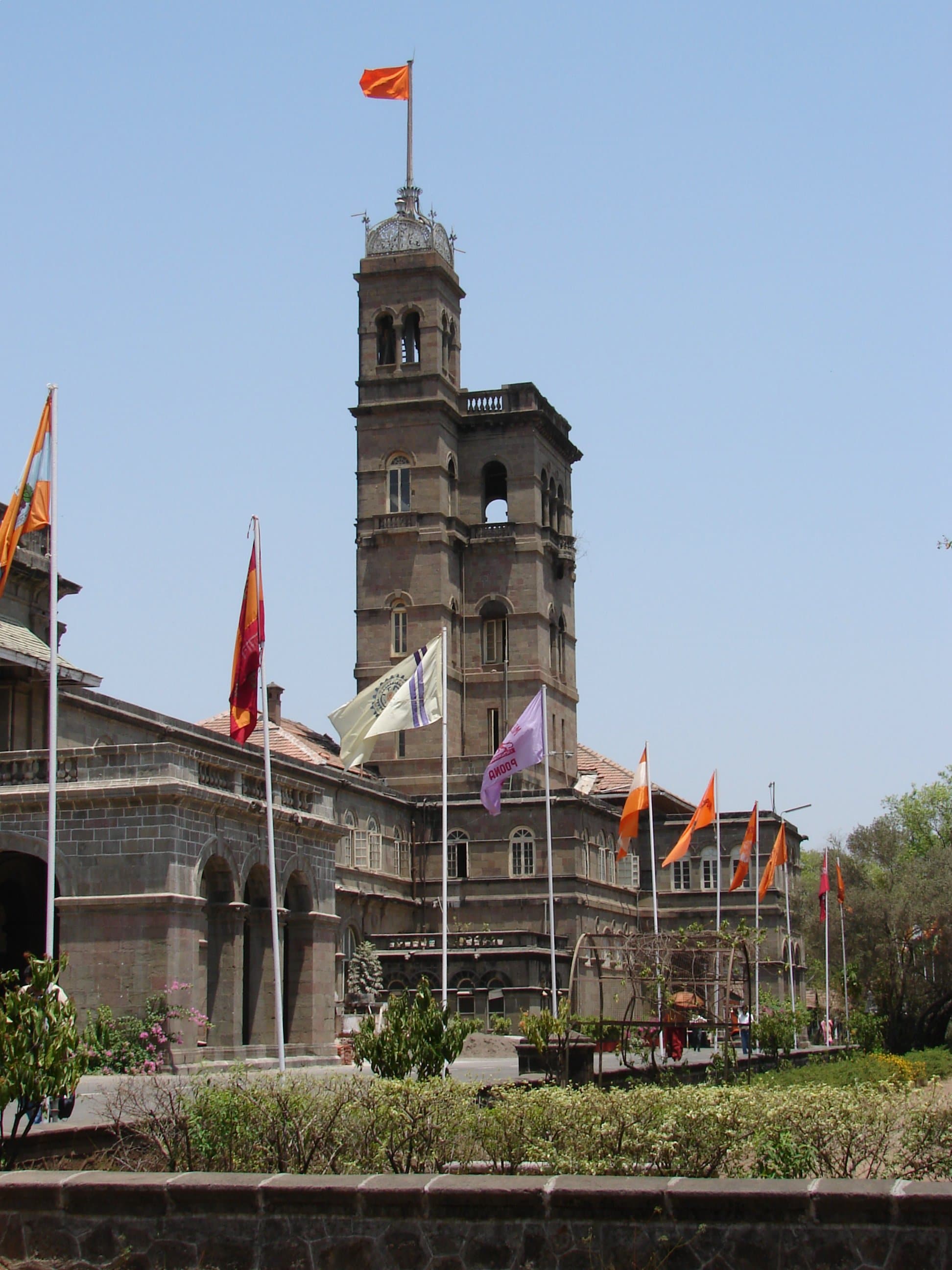
The state government of Maharashtra has initiated the process of revival of the Maharashtra State Council for higher education which is an overarching body for planning and development of higher and technical education in the state.
The council’s prime mandate will be to prepare policies for planned development of higher and technical education in the state. The government had sought various proposals and nominations for this multi-member body from the state universities. The move is seen in context with the Rashtriya Uchchatar Shiksha Abhiyan (RUSA) which aims at strategic funding and support to the state higher education system in order to achieve the goals of equity, access and excellence. The state won’t get any of the benefits under the RUSA unless there is a higher education council in place and this has given the push for revival of the body. The council will be the highest decision making body for recommending policies and changes in the field of higher education. It is expected to be a 25 to 26 member body to be headed by the chief minister and will consist of the minister for higher and technical education, deputy minister, nominated experts from academics, vice chancellors and principals among others.
Nursery admissions begin from January 21under new norms
After much uproar, nursery admissions in the capital have finally begun from January 21 and applications can be submitted till February 5. Delhi High court has rejected the plea by an association of private unaided schools to put a stay on the new the guidelines framed for nursery admissions in the upcoming academic session.
The High court said the new rules had not been opposed by parents who appear to have welcomed the same and said any interference will prove detrimental to the interests of children. It ordered Delhi government to immediately notify new dates of admission. The parents are very happy with the move as the new guidelines intend to do away with hefty donations demanded from schools in lieu of admission of their children.
The new guidelines state that 70 points will be accorded to those children living within 8 km distance from the school, under neighbourhood criteria. Besides these, the applicants who have sibling studying in the same school will get 20 points. Also, the 20% management quota has been scrapped. The group of unaided private schools, in their plea wanted the court to stay the guidelines for the session 2014-15, adding that it encroached upon their autonomy in selecting the students.
Also Read: Delhi Nursery Admission 2020
India to have its own ranking system for higher education
India will soon have its own ranking system to rank the Indian higher education institutions in the country. The Union Ministry for Human Resource Development approved the ranking system after a proposal submitted in the report of the Ranking Committee to the government on 16 January, 2014 at the retreat of the Indian Institute of Technology directors. Now the IIT council has been asked to provide the outlines of the proposal.
The proposal mentions about creating a ranking system in India that will ensure that the institutions are appropriately ranked and placed in proper perspective and are considered through Indian parameters and demographics. Over the years, India has failed to make a mark in various reputed international ranking of higher education institutes. None of the universities and institutions features in top most universities in the world. China has a similar academic ranking system of world universities done by Shanghai Ranking Consultancy, an independent organisation on higher education information which is not legally subordinated to any university or government agency.
SC gives a big relief for PGDM institutions after EPSI’s Writ Petition
The Education Promotion Society for India (EPSI) filed an interim application in the Supreme Court with a plea to direct AICTE to take necessary steps to initiate the process of granting extension of approval for the year 2014-15 in compliance of the order dated 28.08.2013 passed by the Supreme Court of India.
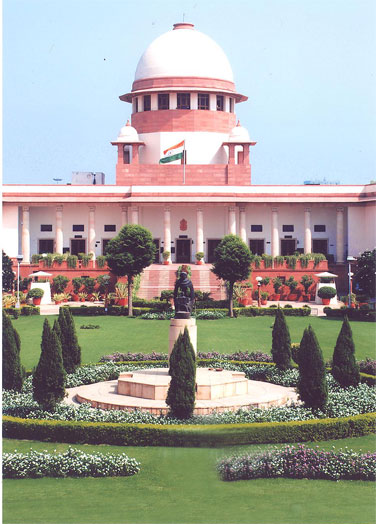
After a hearing, the Counsel of AICTE informed the court that AICTE continues to be the regulatory body of PGDM Institutions. The counsel of EPSI said that in view of the UGC draft regulations, there is much confusion and the statement made on behalf of AICTE be recorded. Accordingly, the Court passed an order stating, “this is an application seeking directions concerning the continuance of AICTE as the regulatory body for the PGDM institutions. Advocate for AICTE has stated that AICTE continues to be the regulatory body for the PGDM institutions. In view of this submission that AICTE will be regulating the PGDM institutions for the year 2014-15, no further orders are required on this application”.
This comes as a big relief for PGDM institutions who were all concerned about the impending crisis looming large before the admission process to begin in the institutes.
Despite funding, drop in education standards in India: Survey
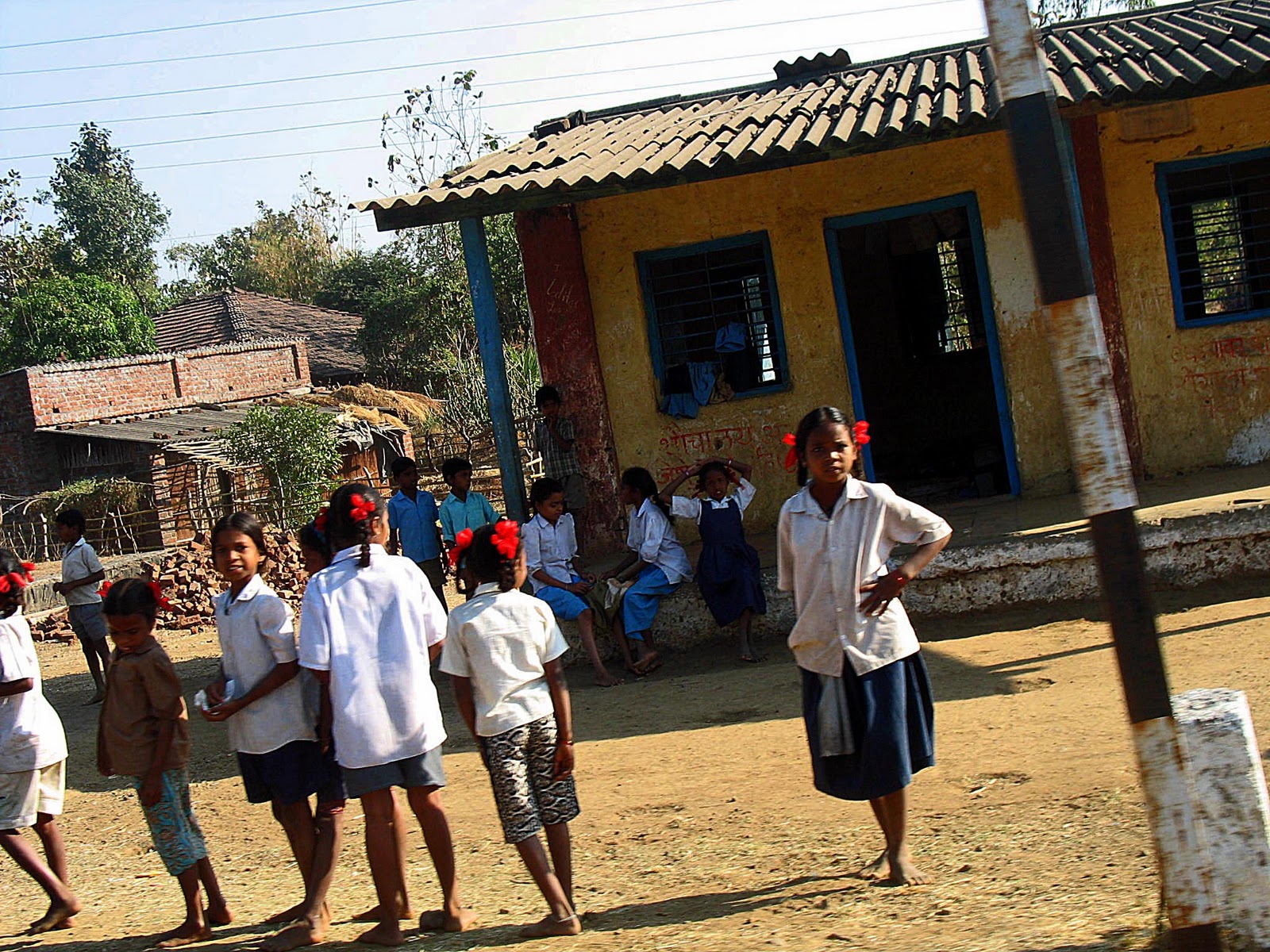
The annual survey done by the Indian education research group Pratham reveals that the standards of education in rural India have declined every year since 2009 despite huge government investments in the field.
The Right to Education Act passed in 2009 guarantees state schooling for children from six to 14 years of age but the study said that the enrollment levels reached 96 percent in this age category in 2013, a marginal difference from 2012. The survey showed that in 2009, 52.8 percent of children in standard five across government and private schools were able to read a text from standard two, this fell to 47 percent in 2013. The enrollment of children in private schools increased slightly in 2013 to 29 percent. This number was just 18.7 percent in 2006. The report pointed out that the guarantee of education is meaningless without satisfactory learning. There are serious implications for India’s equity and growth if basic learning outcomes do not improve soon. The survey was conducted in 16,000 villages across the country and covered about 600,000 students in government and private schools in rural areas.