Home Blog Page 975

Infrastructure is the largest Skilled Manpower Hungry Sector: Kamini Prasad

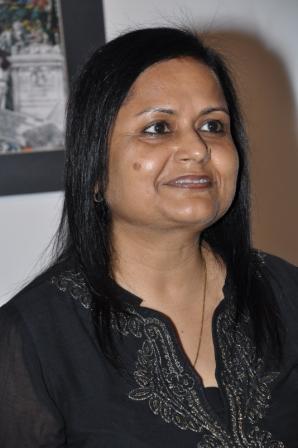
Kamini prasad, COO, Centum Learning
Considering the growing importance to offer skill based training programmes right at the school level and with the introduction of National Vocational Education Qualification Framework (NVEQF) right from class IX, the demand for vocational education programmes is going to soar across all levels. Centum Learning, an end-to-end training and skills provider is all geared to tap this opportunity by offering skill based programmes for schools and colleges. Kamini Prasad, Chief Operating Officer – Professional Education & Training, Centum Learning in conversation with Pragggya Guptaa shares the various models of skill development taken up by the company. Excerpt:

Centum is one of the largest companies in the skill development area. Please shed some light on company’s operations on skill development sector.

Centum Learning aims to be the most admired learning and skill development partner, enabling sustainable transformation. It provides end-to-end training and skill development solutions to improve productivity for businesses on one hand and employability enhancement for youth on the other. It addresses the entire talent supply chain ranging from students who have passed Class 8 to post graduates and even professionals in large corporates.

It is great to see that nation’s focus has shifted on vocational training, skill development and employability. That is the way we look at our core competency. We have been doing skills development in India since 2006. Now we have our footprints across the country. Apart from India, we are also present in 17 countries of Africa and 20 countries over the world. If you look at Centum Learning, we are majorly into corporate, individual training and Government. And if you look at the number of people we train each year which is somewhere around 200,000 majority of it is the corporate part, which means that people are employed, but they need to develop further to be able to perform their roles in an efficient and effective manner. It is not one of training that we talk of, it is a typically continuous engagement with the employees by facilitating them on the job, sometimes auditing and giving them feedbacks, in the areas of development.

The other aspect is the individual training – Providing Trained Manpower to Organisations at entry level where we do the sourcing, the pre-hire trainings and then send candidates for recruitments. Therefore, wherever there is a need of Skilled Manpwer we go to those locations, set up mobile training centers, source candidates, train them up for the jobs and then the recruitments happen.

The third kind of engagement is under a PPP model, where the organisations enter into a public private partnership. The government provides the infrastructure support, the Corporate sponsors Skill development under CSR and we Manage the operations from concept to the conclusion.

The fourth model is around the government schemes where there could be bidders running into hundreds.  A clear organized method is still to emerge and I am sure we will soon see a path where there is higher degree of clarity and consolidation. We as an organization are working both at the Central and state level.

Under the NVEQF scheme, awareness exercise is being taken by the government but more is required to reach out to the beneficiaries.  Under the scheme, level one to level four, falls under the ambit of schools. CBSE has been empanelling Skill Knowledge Providers (SKP). We have been empanelled as SKP and we have been awarded various trades in 22 states and union territories. In addition we are doing school projects in Himachal Pradesh in 25 schools, where we are providing IT-ITES Vocational training to the students, since August.

What are the key areas that are hungry for skilled manpower?

If we look at the latest reports, infrastructure is the largest one, which includes roads, bridges; constructions etc where lots of skilled labors, skilled people, and skilled resources would be required. IT-ITeS is another one. Across businesses IT plays an important role. Even in manufacturing units, there is a big role for IT. The Service Sector has the capacity to take in lots of skilled people. Education, where we keep talking about skilling, training, teaching, and literacy levels, but we do not have equipped people who can really carry it forward. Not to forget Agriculture, Manufacturing and others. So these few areas I would say are the major ones that are being termed as hungry for skilled people. But at the ground level, we cannot generalize Skills needed across the country. It is very a region / state dependent. We have to look at the local requirements and then design the skill programs to meet those Job opportunities because the focus is on employment and not just employability. Employability may be the first step but employment is the final one. An employment could be met in terms of being employed in an organisation, or working for the unorganized sector or being an entrepreneur thereby providing means for livelihood. Therefore, when we plan our programs, we focus on the local requirements, more.

What are the various milestones achieved by the company?

There are several but I will list a few related to Skills in Schools. We have a partnership with Central Board of Secondary Education (CBSE) to offer Effective School Management and Leadership programme to heads of institutions, academic staff and teachers. We are also empanelled by CBSE as a Skills Knowledge Provider (SKP) to provide vocational education to students at CBSE schools at the secondary and senior secondary level. Overall, through various channels across the country we are working closely with NSDC in the mission of Skilling the Youth of the Country.


Doon Public School Stupendous Accomplishments: Our Pride And Glory

Education at Doon Public School epitomizes nurturing intellectual curiosity to bring out academic excellence and aptitude so as to equip the students with the lifelong skills and experiences. The hi-tech education in the school is seamlessly integrated with multimedia devices, to create a truly immersive learning experience.
Doon Public School was felicitated with the BEST E-SCHOOL AWARD by WORLD EDUCATION AWARDS at the WORLD EDUCATION SUMMIT held at Le Meridian Hotel, New Delhi. The award has been bestowed for the School’s stupendous initiative in the e-school programme.
Our School’s tie-up with the British Council has led us to the ISA Project (International School Award) which has streamlined our efforts through myriad activities.Students of class 11 competed in Debating Matters India- 2013, organised by the British Council and thus made it to the Regional Finals of Delhi and made the school proud. Nipun Jain of class 11 was adjudged Best Interjector in the debate organized by Controversial 2013 which is another feather in the cap.
The scientific temper and aptitude of the students is truly reflected in the various achievements made by them. Mantosh of class 12 participated in the debate on ‘Uses of Biotechnology in Animal Welfare and Agriculture is the Need of the Hour’ held at Shah International School, Paschim Vihar and got 1st Prize. Our school brought laurels in the Science Exhibition conducted by CBSE and got a consolation prize for making the model on The Modern City. The Social Science Department bagged a Commendation Certificate for the model making, depicting the Relationship between Agriculture and Industry at an International Geography Olympiad held at City Montessori School, Lucknow.

Cbse Class 10 and 12 Result Highlights
The students have been ranked amongst the top 0.1% at the All India Level and find places in prestigious professional colleges like IIT, NIFT, IIST and many more.
In class 12, 158 students scored distinction in English, with 96 being the highest. Harshit Gupta received a Certificate of Merit from the CBSE for achieving 0.001 % category of the meritorious students.
In Mathematics Anchal and Abhimanyu scored 99 whereas Richa scored 96 out of 100 and amazingly 13 students scored 95 marks out of 100.
In the Commerce Stream Anchal Gupta secured 96% and got 1st position and received a Certificate of Merit from CBSE for the subject Economics for being in the 0.001% category of meritorious students. Richa secured 95.6% and stood 2nd. Ankita Saxena got 3rd position securing 95%. In Economics the highest score was 99. In Business Studies 42 students got distinction and the highest score was 98 whereas in Accountancy 97 was the highest score and 32 students passed with distinction.
Tanya Wadhwa of Humanities Stream was a topper with an unsurpassed overall percentage of 92.4 %. In Computer Science the highest marks 92, were secured by Himanshu Goyal , who was the topper in the Science Stream with 94.8% . In Physical Education Manisha Shokeen scored 99/100 and topped in the West District.
The sports faculty of the school has made us proud with extraordinary achievements. In the Inter School Table Tennis Competition our students bagged 2nd Position, in Badminton 3rd Position, in Volley Ball and Basket-Ball Competition 3rd Position and in Foot-Ball and Kho-Kho Competition, 4th Position was bagged by the sports students. In Taekwondo, 2 Gold Medals were won at the School Level (National) and at the CBSE Level (National) and 3 students represented at the District Level.
Our School Band bagged 2nd Prize at the Zonal Level and was exclusively invited to display its aura at the Sports Athletic Meet Open to receive the guests at the Zonal Level.
Thus the students with their immense potential made the school progress in leaps and bounds and taking its glory to the zenith.

10 Game Changers in Education

Empowering the poorest through education

One needs a lot of conviction to bring the tribal children from the lap of poverty and give them all the necessities of life, money can buy. The story of his life is a journey from abject poverty to opulence and to sacrificing of opulence for the uplift of the people languishing in poverty with consequent attendance of ignorance and neglect

LeaderDr Achyuta Samanta
Organisation – KISS and KIIT
Vision – To provide quality education and opportunity to the poorest-ofthe-poor indigenous tribal children for their all round development
Establishment Year – KISS (1993) and KIIT (2004)
Reach – KISS (20,000 tribal children) and KIIT (over 20,000 students)

His simple vegetarian food, inexpensive dressing and endearing smile speak a lot about him. Dr Achyuta Samanta drew positive inspirations and worldly wisdom from his childhood tribulations and grew up wholesomely to chase a vision of a world sans hunger and illiteracy and to bring smile on the faces of the socio-economically challenged indigenous tribal community of Odisha.
Having grown up in a dilapidated thatch-roofed house and nurtured them mostly with rice gruel and wild spinach because that was everyday hard menial work by his mother could fetch, Dr Samanta, followed the elderly boys to reach the school. Surprised by his keenness to study, the headmaster of the school took him in the school and from there started Dr Samanta’s academic journey- from primary school to high school, from high school to college, and from college to university finally endowing himself with a meritorious degree of the Masters in Chemistry that landed him in a lecturer’s job in a college in Bhubaneswar.

His childhood struggle for survival and education stirred him endlessly and a strange spirit began to possess him. While he was pursuing his college education in Puri and later postgraduate education in Utkal University in Bhubaneswar, the young Samanta used to augment his paltry scholarship money to meet his expenses by rendering tutoring service to school students and this led him to discover an entrepreneur in him.
He became occupied with his entrepreneurial abilities and he looked forward to empowering the hapless unemployable young children who failed to make it big in the academic field. With Rs 5000, all that he had saved from his not very big income from the teaching job, Dr Samanta started an Industrial Training Institute in 1993 in a two-roomed rented building in Bhubaneswar.

Dr Samanta’s visionary mind and adept cincts of KIIT for providing free education to the tribal children with free lodging and boarding facilities. This fledgling school has now grown into a mammoth tribal residential school providing free education from Kindergarten to Postgraduation, free lodging and boarding with all modern amenities and state-ofthe- art-technology-empowered independent campus to over 20, 000 children and youth belonging to the poorest-ofthe- poor indigenous tribal communities; a feat hailed as only one of its kind in whole of the world. Establishment of KIIT and KISS shows just a small facet of Dr Samanta’s multifaceted personality. His respect for mothers wish and his commitment to the routes transformed his remote village Kalarabanka to a model one by providing all facilities and amenities of city life. With his faith and beliefs strongly founded on right effort and perfect maneuvering, he works for a genuine social cause and the success inevitably follows like providence and this has remained the mantra for his stupendous success. It is the love for humanity that inspires him to stand as apart as a class of his own in the midst of the crowd of philanthropists. hands weaved an educational institution that has become a model for emulation.

KIIT Group of Institutions, which had started a decade and a half ago with an Industrial Training Institute, has become the largest educational conglomerate in Bhubaneswar. Encompassing over 500 acres of prime land, KIIT today stands with 7.5 million square feet of built-up area in immaculately architected buildings cut into 20 contiguous independent sprawling campuses with state-of-theart facilities. Starting from Engineering, MCA and MBA, KIIT has added programmes like Rural Management, Law, Bio-technology, Medical Sciences, Nursing, Dental sciences, Fashion Technology, Cinema and Media Studies, Sculpture Studies, Humanities, Languages, Yoga and Spiritual studies to its fold over a short span of 16 years.

By about the same time when KIIT was beginning to shape up, Dr Samanta had already weaved a plan to empower the marginalised poorest-of-the-poor indigenous tribal children of the state by providing a level playing field. With the conviction that ‘illiteracy breeds poverty and literacy eradicates it’, he established in 1993 a small school, Kalinga Institute of Social Sciences (KISS), within the precincts of KIIT for providing free education to the tribal children with free lodging and boarding facilities. This fledgling school has now grown into a mammoth tribal residential school providing free education from Kindergarten to Postgraduation, free lodging and boarding with all modern amenities and state-ofthe- art-technology-empowered independent campus to over 20, 000 children and youth belonging to the poorest-ofthe- poor indigenous tribal communities; a feat hailed as only one of its kind in whole of the world.

Establishment of KIIT and KISS shows just a small facet of Dr Samanta’s multifaceted personality. His respect for mothers wish and his commitment to the routes transformed his remote village Kalarabanka to a model one by providing all facilities and amenities of city life.

With his faith and beliefs strongly founded on right effort and perfect maneuvering, he works for a genuine social cause and the success inevitably follows like providence and this has remained the mantra for his stupendous success. It is the love for humanity that inspires him to stand as apart as a class of his own in the midst of the crowd of philanthropists.

Creating future professionals
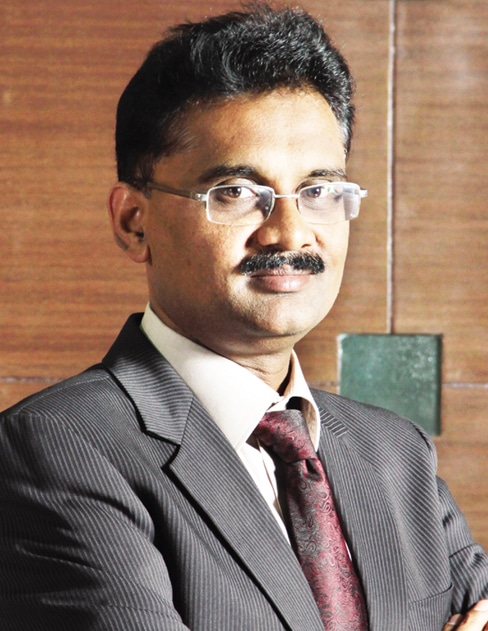
A successful businessman, Ashok Mittal’s urge to do something for the society brought him to the work in the education sector. His passion to create professionals and not just academics drove him to establish Lovely Professional University. A journey that started as a corporate social responsibility initiative became a social responsibility with time. Rozelle Laha of Elets News Network (ENN) finds out how

Leader – Ashok Mittal
Organisation – Lovely Professional University
Vision – To transform the way education is delivered in India
Establishment Year – 2005
Reach – 28, 000 Indian students and 2, 000 foreign students from 32 different countries

Known for being a strong proponent of youth leadership education, Ashok Mittal started his career as a confectioner 52 years back. During 1999, ‘Lovely’ as a group was doing well. It was operational in the automobile and telecom sectors simultaneously. But, Mittal wanted to do something for the society. He was filled with ideas. He had plans to open up either a hospital, dharamshala or an orphanage house, just when he realised the need of bringing in global education facilities in the home country. With the faith that “Education is perhaps the best way to train students who can serve the nation in future,” Mittal established Lovely Professional University.

So, what makes Lovely different from the rest? As Aman, LPU Chairman Romesh Mittal’s son says, “Our aspirations to become the best and expand and not only in the country but across the world makes us different from the rest.”
In 2005, with the aim of bringing US education system to our country, Mittal applied for a university status with the Punjab Government to be able to introduce innovative curriculum pattern. On being granted the same, Mittal played an influential role in shaping the curriculum and introducing innovative teaching methods.

With time, the university got good response from the parents of the students who were well placed after graduating from Lovely Professional University and as Ashok Mittal says, “The fact that we have been able to create a difference in their kids was the propelling force that made to us to go ahead and do something big.”
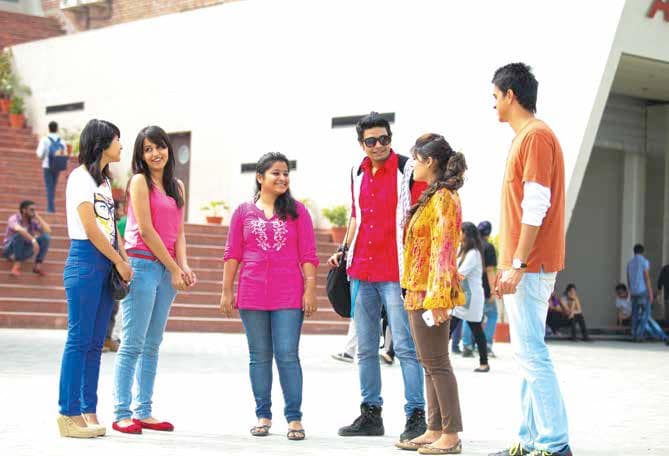
As Aman communicated the vision of the Mittals, “We wanted to create an university very close to the US education system university as a lot students were going abroad for a their education , so we thought of creating something similar or better in India.” Though India has given the education system to the world, over the years we did not follow the legacy of Takshila and Nalanda and universities in some of the foreign countries emerged as a role model. “To bring back the status of hosting some of the best universities in the country, we have to emulate some of the models in the US pattern in addition to the much praised Takshila and Nalanda style,” Aman says.
LPU not only ensures a good learning environment, but also ensures diversity. The campus hosts 2, 000 international students in the university coming from 32 different countries of the world like Indonesia, Tanzania, Lativia, Germany and so on. Cross cultural interactions help build a strong network and learning environment.
” Education is perhaps the best way to train students who can serve the nation in future – Ashok Mittal “
A foresighted entrepreneur at heart, the Mittals wanted to change India through education.
Under the leadership of Ashok Mittal, the University has tied up with various foreign universities and is expected to be established as an international university by 2015.
A true visionary, Mittal says, “Experimentation is what we are committed to. Excellence is what we strive for, and service of mankind through education is what we stand for. The saga has just begun and many milestones have to be achieved as we move ahead on our journey.”

Upskilling Indian youth for a better future

Dilip Chenoy has been a guiding factor for NSDC in achieving its goal to foster private sector and industry participation in skill training and development. He has been successfully doing the crucial balancing act between the private and public interests in an initiative that helps millions of people in gaining the required skills.

Leader – Dilip Chenoy
Organisation – National Skills Development Corporation (NSDC)
Vision – To contribute significantly (about 30 per cent) to the overall target of skilling / upskilling 500 million people in India by 2022
Establishment Year – 2009
Reach – 300 districts covered by 2012, trained 9.5 lakh people

After serving as Director General of the advocacy group for the automobile industry in India, Society of Indian Automobile Manufacturers (SIAM), where Chenoy was responsible for setting the technical, economic and social responsibility agenda for the automobile industry, shifting the track to National Skill Development Corporation (NSDC) was a role that couldn’t have suited him better. As MD & CEO of NSDC, Chenoy travelled to remote places in India and work on grassroots level, something he always wanted to do.
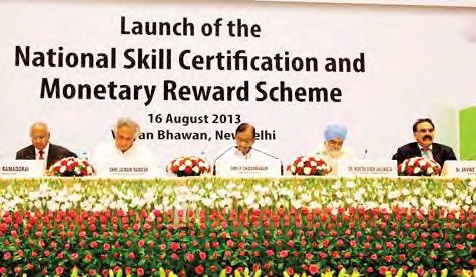
Skills shortage and the gap between demand and supply of skills led to the establishment of NSDC in 2009. A brainchild of Ministry of Finance, NSDC is a public-private partnership with the objective ‘to skill 150 million people in India by 2022 by fostering private sector investment and initiatives in training and skill development in 21 high growth sectors and the unorganized segment.
Chenoy also worked on the competitiveness of Indian industry with Professor Michael Porter, Harvard Business School, as a part of an Indian team. He has played a seminal role in the accomplishment of the vision of the ministry in the skills sector.

NSDC has an equity base of Rs 10 crore, of which 49 percent is in government’s share and private sector accounts for 51 percent.

How does NSDC work?

NSDC primarily has three functions- to create large-scale sustainable training organizations, to fund organizations to set up or expand training initiatives either in a sector or across sectors and to set up an eco-system that leads to skills development becoming a sustainable venture as well as a program that meets industry needs. NSDC supports skill development efforts, especially in the unorganised sector in India by funding skill training and development programmes. It also engages advocacy and training programmes, in-depth research to discover skill gaps in the Indian workforce, and developing accreditation norms.

NSDC provides services in 21 sectors like Automobile, electronics hardware, textiles and garments, gems and jewellery, building and construction, handlooms and handicrafts, IT or software, ITES-BPO, real estate, media, entertainment, broadcasting, healthcare, banking, education or skill development and unorganized sector among others.


To scale up efforts necessary to achieve the objective of skilling or upskilling 150 million people, NSDC strives to develop ultra low cost, high-quality, innovative business models, attract significant private investment, ensure that its funds are largely re-circulating i.e. loan or equity rather than grant, create leverage for itself and build a strong corpus.

The NSDC aims to catalyse initiatives that can potentially have a multiplier effect in this space. It strives to involve the industry in all aspects of skill development. The approach adopted by NSDC is to develop partnerships with multiple stakeholders and build on current efforts, rather than undertaking too many initiatives directly or duplicating efforts currently underway.
National Skill Development Corporation is an apt example for the optimum use of public private partnership model for social development. Dilip Chenoy spends most of his time in providing a strategic vision to NSDC in ensuring that the team moves in one direction in achieving the mission of the organisation.

Each child will attain education one day

Shaheen’s desire to impact the lives of less privileged children is something one would barely fail to notice. With a purpose of changing lives in heart and a mission to build a movement of leaders who will eliminate inequity in education, Shaheen started working on the idea of Teach For India (TFI) since 2007. Rozelle Laha of Elets News Network (ENN) interacts with the creative thinker to find out her inspiration behind TFI and her vision forward.

Leader – Shaheen Mistri
Organisation – Teach For India
Vision – To build a movement of leaders who will eliminate inequity in education
Establishment Year – 2008
Reach – 1000 classrooms across the country impacting over 23,000 children

In 1989, Shaheen was enrolled in an undergraduate programme in Tufts University. During her holidays, she happened to walk into one of the infamous slums in Mumbai. Moved by the neglected plight of children, she started the Akanksha foundation in 1991 to work with children. Shaheen had started Akanksha at the age of 18 with the same aim. From 15 children in one centre in 1989, the foundation is now spread over 3, 500 children across Mumbai and Pune, and has 58 centers and 6 schools in Mumbai and Pune.

Shaheen did not stop there. By mid 2000s, she began researching ways and means to replicate child-by-child victories on a national scale. Teach for America (TFA), a US non-profit or ganisation founded in 1989 by Wendy Kopp, alumni of Princeton University inspired her. In her final year thesis at Princeton, Kopp developed the Teach for America model, that is, to recruit high-achieving university graduates to teach for at least two years in lowincome schools, and subsequently become champions of school education throughout their professional lives.

“I saw promise in adapting the TFA model to India and in 2006 I reached out to Kopp for support and guidance, prompting her to take a week-long reconnaissance trip to Mumbai,” Shaheen recollects.

The timing was perfect because the 15-year-old TFA was ready to take its tried and tested model worldwide through the Teach For All initiative, an affiliation of NGOs in various countries committed to using the Teach For America model.
TFI encourages exceptional college graduates and young professionals from across the country to teach for two complete years in under-resourced schools. The first batch of 87 young Teach For India Fellows started teaching in June 2009.
So, who is a TFI Fellow? As Shaheen informed, “With a very detailed screening process and selectivity of less than 10 percent of total applicants, we recruit Fellows who have demonstrated excellence and leadership skills in different sectors and academic and professional backgrounds.”
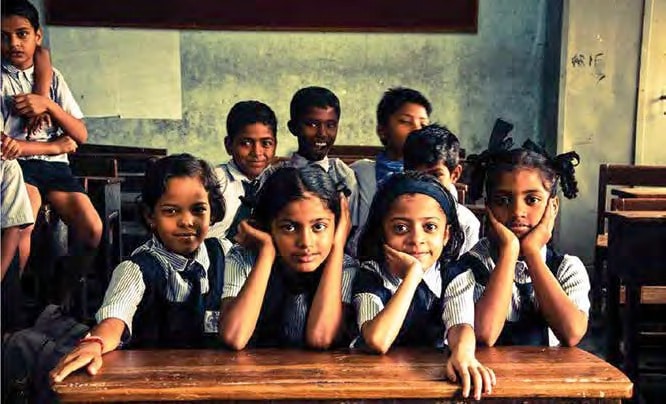
Looking back I feel it is has been a long journey- from my kids not knowing ABC and numbers to now writing beautiful stories and reading books like Roald Dahl, gives me immense happiness. The journey has not been easy. Today, as I step into class every day, I know I made the right choice. Mansi Bhatia 2011 Delhi Fellow Teach for India

TFI Fellows work diligently as dedicated teachers to expand, in a measurable way, the educational opportunities available to thousands of India’s most underprivileged children. In the long run, regardless of the career path they choose after their Teach For India Fellowship, the Fellows will work towards fighting educational inequity in India, with their willingness and capacity to create change. Shaheen believes, “They (TFI Fellows) may work as CEOs making the corporate sector more responsible, or as journalists highlighting key legislation in the media, or as entrepreneurs developing low-cost technologies for under-resourced schools.”

Like all other ventures, TFI too faces challenges. As Shaheen mentioned, “One of the biggest challenges that TFI faces is to maintain a balance between scaling the movement quickly and continuing to maintain the highest levels of quality and impact.”

By 2016, TFI aims to place 2, 000 Fellows in eight cities impacting 60, 000 students, other teachers in their school and the community at large.

Every child in school and learning well
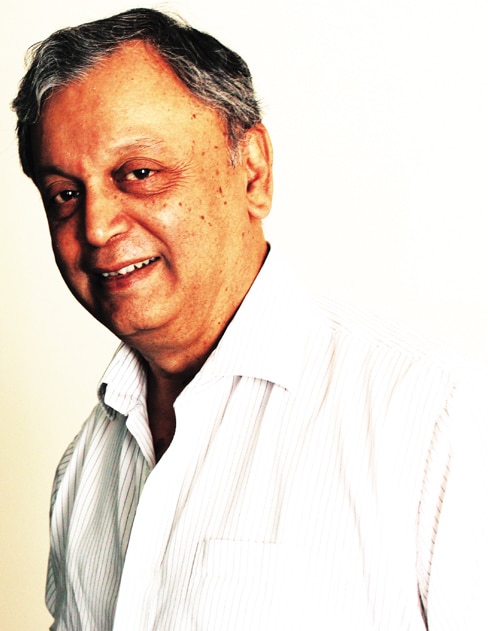
A PhD graduate from Ohio University, Dr Madhav Chavan came back to India with a dream of making a difference in the education sector of the country. His belief that education is the fundamental right of every child and perseverance to provide low-cost solution for mass literacy has made Pratham a well known name in the field of education in the developing world

Leader – Dr Madhav Chavan
Organisation – Pratham
Vision – To ensure quantum and visible improvement in the enrolment and learning levels of the underprivileged children
Establishment Year – 1994
Reach – Pratham benefits around 34 million children across 20 states in India

With the focus to work at the grassroots level and solving the problem of access to educational opportunities, Dr Madhav Chavan, started the initiative Pratham in 1994. Hailing from a humble background in Maharashtra, Dr Chavan served as a professor at University of Houston and Institute of Chemical Technology before working with National Literacy Mission in the slums of Mumbai in 1989. After producing a couple of literacy programmes for Doordarshan, he was invited to work with a UNICEF project to teach in Mumbai slums. UNICEF had originally set up the Bombay Education Initiative in Mumbai to establish a three way partnership between the government, corporate and civil society to improve India’s primary education. This eventually led to the formation of Pratham as an independent charity in 1994.

Pratham, an organization dedicated to providing quality education to underprivileged children in India, has been providing school education to children in slums in 17 states of India. It also has its chapters in United States, UK, Germany and UAE. Pratham has become a powerful voice in the area of educational reform. Starting by setting up pre-schools in community spaces or people’s homes in slums, Pratham introduced remedial literacy learning in Indian schools and focused on measuring outcomes. It endorsed that classrooms could be anywhere, under shady trees, amid rubble heaps of pavement, homes of migrant workers in cities or just in front of a blackboard propped in the narrow alleys of Mumbai’s slums.

The Annual Status of Education Report (ASER) facilitated by Pratham is referred to by the Central and State Governments for formulating various plans and policies. Read India, the flagship programme of Pratham, was launched in 2007 to improve reading, writing and basic arithmetic skills of 6-14 year old children and is carried out by school teachers, anganwadi workers and volunteers, whom Pratham trains. Read India has reached approximately 34 million children. Since 2004, the organisation also publishes quality books at affordable prices for children to complement Read India. Pratham has also set up other programmes for disadvantaged Indian children and youth, including Pratham Council for Vulnerable Children (PCVC), Early Childhood Care and Education Centre (ECCE), Vocational Skills Programme, and Computer-aided Literacy.

One of the major challenges faced by Chavan at the inception of the organisation was shortage of resources, both human and financial. Pratham was a novel concept and it was hard to convince people of its success or acceptability in the society. The organization faced the initial hiccup of not finding the requisite financial banking but once the start-up took off, it has only grown from strength to strength. Pratham’s strongest point has been its ability to mobilize people. In future it aims to be recognized for its ability to build capacities to deliver a high-quality, education-related services as well.

Dr Madhav Chavan, a beacon for education at grassroots level, has been a member of National Advisory Council from 2004 to 2008. He is also a member of the Governing Council of the Sarva Shiksha Abhiyan Mission (SSA) of the Government of India and has been a member of four half-yearly Joint Review Missions of SSA.

Bringing a smile to every child

With the aim of creating a schooling experience that promotes diversity and access to education for all, Dr Pascal Chazot established Mahatma Gandhi International school in 1998. It is his fervor for providing an alternative education that is at par with the international counterparts that has made the school one of its kind in India.

Leader – Dr Pascal Chazot
Organisation – Mahatma Gandhi International School
Vision – Creating an educational project that emphasises on holistic learning rather than teaching; focuses on equipping the students with skills; provide them with tools to face the future, to shape it and to change it.
Establishment Year – 1998
Reach – 310 students, from 12 different countries, with equal male and female ratio

Dr Pascal Chazot has a long, illustrious career in education and international cooperation spanning over three decades. An elected Member of Parliament for the French overseas and a French Civil Servant, Dr Chazot came to India as the Director of Alliance Française d’Ahmedabad.

In 1998, after completing his term, he founded Mahatma Gandhi International School (MGIS) with his wife, Anju Musafir. The school was created as a public-private partnership with the Municipal Corporation of Ahmedabad and went on to become the first International Baccalaureate school of Gujarat. As the head of school and director of research and training at MGIS, Dr Chazot has done pioneering work in pedagogy that impacted both policy and practice at the state and national level.

MGIS is a democratic school based on the tenets of equality and freedom, where students make their own rules and construct their own learning in participatory processes. Learning is interdisciplinary and students undertake projects such as running their own cafeteria, making short films on social issues for the Ahmedabad Municipal Corporation, voter awareness films for Election Commission and so on.

The school organizational structure did away with hierarchical power and instead introduced participatory management. The school provides quality education that is accessible to all sections of society irrespective of caste, socioeconomic status, religion and nationality while being free for the under-privileged.

There were not many international schools in the country when MGIS was founded in 1998. It was an effort ahead of its time. Dr Chazot, in another pioneering effort, has launched the first of its kind vocational center to develop skill based technical education center at school level in India. He championed the cause of creating a schooling experience that promotes inter-cultural understanding and mutual respect by encouraging all forms of diversity within and without the classroom in order to engender diverse learner interactions, which are a fundamental resource to its innovative pedagogy.

Dr Chazot has been invited to chair several committees in India and in France.
He completed a term as Member of the Education Committee of Board of Governors of the International Baccalaureate Organisation in 2011. He is a member of the International Mind, Brain and Education Society with the Graduate School of Education, Harvard University. Dr Chazot is also a published author, columnist and teacher trainer. His doctoral thesis on education was rewarded with a gold medal for best research by the University of Paris, he was also conferred a Doctorate of Honour in Education in addition to his PhD. Dr Chazot is an erudite man with Masters in Sanskrit, Indian Medicine and psycho-linguistics. He has a background in applied mathematics too. Apart from his native French, he is fluent in English, Hindi, Nepali and Newari.
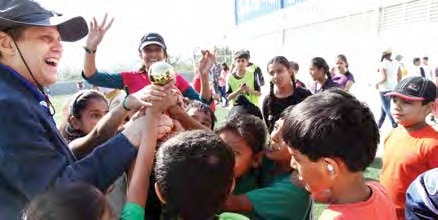
He has been delivering engaging teacher trainings in India and across the world and more importantly for creating the space for alternative education to coexist with the existing education system. Speaking of his vision of action-research in schools and an education for citizenship, Dr Chazot says, ‘I simply want to put a smile on every child’s face’.

Social change through public policy

Parth J Shah’s dream to bring about a change in the system through constant dialogue, publications, seminars and research about policy led to the foundation of centre for civil society in 1997. Shah’s unstinted determination to improve the quality of life of the citizens by reviving and reinvigorating the institutions of civil society has made the centre one of its kind in the country.

Leader – Parth J Shah
Organisation – Center for Civil Society (CCS)
Vision – To create a system of education where all children get access to quality education of their choice
Establishment Year – 1997
Reach – CCS supports National Independent Schools Alliance, an alliance of state school associations with 8000 member schools servicing 16,00,000 students across 19 states

Parth Shah was a revered professor of Economics at university of Michigan before starting the Centre for Civil Society (CCS) in India in 1997. Shah realized the power of economics in his college days and that it is the economic systems that would determine the kind of quality of life people would have. That is where the idea of starting a think tank germinated. Centre for Civil Society is a public policy think tank advancing personal, social, economic and political freedoms.

CCS offers public policy solutions within the framework of the rule of law, community engagement and competitive markets. It has adopted five streams of work: research, advocacy, campaigns, pilots, and policymaking. It has worked in six sectors in the past, i.e. education, economic freedom, governance, institution of community property rights for environment conservation, and promotion of globalisation and trade. Presently, the Centre is involved with two main campaigns, the School Choice Campaign and Jeevika Livelihoods Campaign.

The major hurdle before Shah after returning from US was to find the likeminded people in India to start with an initiative like CCS. Parth Shah was surprised not able to find even a handful of people who would see a different way of solving the country’s problem and would come together for a novel idea.
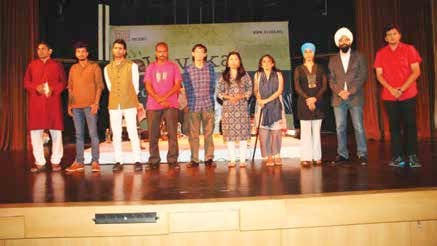
Parth Shah has also published academic articles in the areas of development economics, welfare economics, business-cycle theory, free or laissez-faire banking, and currency-board systems. He has edited books like Morality of Markets, Friedman on India, Profiles in Courage: Dissent on Indian Socialism, Do Corporations have Social Responsibility?, and co-edited Law, Liberty, and Livelihood, The Terracotta Reader, and Agenda for Change.

Affordable education for all

Making education accessible to all at affordable price has been the goal and driving force for Dr Sitansu S Jena for more than two decades now. Dr Jena has been doing path-breaking work in making Open and Distance Learning system a success in the country. His zeal to reach to the remotest areas of the country and educate every child has made National Institute of Open Schooling, the largest open schooling system in the world

Leader – Dr Sitansu S Jena
Organisation – National Institute of Open Schooling (NIOS)
Vision – Sustainable inclusive learning with universal and flexible access to quality school education and skill development
Establishment Year – 1989
Reach – Cumulative enrollment of 2.59 million across 19 regional centres and 2 sub-centres in India. It also has centres in UAE, Nepal,
Kuwait and Muscat. Overall it has 3827 academic centres, 1830 vocational centres and 690 open basic education centre

Dr Sitansu Jena has been working over the years to make education available to children in the remotest areas of the country. His unstinted dedication to accomplish this humungous task for providing access to education for all has led to the success of an institute like National Institute of Open Schooling (NIOS).

How does NIOS work?
The objective of NIOS is to reach every child in the country, make education accessible to all and develop skills. NIOS wants to make its share of contribution in the universalisation of education, for greater equity and justice in society and to the evolution of a learning society.

NIOS, formerly known as National Open School was established in 1989 as an autonomous organisation in pursuance of National Policy on Education 1986, to cater to the needs of a heterogeneous group of learners up to predegree level. NIOS provides a number of vocational, life enrichment and community oriented courses besides general and academic courses at secondary and senior secondary level.

NIOS aims at providing relevant, continuing and holistic education up to predegree level through Open and Distance Learning (ODL) system, contributing to the universalisation of school education and catering to the educational needs of the prioritized target groups for equity and social justice. The institutions also provides professional advice to the Government of India, and to the States, regarding proper development of ODL system at school level in response to requests from the concerned Government/s or suo moto. It accredit institutions for developing effective learner support system to facilitate learning up to pre-degree level and also provide professional/technical consultation in field of ODL to institutions/ organizations/agencies in India and abroad.

NIOS has provided a ray of hope to the students who cannot access education due to geographical barriers and financial obligationss. NIOS is an attempt to provide solution to the biggest problem plaguing the Indian education system, the problem of access to education. NIOS has done a pioneering job in enrolling students from the remotest of the areas in the country and providing quality education.
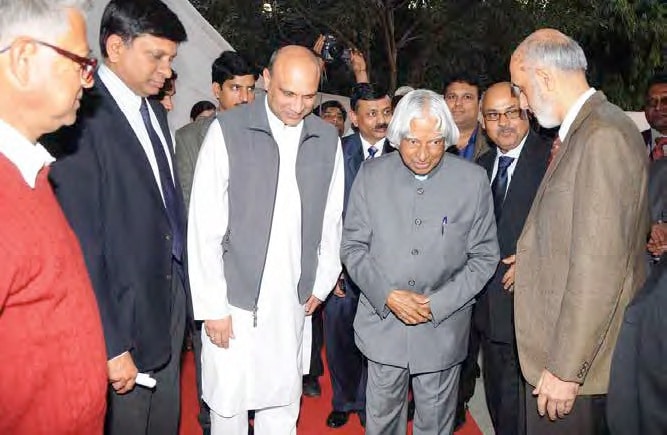

Dr Jena has been tirelessly working in the field of Open and Distance Learning education for more than two and half decade. Prior to working as Chairman of NIOS, he worked as the Director, Distance Education Programme (DEP) of IGNOU for training of teachers at elementary level under Sarva Siksha Abhiyan (SSA) through Open and Distance learning mode to achieve the goals of education for all. He is also the Chairperson of the National Consortium for Open Schooling, India. He also had the distinction as the founding Chairperson of Commonwealth Open Schooling Association (COMOSA). He has previously also worked as Dean, School of Distance Learning, Narsee Monji Institute of Management Studies, Mumbai.

NIOS has provided a ray of hope to the students who cannot access education due to geographical barriers and financial obligations.

Dr Jena’s fervor to enroll every kid of the country in school has resulted in enrollment of 2.59 million students in NIOS. Its huge bouquet of courses and subjects available through Open and Distance Learning, its vast geographical spread and substantial number of students enrolled with Open and Distance Learning system has made NIOS the largest open schooling system in the world.

Imparting value-based education
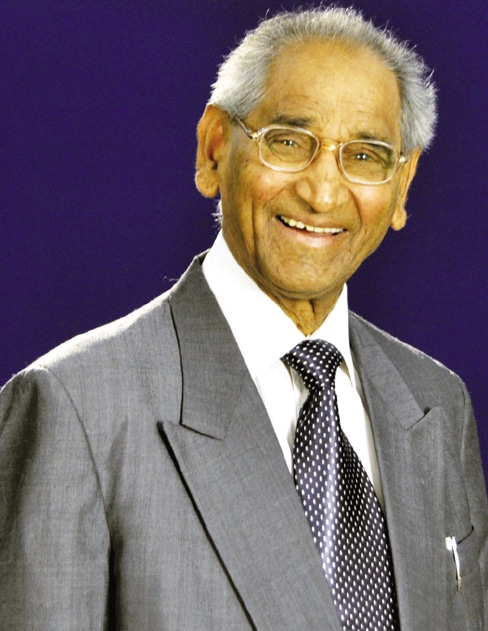
Jagdish Gandhi has a very different leadership style that has made ordinary people work extraordinarily. He put enormous trust in those who work around him. People around him take ownership and feel very much a part of the mission that he stands for

Leader – Dr Jagdish Gandhi
Organisation – City Montessori School (CMS), Lucknow
Vision – To make every child both good and smart and a gift of God to mankind and a pride of the human race
Establishment Year – July 1959
Reach – 47,683 students

To many who meet Dr Jagdish Gandhi for the first time, they often expect to meet a corporate person with a lot of airs about him. Instead they find a slight, unassuming person of great humility. He comes from a small village in the heartand of UP, who was inspired in his early childhood by Mahatma Gandhi and Sant Vinoba Bhave. To date, he lives simply, has no personal wealth to speak of, and works on average of 18 hours a day with no breaks or holidays. His office works 24 hours a day and he often refers to himself as “a man in a hurry”. He seems to have endless energy and plenty to do that keeps him busy.
CMS is a vision-lead organisation that provides lot autonomy to its staff who then works fearlessly towards its goals. CMS has 20 branches in the city of Lucknow with 20 principals spear heading. Despite its large population of over 47,000 Pre K-12 students, every child remains a focus.

” One major thing to happen in the education sector in the last 10 years is the realization that peace and unity education are absolutely necessary to develop a child into a responsible citizen of the society. “

CMS has a strong program for not only involving the parents but also of educating them to provide a consistent set of values at home as at school. CMS has created a range of literature and programmes for parents’ effective involvement. In addition, CMS has a strong programme of outreach to society with a range of initiatives at the local, national and internaeducattional levels. CMS works proactively on its social agenda such as through an Indo- Pak friendship initiative with exchanges and programmes between children of the two countries. At the international Level, CMS organises 32 International Events annually of which 25 events bring children together at different ages to participate in inter-cultural exchanges, competitions and olympiads that encompass the whole world. A unique conference of chief justices of the world has brought together chief justices and Judges from 112 nations of the world to CMS. Its mission is to protect the future and safeguard the interest of over 2 billion children of the world and generations yet to be born.

Guinness World Record since 1999, for being the World’s Largest School. UNESCO Prize for Peace Education, 2002, Derozio Award by Council of Indian Schools Certificate Examinations, 2000, Key to the City of Georgetown, USA, 2000, and several other awards as listed in the enclosed materials. CMS has been cited in International Literature across the globe.
Even at the age of 80, Dr Gandhi works harder than most people younger than him. Personally for himself he maintains a regimen of daily yoga and simple food. Providing an excellent education to students and ensuring that children coming out of its portals are not only academically strong but also a good human being is the keyword of CMS.

Quality education for nation building

Sushma Berlia is one of those few people who believe in giving back to the society. Seeking inspiration from her freedom fighter father, her contribution is not restricted to setting up many schools and higher Institutions, but she has also been immensely involved in moulding the educational system in the country by becoming a catalyst in the policy reform in education and skill development programmes in the country.

Leader – Sushma Berlia
Organisation – Apeejay Education Society
Vision – To promote a system of integral education that emphasises the unity of all knowledge, synthesises humanity and sciences and recognises that each child is unique
Establishment Year – 1967
Reach – Apeejay Education Society runs 13 Schools and 16 institutions of higher learning in India with more than 32,000 students on its rolls

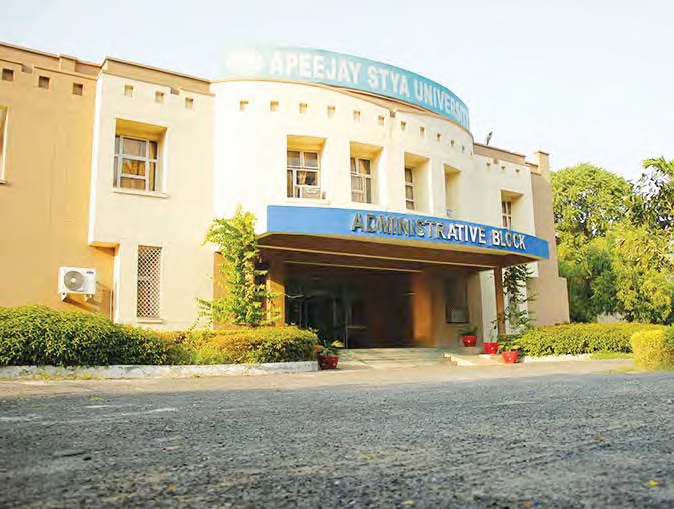
Sushma Berlia, an eminent entrepreneur and industrialist has touched the lives of many with her outstanding contribution in the field of education in the country. An Economic Honours from Lady Shri Ram College and Master’s in Business Economics from the University of Delhi, Sushma Berlia was well equipped to take her father’s, Dr Stya Paul who established Appejay Education Society (AES) in 1967, legacy forward. She took to business and industry in 1989 and is today a leading entrepreneur and a force to be reckoned with. She is presently the vice-president of AES and president of the Apeejay Stya Group & Svrán Group, an international conglomerate of businesses. Berlia has earned accolades for her professional and family approach to business, and for successes in building a diverse range of companies.

Having tremendous passion for education, Sushma Berlia has been the primary force behind the AES and the Apeejay Stya University, India’s first Liberal Arts University focused on research and technology. AES provides quality education from pre-nursery to Doctoral level with more than 85 courses to choose from. Social work and community service are the core part of the curriculum and culture at these institutes making them win a number of awards for their contribution to the nation’s skill building effort.

Over the years, Berlia has been helping students by providing scholarships to them to study in the premier institutes across the world and providing funds to build schools in rural India. She has also contributed extensively to a large number of public and private bodies to aid them in policy interventions and other initiatives.
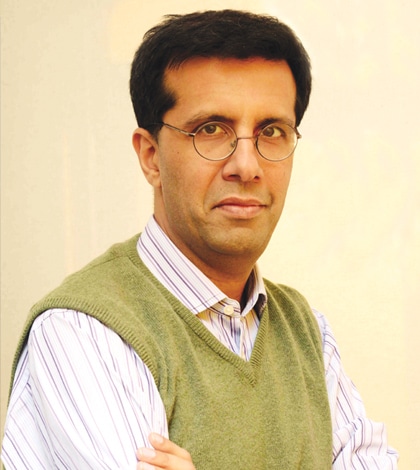
For life that I have to compromise at every step, I wish to live that is true but not this much and not at any cost’. I say this to illustrate the kind of regime, as far as Education is concerned that we were living in – Sushma Berlia

Berlia has been tirelessly working for the empowerment of women. Under her leadership the Apeejay institutions have setup a large number of programs and schemes to help women from every walk of life ranging from rural development programs, to upgrading of traditional skills in villages, from free health camps, to family education, scholarships and projects on low-cost health and hygiene products for rural women.

Berlia has always favoured direct interventions and setting up charities. She has also worked with and provided support to a range of non-profit programs like Tribal Welfare Fund, UNICEF, UNESCO, PM relief fund among many others. She is also deeply committed to preserving the culture and traditions while also promoting new cultural ideas, concepts and upcoming artistes.


Why RUSA Might Fall Short on Hope

Against the backdrop of nation’s optimism with Rashtriya Ucchatar Shiksha Abhiyan (RUSA) as a game-changer for its higher education sector, several state universities are skeptical about implementation of the guidelines in reality. Rozelle Laha of Elets News Network (ENN) finds out the views of the end beneficiaries of the scheme

The central government proposes to spend Rs 98,983 crore through RUSA over next eight years with the aim of strengthening the country’s higher education segment. Under RUSA, the funding will be released jointly by the central government and state government. State universities, the ultimate beneficiaries of RUSA are barely induced by the whole new funding mechanism. This prevailing communication gap between the implementers and the end users may lead to an undesired output from this overarching scheme.

RUSA Glimpses

RUSA will be implemented over 12th and 13th Five Year Plan period

Private government-aided institutions on fulfillment of certain pre-requisites can avail funds under RUSA

RUSA to cover 316 State universities and 13, 024 colleges

54 existing colleges to be converted into model degree colleges 150 universities and 3,500 colleges to receive infrastructure grants under RUSA

RUSA will support 5,000 faculty positions

RUSA’s financial outlay during 2012-17 (12th Plan) is `22, 855 crore

Out of `22, 855 crore, `16, 227 crore is under the share of the central government


No role-play for institutes in framing RUSA

The RUSA Mission Authority in collaboration with a Project Advisory Group, Technical Support Group and Project Directorate will be responsible for implementing the scheme at a national level. At the state level, State Higher Education Councils (SHEC) will be functioning as an autonomous body to coordinate directly with the RUSA Mission Authority and plan, monitor and ensure execution of the scheme. A State Project Directorate and Technical Support Group will assist SHECs and a Project Monitoring Unit will oversee the advancement of the projects in the institutes.
In the overall scheme of things, it is evident that there is no direct involvement of institutes in the overall policy framing process. All decisions will be passed on to the Mission Authority via SHECs. As Prof Mohan Paul Singh Ishar, Vice Chancellor, University of Jammu said, “The State Higher Education Council is supposed to forward our request to the UGC. In case, they start pruning or and put checks in the requirements (before passing it on to UGC), it will not be good. It was much better to apply with UGC directly. Now, we are not sure if the correct information will be passed on to them.” On similar lines of apprehension, Dr S S Chahal, Vice Chancellor, Desh Bhagat University, Punjab also added, “Policy is formed first and then we come to know.”
Some say that approaching the state government for funds was comparatively tougher. As Prof K Lal Kishore, Vice Chancellor, JNTU Anantapur, Andhra Pradesh says, the state councils are better aware of the issues faced by the universities than the state government and secretaries.
Lack of awareness among direct beneficiaries too can be a spoiler in the implementation of this centrally sponsored scheme. As Dr Akshai Aggarwal, Vice Chancellor, Gujarat Technological University pointed out, “All decision making in India is done by people who are not the direct beneficiaries. Those who travel by air and have never set their foot in a train decide policies about facilities to be given to railway travelers.”

“With nearly 96% of student enrolment in state universities of the country, it is indeed significantly important to fund them to ensure threshold quality is maintained”
A direct involvement of vice chancellors in the policy framing of funding mechanism could have played a crucial role in bringing to light the challenges faced by the fund starved universities. But, “It is often believed by Indians that policy issues are to be decided by the bureaucracy and the institutes have to implement that,” Dr Aggarwal said.
However, some are optimistic about RUSA. Success of RUSA is not only dependant on its own implementation but also the activities of other agencies linked to it. Accreditation from organisations like NAAC and NBA being prerequisites to apply for RUSA, it is essential for such quality assurance agencies to speed up approval process to ensure that RUSA is functional at the soonest, says Prof Lal Kishore says.
As we say, all is well that ends well, we can only hope that this policy too does not become another scheme on papers and demonstrate poor execution due to this existing communication gap. In words of Prof S K Singh, Vice Chancellor, Hemwati Nandan Bahuguna Garhwal University, Srinagar (Garhwal) said, “If the scheme is implemented with honesty, it can change the horizon of higher education of the country.”

State governments might thwart fund hope
As the ministry is singing paeans about RUSA’s ability to emerge as a game changer of the higher education sector, the universities show little confidence on release of funds in the state’s share.
Prof Narsimha Reddy, Vice Chancellor, M G University, Andhra Pradesh recalled upon state government’s failure to release its share of Rs 5 crore in the one time catch up fund. “It was decided that UGC and the state government will jointly provide Rs 10 crore to the new universities towards infrastructure development. Accordingly, the universities started to work on the budget of the proposed amount. But, though UGC released Rs 5 crore of their share, state government never did.”
RUSA initially plans to release some funds to the State governments to help universities become eligible for applying for funds. Following the accomplishment of the pre-requisites of commitments, the states will be funded based on achievements and outcomes. Performance will be gauged on the basis of access, equity and excellence. However, as rightly pointed out by Dr Chahal, “The details of evaluating these parameters have not been provided.”
Most universities are also seeing this process of applying for funds as an unnecessarily complicated process. “RUSA has complicated the funding process and the fear is that ultimately the funds might remain unutilised. Also, the process of applying for funds with UGC via the higher education council, will delay the process,” said Prof Ishar.
As per latest reports, the Central and State Governments respectively will fund universities in the ratio of 90:10 (North- Eastern States and Jammu & Kashmir), 75:25 (Other Special Category States like Sikkim, Himachal Pradesh and Uttarakhand) and 65:35 (Other States and UTs).
Most states at this point of time are faced with fund crunch. So, most vice chancellors have expressed their concerns over the probability of receiving the state’s share of funding.

Reshuffling might add to resource crunch
With the nation’s aim of improving the Gross Enrolment Ratio from 19 percent at present to 30 percent by 2020, RUSA would play a key role in establishment of new academic institutions in addition to quality enhancement of the existing ones.
As a big step towards quality improvement, RUSA guidelines limit the number of affiliated colleges per university. With such a move, a major reshuffling in the affiliation of colleges is to take place. Osmania and Pune like big universities with huge number of affiliated colleges are seeing it as a major issue.
As Prof S Satyanarayana, Vice Chancellor, Osmania University, Andhra Pradesh said, “Forming new universities is a big process in itself and then strengthening the constituents defining its constituent colleges is a different task. Faculty employment, non-teaching staff employment is also not easy. In this whole bifurcation task, the state universities and the existing universities might face lot of problems. There is a chance that revenue will go down.” Osmania University has 901 colleges and is the largest university in the country.
With nearly 96 percent of student enrolment in state universities of the country, it is indeed significantly important to fund them to ensure threshold quality is maintained. Keeping in view the same, RUSA is a much needed reform in the segment. However, as it is often told, any new policy face implementation glitches but since it is the first ever central funding initiative to institutes since independence, the policy can be a game changer despite all odds. With appropriate awareness of the same among beneficiaries and timely action by implementers, the scheme can help the nation for overall qualitative achievement of the targeted GER by 2020.

How Foolproof are Placement Reports?

More often than not stories of fudged placement reports have been a part of our discussions with acquaintances studying in B-schools. We all have heard of false claims made by institutes to attract students, one of them being 100 percent placement. In 2011, IIM Ahmedabad launched the Indian Placement Reporting Standards (IPRS) as a step to provide authentic and reliable placement data to help MBA aspirants make an informed decision. Three years down, how many MBA aspirants are aware about it? Anushi Agrawal with inputs from Veena Kurup of Elets News Network (ENN) finds out

Purvi Patel was at crossroads of her career after she failed to get admission to IIM Ahmedabad, her dream B-school. A final year MBA student, Purvi says, “I did not have any clue about IPRS that time. What a student needs at the time of admission is authentic information about the placement figures of a college. I did not know how to figure it out.”
Failing to gather the realities of placement data, Purvi not only browsed through institute websites, MBA education portals, magazines and B-school rankings, she also visited some institutes, spoke to students, alumni and counselors. “I hail from a middle class family. I was to apply for a huge loan for doing the MBA and any wrong decision could have put me in the soup,” Purvi said in retrospect. She was looking for the right course at various institutes with appropriate salary packages and her dream companies in their recruiters’ list, when she got a call from the institute she is currently pursuing her MBA. She realised that most of the professors were PhDs and the institute was ranked well in most rankings. So, she decided to go for it. It was much later that she reaslised that the institute is a signatory to Indian Placement Reporting Standards (IPRS).
Indian Placement Reporting Standards (IPRS) are instituted by IIM Ahmedabad (IIM-A) in 2011 to standardize B-school placement reports. While a few top B-schools are signatory to it but there are many, including IIMs, who do not comply with IPRS thus, making it a lopsided initiative. But the members are hopeful that as the system matures there will be many more participants in IPRS. It is also believed that IPRS will help put a check on fake placement reports in the long run.

Objective of IPRS
IPRS aims to bring in uniformity in the manner in which Indian business schools report salary and non-salary information related to placements. These standards would enable a fair comparison between B-schools on multiple parameters including compensation


The need for standards

The necessity of such an initiative was felt after there were reports of B-schools inflating their stipend and salary figures for summer and final placements which is often misleading for MBA aspirants. Moreover, each B-school has its own format of placement reports which does not make it comparable to others. Therefore, IPRS was devised as a solution to lack of standardization and clarity which may lead to misinterpretation of data leading to wrong decision making. “The standard was designed to ensure that aggregate level statistics are reported while still preserving the confidentiality of individual-level and firm-level data, thereby satisfying the needs of all stakeholders,” said Balasubramanian S, Coordinator, Student Placement Committee, IIM Ahmedabad.
IPRS is based on the MBA CSC Standards for Reporting Employment Data under the aegis of MBA Career Service Council since 1999 in United States. In India, IPRS require that placement data be audited by an independent auditor. CRISIL offers this service under the Business School Grading initiative. “CRISIL validates the information in the placement report with respect to remuneration, job function and location of the placement. The validation of the information is based on communication received by the institute. Each data point is verified through a valid set of documents which includes offer letters, IPRS forms, emails from official IDs and company presentations, among other documents,” said Anurag Jhanwar, Director, CRISIL Education Gradings. This verified data is then made available in the public domain to existing and prospective students, recruiters, media and ranking agencies and other stakeholders.
 

Followers of IPRS


• IIM Ahmedabad

• SP Jain Institute of Management and Research, Mumbai

• Sahyadri Institute of Management Studies, Pune

• Symbiosis Centre for Management and Human Resource Development, Pune

• TA Pai Management Institute, Manipal

• Kirloskar Institute of Advanced Management Studies, Pune

Are institutes ready for IPRS?
IPRS, an attempt to cleanse the mucky B-school placement reportage in the country is into its third year now. After the initial hiccups, today it has twenty nine signatories out of which only six have released their placement report as per the IPRS norms.
The program does not enjoy support from many B-schools since the beginning. The B-schools have been apprehensive about the data to be disclosed in the report since its inception. While India has about 3000 B-schools offering MBA programme, IPRS enjoys support from only 29 of them. IPRS has also come under a lot of criticism for being in favour of the established B-schools in the country as they usually have the big numbers to show in terms of salary packages or number of students placed. The relatively smaller or less known B-schools do not have similar figures to flaunt and thus IPRS put them in a bad light. But on the hindsight, the main purpose of IPRS is to check that these institutes do not fake their placement data to attract more prospective students. “Ranking agencies give very high marks to the placement records. Figures are manipulated, institutes which wrongly report 100% placement will not able to manipulate salary figures if their records are audited. This is one of reasons that prevent some of the institutes from being a part of IPRS,” says Abbasali Gabula, Deputy Director External Relations & Administration,B-school placement reportage in the country is into its third year now. After the initial hiccups, today it has twenty nine signatories out of which only six have released their placement report as per the IPRS norms. The program does not enjoy support from many B-schools since the beginning. The B-schools have been apprehensive about the data to be disclosed in the report since its inception. While India has about 3000 B-schools offering MBA programme, IPRS enjoys support from only 29 of them. IPRS has also come under a lot of criticism for being in favour of the established B-schools in the country as they usually have the big numbers to show in terms of salary packages or number of students placed. The relatively smaller or less known B-schools do not have similar figures to flaunt and thus IPRS put them in a bad light. But on the hindsight, the main purpose of IPRS is to check that these institutes do not fake their placement data to attract more prospective students. “Ranking agencies give very high marks to the placement records. Figures are manipulated, institutes which wrongly report 100% placement will not able to manipulate salary figures if their records are audited. This is one of reasons that prevent some of the institutes from being a part of IPRS,” says Abbasali Gabula, Deputy Director External Relations & Administration, SPJIMR. He added that in order to secure the future of the students, government should make a law that binds all the institutions to get their placement reports audited.

One of the major concerns for the B-schools is the cumbersome process of making the report as per IPRS norms. Prof Dwarika Prasad Uniyal, Associate Professor Marketing and Chairperson (Placements) of IIM Kashipur, which is the latest B-school to be the signatory of IPRS, says, “It gets quiet difficult to come out with the report on time since it is a very long process to collect the data. A new institute like ours which is doing it for the first time takes about 6 to 8 months to collect the data and come out with the report. It requires a lot of commitment to stick to the IPRS norms.” It is probably this lack of commitment on the part of B-schools that most of the signatories who have been part of IPRS since its inception have still not come out with the placement report as per IPRS norms for two years now. Raising this concern, Dr H S Srivatsa, Associate Professor and Chairman-Placements, T A Pai Management Institute (TAPMI) said, “All B-schools who are members of IPRS should participate to the fullest extent. It’s not enough if B-schools become members of IPRS and do not get their placement data audited.” This really fails the purpose being part of an initiative like IPRS.

Santosh Mathews, Vice President-Corporate, MITCON Institute of Management
Lack of awareness and the non mandatory approach might be among the few prime causes that have resulted in the non-acceptance of IPRS on a larger scale
Some of the institutes, including IIMs, who are not part of the initiative, believe that IPRS over-emphasizes on salary packages. MBA is not only about landing up good jobs and earning hefty salaries. Some of the IIMs have internal policy of not disclosing salary figures and this contradicts with the IPRS norms, resulting in their non-participation in IPRS. Dean of School of Management, NMIMS, Dr Debashis Sanyal says, “We have our own system of reporting standard and are quite happy with its functioning. Moreover, the market as a whole does not demand its necessity. We didn’t feel the standard is good enough for us to accept it.” Also most of the times, recruiters are not very cooperative in reporting the salary break-ups as per IPRS, further discouraging institutes to take up the initiative. The report clearly states that the individual level data specific to a student or a recruiter would not be shared as a part of the placement report. As pointed out by Abbasali Gabula, “IPRS is not company specific, it gives an overall picture of the institute. It is only a consolidation of data which is put before the public and such data should not be difficult for the recruiters or the institutes to facilitate for the report.”

Despite only six signatories complying with the IPRS norms, IIM-A is hopeful of a more positive response in the future. “Over the years IPRS has become more mature and refined with better data capturing and categorization and also detailed placement records. For the 2012- 13 Final Placements, we have seen highest levels of participation with data points being captured for 98.9 percent of PGP offers, 97.8 percent of PGPX offers and 100 percent of PGP-ABM offers,” said Balasubramanian S said.

IPRS cannot be a game changer until most of the B-schools comply with it. The standardization of data is only helpful when there is enough data to be standardized and eventually be compared. Data of only six B-schools do not give out any trend or help students in better decision making. “Though the standard has assisted in bringing more transparency in the placement reporting system, the scenario still awaits acceptance among the B-Schools at large. Unless the corporate start insisting on the standardization, IPRS will remain as a nicety,” said R Shreenath, Director, Corporate & Career Services, Great Lakes Institute of Management.
The Anatomy of IPRS
One of the major deterrents for B-schools to adopt IPRS is the structure of the IPRS report. It is quiet a task to release placement report as per IPRS norms. Institutes need to provide data regarding internship and final placements. Data collected for internship could be nonsalary information but data collected for final placements has to be both nonsalary and salary information.
Data required for IPRS for internship include job/role function, sector, location, responsibilities and stipend details. The recruiters and institutes are also required to report a split-up of the various components of the salary and not just the total Cost to Company (CTC).
Salary components to be reported as per IPRS include fixed yearly component, total one-time cash benefits at the time of joining, maximum possible performancelinked compensation during the first year of performance and maximum Earning Potential (MEP). The institutes also have to provide the minimum, maximum, mean and median salary statistics pertaining to students placed on campus.
Explaining the procedure of collecting the data for IPRS and making the report, Prof Dwarika Prasad Uniyal, who is in the process of making the report for 2013, says, “It is a three stage process, first an organization becomes a signatory, fills up a form and send it to IPRS. They need to collate all the information provided by the recruiters. They also send a supplementary sheet to the recruiters which needs to be filled by them, as many a times offer letters are not very clear on the breakup of the salary and only give CTC. Companies do not disclose salary break up at times in which case institutes can request their students to send across their salaries details. But there is no surety of compliance from students either. Hence, at times it becomes a difficult proposition for institutes.”


Salary components to be reported as per IPRS include fixed yearly component, total one-time cash benefits at the time of joining, maximum possible performancelinked compensation during the first year of performance and Maximum Earning Potential


Who does IPRS concern?
As stated in one of the objectives of IPRS, “The information based on these standards would provide media and ranking agencies with correct data and statistics for them to release the appropriate news and research reports. Also these standards would help aspiring students in taking career decisions based on correct information.” But the bigger question is, are students even aware about the existence of IPRS?
Nupur Mehta, MBA final year student says, “I am not aware of IPRS and have not heard about it before.” Another MBA student Sajil Shah who is aware of IPRS, wants the report to be more crisp. “There was too much statistics involved in the report. A fresher or an individual who is not from a B-School background will find it difficult to understand and analyze the information disclosed in the report,” said Sajil Shah. Tanya Khera, MBA aspirant says, “IPRS has the right intent but there is need to create awareness about it which can be done through social media and social networking sites which are most frequently visited by MBA aspirants.”
Prof Dwarika Prasad Uniyal feels that IPRS need more time to establish and be accepted by all stakeholders. He says, “There is not much awareness amongst students because it’s not publicized much. At the same time students do not do this much homework when opting for an institute. They go by media reports, portals, rankings and so on and students bodies are not that much mature to look at it, but as the system matures with time, things will improve.” But for students who were aware about IPRS before taking the admission into B-school, IPRS did help them in taking an informed decision. However, they feel that more should be disclosed in the report. “There is need for more clarity on the kind of profile being offered by the companies offering placements in B-schools. The report only talks about sectors which are very vague,” said Ayush Gupta, final year MBA student.
IPRS is also helpful for the institutes in keeping their internal records in place. “It’s a pretty good governance structure to put in place. It also helps in the case of RTI queries, it saves our job when such queries come up, and we are able to share the real and audited data,” said, Prof Dwarika Prasad Uniyal, Associate Professor Marketing and Chairperson (Placements), IIM Kashipur.
At a time when B-schools are no longer the favorite destination for students, IPRS does seem as a solution to the fudged placement reports. It can help students like Purvi to take a well-informed decision that is going to have a huge impact on their lives. IPRS can prove to be a helpful tool in deciding about B-schools but it certainly is not a one-stop solution all the admission dilemmas. The need is to create awareness about IPRS among students, both prospective and current, and industry professionals and willingness of the B-schools to adapt it. As suggested by Santosh Mathews, Vice President-Corporate, MITCON Institute of Management, “Lack of awareness and the non-mandatory approach might be among the few prime causes that have resulted in the non-acceptance of IPRS on a larger scale.”

Art of Giving

5
Ashish Dhawan

Founder and CEO,
Central Square Foundation

An MBA with distinction from Harvard University and a dual bachelor’s (BS/BA) holder with Magna Cum Laude honours from Yale University, Ashish Dhawan ran one of India’s leading private equity funds, ChrysCapital. In June 2012, he left his full-time job. So, what drove a private equity investor to choose the education sector for philanthropy and start Central Square Foundation (CSF)?


VISION
All children in India, regardless of their social and economic status, will get a high quality school education that prepares them to be responsible and productive citizens

MISSION
To achieve transformational standards of excellence for the Indian school education system


A pioneer in introducing VC funding for non-profits, Ashish Dhawan’s work is largely focused towards ensuring delivery of quality school education. Forty-three year old Dhawan is also a celebrated name in the Indian private equity fraternity for being one of the most triumphant dealmakers for over a decade.
His brainchild, the Central Square Foundation (CSF) has adopted a unique way of doing so. While CSF doesn’t work at the ground level, it funds the organisations that do so. In Dhawan’s words, “CSF believes in backing new generation who has bright ideas and execution capability to bring about the change in the education sector. The newer generation has more adaptability and more willingness to change.” The group believes in bringing the change through a venture capital approach.

However, as Dhawan quickly points out, “We realise that no goal can be achieved at the ground level without bringing in changes from the policy level. Hence, we strive to create a platform for all the non-profit organisations and the reformers to come together and work on a common platform.” To address this need, CSF organises special programs like excellency seminars and also provide open education resources and conduct media workshops as a step to improving the quality of education. The organisation also interacts with policy makers and carries out extensive research and advocacy activities.

As Dhawan mentioned in one of his communications, “The journey has so far has taught us some valuable lessons – we have learned the importance of linking our investments to a larger policy objective, as well as aligning them with the current market conditions. While we continue to borrow global best practices, we also recognise the need to adapt and contextualise these models to fit the local Indian conditions.”

The Central Square Foundation team runs to raise the bar for education in the Airtel Delhi Marathon

Over the years, CSF has done a tremendous job in engaging with stakeholders to catalyse an education reform movement in India. It tied up with Centre for Civil Society to build awareness of around the RTE among key stakeholders and promote sharing of best practices related to on-ground implementation of the Act, and allow people to seek redressal of grievances when required. On similar lines of advocacy, it works in collaboration with INDUS ACTION to help them ‘create over 10 million seats for low-income children at private schools.’

CSF also enabled capacity building of school leaders through their partnership with The Akanksha Foundation and ASER Centre.
CSF has channelised a public-private partnership model in rural schools by funding 3.2.1. Schools, a start-up organisation with 227 children enrolled in KG and first Grade. Not only that, at the ground level, CSF works with India School Leadership Institute (ISLI) to encourage leadership in setting up high quality schools for students of lowincome communities, and establish the benchmark for school leadership training in India.
CSF and Pratham’s initiative Saajha aims to work with 35 municipal schools in North Delhi and 25 schools in East Delhi for formation and capacity building of School Management Committees (SMCs) for improved learning outcomes who in turn will help improve student attendance and parent participation in the learning process.

The Central Square Foundation consists of a team of experienced professionals united by the belief that quality education is the right of every child.

Apart from these projects, CSF has also launched the “Vision 2018 for Delhi’s School Education System,” to document the key targets, and action steps needed to create a world-class school system in Delhi. Following its commendation, the foundation is also working on “National Vision to Transform India’s School System,” to drive discussion on quality education in the 2014 National elections, a recent release of CSF said.
So, what makes CSF nobler than the rest in the segment? As Dhawan points out, “The Foundation has a similar objective as other stakeholders, that is, to improve the education scenario in India. The foundations like Azim Premji are sharply focused and are now bringing in their own projects in education sphere. The CSF group on the other hand, works on venture philanthropy approach and on building an eco system where collaboration happens among all the players in education sector. The CCF works in collaboration with other foundations to get the PPP model working.”

Indian Cyber Security – Threats and Jobs

India a developing country, which is becoming a powerful nation in field of security. India has the second largest army in world. Even India’s nuclear power and security is also increasing. But is it enough? India is not even good in cyber security. Indian cyber security is falling behind in this internet era.
As Indian army is known for its bravery and dedication towards the nation. but this is not enough for full protection of nation. Army only protect nation from outside, physical attacks and helps when there is a conflict inside or outside nation. But what about the internal security of documents, the security of nation.
But most of all is that why Indian government is not having so much concern about this matter. Even in the countries like America, when they have very good cyber security. They still give an importance to cyber security matter.

About Indian Cyber security
Indian cyber security is not so much to be said as secure to be like other countries like America and Japan. China has experts about 1.25 lacks and America is having about more than 91 thousands professionals. Even Russia has experts about 7.5 thousands. But if we talk about Indian Cyber Security, India has only has a bunch of 556 people.
Indian Cyber security is under NSCS (National Security Council Secretariat) and it handle the whole architecture of Indian cyber security. One of its statement for security was ,”The existing combined strength of cyber security experts in all organisations in the government domain is 556, which is grossly inadequate to handle Indian cyber security activities in a meaningful and effective manner”.

Threats in Cyber World
Cyber security is necessary in every nation which is developing or developed. This is because in this world of Computer technology, every files is stored on computer. Every website of any organisation handles and stores all the information. This information may be confidential also. Just same like that every nation has some websites related to security, deals and foreign trade related documents.

Threats in cyber world
And every nation in this era is trying to make itself better than all others. Even the terrorists and unethical organisations tries to get the confidential data and sell to other countries. Or they try to leak into nation security matters. Even they can disturb the whole system.
In other words, all these things are known as hacking in general language. As we know hacking is crime, and many people or organisations are performing this. They do this either to peek into others confidential matter or to make them better then others.

What Cyber Security do?
Cyber security handles all these threats which may harm the nation security and data. Cyber Security keep eye on every action perform inside or outside the internet of nation. They handles every transactions, every data interchange, every single information on internet from the country to other or vice-verse.
If they found any thing harmful or not usual they start tracking it. They check the content and handles every step of the action. And then they take the required action. They track the I.P. of the host, and then they perform respective action.

Now what in Indian Cyber Security
As India is a developing nation and is developing at a fast rate. India also collaborating with other nation operation and technologies. At this time many information and confidential data are sent on internet from nation to nation or to intelligence centers. But this data may be tried by other people or organisation to be accessed and then misused. But does this team of 556 people is enough to handle every action on internet.
As many things are there on internet to handle. Like data interchange, files exchange, money transactions, even the chatting and email. Then how can this small team will handle all this. As there are not limited actions to observe, there are infinite actions to be observed.

Making of a Cyber Security Expert

Who can become a cyber security professional?
Engineering graduates in any stream can become a cyber security professional , through there is a greater demand for IT students. At lower levels, even non engineering students with a sharp mind and can be trained, are found suitable.

What does a student need to do to become a cyber security professional?
S/he has to take courses on cyber security as a part of specialisation. However, currently only a few institutes such as the IITs offer these courses. So a student can do specialised courses from private companies and IT training institutes.

Which IT companies offer cyber security courses?
Currently, companies such as Microsoft and Cisco offer specialised courses on cyber security, through franchisees. The government is working with institutes, industry and private training institutes to meet the need, which is much greater.

Jobs and Future in Indian Cyber Security
As because of all these things of internet and security. And many cases of hacking and spam which are coming daily, then to handle Indian Cyber Security department need much more people. NSCS is trying to make a new team and new organisation for security. Hence there are many jobs coming to vacant.
According to a news, till 2015 Indian Cyber security need around 5 lacks jobs. Hence there is a scope in future and present for all those who want job in cyber related posts. Indian Cyber security is going to take anyone who has any knowledge of computer related operations. And will train them according to their needs.
The proliferation of information technology across sectors is generating demand for a new kind of specialist: the cyber security expert.
The national cyber security policy sees India needing as many as 500,000 professionals in the field in five years.
“Currently, there are only about 556 cyber security professionals and there is a big gap between demand and supply,” said Amit Kumar President, cyberfort.
Information technology is already the lifeline of banking and telecom, and other sectors are becoming dependent on it as well. “With this increase, the threat of cyber attacks is also increasing. Hence, the need of cyber security experts is also increasing,” Kumar said.
The catch is that at present, not enough institutes offer courses on cyber security.
“We want private sector participation in training people in this field,” said Rai.
“We are closely working with the government to meet the requirement. We have also created some training programme,” said Kamlesh Bajaj, CEO, Data Security Council of India, an industry body.

For establishment of cyberfort study center contact – Dr Rajesh Kumar Mobile- +91 9031489275, 9973195996 email-rajesh@cyberfort.org

UGC declares June 1 deadline for institutions to seek accreditation

In a public notice issued to the eligible higher education institutions and universities across the country, the University Grants Commission (UGC) has made it mandatory for them to apply for accreditation from an accrediting agency before June 1, 2014, if they are desirous of getting development funds from academic year 2015-16 onwards.
The notice has been issued after a commission meeting which discussed implementation of the Mandatory Assessment and Accreditation of Higher Education Regulations, 2012. The regulation provides that any institution of higher education will have to compulsorily take accreditation from the designated agencies like National assessment and accreditation council (NAAC) or National Board of Accreditation (NBA) to receive UGC grants. The move is expected to bring the much-needed assessment and transparency in the routine operations of higher educational institutions. Currently, 1,054 colleges and 22 universities from Maharashtra are accredited by the NAAC. The prime mandate of assessment agencies is to assess and accredit institutions of higher learning, universities and colleges or one or more of their units, which is departments, schools, institutions, programmes, etc. The funding is provided by the commission for the developmental activities at the particular institution or university.

IIT Kharagpur sets a record with more than 1,000 students placed in first phase

IIT Kharagpur creates record with maximum number of students getting jobs in the first phase of campus placements. Among all IITs, IIT Kharagpur is the only institute to have more than a thousand of its students already placed in the first phase of placements. Around 1,010 students of the Kharagpur campus accepted job offers in the first round of placements which ended in December 2013.

There were 900 offers at IIT Mumbai while IIT Delhi got about 750 offers and IIT Kanpur had around 700 offers. At IIT Kharagpur, companies like Google, Microsoft, Oracle, Shell, Deutsche Bank, ITC, Schlumberger, Goldman Sachs, Credit Suisse, Abbott, EXL, Flipkart and Housing.com made multiple offers in dual figures. The highest package offered was from a US based company which offered an annual salary of USD 1.25 lakh (around Rs 77 lakh). The highest domestic package was of Rs 37 lakh. Financial Engineering and Engineering Entrepreneurship, the two new dual degree programs proved to be a big hit with 85 percent students from these courses being placed in the first phase.

Shiv Nadar University announces School of Management & Entrepreneurship

Shiv Nadar University (SNU) has announced the launch of the School of Management and Entrepreneurship (SME). Prof. Shekhar Chaudhuri, former Director, IIM Calcutta, has been appointed as the Director of the School of Management and Entrepreneurship.
The SNU School of Management and Entrepreneurship will be offering a two-year MBA programme in the academic session commencing in 2014. The postgraduate management programme is specifically designed to ensure that students become ‘industry ready’ and‘entrepreneurially oriented’. With the curriculum designed in consultation with Prof. Srikant Datar, Professor of Business Administration of the Harvard Business School and a co-author of “Rethinking the MBA”, the programme will help in building abilities for creative thinking and innovation, developing analytical rigour and inculcating appropriate attitude for leading organizations of the future.

Speaking on the occasion, Shekhar Chaudhuri, Director, School of Management and Entrepreneurship said, “Today’s world of business and enterprise is remarkable for its growing levels of uncertainty and unpredictability. The assumptions that underpin traditional management education are undergoing a paradigm shift. Gone are the days when corporate organizations were willing to wait for a couple of years for their new hires to start contributing significantly. Instead the new managerial recruits are expected to start performing immediately. Future leaders and icons of the corporate world will be those who would be hands-on in a dramatically dynamic business ecosystem. Management students today need significant exposure to real life business conditions that mandates an increasing focus on experiential learning. We intend to be a management school that develops professionals and leaders who understand this changing milieu and thrive in it.”

To drive emphasis on practical orientation in the curriculum and make it industry focused, the SME will invite practicing managers to teach 20% of functional courses. Additionally 15% of the academic term will be devoted to experiential learning including visits to companies; urban and rural markets; government departments, to municipal corporations, chambers of commerce and intensive skill development workshop.

In line with its focus on nurturing and developing an entrepreneurial mindset among future managers and leaders of Corporate India, the SME MBA program will have a compulsory course on “Starting and Managing a New Venture” and will also offer elective courses on different aspects of entrepreneurial organizations. The School will also provide interested and capable students opportunities to engage with entrepreneurs, venture capital firms, financial institutions so that they acquire a good understanding and appreciation of various facets of entrepreneurship. On a selective basis the school also intends to provide incubation facilities to MBA students to incubate their entrepreneurial ideas.

LATEST NEWS