



Unlocking potential
In today’s rapidly evolving job market, preparing young people for the workforce has never been more critical. But for those with Special Educational Needs and Disabilities (SEND), the path from classroom to career is often riddled with obstacles. National statistics tell a stark story, only 5.1% of adults with a learning disability known to social care are in paid employment (NHS Digital, 2023), compared to 80% of the general population. These barriers are not simply about ability but about access, confidence, and opportunity.
Understanding the Challenge
SEND students face a range of challenges that impact their journey into employment. From difficulties with social communication to a lack of tailored career advice, the system often overlooks the unique needs of this group. Add to this limited exposure to workplace environments and low confidence levels, and it’s easy to see why so many young people with SEND remain NEET (Not in Education, Employment, or Training) after leaving school. Many young people leave education without the skills, confidence, or support networks needed to take their next step.
But what if education did more than just acknowledge these barriers? What if it actively dismantled them?
The Harrison College approach: where education meets employability
Harrison College has built its entire educational model around skills-based learning, business engagement, and personal empowerment. At the heart of the college’s strategy lies the Skills Builder Universal Framework, a research-driven model that breaks down eight essential employability skills—e.g., problem-solving, teamwork, leadership, and communication—into manageable, teachable steps. This structured approach allows learners to understand how their skills relate directly to the workplace.
This shift from traditional subject-based teaching to skills-focused education has been a game changer for many students. One learner reflected that, ‘When we started learning through skills, I finally understood it. I could see how what I was doing in class could actually be used in a real job, not just to pass a test. It made everything feel more real—and more important.’
“‘We focus on strengths, not deficits. Our curriculum is about empowering students to take ownership of their future, and showing employers that our learners bring real value.”
Bridging the Gap: Industry Partnerships with Purpose
Harrison College’s work approach has thrived because of the dynamic, long-standing partnerships it has cultivated across a wide range of industries. From healthcare and construction to finance, retail, and even the world of horse racing, the college has built a robust and diverse ecosystem of employer collaborators who are committed to inclusion, innovation, and impact. Through bespoke internships, project-based learning, and collaborative problem-solving tasks, employers work hand-in-hand with the college to provide meaningful, not tokenistic, opportunities for young people with SEND.
Real-World, Real Value
These aren’t one-off visits or superficial experiences. Harrison College students participate in structured, skills-driven internships with organisations like the NHS, Genuit Group, GXO, Orb Recruitment, and the Doncaster Chamber of Commerce. They’re involved in everything from business development and customer service to digital innovation and health care strategy. Students are not only exposed to the inner workings of these industries—they’re contributing to them.
These partnerships are symbiotic. Employers gain access to a fresh, enthusiastic talent pool often brimming with creativity, attention to detail, and out-of-the-box thinking. In return, students benefit from genuine workplace exposure, mentorship, and often, long-term employment or apprenticeship offers.
Employers frequently report that students not only meet expectations, they exceed them. They show up prepared, motivated, and eager to learn. Their presence helps foster more inclusive and empathetic workplaces, encouraging other staff to think differently about ability, potential, and recruitment.
Also Read: Building Minds for a New Saudi Arabia, The Bold Reset of Higher Education in the Vision 2030 Era
Building a More Inclusive Economy
Harrison College’s partnership model isn’t just about preparing students for employment, it’s about helping shape a future where businesses and communities are stronger because they are more inclusive. A key element of this mission is equipping employers with the tools and understanding they need to support neurodiverse and SEND employees effectively. Harrison College regularly delivers in-workplace training sessions for local and national employers on topics such as Autism in the Workplace, Inclusive Recruitment Practices, and Supporting Neurodivergent Staff.
A Model of Success
In 2025, less than 10% of Harrison College’s students were NEET, a figure significantly lower than national averages for SEND students. Over 90% move into employment, further education, or apprenticeships, with many staying in their placements long-term.
A Blueprint for Change
Harrison College Doncaster is more than an educational institution, it’s a blueprint for how the system could, and should, work for young people with SEND. By aligning education with employability and ability with opportunity, the college is proving that the right support doesn’t just change lives, it builds futures.
For a generation often left behind, Harrison College is leading the way forward. Learn more about Harrison College at www.harrisoncollege.co.uk
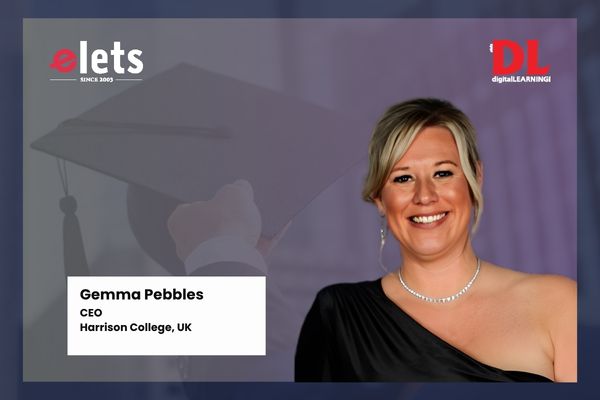
Views expressed by Gemma Pebbles, CEO, Harrison College, UK