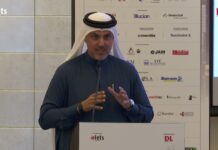

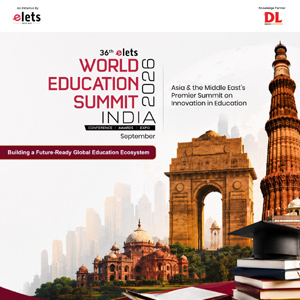
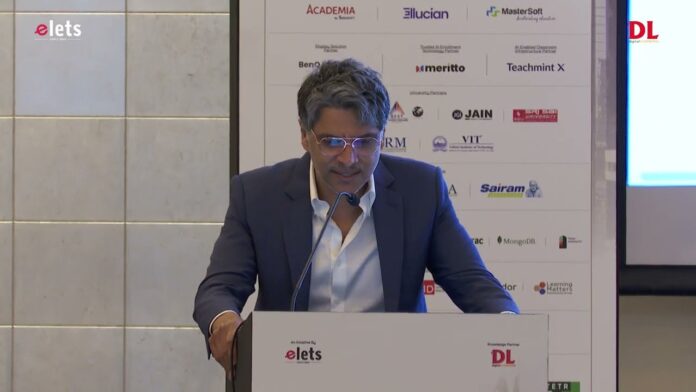
In a world that is rapidly evolving, the future of education remains a question that has intrigued educators and experts alike. During a recent talk at the 35th Elets World Education Summit, Dubai on 4-5 February 2026, Kuma Verma, CEO of Education by Design Group and former chair of the Dubai Education Business Group, offered a comprehensive perspective on how we can reimagine education to meet the demands of an ever-changing world. The conversation was framed around vital questions about the purpose, methods, and future of education, highlighting how first principles can guide us.
The Purpose of Education in Modern Society
The age-old question of why we educate children has seen numerous iterations: from survival, vocation, citizenship, and social cohesion to national competitiveness. For Verma, the purpose is simple yet profound: to ensure children are healthy, happy, self-sustainable, and positive members of society. This focus provides a guiding light for schools and educators, offering a framework within which trade-offs and priorities can be managed effectively.

Core Components: Health, Happiness, and Employability
To cultivate students who thrive, Verma places emphasis on the role of health literacy as foundational alongside traditional academics. With alarming statistics on obesity and mental illness, it is crucial that schools integrate health and well-being at the core of their curriculums. Happiness and emotional well-being must not be overlooked, and Verma challenges educational institutions to ensure emotional regulation, self-discipline, and meaningful learning are woven into the fabric of education.
Furthermore, employability cannot be restricted to conventional pathways. Today’s students must be prepared for roles that may not yet exist, guided by competence, contribution, and self-sustainability in their fields of choice.
The New Pillars of Learning
Kuma presses on the need for a shift in focus from traditional learning methods to an education system that embraces mastery and agility. The challenge lies in providing students with the necessary skills for constantly evolving career landscapes. This requires trimming down curriculums to focus on essential competencies like attention regulation, time management, and clear communication, while embracing new literacies brought on by advancements in artificial intelligence. Learning, according to Kuma, should be a lifelong journey, not confined to classroom walls or limited by the rigidity of age-based education systems. Current structures focus too much on front-loading education during formative years, whereas the future demands continuous learning cycles and flexible pathways. Schools need to view learning as an ongoing process that occurs both in and outside school, supported by self-sustaining learning approaches.
Harnessing AI for Personalized Education
Artificial Intelligence emerges as a crucial tool for transforming education by personalizing learning experiences at scale. AI has the potential to individualize learning journeys, allowing each student to progress according to their own pace and interests, with real-time adaptations to their educational pathways. By employing AI, educators will not only enrich classroom experiences but also expand quality education to more parts of the world, reaching students who otherwise lack access.
Also Read: The Power of Sound Movies in the Digital Age
An Adaptive Educational Operating System
As we look to the future, Verma proposes the development of an intentional academic operating system. Tailored to individual learners’ needs, this system should leverage AI not to enhance outdated models, but to facilitate personalized and accessible education. The education sector must move from rigid structures to adaptable frameworks, ensuring it remains relevant and effective in a world that is constantly changing.
The future of education is not about a singular transformation, but about continuous adaptation. This adaptive approach will ensure that education meets the dynamic needs of each learner and society at large. As we embrace these changes, the end goal remains to prepare students for a fulfilling and sustainable future.