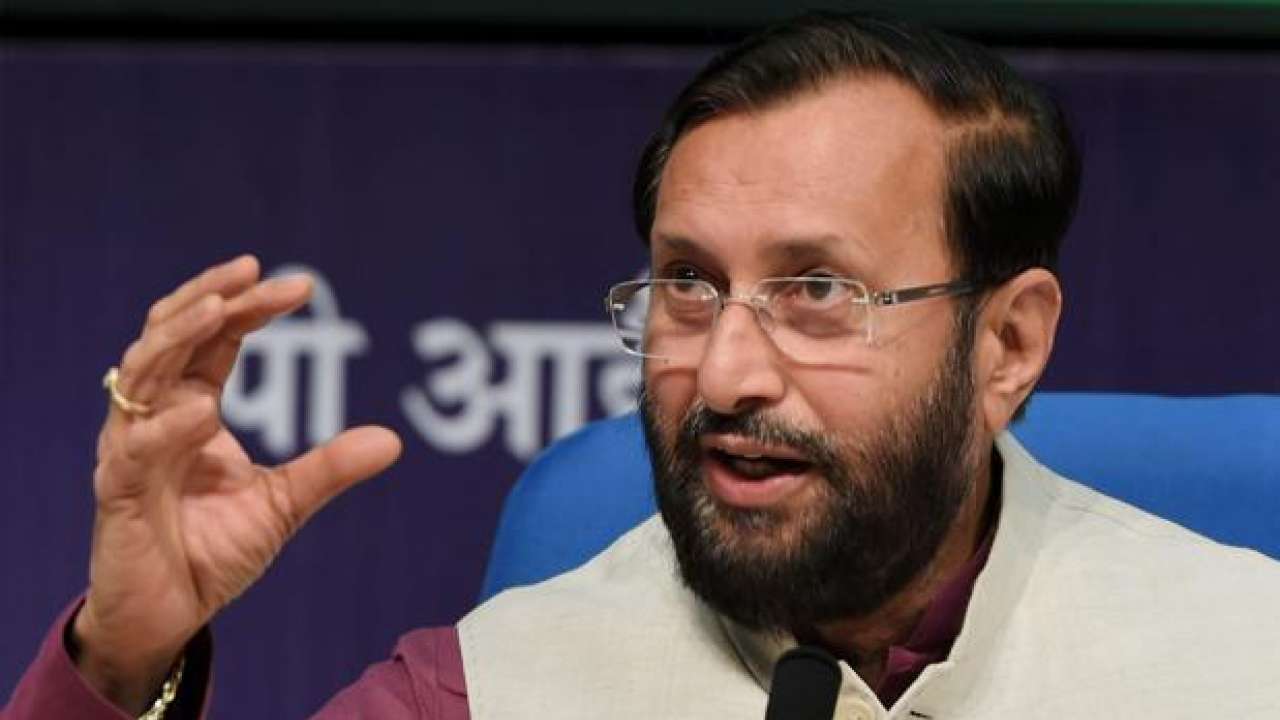
The Ministry for Human Resource Development (MHRD) is going to reduce the content in NCERT textbooks by 10 to 15 percent from academic year 2019-20 as part of its exercise to relieve youngsters from “Curriculum Overload”.
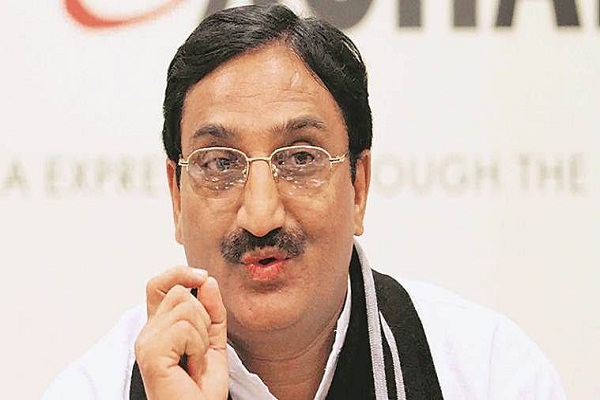
In a meeting of the NCERT, chaired by Union Human Resource Development Minister Prakash Javadekar himself on Saturday, the minister said that the target is to reduce 50 percent reduction of the “curriculum overload” without affecting the learning outcomes.
“Curriculum will be reviewed to ensure holistic education in which there will be time for physical education, value education, life-skills education and experiential learning. The curriculum needs to be reduced. We have decided to reduce curriculum by 50 percent. This year, there will be 10-15 percent reduction. Next year it will be more. Finally, in 2021, the target will be achieved,” Javadekar said after the meeting.
The minister also suggested earlier that removing duplication and redundant portions in a scientific way, the NCERT will be able to bring down its curriculum significantly. There were over a lakh suggestions on the basis of which the rationalisation exercise was carried out, an official said.
The union minister also said that to ensure adequate supply of NCERT textbooks, the number of published books this year is 8 crore this year. The number was 6 crore last year.
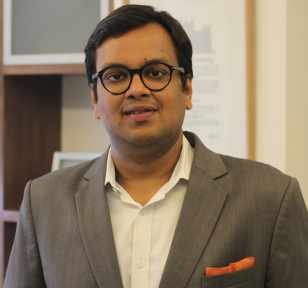
With a rapidly transforming education sector across the globe, Seth M R Jaipuria Schools focuses on nurturing global leaders by imparting quality education to its students, says Shreevats Jaipuria, Vice Chairman, Seth M R Jaipuria Schools and Jaipuria Institute of Management, in conversation with Elets News Network (ENN).
What practices are followed at the school to develop leadership qualities among students?
Leadership can’t be taught in a traditional classroom setting. It is developed through practice. From a primary level, the school should make students participate and take responsibility both within and outside the classroom to inculcate such qualities.
In what ways Seth M R Jaipuria reaches out and connects with its neighbourhood?
Understanding the community around us is an integral part of a good education. We have multiple programmes and opportunities through which our school and college students reach out to the community around them. These include community services, group projects, and cultural activities.
What are teachers’ expectations and how does the school help them work towards achieving the organisation’s vision?
We have a strong belief that teachers’ development and learning pave the way to succeed in any educational institution. We provide multiple training opportunities in the school and outside too for teachers on pedagogy, and subject knowledge. Moreover, we provide them with new teaching ideas for every topic in the syllabus through nearly 1,00,000 lesson plans developed by us.
What are the most required qualities needed to inculcate among students?
The most important skill in today’s world is the self-learning ability. We try to inculcate self-learning in our students, and try to make them self-motivated from a very young age. In today’s world no success is possible without the ability to work with people as a team. This requires empathy and listening skills. It gives not only a pathway to success but also makes one a better human being, who understands and helps people around himself or herself.
What is the biggest challenge for country’s educational system? How it can be resolved?
The greatest challenge is to improve access to quality education. We need to build schools that invest in improving the skills of teachers and enable students with the skills to be successful in today’s and tomorrow’s world. There are very institutions that are able to do this outside metropolitan cities. Moreover, though there are many world-class institutions both at the school and higher educational level but the average quality of institutions is very poor. We need to bridge this gap between a few great and mostly poor institutions.
As an educational institute, what kind of help Seth M R Jaipuria Schools expect from the Government of India to improve the status of education in the country?
The government should create a legal framework, which promotes investment in education and competition amongst schools. Schools should be forced to deliver better quality and affordability through market competition and transparency rather than regulation.
Description: Seth M R Jaipuria Schools impart integral education, general as well as vocational, to all irrespective of caste, creed and colour; in an atmosphere of purity, efficiency, discipline and fraternity.
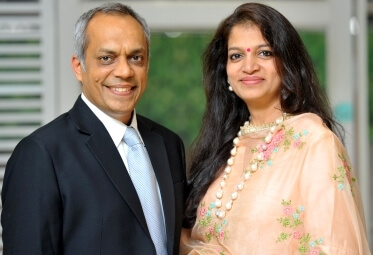
Sandeep Goenka and Archana Goenka Founder Trustees CP Goenka International Schools
We strive for maintaining quality and thus achieving excellence by preparing students for learning beyond their school years and assisting them to become lifelong learners, say Sandeep Goenka and Archana Goenka, Founder Trustees, CP Goenka International Schools, in conversation with Elets News Network (ENN).
To manage with the rapidly evolving world, students must be responsive to change and receptive to new ideas, how does C P Goenka International School maintain such environment for its students?
At C P Goenka International School, we have created an environment that exposes students to different
cultures, value systems and practices in different ways like student exchange programmes, model united nation sessions, interactive learning activities, debates, and research projects etc. This enables them to understand different perspectives. Such activities encourage students to appreciate cultural diversity. This helps them to accept the change positively.
What are the best practices followed by the school in its curriculum to nurture lifelong learners?
The curriculum is planned in such a way that creativity, collaboration, learning by doing, online and differentiated learning, self-regulation and problem solving are regularly undertaken through projects that focus on solving real-life problems. Students’ confidence and self esteem are fostered through activities like MdM (My delightful Moment) where students showcase their unique talents, debates, quiz, street plays, elocution, etc.
The curriculum also incorporates differentiated learning strategies to nurture students’ strengths, integrate multiple intelligence-based activities, flipped classrooms and the right use of technology etc, to develop skills and create the most competent learners and citizens.
How growing use of technology in education sector is improving the teaching-learning practices, assessment methodologies and improving the learning outcomes?
The effective use of technology in education has changed the face of education and created more educational opportunities for teachers and students. use of online activities, educational games, high-tech lessons and collaborative learning sessions with the children of the world has brought out a global perspective amongst our students.
What measures are adopted by the school for active engagement of parents along with teachers for holistic learning amongst its students?
Parents play a fundamental role in the development of our school and students. The active collaboration of the student-parent-teacher has had its impact on the holistic learning of the students. Active involvement of the parents in the PTA, framing of activities, organising events and functions has
nurtured a compassionate attitude towards teaching and learning.
Description: CP Goenka International School imparts education to nurture Culturally Developed, Responsible and Conscientious Global Citizens.
Ministry of Human Resource Development (MHRD) has approved addition of 5,000 seats in Jawahar Navodaya Vidyalaya (JNV) from the Academic Year 2019-20, announced Human Resource Development Minister Prakash Javadekar on Monday.
Currently, the JNVs – Residential schools for talented rural children, are having around 46,600. The addition of 5,000 seats means the enrolment of over 51,000 students from the academic year 2019-20.
In the last four years, over 9,000 seats have been added and the addition of 5,000 seats from next year has taken the number to over 14,000 seats. In the next four years, the Government is likely to add 32,000 more seats.
“This is a step in the right direction. This is the biggest-ever expansion of quality education for rural students. This unprecedented expansion of JNVs, nearly free of cost residential schools, will provide more opportunity for talented children from rural areas to get a quality education,” said HRD Minister Prakash Javadekar.
Navodaya is the only education system in the country where students give entrance examination for admission to class six. In 2001, 5.50 lakh aspirants appeared for the entrance examination for admission to class 6. Over the years the number of aspirants appearing for the entrance examination has increased considerably. In 2019, 31.10 lakh students have registered for the entrance examination.
“This reflects the growing aspirations of rural children for acquiring quality education and the Government’s consistent effort to meet this aspiration, under the dynamic leadership of Prime Minister Narendra Modi,” the HRD Minister said.
“The Government is also actively considering setting up of a Navodaya Vidyalaya each in the newly carved out districts in various States,” the minister added.
In past five years, Navodaya Vidyalaya has consistently recorded a pass percentage of over 97 per cent in Class 10 and Class 12, of which 86% securing first division, which is far better than private schools and CBSE’s national average.
Today, the Internet is the new pied-piper. And everyone seems mesmerised by its music, especially children. The challenge is to use the Internet in the way that leads children towards knowledge and self-awareness, says Manmeet Khurana, Founder and CEO, The Ultimate Knowledge (TUK), in an interview with Elets News Network (ENN).
How does The Ultimate Knowledge (TUK) help in developing awareness among children from an early age?
The Ultimate Knowledge is a dynamic portal, which aims to develop awareness in the minds of the children from an early age. We strive to provide knowledge to children in the form of impeccably written articles supplemented by attractive images and videos. We have kept in mind the comprehension capabilities of children vis-à-vis language and content across knowledge spectrums and geographical boundaries.
How is the information available at TUK different from regular academics? How will it help students boost their Intelligence Quotient (IQ) and learning power?
The information available at TUK is different from the academic curriculum and has been designed to supplement the knowledge a child acquires at school. TUK endeavours to adopt a holistic approach to education by creating general awareness among students.
How does The Ultimate Knowledge platform help teachers to improve the learning practices in classroom?
Teachers can enhance their classroom lectures by adding more interesting information to any topic. As the students are Internet savvy, teachers may also direct them to get additional information on any topic by reading an article. Any topic taught digitally through attractive images and videos have a lasting impression on a child’s memory.
What are the various domains in which TUK is imparting knowledge to a child? Please describe about every domain.
We started working on our portal only after we have done our due diligence, and post extensive consultations with eminent teachers, educationists, principals and parents.
On a higher level, we segregated our content into 3 grade categories [Grade 3-5, 6-8 and 9-12]. This we have done keeping in mind that the language and comprehension capabilities differ across age levels, and one size doesn’t fit all. At a granular level, we have divided the content into various interesting domains.For example, to make students understand Science better, we present situations and events with proper explanation of the concept behind it. Similarly, under the technology section, the latest Technological breakthroughs across the world are presented before the children in a lucid language.
What is the vision and mission of The Ultimate Knowledge for the future?
Our mission is to ensure that the perfect blend of information and knowledge is imparted to students. We see ourselves as a perfect ally of all educational institutions whose aim is to create awareness among children. We would be the go-to portal for students to get an all-round and holistic knowledge.
Our vision is to help the society by creating a heightened level of awareness among the youth to face future challenges with their knowledge and capabilities. India enjoys a prestigious global presence, and our students need to be well-equipped to make the most of the opportunities looming large on the horizon.
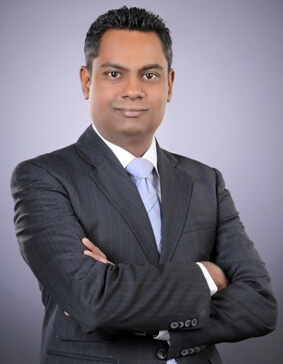
The Jump Start imparts quintessential knowledge and skills to the graduate talent making them employable and organisations future ready and competitive, says Mahesh Iyer, Co-Founder & Curator, The Jump Start, in conversation with Elets News Network (ENN).
Mahesh Iyer, Co-Founder & Curator, The Jump Start
Please describe briefly about the solutions developed by the organisation to help education institutes?
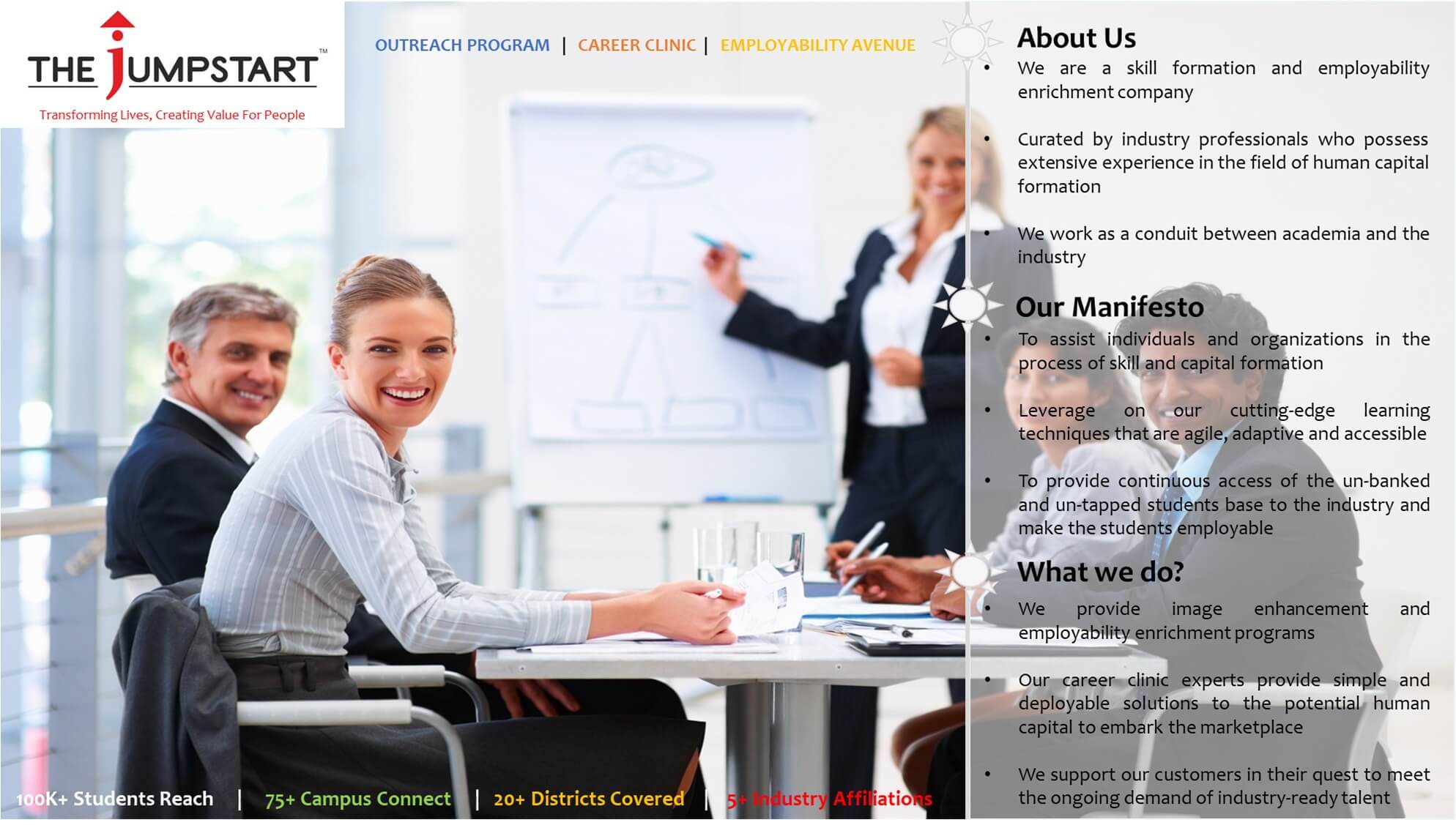
The Jump Start is a skill formation and an employability enrichment venture curated by industry professionals who possess extensive experience in the field of human capital formation through talent identification and development, academia affiliations, training and consulting.
How does the solutions provided by your organization help in promoting effective learning among students?
The Jump Start team is committed to improve the employability quotient in the society by inducing a skill and value-based learning methodology which is industry-recognised and are aligned to the national occupational Standards prescribed by the MSDe. We believe that the inclusion of Tier 3 and 4 graduate talent and the unemployed workforce to the mainstream will address a larger socio-economic challenge of our country.
Industrial Revolution 4.0 is much talked about term nowadays, how important is the skill and training for students?
Researches revealed that the graduates lack the fundamental skills required by businesses. Further, formal training of employees in basic business frameworks and concepts is relatively missing. It is imperative that we demystify the gap. The missing threads are confidence building, application of concept into practice and the efforts from the institutes to fulfil the requisites for helping students to sustain in this dynamic and volatile job market.
At Early Learning Village (ELV), we understand that development in a child’s early years is crucial for lifelong well-being and success, says Pradeep Jolly, Co-Founder, Early Learning Village & Wonderland, in an interview with Elets News Network (ENN).
How does Early Learning Village help its students to grow and develop while reading, listening and playing?
Our team of internationally experienced educators work closely with students to ensure that the time spent at Early Learning Village (ELV) is enjoyable and enriching. the international Early years (iEy) Curriculum underpins all learning at our preschool. it is a comprehensive curriculum focused explicitly on the developmental needs of young children. the globally accredited iEy curriculum clearly defines learning and development goals and helps your child to be internationally minded. Children use childfriendly cameras, bee-bots, learning apps and voice recorders to develop skills in technology at ELV preschool.
Infrastructure wise, what facilities are provided at early learning village to make the learning delightful for students, yet keeping them safe?
Children learn in an environment that provides stimulating spaces and exciting experiences. A child’s day at Early Learning Village has a balance of open-ended activities, exploration, child-initiated play supported by adults, focused-learning with adult guiding, and learning through playful and rich experiential activities. our outdoor activities provide children with a range of engaging and challenging opportunities to explore freely, develop physically, and solve problems while playing independently and collaboratively.
All the activities are on the lines of international practices. Focusing on the idea that every child learns in a healthy and safe environment, we ensure learning spaces both indoor and outdoor are designed to involve our students.
How various programmes at Early Learning Village help the students to develop holistically?
All our programmes have been purposefully designed to support every child’s educational needs. the Adult and Child Programme allows parents to be present while their children learns in an informal educational setting. our Early year programmes for students aged 2-4 allow them to learn at their own pace, discover areas of their interest and be creative. Expressive arts and creativity are an important part of the ELV curriculum. our play space is a safe, rich and dynamic environment to grow confidence, take risks and solve problems while playing independently and collaboratively.
How the curriculum helps the preschool students face real-life challenges?
Learning happens when a child’s natural curiosity is enabled in a safe environment. independent earning experiences create a context for personal development and are the foundation of nurturing global citizens. our curriculum involves ongoing assessment in the form of evaluation and reflection of the activities. outdoor play opens up a vast universe of learning for children which, in return, helps in developing skills like critical thinking, problem-solving and crisis management.
How do you see the road ahead for the Early Learning Village?
We are currently focused on being consistent with our care and quality measures while making sure that we create a beautiful closed community of parents. We aim to touch the lives of more children, ensuring that we continue to create a positive impact in their growth and learning.
Engineering was key to the transformation of an agrarian and artisan economy to that dominated by machine power for manufacturing, agriculture and extracting natural resources; automation replaced labour intensive systems for improved health, sanitation and mobility, writes ProfRao Bhamidimarri, President, The Institute of Advanced Research, Gandhinagar, for Elets News Network (ENN).
Engineering played a central role in advancing civilization throughout human history. In the modern era, we have made unprecedented economic and social gains through advances in acquiring and applying knowledge.
However, this progress came at a cost to our planet and the environment. The global grand challenges of the 21st century are profound and wide-ranging. Health and wellness, climate change, resource depletion, poverty and social inequalities are amongst the challenges we confront, as the population approaches 10 billion by the middle of this century. Today, the benefits of economic and social progress are not distributed evenly. A billion people without access to safe drinking water and 2.5 billion without sanitation. Some 4 billion people have no access to internet, placing them on the wrong side of the digital divide.
Addressing these challenges will require creative and innovative engineering talent and leadership to develop solutions to these complex problems. These solutions need to be sustainable, equitable and safe.
Role of Engineering
Whether it is the Egyptian pyramids or the International Space Station, the Great Wall of China or Artificial Intelligence, they reflect the creativity and technical knowledge of engineers.
Engineering education dates back to medieval times and focused on apprenticeships in trades, which originally focused on traditional trades such as construction, metal working and paper-making. This expanded as industrialisation progressed to include engineering, mining, shipbuilding and textiles by the late nineteenth century. It was not until early 19th century that degree level education began at universities. By the end of the 19th century, as knowledge in sciences and mathematics accelerated, the initial emphasis on shop floor experience in engineering education shifted towards classroom instruction.
Successful engineers have a strong knowledge of engineering science while gaining a holistic approach to engineering application. This allows them to develop creative and innovative solutions to real world problems. Great engineering entrepreneurs over the last two centuries have not only been masters of scientific and technical knowledge, but also have excelled in non-technical factors such as environmental, ethical and social factors, to translate innovative ideas into reality.
With the increased specialism and academic focus, engineering graduates have proved themselves to be excellent in modelling and analysis in recent decades. But employers have had increasing concerns about the disconnection between engineering education and real world context. Therefore, employers also recognise what are commonly described as soft skills such as communication skills, ability to work in a team, commitment, organizational skills and flexibility.
The 21st Century Engineer
“We educate engineers for the 21st century using 20th century curriculum in 19th century universities” — Vincent Wiegel, professor, HAN University of Applied Science
There has been increasing awareness that the engineering graduates in general, while technically competent, lack the following professional skills:
Communication Skills,
Organisational Skills
Interpersonal Skills,
Commitment
Ability to work in a team and
Time management
While enhancing these skills and attributes can enable graduates to secure employment and to operate effectively in the world of work today, addressing the unprecedented global challenges, engineering education needs to undergo a fundamental change. Creativity driven problem solving skills in the real world context are increasingly important along with the following higher value skills:
Critical Thinking,
Creativity,
Empathy,
Collaboration,
Motivation,
Cultural Sensitivity and
Flexibility
In addition to these future engineering graduates also will need to be equipped with the 3Rs of Reflection, Relationships and Resilience.
The Creative Engineer
Engineering is an intensely creative profession. Creativity is a process – not a Eureka moment, nor is it a mysterious process, but an ability to disassemble knowledge and reassemble it in new ways. Curiosity, motivation and knowledge are the key ingredients of creativity.
Often creativity in engineering is underrepresented in engineering including by the engineering profession itself. While complex problems demand creative solutions, engineers are constrained in practice by the need to minimize risk to public, investors and the environment. This together with increased academic focus, the current engineering education has become an antithesis of creativity.
The traditional engineering curricula and pedagogies used equip the graduates with technical competence, but do not foster attributes necessary for creativity. Engineers of the 21st century will need to be creative in order to develop solutions to new and emerging challenges. Embedding creativity in engineering education continues remain a challenge.
A curriculum that embraces a multidisciplinary focus with emphasis on design thinking and self-determined learning, undertaken in a real world context, will help foster confidence and creativity in graduates.
Railway Engineering is a multi-faceted, yet specialized discipline dealing with the design, construction, production and operation of all types of railway systems, including the high-end options that bring immense savings in time and energy. Dr Ajam C Shaikh, Principal In-charge, MAEER’s MIT College of Railway Engineering and Research, Barshi, Solapur, for Elets News Network (ENN).
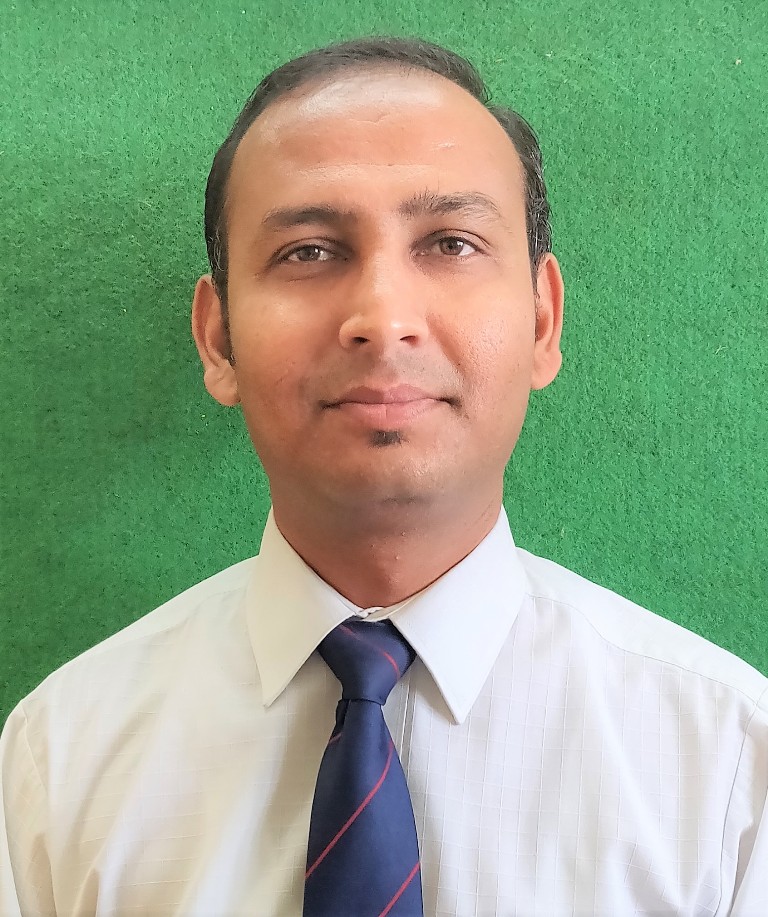
Dr Ajam C Shaikh, Principal In-charge, MAEER’s MIT College of Railway Engineering and Research
India has a long legacy of value-based education. It has evolved over time from the holistic Vedic Gurukuls, dating back to around 7,000 BC to the modern age computer-based e-learning education. The Indian education ethos was ascribed by Pt. Jawaharlal Nehru, first prime minister and a visionary, in the following words, “A university stands for humanism, for tolerance, for reason, for the adventure of ideas and for the search for truth. It stands for onward march of human race towards even higher objectives. If the universities discharge their duties adequately, then it works well for the nation and the people”.
Apart from inherent complexity, the intertwined nature of education and culture has influenced each other to an extent where one’s individuality melts away and becomes part of the unity. But, in spite of having such a glorious past and one of the largest networks of higher education institutions in the world, in the modern era of market-based, research-driven education system, none of our education institutions are ranked among the top 200. Being a developing nation and moving to become a developed nation, India ought to achieve a decorous position in the field of education, on the global platform. Though, so much has been done till now to meet the goals through various propitious efforts by the government as well as by private players, we have miles to go in cementing the position of our institutions of higher education in the world ranking.
Deloitte, the leading consultancy & audit firm in the world, appropriately described the education sector of India as the “sunrise sector for investments”. India has seen a boom in the education sector in recent years as a result of the government’s growing urban and rural initiatives for increasing the gross enrolment ratio, emergence of private universities with world class infrastructure, and government’s campaigns such as Make in India and Startup India. Although these developments are appealing to the eyes of educationists and economists, realities such as an average of 35% seats remaining vacant in technical and non-technical colleges, lower gross enrolment ratio (GER), unemployed youth causing a burden on the country’s economy and declining credibility of education, are areas of concern.
Scrupulous investigation reveals that the undiversified approach of the current institutions of higher education is the root cause of the problem. The colonial mindset that still prevails, has made Indians to believe that the conventional branches and courses being taught are the only mode by which employment can be gained. The unenterprising approach of many colleges also aggravated the issues to a large extent. The monotonous education system not only failed to associate itself with the growing demand for skilled personnel in various fields; but also did not create interest for learning in the budding minds. The growing void between industry and academia is enormous, which needs to be addressed soon. Government’s initiatives such as Skill India, Make in India and DDU Grameen Kaushalya Yojana have fostered the identification of different skill sets in order to bridge the gap between technical and non-technical resources. It could be achieved by encouraging youth to be equipped with a variety of skills.
Just like education, infrastructure is another factor upon which the real progress and development of a nation depends, since it serves as a catalyst for economic growth. The transportation sector can’t remain untouched in a growing economy where connectivity, even with small towns and villages, either by road, rail or other means, is the objective. This creates enormous demand for manpower capable of dealing with the new challenges. Among the various segments of the transportation sector, railways play a pivotal role in stimulating and ameliorating the country’s economic growth. The world is changing fast and rail transportation is no exception.
It has become an essential vehicle for economic diversification and proved to be a true catalyst for cultural assimilation. With the government focusing on bringing the remote areas on the railway map of India and on phenomenal upgradation such as dedicated freight corridors and bullet trains, there is a rising demand for trained engineering professionals who can cater to this segment. Keeping in mind this projected infrastructure growth in the Indian economy and the need for a specialized workforce of trained and customized engineers, capable of dealing with the railway sector and allied manufacturing sectors, there is a dire necessity of having institutions fully devoted to the discipline of Railway Engineering. This will provide well qualified and competent manpower to take up the challenges pertaining to track renewal, maintenance, traffic management and signaling, and structural analysis, coupled with efficient and effective management of the railway system in totality.
More skills are needed by rail industry professionals today than ever before, which warrants higher level and continuous development of skills and qualifications. It encompasses study of a wide range of engineering disciplines including civil, mechanical, electrical, electronics & telecommunications, computer, industrial and production. It covers many other sub-disciplines of engineering and management such as advanced strength of materials, intelligent transport systems, sustainable rail technologies, nano-materials applications, intelligent transport systems, project finance, supply chain management and operations management. It is absolutely essential to have an institute/university, which will focus on creating a quality learning habitat through processes driven by innovative ideas in pedagogy and projects across all these domains.
There is pressing need to have a specialized group of railway engineers capable of dealing with the prototypical issues associated with railways. With passing time, Railway Systems Engineering is going to emerge as a vibrant field of engineering with great demand for competent, qualified and specialized Railway Engineering graduates, postgraduates and researchers. Many countries such as the United States, United Kingdom, China, Japan and Russia are way ahead in establishing universities devoted to railway engineering. Ironically, India is lagging behind to initiate demand-driven programs in railways. The present government’s steps in developing skill and entrepreneurship among Indian youth, makes Railway Engineering a promising career in a booming ecosystem of first generation entrepreneurs in the country.
With these conditions taken into account, efforts have been initiated to offer a program in Railway Engineering, which would serve the diverse railway sector with state-of-the-art information technology and complex systems. MAEER’s MIT College of Railway Engineering and Research (MITCORER) in Barshi in Solapur district, fulfils this need with add-on Railway Engineering courses, along with conventional engineering degrees. Similarly, Sir Padampat Singhania University has an undergraduate program in Rail Transportation Engineering, while Shri Vaishnav Institute of Technology and Science runs an undergraduate course in railway engineering.
Apart from degree courses, several certificate and diploma courses are being conducted by institutions such as Vishswakarma University, Pune; Institution of Permanent Way Engineers, New Delhi, and Institute of Metro and Rail Technology, New Delhi. In line with these efforts, Government of India has established National Rail and Transport Institute (NRTI) as India’s first ever railway university in Vadodara in Gujarat. This deemed to be university under the de novo category would create a resource pool of the best in class professionals for the railway and transportation sector. NRTI will offer multi-disciplinary programs by designing demand-driven curriculum by aligning with industry priorities. Currently, NRTI offers B.Sc. in Transport Technology and BBA in Transport Management. The establishment of the university is seen as a big boost for Indian Railways.
The enormous demand of skilled man power does not limit the opportunities to just degree or diploma courses in railway engineering; but also brings into picture skill courses of short duration in areas such as total quality management of railway stations and sidings, ballast-less track technology, railway track lay-out and construction, high speed railway track technology, design of high speed locomotives system, rail vibrations and control, structural analysis of railway tracks, construction claims and settlement, environmental engineering and pollution control, and benefit and cost analysis of railway transport system.
In a nutshell, the emergence of modernization in rail transport, high-speed railway route between Mumbai and Ahmedabad, and the proposed Hyperloop route between Pune and Mumbai, create a pool of job opportunities, which demand innovation and a research mindset.
A Railway Engineering degree, along with diploma and certificate courses would create competent, qualified and specialized graduates, postgraduates and researchers who would not only be capable of handling various critical tasks related to the overall railway system; but also cater to take up the challenges of global demand. The program should be coupled with efficient and effective management of the railway system in its totality. It would help in cutting down dependency for railway technology on other countries, thereby helping new startups to grow under the “Make in India” initiative of the Central Government. The efforts for skill developing shall play a critical role in furthering developments in this booming ecosystem.
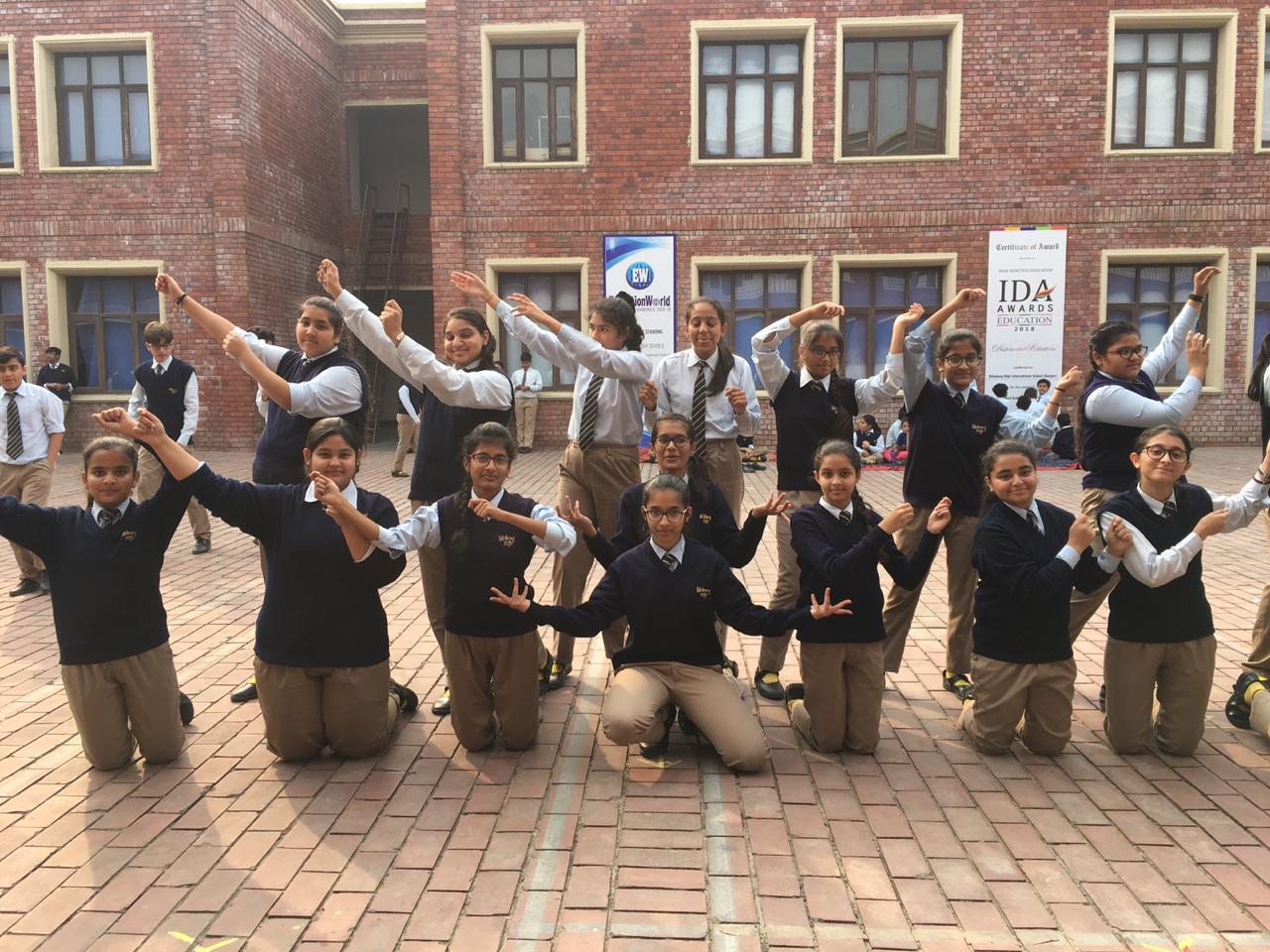
Education is not just about understanding different subjects of Science, Commerce or Arts; it is to understand about the world around us and learning the skills for life. Billabong High International School (BHIS) is a place where students are nurtured to be successful human beings with a positive attitude towards life and a strong commitment towards society.
BHIS is set in the heart of the city of Kanpur – An idyllic setting of classes in open spaces! What makes it such an impressive school is not only the wonderful staff, the students and the parents but also the myriad of opportunities available to its students. Whether it is the unique curriculum or the co-curricular and extra-curricular activities, BHIS Kanpur has distinguished itself as a centre of excellence.
The senior school provides its students option of choosing education boards among CBSE, International Cambridge – IGCSE and A levels. The curriculum is dynamic and the lesson planning is effective to make the classrooms engaging and enthralling. The curriculum is based on multiple intelligences, VARK system of learning progressing from lower order to higher order thinking skills. A well researched and planned KKEL curriculum engages students and leads to outstanding outcomes in learning. We have a no tuition policy and our teachers run a gratis learningsupport club post school hours for students.
A huge emphasis is on value based education. We inspire students to commit to local and international charities and make regular visits to Shishu Bhawan and specially-abled children organizations to volunteer and engage, evoking mindfulness and deep seated sense of gratitude and humility. We are passionate about providing an education where every student is known and valued in a family environment, which inspires excellence and instills values.
Enhancing classroom teaching and learning dynamics, learning is no longer confined to share syllabus teaching in the classrooms. We are very particular in engaging our students with the local community, country and the world. There is a very strong sense of contributing to the progress and development of the community.
The students need to be stretched and imparted transferable skills relevant to the work place environment. Our various initiatives are an endeavour to impart globally relevant education to students. Our system of teaching and learning is based on best practices worldwide. Focusing on inquiry-based and project-based learning, various activities like debating, quizzing, parent interactions and self learning give meaning to a fun version of teaching and learning. Use of technology in the classrooms and the multidisciplinary subject labs are a great aid to effective teaching. Initiative, observation, feedback and reflection have catapulted the school in the league of reckoning. This creates irreplaceable value for our students, teachers and parents.
“What distinguishes Billabong is the lack of pretention- a down to earth attitude, an encouraging intellectual curiosity among the students to debate, to question and to really be their own person .We are genuinely committed to being a school for everybody – widening access as far as possible .There is an extraordinary sense of community at Billabong which makes it a very special place to be.We are aschool for individuals, where young men and women know their own minds and ones who will go out into the world and really make a difference- so right at the heart of Billabong is the commitment to service in the true sense of the word.It is indeed a remarkable place,” says Priti Agarwal, CEO & Founder,Billabong High International School, Kanpur.
A plethora of cutting edge co-curricular activities like hosting of World Scholar’s Cup, Tri Sports Cup, Family Quiz, IIMUN, World School Debate, Vox Populi, TED talks, Aerospace Camps and heritage trips, and initiatives like Cross over Faculty visits by Top Schools in the world like Westminster and Highgate create national and international platforms for our students.