Home Blog Page 712

Jharkhand CM assures tablets in all schools from coming academic session

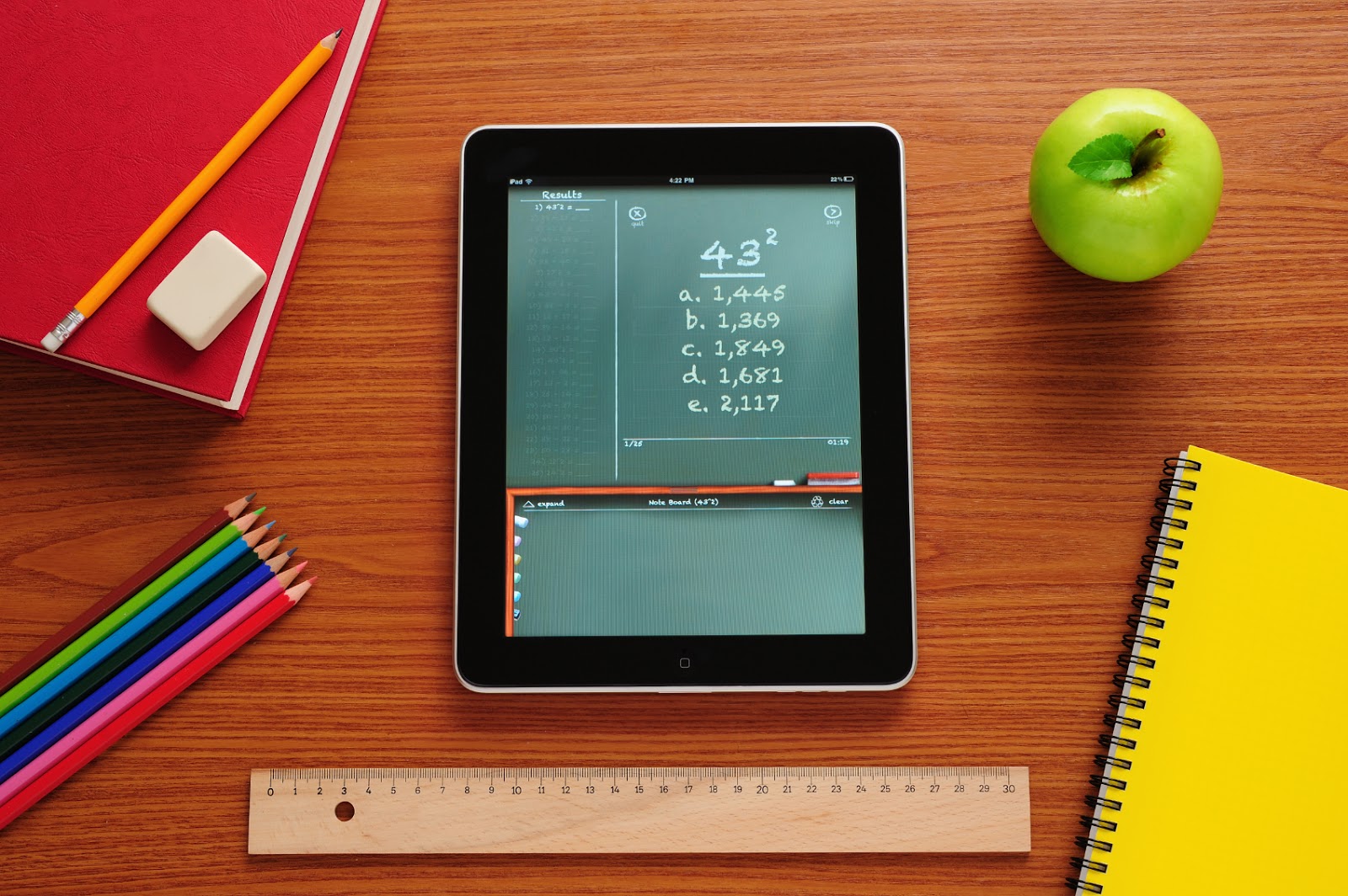
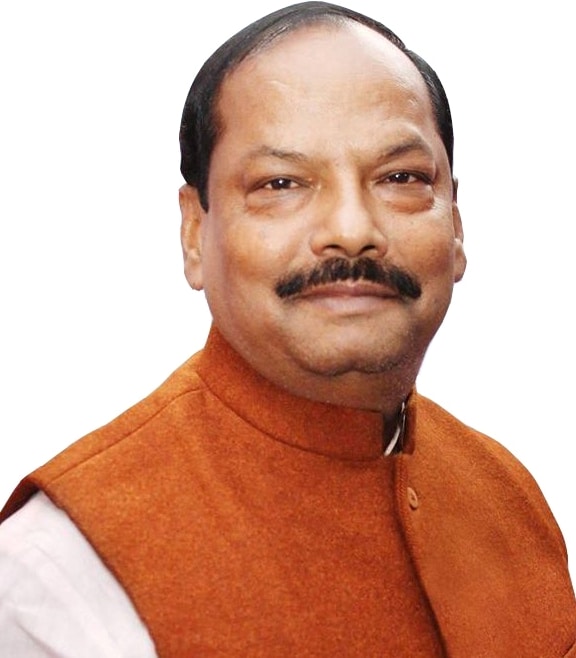
Chief Minister of Jharkhand, Raghubar Das said that every school of the state will get tabs during 2017-18 fiscal year. The step will help the teachers and students to be up to date with the changing times. He also said that the gas connections for schools were also underlined in the upcoming fiscal year.

The chief minister was present at ‘Bal Samagam’, a programme to showcase the hidden talents of student where he unveiled a children’s magazine ‘Pankh’ and also inaugurated online computer education in 240 schools. At the event, he said that the teachers would now be exempted from doing government work.

Das also revealed that the state government has recruited nearly 18,000 teachers recently. He also assured that the teachers would be trained as per the national and international standards to provide quality education at school level. Moreover, bio-metric systems were also installed in schools to ensure the regular attendance of teachers.

School Education and Literacy Secretary Aradhana Patnaik was also present at the occasion. She said that this was the third successful year of ‘Bal Samagam’. She also said that the prime aim of this event was to identify hidden talents of students.

India’s first sign language dictionary to be launched soon

In a bid to bring uniformity in sign languages, the government is soon going to launch country’s first-of-its-kind sign language dictionary.  The sign language is used by hearing and speech impaired people to communicate with others.

Indian Sign Language Research and Training Centre (ISLRTC) is developing the dictionary. So far, ISLRTC has compiled 6,032 Hindi and English words and their corresponding graphic representation of the signs which are used in daily life. The dictionary is being developed in both print and video format.

“A comprehensive Indian Sign Language Dictionary is the need of the hour to facilitate communication between the hearing and speech impaired and create a basic database for further policy making,” Union Social Justice and Empowerment Minister Thaawarchand Gehlot said.

At the inauguration of “Empowering Deaf through Indian Sign Language”, a two-day national conference, the minister said, “Presently, the sign languages in a diverse country like India vary from region to region. Because of this, people from a region face difficulty in communicating with those in the other region”.

This dictionary will help bridge the communication gap, Gehlot said.

According to Awanish K Awasthi, joint secretary, Department of Empowerment of Persons with Disabilities, Ministry of Social Justice and Empowerment, the dictionary will help around 50 lakh hearing impaired and 20 lakh speech impaired people in the country to get an uniform language.

“It will contain graphic representations of popular signs used by the hearing impaired and will also include regional variations. Apart from that, it will have legal, technical and medical terms,” Awasthi said.

NTS to conduct majority of CBSE entrance tests from 2018

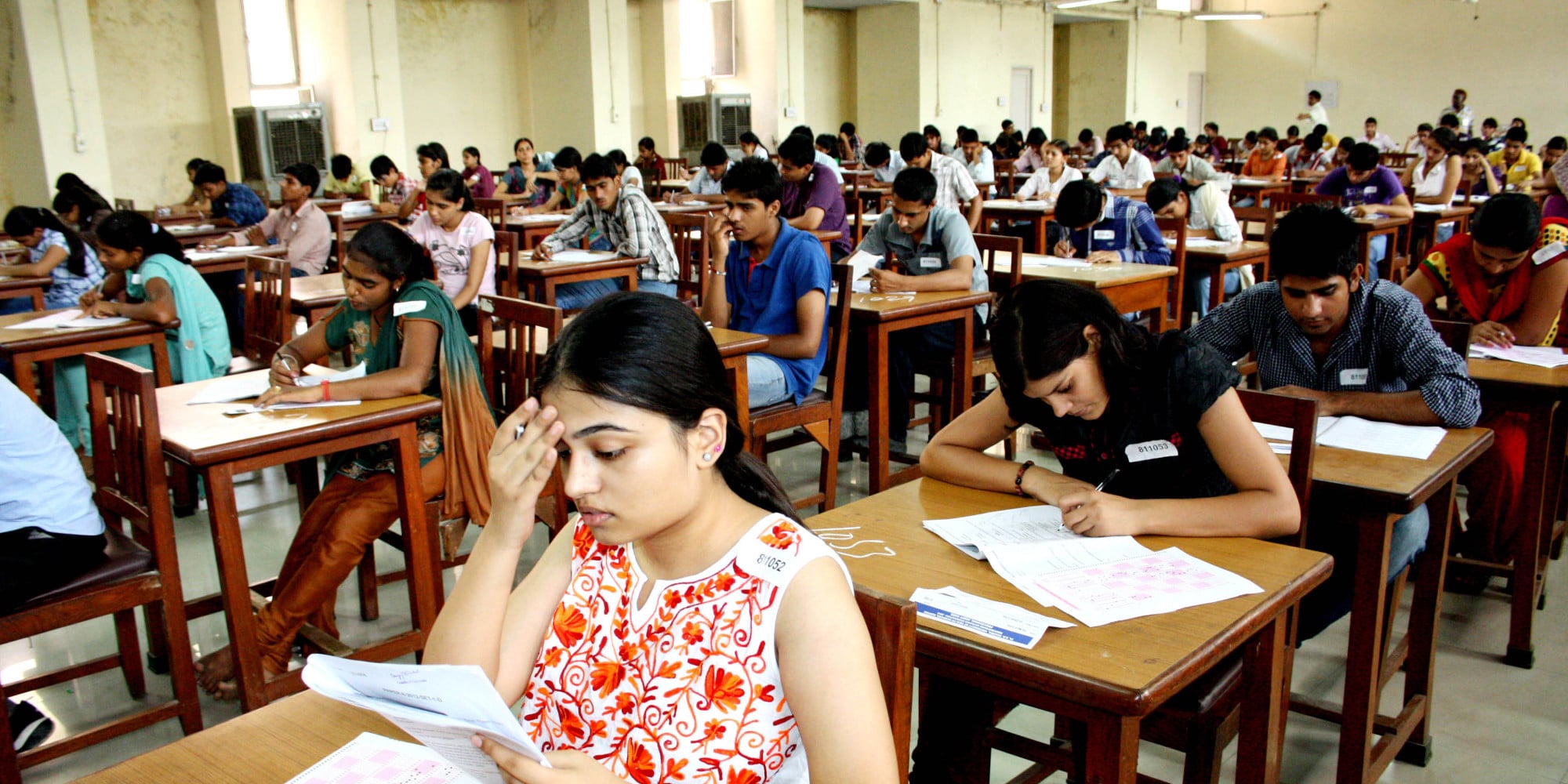
From 2018, National Testing Service (NTS) is expected to conduct majority of tests conducted by Central Board of Secondary Education (CBSE).

The agency is waiting for the Cabinet’s nod after which it will start with the National Entrance Examination from January 2018 for admission to engineering courses of technical institutions across the country.

According to some media reports, entrance tests for courses in higher education and other professional tests conducted by the CBSE will come under the NTS fold making it the country’s largest exam conducting body.

CBSE, apart from class X and XII board exams, conducts five other tests which include Joint Engineering Entrance (JEE), National Eligibility and Entrance Test (NEET), UGC’s National Eligibility Test (twice a year), Central Teacher Eligibility Test (twice a year) and the entrance test for Jawahar Navodaya Vidyalayas.

Around 27 lakh candidates appear for the board exams whereas around 40 lakh aspirants appear for the professional tests conducted by the CBSE.

An official said, “The focus is on scientific professional online standardized examination and not the numbers. The ministry wants to declutter CBSE and the Indian Institutes of Technology so that they can focus on their key areas. The ministry wants CBSE to focus on the quality of school education, curriculum and set standards”.

CBSE will play an important role in the making of NTS. According to officials, the board will act as the resource centre for NTS and the testing agency will also “pick up large number of people who have been involved in conducting various examinations”.

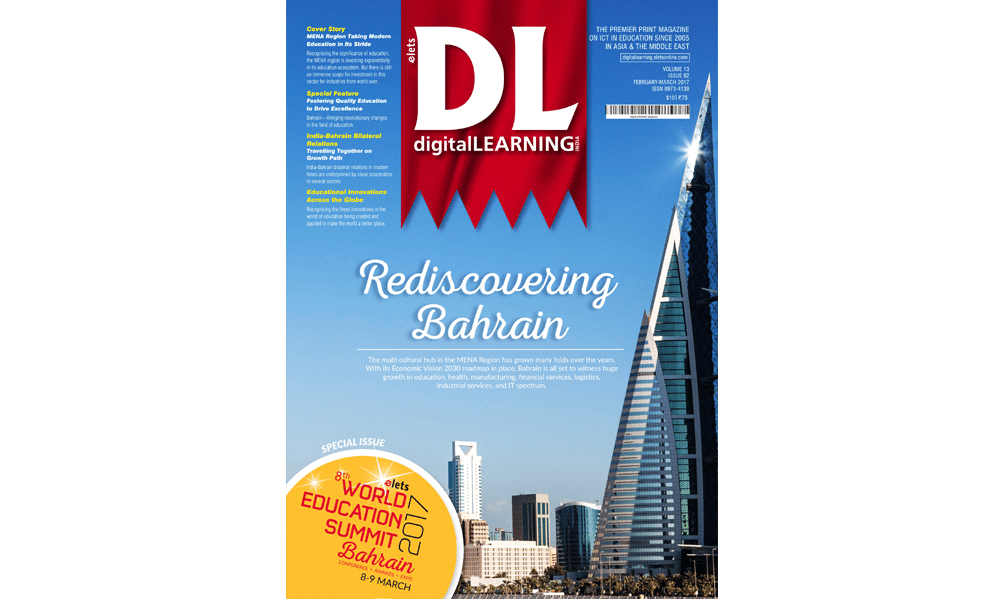
Rediscovering Bahrain :: February – March 2017

Editorial
Fresh Vision to Help Education Sector Scale New Heights
Cover Story

MENA Region taking modern education in its stride
Special Feature – Bahrain Education
Fostering Quality education to drive excellence
India-Bahrain Relations
Travelling together on road to growth
Edupreneur – Profile
Rehashing educational practices
Global Educational Innovation
Educational innovations across the globe
School – Sneak Peak
Global schools foundation Nurturing Children Holistically
Special Interview
Bayan Shaping the edifice of BAHRAIN’S future

New software to boost higher education scenario in Bihar

In order to boost the higher education in Bihar, the state higher education department has decided to introduce University Management System (UMS) in all universities and constituent colleges.

K Senthil Kumar, additional secretary, higher education department-cum-project director said, “The department has developed a new software which will link all universities and colleges together and facilitate conduct of academic activities as per the academic calendar of the universities”.

While addressing a meeting of registrars, principals and nodal officers of the state varsities, Kumar said that all universities and constituent colleges would come under the integrated system. “With the help of new technology, universities and colleges would be provided more facilities like online admission, WiFi, course management, publication of results, academic calendar and financial management. The new software will be named — Edu Grid-Bihar,” he said.

In a bid to streamline higher education scenario in the state, the new software is developed after several brainstorming sessions with technical experts, Kumar revealed. “The new system would be introduced in the ensuing academic session in July,” he said. A power point presentation on various advantages of the new technology was also given by State Education Director-IT, Arjun Kumar.

Ranjit Kumar Verma, former pro-vice chancellor, Patna University who played a crucial role in development of the new software, said the UMS will ensure transparency in universities. He said, the new software will be university-teacher-student centric and provide a single window service to students. “The focus will be on e-governance in universities and colleges. Each university and college will have a user-friendly website which could display time table of each department too,” he added.

During meeting, stress was also given on the need to get NAAC accreditation for all universities and colleges in the state to avail UGC grants under Rashtriya Ucchttar Shikhsa Abhiyan (RUSA) scheme.

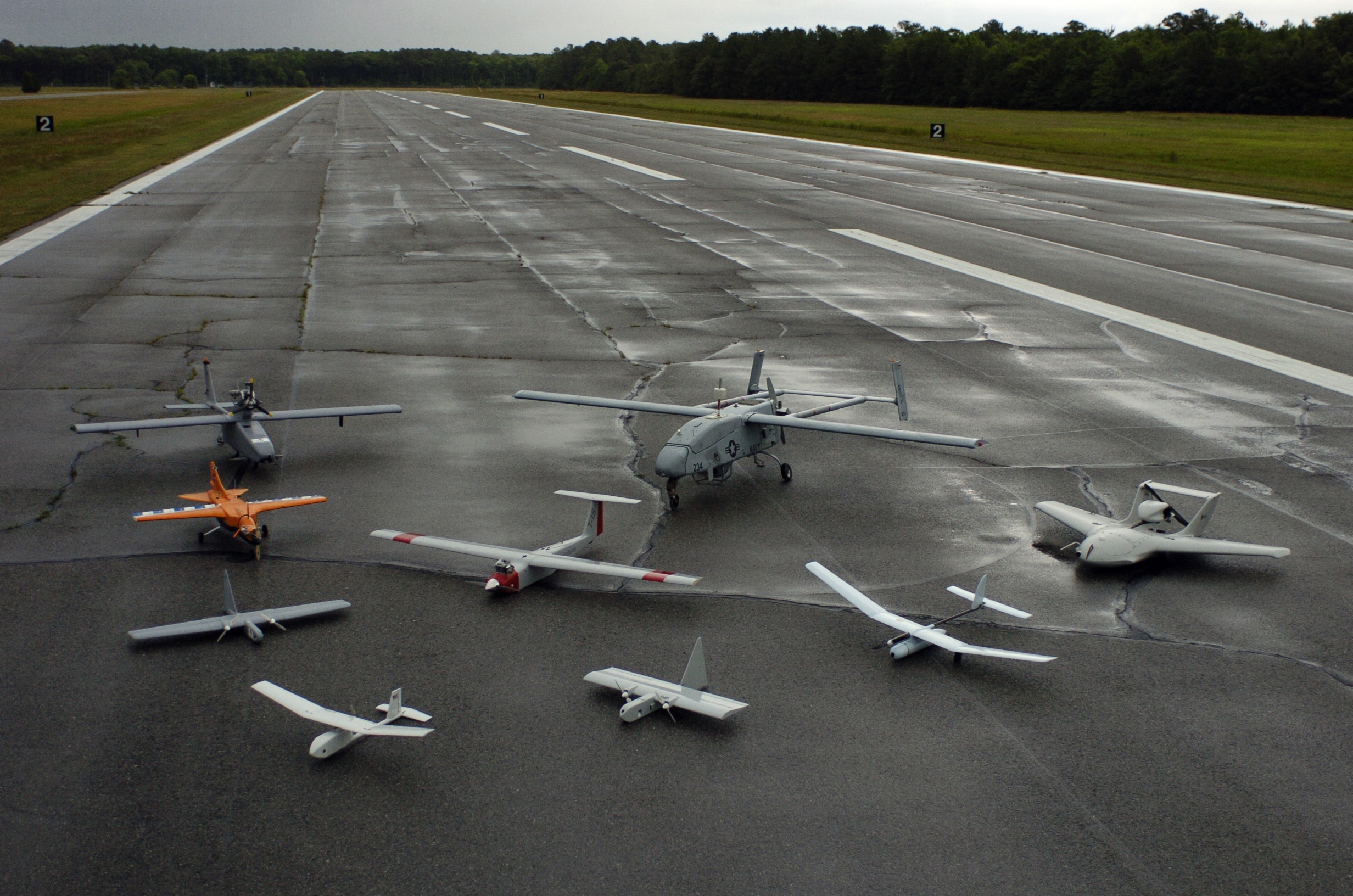
BHIM, county’s first indigenous superpower drone by IIT Kharagpur

IIT Kharagpur has designed the country’s first indigenous superpower drone, BHIM. The unmanned aerial device’s uniqueness lies in state-of-the-art protection shield, superior imagery and hitherto unknown abilities, say its creators. The drone will be a metre in length.

BHIM can also create a Wi-Fi zone within a nearly 1 km radius when it flies overhead. With a battery backup of seven hours, the drone can be very useful in creating seamless communication network while flying into a disaster affected area or a war-zone. It will help the security forces, rescue personnel and even the common man during such situations.

BHIM is designed especially for emergency situations as its special ability lies in maintaining long duration flights and dropping emergency supplies accurately. It can also be used for rescue operations in remote areas and can conduct integrity checks for boundary walls and find out breaches if any.

The vision-based guidance with built-in intelligence makes the drone identify that either an area is crowded or not, it will then fly away and land at a safer place.

“Such advanced built-in intelligence is not available in drones now. The design is completely in-house. The controlling and guiding algorithms of the drone have been developed in our lab,” said Sudip Mishra, a faculty member of the computer science and engineering department.

Now, BSE Institute Ltd to offer specialised programs in finance and financial markets

Bombay Stock Exchange Institute Ltd (BIL), the leader in financial education, is soon going to offer specialised programs in finance and financial markets. The institute has signed an MoU with Techno India University of Kolkatta in this regard.

The programmes, to be offered jointly, will include high end programs in financial markets and Fintech as well as BSE Institute’s flagship concurrent program Global Financial Markets Professional (GFMP) Programme.

During the programme, the students will be provided knowledge about cash, derivatives, technical analysis, financial modeling, mutual funds, banking operations and whole range of specialized topics. The course consists of 4 semesters followed by 1 semester of industrial practice.

Speaking on the occasion Managing Director and CEO of BSE Institute, Ambarish Datta said,”This MOU will give us an opportunity to reach out to bright students in West Bengal as well as states in North Eastern India. I am confident that we will be able to work together to create a pipeline of skilled professionals for the BFSI Industry.”

BIL offers a wide range of programmes in financial markets, banking and finance and business journalism. From one-day workshops to full-time post graduate programmes, the courses at BIL offer students a great learning experience.

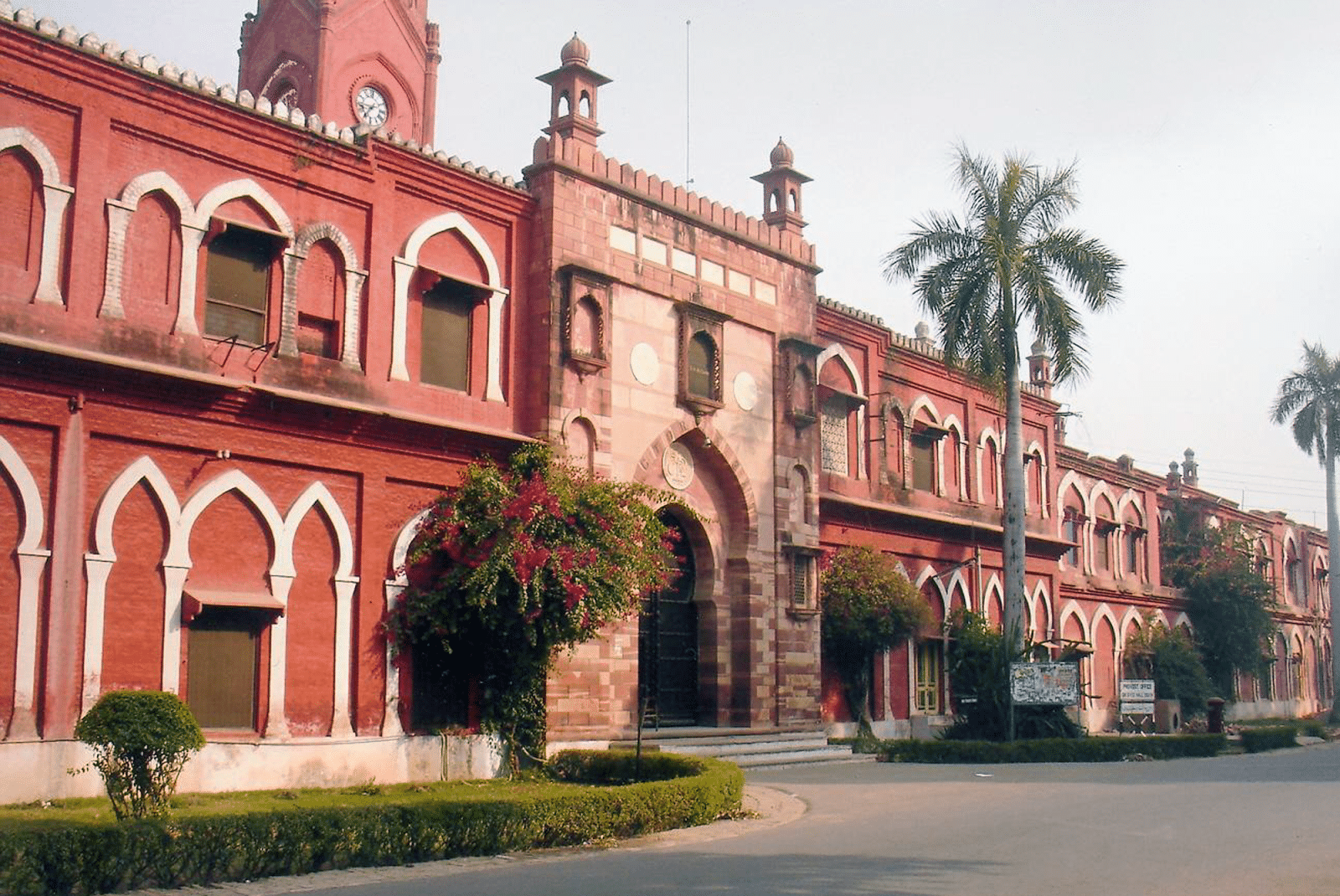
AMU and University of Sharjah sign MoU for academic cooperation

Aligarh Muslim University (AMU) and University of Sharjah, Sharjah, United Arab Emirates have signed a Memorandum of Understanding (MoU) for academic cooperation. Through the MoU, both the universities will exchange knowledge, academic programmes, research and other activities.

The MoU was signed by AMU Vice Chancellor, Lt General Zameer Uddin Shah and Chancellor of University of Sharjah, Professor Hamid Al Naimy. The formal agreement between the two universities will lead the way for international academic cooperation in terms of exchange of faculty members, research scholars and students.

The MoU, besides having joint educational programs at undergraduate, postgraduate, doctorate and post-doctorate levels will also pave the for the two universities in joint research activities and meetings concerning education and research.

According to a official communiqué, the two universities will also exchange educational materials, research, publications, scientific information, residency training programmes, fellowships, entrepreneurship and business and technology incubators under the MoU.

AMU Vice Chancellor, General Shah said that the MoU shall facilitate networking and support collaboration between the two parties’ educational programes, research centres, institutes and affiliated hospitals associated with each party.

He added that for each project of collaboration, both parties shall discuss and agree on the objectives, implementation and any financial arrangements related to the project.

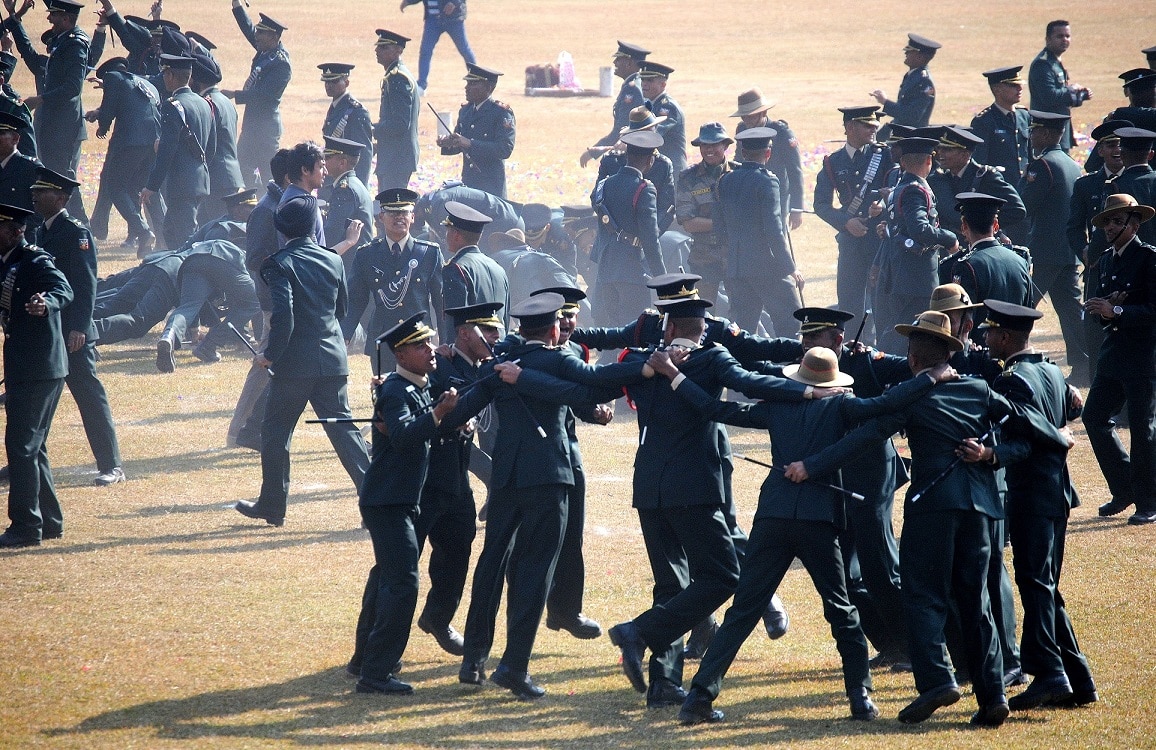
Army recruitment goes online

The Central Government has approved to conduct online entrance examination to recruit personnel for various ranks in Indian army. The decision has been taken after the army recruitment question paper leak.

The case of paper leak was reported under recruiting zone of Pune, ahead of a common entrance examination for recruitment of other ranks in the army last month.

While replying to a question in the Lok Sabha, Minister of State for Defense, Subhash Bhamre said, the government has ordered a Central Bureau of Investigation (CBI) probe into the incident. He added, during the last three years, seven cases of paper leak have been reported.

“Strict instructions have been issued to follow Standard Operating Procedures (SOP) and that any violations will be strictly dealt with. Further, the government has approved introduction of online entrance examination for recruitment of other ranks in the army,” Bhamre said.

Travelling together on growth path

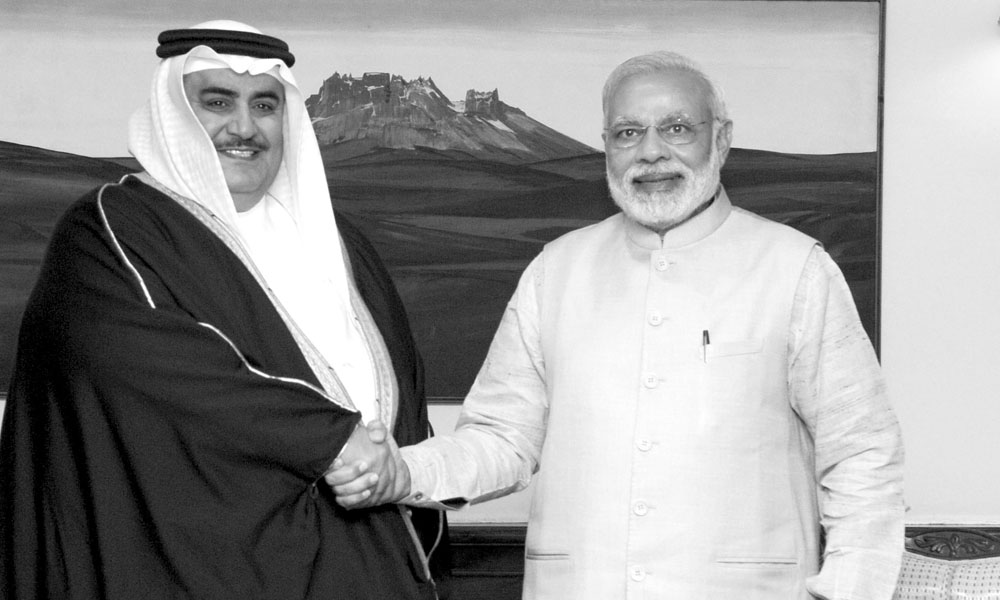
India-Bahrain bilateral relations are anchored in the history of the two nations that goes back to 3000 BC when Bahrain served as a trading and cultural bridge between Mesopotamia and the Indus Valley civilisation. The strong bilateral relationship between the two countries in modern times is underpinned by close cooperation in the areas of food and energy security, infrastructure, pharmaceuticals and healthcare, tourism, banking, human resource development, education, research and technology development, writes Rashi Aditi Ghosh of Elets News Network (ENN).

The Middle East and North Africa (MENA) region has made great strides in the education sector, quadrupling the average level of schooling since 1960, halving illiteracy levels since 1980 and achieving almost complete gender parity in primary education.

India and Bahrain enjoy excellent bilateral relations characterised by cordial political, economic and cultural contacts. Our bilateral trade and commercial exchanges go back to about 5,000 years ago tracing their origins to the period of Dilmun Civilisation in Bahrain and Indus valley civilisation in India. Ancient Bahraini traders are believed to have carried out flourishing trade in Bahraini pearls and spices from India. Presence of around 350,000 Indian nationals who comprise a third of Bahrain’s total population of 1.3 million is an important anchor for Carrying Forward the Legacy of Strong Ties.

The close ties between India and Bahrain in recent times has received a significant boost with leaders from both the countries maintaining close contacts with each other through visits and signing of agreements to address the issues of common concern.

Some of the important milestones achieved during these visits in the shape of bilateral agreements and Memorandums of Understanding can be summerised as following:

♦ Air Service Agreement (April 2000)
♦ MoU on Cooperation between Ministries of Foreign Affairs (January 2004)
♦ Agreement on juridical and judicial cooperation in civil and commercial matters (January 2004)
♦ Extradition treaty (January 2004)
♦ Agreement on Mutual Legal Assistance in Criminal Matters (January 2004)
♦ Agreement on the Promotion and Protection of Bilateral Investment (January 2004)
♦ Agreement for media cooperation between Prasar Bharati and Bahrain Radio and TV Corporation (March 2007)
♦ MoU on labour and manpower Development (June 2009)
♦ Agreement regarding Exchange of Information with respect to Taxes (May 2012)
♦ MoU on cooperation in the field of Information and communication Technology (May 2012)
♦ MoU on the establishment of a Joint High Commission (February 2014)
♦ MoU on cooperation between the Foreign Service Institute, Ministry of External Affairs, India and the Diplomatic Institute (February 2014)
♦ MoU for cooperation in the field of youth and sports (February 2014)
♦ MoU on Water Resources Development and Management (February 2015)

LEVERAGING TRADE AND ECONOMIC RELATIONS
India and Bahrain have had economic and trade relations for over several centuries; these relations received fresh impetus from the oil boom of the early seventies. Relative prosperity and higher standard of living in Bahrain boosted global imports of goods and services, including from India. Bahrain Government’s policy of industrial diversification also played an important role in enhancing economic cooperation between India and Bahrain. More than anything else, new job opportunities attracted a large number of Indian expatriates to Bahrain. Bahrain serves as the gateway to the GCC market because of its location.

India imports mainly Crude Oil, Ores, slag/ash Petroleum products, Aluminum and Fertilisers and exports Inorganic chemicals, organic and inorganic compounds of precious metals, ships and boats, boilers and machineries, Iron and steel and processed foods, etc.

DIASPORA ACTING AS ECONOMIC AND CULTURAL BRIDGE
While Bahrain is a small country both geographically (a mere 712 sq. kms.) and in terms of population (1.3 million), it has been a favourite destination of work for Indian nationals. While there were only 90,000 Indian nationals working in Bahrain in 2000, the number has since increased to 350,000 (approximately).

Out of this total, as many as 220,000 are from the state of Kerala. Andhra Pradesh and Tamil Nadu account for roughly 40,000 each.

Over 50,000 come from Maharashtra, Karnataka and Punjab. In terms of professions, the vast majority, i.e. 70 per cent, of our nationals are in the category of unskilled labour. Banking, medicine, management and accounts for the bulk of the well-to-do.

OVERSEAS INDIAN FACILITATION CENTRE (OIFC)
OIFC organised its first ‘Diaspora Engagement Meet’ in Bahrain on September 6, 2014 during the visit of Minister of External Affairs and Overseas Indian Affairs Sushma Swaraj to Bahrain, with the objective to acquaint the Indians living in Bahrain as well as businesspersons of the Kingdom of Bahrain with the various trade and investment opportunities in India. This was attended by close to 500 delegates. In order to promote bilateral economic relations between India and Bahrain, Confideration of Indian Industry (CII) is opening an office in Manama in cooperation with the Economic Development Board of Bahrain. OIFC will be integral part of CII office in Bahrain.

BAHRAIN INDIA SOCIETY
A group of India friendly businessmen led by former Labour Minister of Bahrain Abdul Nabi Al Sho’ala founded Bahrain India Society, which was formally inaugurated by Bahrain Foreign Minister on 21 December 2008. The Society’s objectives include promoting closer bilateral ties of friendship and understanding between the two peoples in the economic, cultural, sports and scientific fields.

The Indian expatriate community enjoys great goodwill from the Bahraini authorities and the employers alike. It is no secret that Indians are preferred over other expatriates from the subcontinent. The main reasons for this include the trust factor, strong work ethics and the “apolitical” orientation of Indian expatriates.


LATEST NEWS