





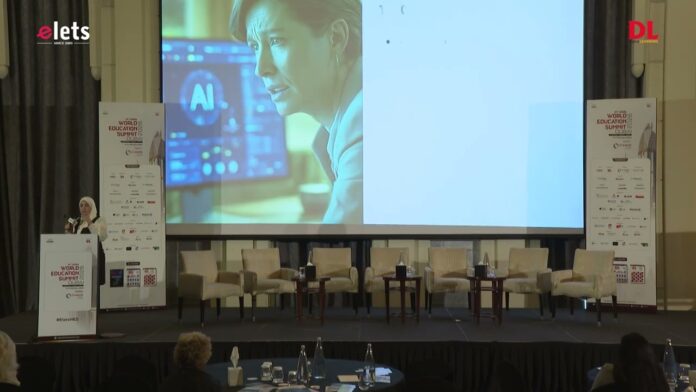
The educational landscape is undergoing a profound transformation with the rapid advancement of artificial intelligence (AI). As AI-powered tools become increasingly integrated into learning environments, educators are being challenged to rethink traditional approaches to assessment. The rise of AI not only changes how students learn and complete assignments but also raises important questions about academic integrity, critical thinking, and the effectiveness of conventional evaluation methods. As classrooms evolve, there is a growing need for assessment practices that prioritize authentic learning, transparency, and the development of higher-order thinking skills.
The Importance of Rethinking Assessment in AI-Powered Classrooms
With AI’s increasing capabilities, traditional assessments may no longer effectively measure student learning and critical thinking. The ease with which students can generate essays using AI raises questions about academic integrity and the genuine development of analytical skills. It is no longer just about finishing an assignment; it’s about whether students are truly engaging with the material.

AI’s Impact on Learning Evidence
AI has altered the landscape by enabling the generation of polished work products that disguise the effort put into learning. We are transitioning from a world where student output reflected genuine effort to one where AI tools might mask the process. Consequently, educators are rethinking how to assess learning effectively in hybrid classrooms.
Challenges Educators Face with AI in Education
One pervasive challenge is distinguishing between student-generated and AI-generated content. Traditional assessments often fail to evaluate higher-order critical thinking skills such as analysis, inference, and evaluation. Additionally, there are ethical concerns to consider, including data privacy, equal access to AI tools, and maintaining academic integrity amid the rise of AI.
Hybrid Learning and AI’s Role
Hybrid learning environments combine in-person and online education, and now AI adds another layer to this complex mix. For instance, students might use AI for brainstorming and drafting assignments at home, hiding their cognitive processes. This lack of transparency in AI use in education presents unique challenges for educators who strive to understand and assess student thinking.
Promoting Ethical AI Use and Critical Thinking
To address these challenges, educators must have conversations with students about their use of AI. Instead of penalizing AI use, educators can inquire which AI tools students use, how they use them, and in what capacity these tools aid their learning. This dialogue can encourage deeper thinking and understanding.
Frameworks for Assessing Critical Thinking in the AI Age
Several frameworks are being adopted in education to support this new assessment paradigm. These include David Merrill’s instructional design, the Foundation for Critical Thinking’s frameworks, and Bloom’s Taxonomy. These frameworks can guide educators in designing assessments that measure critical thinking more effectively in an AI-enhanced educational environment.
Concluding Thoughts: Embracing AI for Transparent and Authentic Assessment
As AI technology continues to evolve, educators must adapt assessment methods to ensure they remain productive, transparent, and aligned with educational goals. By leveraging existing frameworks and encouraging ethical AI use, we can better equip students with the thinking skills needed for the future. Let’s make assessment more than a measure of output; let it be a tool for fostering deep learning and critical inquiry.
Insights Shared by: Fatiha Bazouche, Instructional Designer, EdTech Researcher, Program Evaluator, and Editor of Instructional Technology at Ohio University, during the World Education Summit Dubai 2026.