Home Blog Page 377

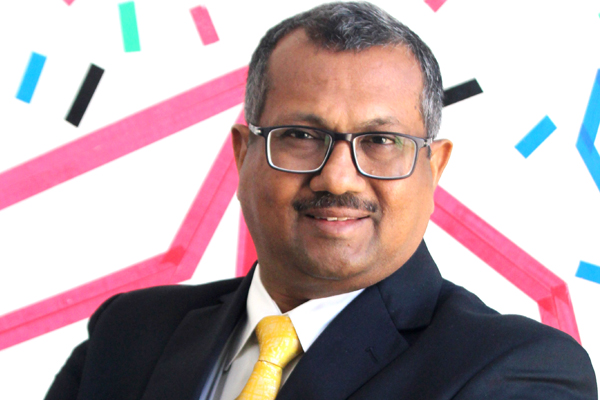
Pratima Sinha, CEO, DSR Educational Society, Hyderabad hails NEP; calls it futuristic

Pratima Sinha

Although the policy runs into nearly 400 plus pages but noteworthy and salient features are already being updated and discussed in all Educational Groups and various media channels. In my opinion, it is a very forward-thinking document, keeping in mind the need of imbibing new skills that the student will require in the future. What is important is the acceptance of the changes and implement in it’s true sense.

A great initiative to bring Pre Schools under its fold, with NCERT creating a complete structured programme for Pre School teaching and learning, this hopefully will give uniformity to the Pre-primary curriculum. Secondly, the big divide between the Science and Art stream is going to be nullified, this will give students a chance to explore options and change their subject combination based on their choice. Providing 10 days of Internship/Vocational training from Grade VI onwards will help the students and make it easier for them to identify their leaning towards their future profession. Another plus factor that I see is Board Exams will have a low stake, while various assessment modules will be implemented which will give a complete picture of the child’s overall development not only in academics but also in values, attributes, attitudes, skills and physical. This way we will be burying thankfully, the Rote Learning Syndrome. With Inclusive Education given a chapter mention hopefully schools would start taking this seriously. Teachers’ professional development has also been given paramount importance.

Also read: Online learning is the key to success in lockdown

Also, a notable fact is that there will be a National Regulatory Body that will be controlling the Public and Private Schools. Accreditation of schools will be important which is really good because established schools need to relook into their policies and for new schools, it will be a great guideline to establish themselves. Colleges will become autonomous bodies and can come up with their own curriculum, learning and teaching pedagogies. Entry and Exit points for the four years undergraduate programme will again give scope and freedom for students to move out and in based on wider options of subjects to be covered. The common entrance competitive examination will ensure that students are not hard-pressed to submit various entrances forms and generally go through anxiety pangs giving numerous entrance examinations.

I am only a little skeptical about the conduction of examination at the 3 rd, 5th and 8th level through Parakh The National Assessment Center. Would also like to point out that nowhere there is a mention of easy flow of admission in undergraduate and postgraduate levels from one State to another and from one University to another.

A better understanding of the detailed Policy will seep into us slowly as we keep revisiting it. Hopefully, it will be activated and showcase changes in the present Indian Education System.

Yatharth Gautam, Director & Chief Marketing Officer, Birla Open Minds terms NEP as holistic and progressive

Yatharth Gautam

First and foremost, I applaud the release of the National Education Policy – 34 years but alas we have a progressive road map and now the onus of implementation falls on all stakeholders including us educators to “walk the talk”!

Without getting into a comprehensive dissection of the policies, I would highlight certain key takeaways that clearly pave the way for a better tomorrow.

There has been a lot of chatter on Early Learning for some time now, and it is indeed pleasing to see this figure into the NEP 2020 guidelines. It is crucial that the foundation years of a student are well tapped into a truly holistic manner. India is sitting on limitless potential and this move will certainly accelerate the realisation of the same in the long run.

Introduction of a portfolio based assessment with a 360-degree approach is a major takeaway, not only because this involves teachers and students but the parents as well. The latter have often been sidelined and with this; the true support system of the children finally comes into play.

Also read: National Education Policy advocates use of technology in education

We often hear the terms holistic and progressive education, however, these require flexibility and willingness to experiment. This can now be done under the policy with respect to assessments, pedagogy, courses etc.

We have all seen students getting “put in a category” for their selection of subjects in schools which leads to a “blinder” approach to avenues in the real world. This stigma needed to be addressed and am confident with the pathways now available for students, we will finally leave this the archaic mindset in the past.

Any policy or idea is only as good as its implementation and only time will tell how well all the stakeholders address these aspects of implementation, however, all-around this is a major step in the right direction and will certainly elevate the country’s talent further on to the world stage!

MHRD Minister: Food Security Allowance to be provided to students till schools re-open

Food Security Allowance

Providing relief to lakhs of students in the Corona pandemic, Minister of Human Resource Development, DR Ramesh Pokhariyal Nishank took to his twitter handle to inform that the students who were eligible under the Mid Day Meal scheme would now be getting Food Security Allowance. The FSA in place of coked food till their schools re-open.

As per the minister, the regular meals would be offered once the schools re-open. He informed that the concerned authorities would continue with the FSA which would comprise of food grain, pulses and oil that would be equivalent to the cost of cooking a meal for them till the schools are set to reopen. The step would ensure better health and nutrition among school-going children.

The schools in the country have been non-opeartive physically since March 24, 2020, after the national lockdown was announced. Since then the students who were enrolled for the scheme were not able to get the complete benefit due to social distancing norms that needed to be followed.

Also read: MHRD Minister announces New Education Policy

The first Mid Day Meal Programme was introduced for economically weak children in Madras Municipal Corporation in 1925. In the 1980s three states, Gujarat, Kerala and Tamil Nadu and the UT of Pondicherry had introduced the scheme of a cooked Mid Day Meal using their own resources for primary students.

UGC Secretary: NEP advocates employability of students

UGC

Union Cabinet of India has approved the New Education Policy, NEP 2020 on July 30, 2020, bringing various changes to Higher Education in the country.

Over the NEP, UGC Secretary, Prof Rajnish Jain, said, ” A lot of emphases has been given to the employability aspect of higher education.”

He also highlighted the important changes made in the Higher Education sector through the introduction of NEP 2020. He also believes that the education policy is a significant way of leading to the country’s development.

“As you know, there is already a Bachelor of Vocational Studies. These kinds of courses are already offered under the ‘Bachelor of Vocation’ program. Considering the importance of employability, vocational training in terms of the internship will be integrated at the undergraduate level in all the other general education courses,” he added.

Also read: HRD Minister announces New Education Policy; Key Highlights of the new policy

He explained that the integration of undergraduate level from the first year, second-year vocational courses with degree courses can lead to enhancement in the employment of any graduate student.

As per him the NEP 2020 would bring about great institutional reforms, academic reforms, as well as many vocational education reforms as it has specifically talked about them.  This type of education system would also lead to the integration of the Indian knowledge system, language, art and culture into a school curriculum.

SC asks Centre to clarify on mandatory final exams

SC india

The Supreme Court of India, sought reply from the Central Government clarifying its stand on the UGC Guidelines that mandates compulsory holding of Final Year Exams 2020 for College and University Students.

 The apex court has asked the Union Home Ministry to clarify its stand on the cancellation of final year exams. In accordance with that, the court has also asked Maharashtra State Government to to submit its decision on cancellation of final year exams under the Disaster Management Act. The court has directed all parties to file their response before next hearing, which is scheduled to be held on 10th August 2020.

In response to the apex court’s direction, the Central Government has informed the court that it will file a reply on the matter latest by Monday. On the same lines, the Central Government has also said that students should prepare for the exams meanwhile, as they are currently not cancelled and will be held in line with UGC’s exam guidelines by 30th September 2020.

Also read: Correspondence engineering degrees invalid: Supreme Court

Since its release earlier in July, the UGC’s revised guidelines for Final Year Exams 2020 have come under some serious criticism from several stakeholders. Students and parents have been protesting against holding of Final Year University Exams as it would put lakhs of students at risk of infection of the Coronavirus.

2nd School Tech Summit: Encouraging & Empowering Learning through Technology bridging Digital Divide (PPP Model)

WhatsApp Image 2020-07-31 at 4.33.53 PM

Elets Technomedia and digitalLEARNING Magazine are organizing virtual ‘2nd School Tech Summit’ on 31st July, 2020. It will be the second full day conclave of the series. Eminent speakers from the school industry will take discuss the future of school education in the world of post COVID era. The panelists will enlighten the usage of technology and importance of value-based learning in our schools.

Arpita Chakraborty, Principal, Eicher School, Faridabad- The biggest challenge is to change the mind-set from traditional way of teaching to online classes. There are various other challenges emerged. We must focus on children specific and need based education. The role of teachers has changed a lot.

Arpita Chakraborty – This COVID has brought a huge change in the education sector. Our teachers not only accepted it but mastered it.

Arpita Chakraborty – It was an initial hiccup for teachers when they are seen by parents but not things have settled down well.

Arpita Chakraborty – Our willingness to accept and adapt the change is the main things. Technology was always there and will be there. We must take the call how to use the technology

Asha Alexander, Principal, GEMS The Kindergarten Starters, Dubai- We started the online classes from last 9 years. We started online classes without any fuss when the pandemic started. It is not completely easy to handle. We are looking to go back to school in the month of September but it will be a huge challenge for us.

Asha Alexander – We opened the doors for parents to attend the physical classes. It was a very appreciated by parents.

Asha Alexander – There is huge learning for parents , teachers and students.

Asha Alexander – The technology has compelled everyone to adapt the technology. It’s not about competitions but collaboration.

Dr Lekha Visaria, Principal, Swami Vivekanand Vidyalaya, Mumbai- We found there was lack of digital infra. We have to start from the scratch. Parents were reluctant to permit their child to it infront of devices for long time. Now, with time every parent has accepted the usage of technology in the pandemic. The process of adaptation is going on.

Dr Lekha Visaria – The hunger to learn will grow in coming days. The dynamics will change as food, shelter, clothes and technology will be the new norm

Dr Deep Khare, Principal, Jodhamal Public School, Jammu- This COVID has given an opportunity to everyone. Teachers found how to use technology. We can make children as independent learners. This is a life time experience. Students must have the courage to face any issue. Children cannot start a new lesson of their own.

Dr Deep Khare – We must let our children to do things of their own. Children must understand things not learn them.

Dr Deep Khare – Children must have wisdom when they pass out of schools, which have never changed.

Dr Deep Khare – We have to break the class to individuals. We cannot the assessment of a child.

Dr Deep Khare – We are preparing children for past not for future. Nothing has changed in last 30 years.

Dr Deep Khare – The children must be allowed to think and stop helping them. Allow them to self pace learners.

Preetee Kumar, Managing Director, Solan Public School, Solan- We started training sessions for teachers. It was a huge challenge for teachers to shift from traditional teaching to virtual. We conducted sessions for parents. For older children, we provided them project based learning, which can help them a lot.

Preetee Kumar – The technology is here to stay and hybrid learning will be the new norm in coming days.

Preetee Kumar – Everybody have joined hands to tackle the crisis. The collaborated learning started to boom in this crisis.

Preetee Kumar – Technology and PPP will stay for long time in education sector. Internet is not a luxury but necessities

Messages from Audiences

Lalita Bhardwaj: I agree we as a teacher missing that physical touch.

Sangeeta Sekhani: It’s a learning time….for upgrading our skills….both as students as well as teachers

RIMMI GUPTA: Rightly said Dr Deep….it is high time that children should become self learners.

Meenu Chopra: We did overcome the inhibition to learn new technology.

kusum chaudhary: Very true sir…spoon feeding has crippling effects on children .

Jasmeet Kaur to All Panelists: exactly we are also learning with our students nowadays

Ankita Bhatia: Dr. Deepak Khare.. You have really spoken something which is so realistic and practical. I agree with you that it’s the need of the hour to empower the children to think, pre-read and imagine…

Ankita Bhatia: I completely agree with Ms. Arpita who has clearly emphasized the dual role of a teacher as a guidance counselor and a personality developer apart from being a content developer adjusting herself/himself to the blended mode of learning.

RIMMI GUPTA: We at Eicher School, Faridabad also invited a science teacher to explain the effect of mauli, tilak…the scientific and logical reasons behind it.

RIMMI GUPTA: Our Assignments have Google form Quizzes to assess the understanding of the students.

Rakhi Cornelius: You’re right, sir. Customisation of students is not right. Students should not just learn facts.

Vinay kumar: I agree with Dr Khare. Even the marking of class 10 is crush the self esteem of the child for every. Every morning the child get up in the morning they curse CBSE. As they put lot of hardwork but not evaluated in right manner as their predecessors

2nd School Tech Summit: Maintaining Quality Education in term of Reduced Cost: Leaders Perspective

WhatsApp Image 2020-07-31 at 3.01.20 PM

Elets Technomedia and digitalLEARNING Magazine are organizing virtual ‘2nd School Tech Summit’ on 31st July, 2020. It will be the second full day conclave of the series. Eminent speakers from the school industry will take discuss the future of school education in the world of post COVID era. The panelists will enlighten the usage of technology and importance of value-based learning in our schools.

Pratibha Mishra, Principal, Panbai International School, Mumbai- The budget is our priority as school leaders. We need to come together to tackle the crisis. There is solution for every challenge.

Pratibha Mishra – We were prepared to provide any kind of assistance to students in this crisis. We convinced parents before starting online classes. Training was given to teachers as things started to change drastically.

Pratibha Mishra – We have to change the mind-set of teachers towards online education. We need to understand the emotional connect between the parents, teachers and students. School has helped parents through councelling.

Pratibha Mishra – We have cut down unwanted expenses. We started many things online from yoga to martial arts to dance virtually. Teachers co-operated a lot during the COVID.

Pratibha Mishra – We have given the privilege of payment monthly wise to parents. We are not compelling any parents to clear the dues.

Sami Ulla, CEO, Manipal International Schools, Anantapur- Quality is education is misunderstood. We must be clear what we are delivering in schools. The basic structure of any school is to develop the core learning within students.

Sami Ulla – We must understand what is need of the hour. We must get into the digital world and learning skills of students must not be hampered. We must not break the chain.

Sami Ulla – We have to replace the classroom with the digital world. The change must start from teachers and they require proper training to teach in virtual world.

Sami Ulla – Digital world has its own challenges and we went ahead to customize things. We were ready to accept the change. We have to re-work on our expenses and bring down our costs.

Sami Ulla – We were very flexible over the fees and have not enforced any parent to pay the fees.

Sami Ulla – We have given large discounts to parents over fees.

Ramanjit Ghuman, Principal, Oakridge International School, Mohali, Mumbai- We are living in challenging times. We focused on continuous learning. We opened up our resources for students and shared our own devices to students. The focus was on learning. The biggest assets are our teachers.

Ramanjit Ghuman – It was an immense learning experience. We must provide quality and interrupted learning to students.

Dr Sandeep Khanna, Principal, MIT- Vishwashanti Gurukul School, Pune- We are very well-equipped schools and we started online classes on 2nd of April. We have three weeks time to provide proper training to teachers. Initially, there were challenges but out IT team resolved it. Most of our students ar taking online classes.

Dr Sandeep Khanna – We started the virtual classes with assembly sessions and provided them breaks during the classes. We even celebrate the festival virtually.

Dr Sandeep Khanna – We started yoga sessions, dance classes, music sessions and many other activities virtually. These sessions can break the monotonous of students.

Dr Sandeep Khanna – We started taking feedbacks from parents. We have divided our fees structure into six parts. We provide discounts to parents.

Dr Sandeep Khanna – We did sessions for parents on Sunday morning and many participated in these sessions. We provide reliefs to parents.

Dr Sandeep Khanna – Technically, parents have entered the classroom and teachers have to be very careful during their classes.

Anjana Deva, CEO, Mount Litera Zee School, Varanasi- COVID was like Tsunami for all of us. The onus of teaching felt on the solders on teachers. The pandemic has created new ways of teaching. The teachers did a commendable job during the crisis.

Anjana Deva – We started our session from 2nd April with online classes. The pre-primary block was a huge challenge. There was lot of anxiety within parents and teachers.

Anjana Deva – The teachers and parents didn’t lose patience. The hybrid learning will be the new norm for schools. The management of every school must be applauded for making this possible.

Anjana Deva –  The hybrid learning is here to stay. Schools have to be tech savvy for coming days. The parents must be also tech savvy. The mind-set is very important.

Amey Parulekar, Head – Business Development, Financepeer- It’s been challenging times for all of us. The schools must invest on time and train teachers. Technology is here to stay and it can reduce our costs.

Amey Parulekar – We have integrated everything to our platform. From assessment to attendance everything is very clear in our platform. With the help of technology we can look into new things in education.

Amey Parulekar – There are plenty of programmes available now and we must choose what to keep and what not. Security is very important for schools.

2nd School Tech Summit: Advancing Life-Skills based Education: Preparing the Strong Foundation

2020-07-31

Elets Technomedia and digitalLEARNING Magazine are organizing virtual ‘2nd School Tech Summit’ on 31st July, 2020. It will be the second full day conclave of the series. Eminent speakers from the school industry will take discuss the future of school education in the world of post COVID era. The panelists will enlighten the usage of technology and importance of value-based learning in our schools.

Preeti Kwatra, Founder Director, Petasl Group of Schools, Delhi- The like skills are very important for students. This is a time which no one has ever imagined. Every teacher is doing its best to provide education to students. The role of teacher has been multiplied a number of times.

Preeti Kwatra – The responsibility of teachers have surged a lot. We are providing proper training to teachers to take care of children. We are trying to provide engagement activities to students.

Preeti Kwatra – The screen time has increased a lot for children. We are educating students and parents over the pros and cons of screen timing. We are teaching students about cyber security.

Preeti Kwatra – Parents must guide children what and when to watch during the classes.

Preeti Kwatra – The reform is happening after many years. The NEP is focused on creative and experiential learning. The new NEP will enhance the growth of students from day 1.

Nikhil Wagh, Chairman, Educon International School, Pune- The impact of COVID is changing in every passing day. New things are coming up for schools. Life skills is a very important thing which provide base to students. We must provide engaging class activities.

Nikhil Wagh – We can teach life skills to students through many platforms. The very essence of education is usage of mind.

Nikhil Wagh – Many schools are using online to teach. The connection with students is very important during the online classes.

Nikhil Wagh – The core set of life skills have developed among the students in this pandemic. It can also learn subconsciously. The teacher must connect with the children.

Nikhil Wagh – Failure is the first to success. Students must cope with failures if they want to succeed.

Nikhil Wagh – Digital literacy is very important for parents and children. We must prepare our students to tackle any such crisis.

Nikhil Wagh – The NEP has brought many new things. Teaching vocational skills from schools is out of box. It looks very great but there are challenges also.

Harsh Madhok, Director, Sunbeam Group of Institutions- Teachers have to evolve rapidly. The COVID has moved the learning from traditional. We must not waste the crisis. This can create new dimensions for education.

Harsh Madhok – We must keep a tap on digital data and survival skills are most important in this crisis.

Harsh Madhok – We have encouraged many private networks in last few days. There is a lot of new security concerns have popped up.The cyber security is the main issue.

Harsh Madhok – The NEP has come after 34 years. Things are in pipeline and 6 pc of GDP to be given to education. They have spoken to reduce the content.

Surbhi Goel, CEO, Aditya Birla Education Trust Schools, Mumbai- Life skill is how we can quickly adapt the changes. This is the need of the hour for many schools. Technology is here to stay. We must develop mental health and wellness within our students.

Surbhi Goel – Life Skill cannot be taught in classes.

Surbhi Goel – The NEP is a long awaited and has come up right time. There are very good addition to the sector. The reduction of content is very good. Coding being added as subject is very good.

Surbhi Goel – Teacher training is highlighted in NEP. We have to look how it can be incorporated.

Astha Kataria, Managing Trustee, Ashoka Group of Schools, Nashik- The way people have adapted the change is life skills. A lot of innovations came during the COVID. This is a blessing in disguise for many. This crisis will teach us a lot.

Astha Kataria – This has open up the minds of teachers, students and parents. This is very essential in VUCA world.

Astha Kataria – Entrepreneurship cannot be taught through a subject. It can be only done through conducive environment.

Astha Kataria – Things can be learnt by doing. Students can learn things from their peer.

Astha Kataria – The NEP is very futuristic approach. The success of this policy lies in the implementation. It requires a lot of phase wise training. It was long awaited and things can change a lot in coming days.

2nd School Tech Summit: Future Ready Schools: Building Technology Infrastructure for Learning & Connecting

WhatsApp Image 2020-07-31 at 12.02.01 PM

Elets Technomedia and digitalLEARNING Magazine are organizing virtual ‘2nd School Tech Summit’ on 31st July, 2020. It will be the second full day conclave of the series. Eminent speakers from the school industry will take discuss the future of school education in the world of post COVID era. The panelists will enlighten the usage of technology and importance of value-based learning in our schools.

Payal Rajpal, Founder, Hack the Crisis India, South Asia Head Robotex- We believe in blended learning. The NEP advocates the usage of technology in education sector. We use AI in our classes to enhance learning. We use technology in proctoring as it can change the ace of education.

Payal Rajpal – From last three years we are using many new technologies in our workshops to enhance the education sector.

Payal Rajpal – We are trying to develop students from rural areas. We are eyeing to empower teachers with new tools.

Payal Rajpal – The COVID has taught us how to change our education system. We need to focus on human interaction.

Dr Madhav Deo Saraswat, Principal, The Scindia School, Gwalior- We have to adopt and adapt technology due the COVID-19. Technology is a tool used for assisting in learning. The investment must be happen in people.

Dr Madhav Deo Saraswat – Technology will help us in transformation of knowledge. Teachers cannot be replaced in schools. Human touch is must in education as the machines can only assist.

Dr Madhav Deo Saraswat – The purpose of education is not going to change. Future schools must address many things and technology will be the main stake in coming days.

Dr Madhav Deo Saraswat – The NEP is very futuristic. The new changes will bring new revolution. But there are huge challenges to implement the NEP.

Dr Kavita Aggarwal, Chairperson, MISA- Need is the mother of invention. Everyone has changed their parental role. It was unprecedented time for teachers to change their ways. The teachers have evolved in a better way to tackle the crisis.

Dr Kavita Aggarwal – Learning something new is very difficult or many teachers but they have adopted it. The change is very drastic and adaptability of technology was eminent.

Dr Kavita Aggarwal – Technology is not everything. The future is blended learning and we don’t know when will be the schools will be reopened.

Dr Kavita Aggarwal – The NEP has many new things for the sector. The govt has taken strong initiative with brain drain. The cream of the society moves out of the country. The skill based education is the most commendable move.

Dr Kamal Sethia, Chairman, Vardhman Group- We are not future ready. When the COVID started we were struggling. We were not fully equipped to handle the crisis. The technology has given a chance to evolve the education.

Dr Kamal Sethia – Parents and society are expecting new things. The e-learning has came has saver for schools. We took inputs from many stakeholders over the online education. Parents are worried over the usage of technology.

Dr Kamal Sethia – Parents were worried over the usage of devices in education. We need to reach the rural areas and provide them the benefits of e-learning. We need to surge our reach to every part of the country.

Dr Kamal Sethia – Technology is here to stay post COVID-19 crisis. Schools have major roles- education, culture, discipline. The environment of schools can never be replaced. Students need that freedom to play and express themselves.

Dr Kamal Sethia – The govt must prepare solar powered labs for rural areas. The govt must provide new facilities to the schools.

Dr Shalini Advani, School Director, Pathways Schools, Noida- There are certain fundamental of education and it should revolve round people. Our education sector has never delivered on people- centric. The COVID-19 has forced to change. The change is embedded in our world.

Dr Shalini Advani – Leadership is very important to implement the change. As leaders we must ask right questions. Teachers are forced to change; they must develop value -based education. We need to add value-based subjects to our curriculum. Parents are now a part of classes.

Dr Shalini Advani – Schools must also incorporate parents to make our system robust. Technology is individualization learning. This has created way to collaborate with each other. The AR can help students to understand many complex subjects.

Dr Shalini Advani – The NEP has brought many new things to the sector. The whole framework needs to be re looked.

Dr Skand Bali, Principal, The Hyderabad Public School, Begumpet- Technology is here to stay and it cannot replace the human part. Technology can only assist but cannot replace teachers.

Dr Skand Bali – Technology was there but we were not using it. Schools don’t have to be future ready, students have to future ready.

Dr Skand Bali – There are many schools, which are providing critical thinking, skill based learning and many more.

Dr Skand Bali – A lot of people are giving back to the country. The NEP is very futuristic and people-centric. The implementation of the NEP is a challenge.

Dr Skand Bali – The world of education has become closer and time to change the dynamics of it.

Messages from Audiences

Aradhana Pareek: The unique blend of Technology and education has proved the best mode of imparting the education to the students during post COVID 19 era, but it is only the alternate solution to face the particular situation. This unpredicted situation has provided the chance to educators to come with full flesh to use their all corners of caliber.

Vinita Saraswat: I m agree with the views of Dr. SHALINI Advani Ma’am ….that we must adhere to our educational values along with technologies. Technology doesn’t replace our teachers. Instead of Running behind the technology teacher must change the old strategies of teaching.

Trilok Singh Bist: Great statement Mr. Skand Bali as I too believe many of our schools are future ready and one such Group of Schools is Delhi Public School Ghaziabad Schools and I am privileged to be a part of this system

DHIRESH SHARMA : Technology enhances the logic of science and education but we have to be reached on each level of mind through it. Dhiresh Kumar Sharma Mount Litera Zee School Varanasi

Ms.Sangeeta Sehgal: Your words touched a chord, Dr.Madhav Sir…true..we teachers have been left at a backfoot..and receiving end of backlash…we are braving all odds to deliver..afterall we are morally /ethically bound to do so

Prabhat kumar: Great thought sir. “seva tavi achchi lagti hai jab sanman milay” Prabhat Kumar . Gitanjali Devashray,Hyderabad.

2nd School Tech Summit: Redefining Equity to Learning through Technology

WhatsApp Image 2020-07-31 at 11.16.18 AM

Elets Technomedia and digitalLEARNING Magazine are organizing virtual ‘2nd School Tech Summit’ on 31st July, 2020. It will be the second full day conclave of the series. Eminent speakers from the school industry will take discuss the future of school education in the world of post COVID era. The panelists will enlighten the usage of technology and importance of value-based learning in our schools.

Dr MVV Prasada Rao, Director, Central Board of Secondary Education (CBSE)- There was no other substitute other than technology in the COVID world. The COVID has thrown a great challenge. It was growing very slow during initial stages but now it’s compulsory for schools.

Dr MVV Prasada Rao – Now Technology is inseparable from education sector. Without technology what would have happened to education sector in this crisis. We need to address certain things- internet speed and accessibility, gadgets. Now technology is the only option.

Dr MVV Prasada Rao – I am very happy the govt has come up with the NEP in right time. It will enhance the education sector in the country.

Dr MVV Prasada Rao – The BEd colleges are grown immensely but the quality is very bad.

Dr MVV Prasada Rao – The CBSE is training the teachers immensely from last any years.

Dr MVV Prasada Rao – The ATL Labs are doing commendable jobs. We have developed DIKSHA for students. We have e-Pathshala which has audio and videos content for students. We are upgrading and up skilling the teachers.

Dr MVV Prasada Rao – The development of new professional skills within teachers and listening skills for students much needed.

Dr MVV Prasada Rao – The curriculum can be related to life skill values which can provide much needed for our students.

Om Pathak, Founder & Chairman, DPSG Society & Selaqui International School, Dehradun- All the teachers are putting their best to provide quality content to students in this pandemic. From last four, it’s been a very hard for teachers.

Om Pathak – I welcome the New Education Policy, which the govt brought after 34 years. The new policy will address many things which were pending from last three decades. With NEP, the focus is shifted to competency of child. The stress of students will be reduced with NEP.

Om Pathak – There will be a new test for teachers to qualify for teaching. The implementation will be very tough for the govt. It will be a herculean task. It’s very unfortunate the govt and private being discussed across the country. The private schools have done better than govt ones.

Om Pathak – Private and govt schools must collaborate for the good of education. Education must be service not public service.

Om Pathak – Teacher is irreplaceable and cannot be substituted by the technology. Technology can enhance the education sector. Teachers need motivation in this crisis and they can do wonders.

Om Pathak – The COVID fast tracked the usage of technology in education sector. There will be challenges as internet and devices for students. We must find new ways tackle the crisis. The AI is coming in a big way.

Om Pathak – These days a parent goes to 20 schools before finalizing one. If the quality of pedagogy is good then the intake of students will increase.

Om Pathak – Private schools must be addressed to grow but should be watched. We should leverage the private schools to grow.

Om Pathak – Education is the single empowerment tool which can change the face of the country. We need to work on it to become the Global Guru. We need to work the students in rural areas.

LATEST NEWS