


Home Blog Page 717

Education Technology: Top 5 Prospective Developments

21st century is the century of technical innovations. The technical revolution has affected every sector positively. Education sector has also witnessed the technical influence in teaching and learning methodologies writes Akash Tomer of Elets News Network (ENN).

Nowadays the mobile phones have more content in various forms (video, audio, pictorial, graphical etc) than found in the libraries. Massive Open and Online Courses (MOOCS) are aimed at unlimited participation of learners and teachers globally. Now, after such a revolutionary transition of education sector, what will be the prospective developments in the sector to develop effective educational system?

Learning Management systems (LMS):

Learning: it is used to deliver education courses or training programs.

Management: It helps schools or educational institutes to organise the learning courses. It helps to create a course, modify a course, assign them to students, grade them, etc.

System: LMS is a computer programme that helps students to learn and manage the curses systematically.

LMS is not just limited to the educational institutions. It has diversified customers from large multinational enterprises to small and medium businesses, organisations from United Nations to your local co-op ones, including Non-Government Organisations and non-profits, governments and their agencies, traditional educational institutions like schools, universities, colleges etc and online and eLearning based educational institutions

Global E-learning platforms:

In this era of globalization, schools and universities are emphasising more and more to educate children who are aware not only about the local cultures and trends but easily accommodate themselves at the global level. From small business setups to multinational companies, there is a huge demand of entrepreneurs and professionals who have a deep understanding of various cultures of the world. Global E-learning platforms are the information systems used for online teaching or to supporting traditional teaching. The software system designed to create a virtual learning environment through which it is possible to deliver training courses, administer and monitor them and access a series of facilities and arrangements. Such platforms also help educational institutes to share best practices in learning, to access best available content and to acquire best available technology solutions from around the world.

Teaching Assistance:

Lectures of best teachers all around the globe are freely available over internet in form of video lectures that may help teachers to improve their traditional way of teaching using latest technologies. Latest technology innovations would facilitate anytime, anywhere learning. Teaching assistance to students will be on their demand and help them get their queries resolved instantaneously and facilitate instant access to information. Increased use of technology in education sector ensures two things: first, quick and appropriate content delivery even in rural areas of India. Secondly, teachers will now completely be transformed. Traditional teacher will soon become leaders, coaches and facilitators who will focus on development of real world skills. It will help in creating future entrepreneurs and the kind of people future employers will look to hire.

Enhanced Use of Virtual Reality:

Virtual Reality can present complex data in an accessible way to students which is both fun and easy to learn. Companies like Google, Samsung and HTC are investing billions of dollars in developing education related applications for VR technology. The technology enables large groups of students to interact with each other and their teachers within a three dimensional environment. Moreover, these students can interact with the objects in that environment in order to discover more about them. 21st century children have grown up with technology from a very early age and unlike adults, do not have any fear or hesitation in using it.
Artificial intelligence:

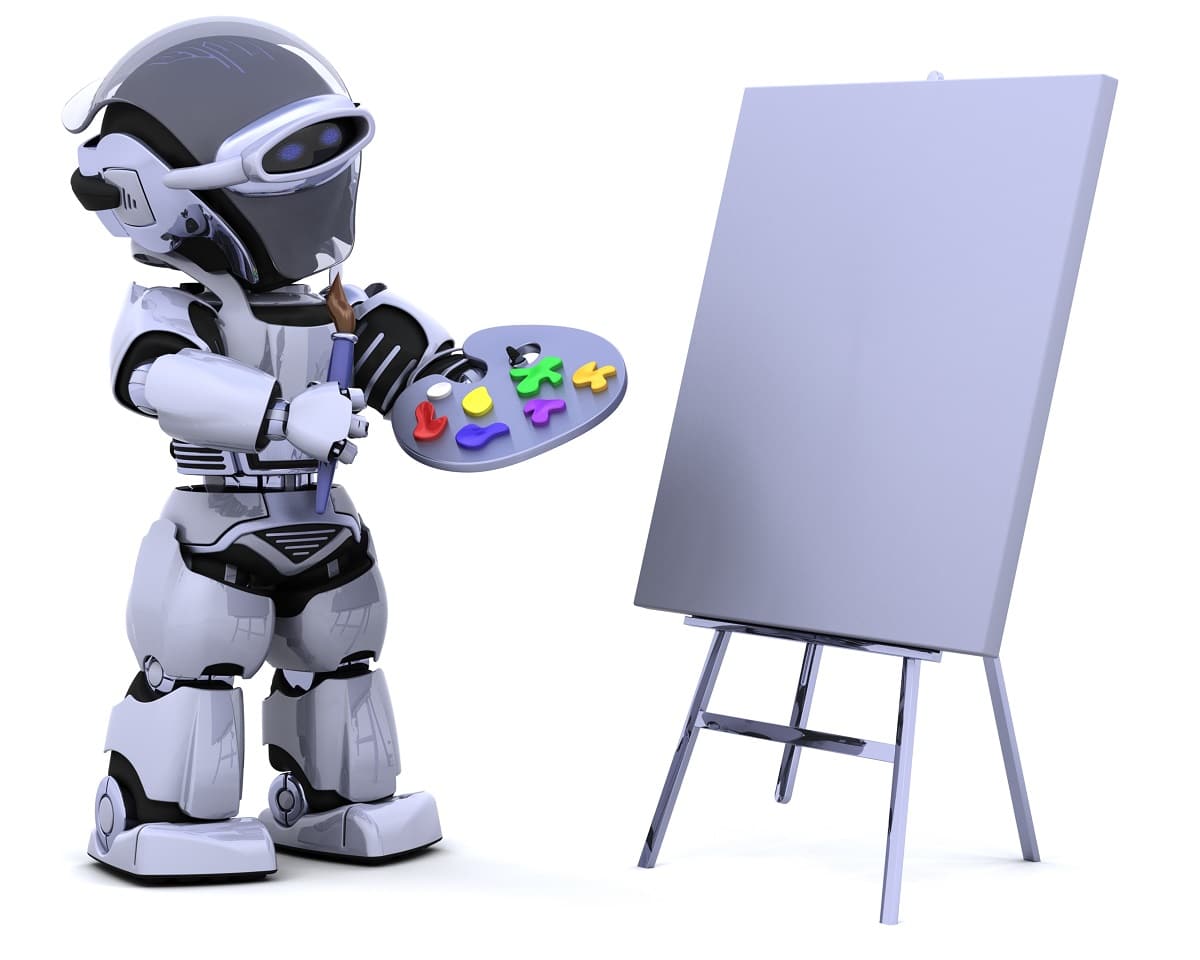
Artificial intelligence (AI) is the next giant leap in the field of learning, education and technology. AI may not ever be able to truly replace human grading, it’s getting pretty close. It’s now possible for teachers to automate grading for nearly all kinds of multiple choice and fill-in-the-blank testing and automated grading of student writing may not be far behind. A new breed of AI toys will tremendously help teachers and counselors working with special needs children. These toys and programmable robots are already enabling children with AHD and Autism to learn quicker and better.


65% of IT employees not re-trainable: Capgemini CEO

The Indian IT industry is eyeing at a shift in nature of work due to increasing use of digital technologies but according to a top executive of a leading IT firm, majority of the workforce are not versed with required emerging skill-sets that may results into high job losses at the middle and senior levels.

Srinivas Kandula, Chief Executive Officer, Capgemini-India said, “I am not very pessimistic, but it is a challenging task and I tend to believe that 60-65 per cent of them are just not trainable”. The Indian arm of the French IT major employs nearly 1 lakh engineers in the country.

At the annual Nasscom leadership summit, Kandula said, “A large number of them cannot be trained. Probably, India will witness the largest unemployment in the middle-to-senior leve”.

Raising concerns over the quality of IT workforce available, he said that out of 3.9 million IT employees in the country, most of them come from low-grade engineering colleges which do not follow rigorous grading patterns for students in their zeal to maintain good records. The industry, driven by yield-seeking investors, has not invested enough to upgrade the skill-sets of its employees, he added.

Recently, Nasscom has also raised the same concerns revealing that there is a need to re-train up to 1.5 million, or nearly half of its sectoral workforce.

Showing his concern over the wages offered to a fresher, Kandula said, hiring of students majorly from lower-grade engineering colleges is the reason of negative rise in wages by a huge margin. He further added, the current package for a fresher is around 3.5 lakkh per annum as compared to that of 2.25 lakh per annum two decades ago. It clearly suggests a massive decrease in real wages from an inflation-adjusted perspective.

Funding freeze causes 50% drop in recruitment

The prolonged funding winter has caused the 50% drop in hiring at startups by 10-50%, revealed recruitment firms that hire for startups.

Particularly ecommerce, logistics, grocery and food delivery companies have put the hiring on hold or are laying off its employees due to their inability to secure funds. Financial Technology companies are the only exceptions that affected less by the funding scarcity.

Current hiring depression is making it tough for the startups to hire best talent from premium business schools or top engineering colleges of the country. Moreover, lack of funding is also obstructing startups to attract top talent from larger companies. Startups need combination of best and experienced minds to enhance their business and to focus more on technology innovations.

Explaining the current situation of declined hiring, Joseph Devasia, managing director for India at Antal International, said, “We were getting about 100 requisitions a month from startups for senior and midlevel hiring 12 months ago. Today, we get a maximum of 3040”.

Ashish Sanganeria, partner at executive search firm Longhouse Consulting, said that hiring is down particularly at the mid and lower levels of startups and inability of startups to recruit senior executives is more disturbing. “Among the top 10 ecommerce companies, there have been only 3540 hires at the leadership level in the past six months, while the number was in triple digits in early 2016,” Sanganeria added.

Along with this the recent wave of layoffs by the companies cut down the costs is also a big worry. According to research platform Xeler8, in 2016, startups in India let go about 9,200 employees compared with about 5,500 in 2015. According to a leading business newspaper’s report, Snapdeal is in the process of laying off at least 1,000 employees.

“We are seeing more open positions in startups in the financial technology services sector post demonetisation across all three levels— senior, mid and entry,” said Rituparna Chakraborty, cofounder of staffing firm TeamLease Services. “These companies are expanding aggressively and job requirements have almost tripled.”

Siemens and BML Munjal University tie up to open centre of excellence

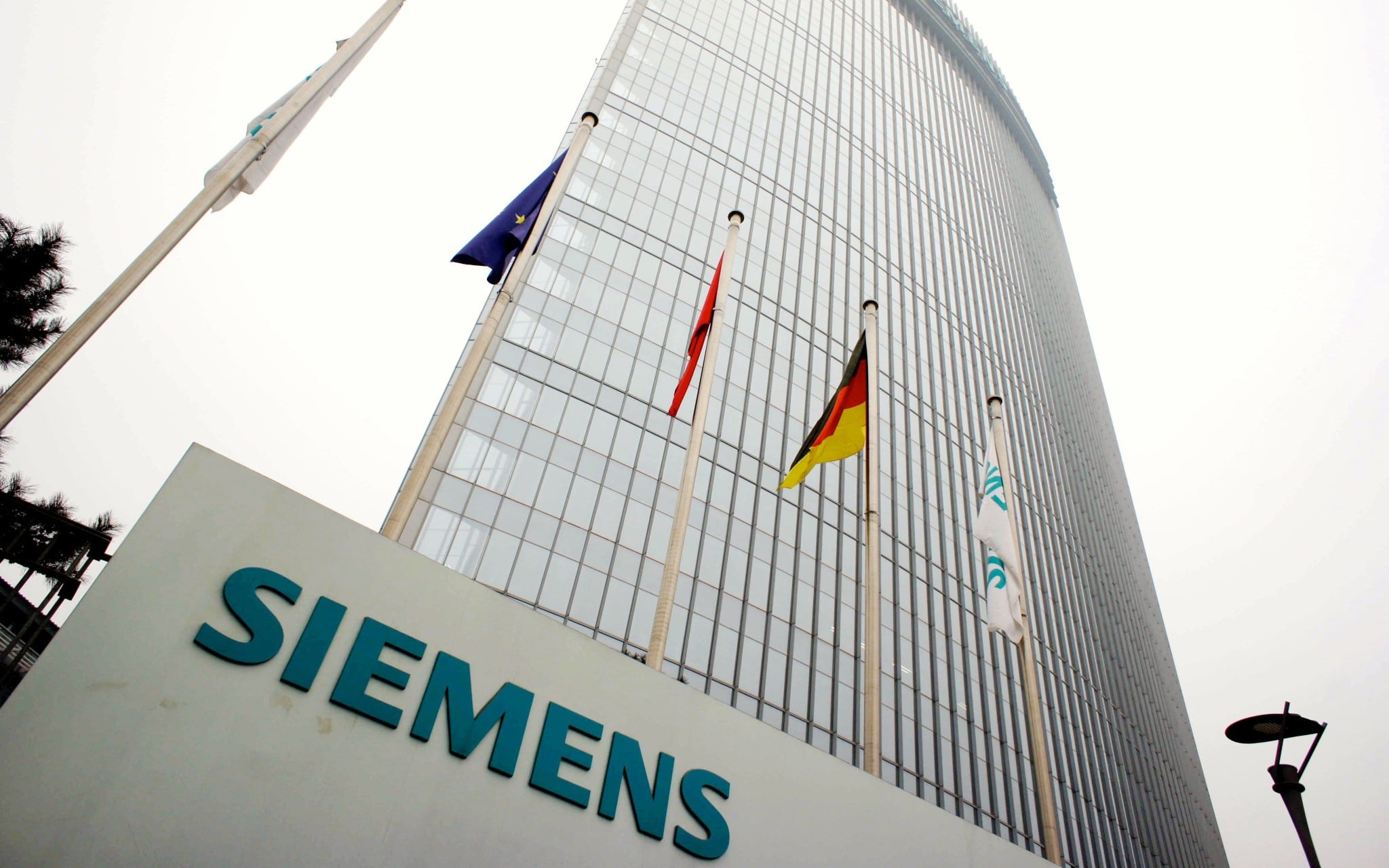
Siemens, the global manufacturing and electronics giant and BML Munjal University joined hands together to set up a Centre of Excellence. The Hero Group promoted varsity is building a world-class integrated skill development infrastructure with the multinational company.

There will be nine laboratories of different fields at the centre to help inculcating specific skills in students and to equip them with expertise in engineering and manufacturing sectors.

The Centre of Excellence will also help the University and the company to bridge the gap between technical education and the industry needs and to help engineering students to learn industry-relevant skills.

MSRDC and IIT Bombay to conduct road safety course

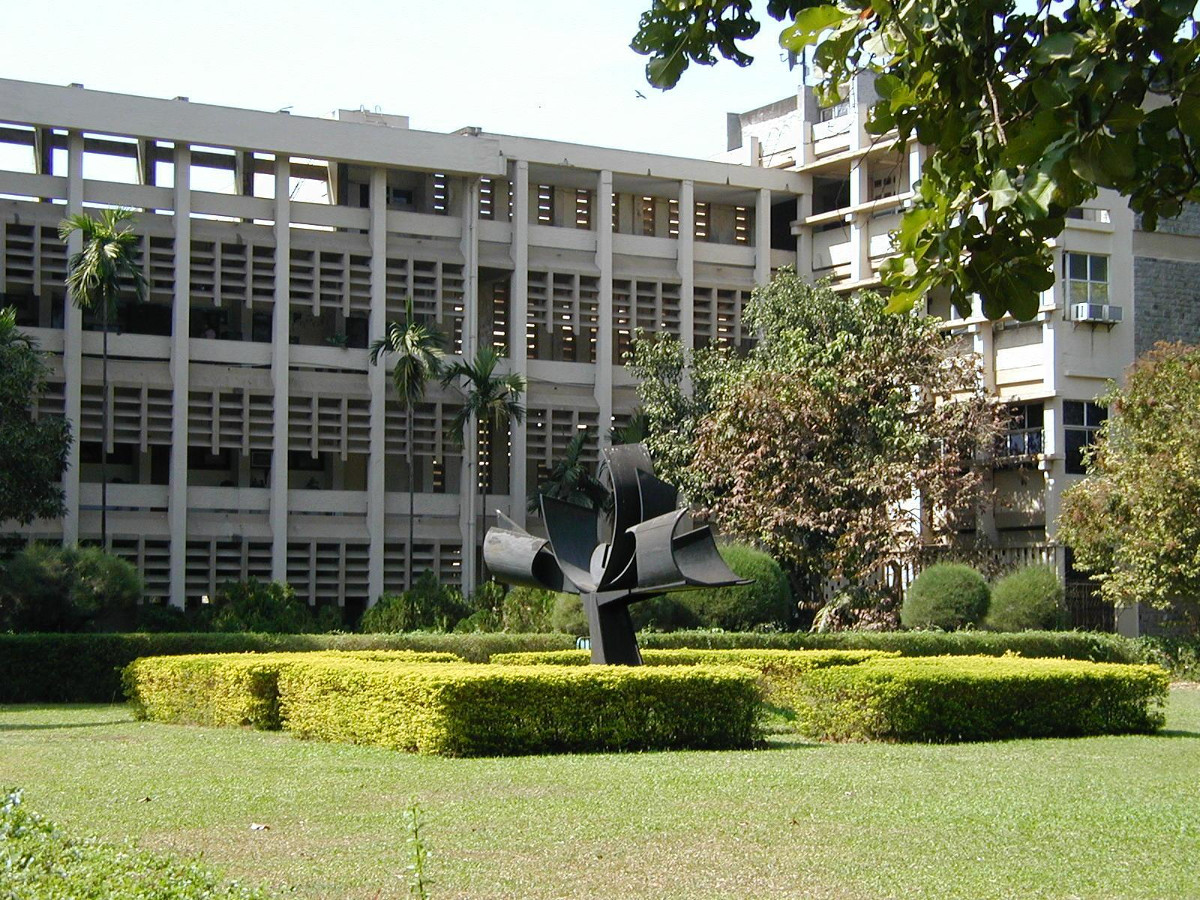
In order to control the growing number of accidents on highways, Maharashtra State Road Development Corporation (MSRDC) is chalking out plans with IIT (Indian Institute of Technology) Bombay to conduct a road safety course for government engineers. Transport activists welcomed the move.

As per a report of a leading newspaper, a study on the vehicular traffic and accident-prone zones on the Mumbai-Pune Expressway was conducted that revealed, from 2002 to 2014, 14,500 accidents occurred on the 94-km stretch of the expressway that led to a minimum 1,400 deaths.

Kiran Kurundkar, Joint Managing Director, MSRDC, said, “The subject of road safety finds a very small space in the curriculum of engineers. It is not given much importance. IIT Bombay felt that this gap could be bridged by conducting a certificate course on road safety to train government engineers. We are yet to decide the details”.

Commenting on the lack of safety education among civil engineers, transport expert Ashok Datar said, “When a road is designed there isn’t much consideration for safety and it is more about speed. There needs to be more emphasis on road safety.”

“The MSRDC, being a road construction body, needs to be more conscious about road safety at the construction stage itself. The awareness level of road safety is so bad that whatever one does about it is good,” Datar added.

Central Government sanctions 756 Crore to set up medical colleges in Assam

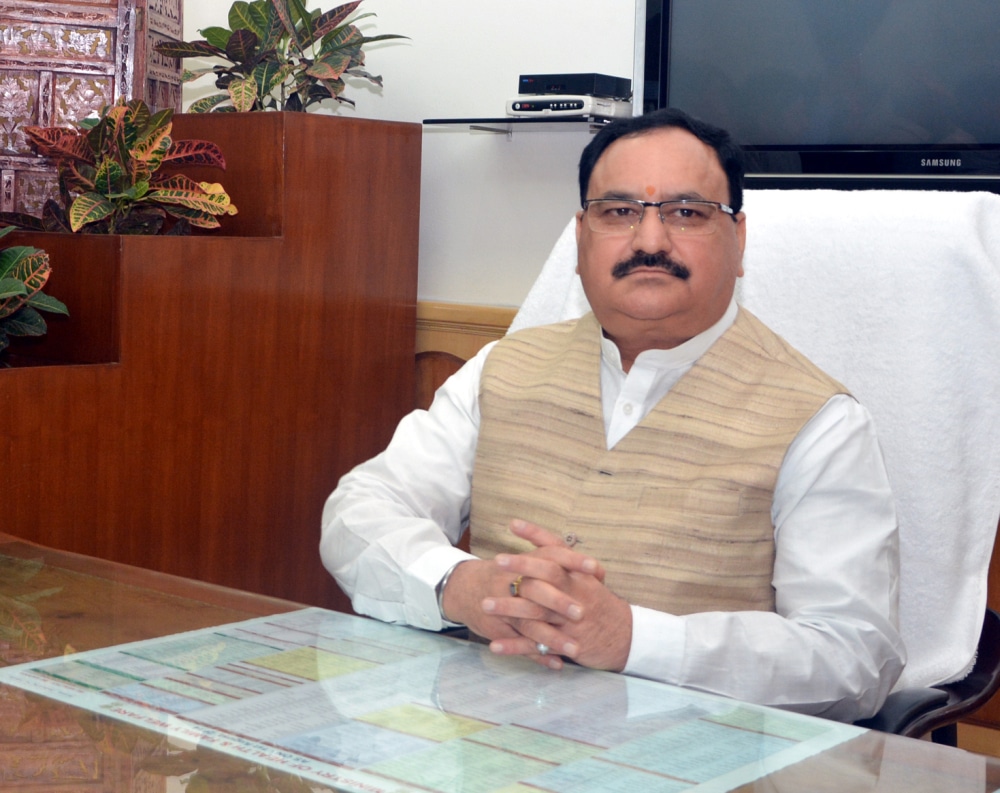
Union Minister J P Nadda, has recently announced that the Central Government furthering has sanctioned Rs 756 crore for setting up four new medical colleges in Assam. It will help the state in resolving the healthcare atrocities in Assam. The announcement was made by the union minister at the launch ceremony for the construction of a medical college at Dhubri district in Assam.

Nadda said, “The Central Government has prepared a National List of Essential Medicines and planning to make these drugs available at AMRIT pharmacies in the state at a fix rate”.

Nadda also stated that in 16 District Hospitals of Assam, the Central government is planning to provide around 500 types of medicines, 85 types of tests free of cost. He added further that the facilities will also be made available at community health centres and primary health centres in due time.

Budget of Rs 189 crore and 108 bigha land has been sanctioned for the medical college to be buoilt at Dhubri. The medical college is expected to be finished in 3 years and there are plans to attach the medical college with the District and Referral Hospital in Dhubri that can currently accommodate 200 patients.

Nadda further added, “It’s a great day for the people of the region to have this kind of healthcare facilities. I must appreciate that the Chief Minister and the Health Minister have been able to live up to the Centre’s expectation. This cancer hospital will now serve the people of the region.”

Assam Chief Minister Sarbananda Sonowal was also present at the occasion and told it as a milestone event for the district.

Delhi nursery admissions to be centralized from next year

Delhi government has put forward a proposal to centralise the process for nursery admissions from the next academic year. The centralised process will let parents to apply for the schools of their choice.

According to the officials, the proposed system will ensure transparency in the admission process without compromising the autonomy enjoyed by private schools.

Another report by a leading news paper revealed that the new process will help in streamlining admissions and make it hassle-free for parents. To implement the process from academic year 2018-19, the state government will start the process of collecting data from private schools in April this year.

The centralised system will cover all 1,700 city schools recognised by the Directorate of Education (DOE), said officials. The above number includes schools on DDA land, which have taken the government to court over its neighbourhood criteria for nursery admissions.

“Right now, we are following what the HC has ordered. Once the case is decided, the criteria settled upon will be embedded in the centralised system,” said Atishi Marlena, adviser to the education minister.

To choose a school, parents have to register themselves on the website of DOE as per the new system. After completion of registration, they will be directed to the admission form. The basic information of a child like name, age, parents’ details etc will remain same for all schools and be filled on the common form. Further on, parents will get to choose the schools of their choice on a map, and respective separate school criteria will be displayed on that form.

After this process is completed, the parents will be given a tally of their scores earned for each school applied to, for their own record.

Also Read: Delhi Nursery Admission 2020

STEM Subjects most promising for majority of girls as career option

According to a study, it is revealed that majority of girls in India prefer to pursue a career in science, technology, engineering and mathematics (STEM). The second edition of Mastercard Girls in Tech Research was conducted across six countries of Asia Pacific in December 2016 among 2,270 girls between the age group of 12 – 25.

The research says, besides the gender gap in India, there is greater acceptability amongst girls in choosing STEM subjects as a career choice. The research stated that only 34 per cent of girls opt for non STEM profession, there port further states parents as the key barriers for girls to choose STEM subjects. Out of all respondents in the research, 40 per cent feel that by offering more internship opportunities, educational institutions can help improve the situation by motivating girl students to choose for STEM careers.

The research report also reveals, at the age of 21, majority of STEM graduates were clear on their choice of career and decided to pursue the stream. The reason to choose STEM as a career option is high job satisfaction as 68 per cent of STEM professionals found employment in less than 6 months whereas for non-STEM graduates it takes at least a year to decide their career choice. Moreover, non-STEM professionals indicated a 33 per cent lower job satisfaction.

Sirena Technologies: Learning Through Robots

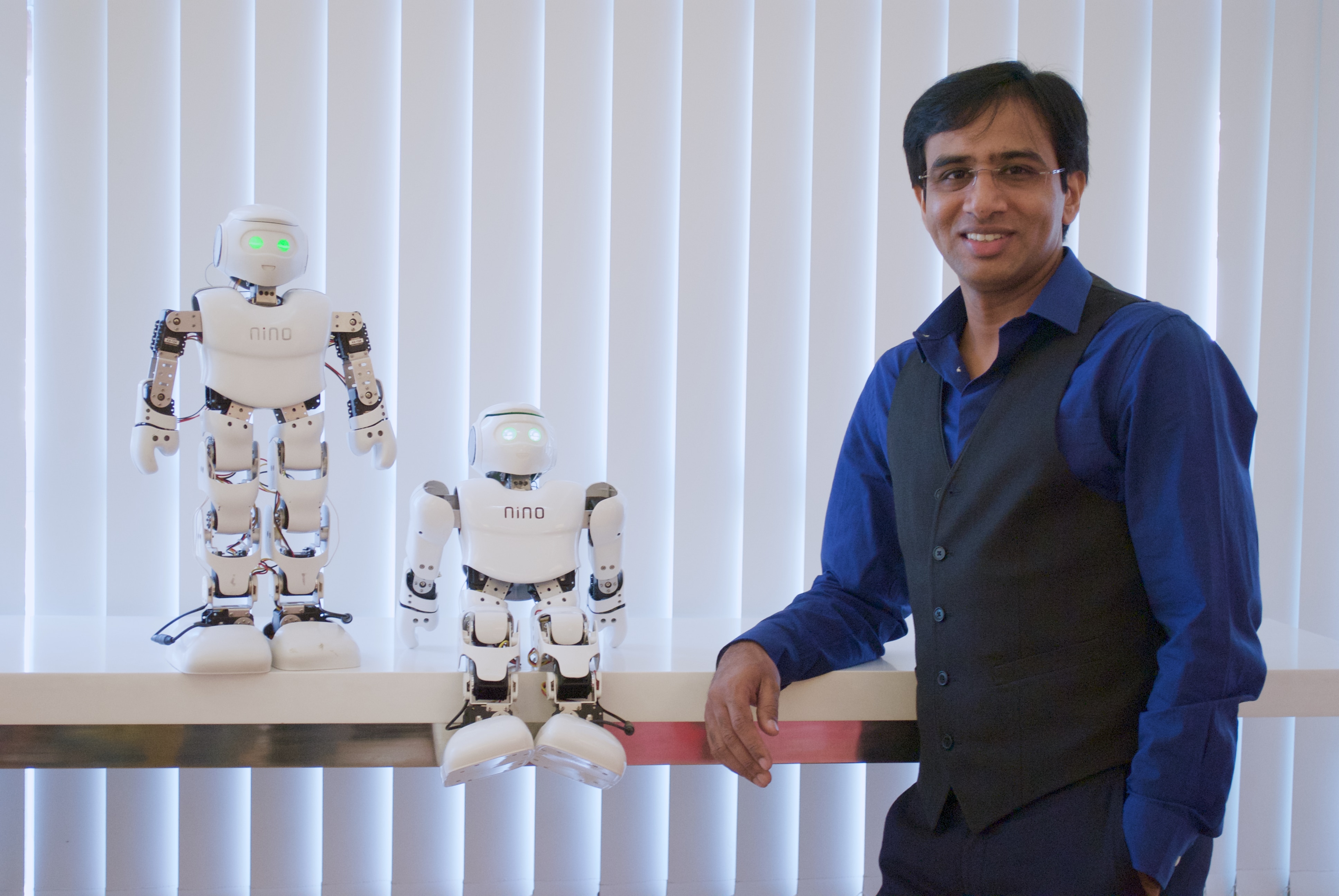
Sirena Technologies is setting new trends in education domain through its humanoid “Nino” to help teachers, says Hariharan Bojan, Founder and CEO, Sirena Technologies in an interview with Elets News Network (ENN).

What is your genesis behind establishing the organisation?

Sirena Technologies was started with a vision to impact the education system in India through technology (Robotics) and to manufacture affordable high-end products for India market like Wi-Fi speakers, Wi-Fi audio adaptors, LED lamps with speakers etc. Employees at Sirena Technologies, despite their varied backgrounds are collectively trying to develop feature rich, affordable and easy to use humanoid.

We’ve made excellent progress here over the last couple of years and with more opportunities our way; sky seems to be the limit.

Education and research are one of the most promising areas, how your products are fit for the aspirations of schools in these areas? What are your plans for collaboration with schools and other educational institutions?

The only way any country could progress is by imparting world class education to its children. We at Sirena truly believe that education will make an impact and with the kind of curriculum and programs we come up with is not only unique but world class.

We offer our service to schools though Sirena Knowledge & Information Programme (SKIP). SKIP enables learning through robots and learning about robotics in Preschool, Primary, Middle and High school. The programme enables students get an opportunity to learn by interacting with humanoid robots. Specially designed hands on activities facilitate students to connect their day to day learning in schools through our unique curriculum which directly maps with students syllabi.

We offer SKIP-inception program for nursery to grade-5 students and SKIP-inquiry program for grade-6 to grade-10 students to meet the needs of every school. As part of SKIP-inquiry, we set up robotics lab for schools and have students work hands-on with robots based exercises.

You have a special product — Humanoid Robot — How it can help in improving the teaching-learning process at schools?

“Nino” is our star and the heart of our SKIP program. Everything started as a medium to quench the thirst and slowly a medium to bridge the gaps and now its spread on its own.

Nino’s growth:

  • First time in India, a humanoid robot will be assisting the teacher in the class rooms starting from preschool to higher grades. The entire content is developed to suit the need of every child whom we diligently identify as unique.
  • Children not only learn through our curriculum, but learn about their potentials and are groomed accordingly.
  • Setting up Robotics & IoT Labs for schools, which would help students have a hands on experience and real time product development scope.

In order to develop a child holistically, what imagination and technology you use in the products to improve their understanding and learning?

“Nino” is a humanoid that can talk, walk, dance, sing, play and work wonders with its inherently built intelligence. The teaching, content and curriculum are so interesting that kids would find it no choice but to be involved. Nino would start understanding kids over time and once we integrate it with Artificial Intelligence (AI), the learning would be mutual and kids can engage with Nino as if it’s their “real” human friend, over time.

Nino is the only humanoid available in the market that is completely customised to meet the needs of the K-12 segment of mainstream schools and educational institutions with a strategic focus kept on price-sensitivity.

The concepts are such tapestry that it engages child in not just varied difficult concepts of classrooms but in most essential qualities of life like- Leadership- as we allow them to take initiative. Sharing – what joy is it if it can’t be embraced, Passion – a deepened desire to just do, artistic touches, intrinsic ways to relate things, a keen eye and a knack for choosing the best.

How do you see the company changing in two years, and how do you see yourself creating that change?

We are engaging with around 100 schools in the coming academic year and we would engage more than 1000 schools in the following year, spreading across all the states in India. We’ll be training a lot of teachers who would be “Sirena Certified”, who would teach Robotics in schools across India.

We’ll continue to focus on technology, which is the core to our service. We are building our next life-size Humanoid robot, which would make its entry in schools later this year and that’s going to revolutionise the way students learn.

MHRD to realease NIRF ranking on April 3

Creative abstract winning, business competition and leadership, award ceremony and success and achievement concept: pedestal with first, second and third place with gold, silver and bronze numbers isolated on white background with reflection effect

According to a notice published on National Institutional Ranking Framework (NIRF) website, national rankings for Indian Universities and Institutes of India for 2017 will be published on the website on first Monday of April, 2017 i.e. April 3. NIRF is a system introduced by Ministry of Human Resource Development (MHRD) in 2016 to rank Indian Universities on various parameters.

Collection of data about higher education institutes in the country has been completed by MHRD has through Data Capturing System (DCS). The portal for Public perception is still open and will close on February 15, 2017 at 5:00 pm.

The first ever NIRF ranking was published in 2016. The institutes which participated were ranked in four categories – University, Engineering institutes, Management institutes, and Pharmacy institutes. The institutes were ranked on five major parameters.

Parameters used in NIRF ranking

There were five major parameters set by MHRD based on which Indian universities and institutes will be ranked. Each parameter has a maximum score of 100 and the total score of an institute will then be scaled down to 100. Each parameter holds different weightage in the ranking system. The five parameters for ranking are:

Teaching, Learning and Resources (TLR) – For TLR, institutes are assessed on multiple factors such as student strength, faculty-student ratio, financial resources and their utilization etc. The weightage for TLR in ranking is 0.30.

Research and Professional Practice (RPP) – For RPP, institutes’ ranking is decided on the basis of factors such as research papers and journals published and quality of publication. RPP is given the weightage of 0.30 in ranking.

Graduation Outcome (GO) – Graduation Outcome decide the ranking of an institute on factors like placements, median salary, ratio of students admitted to top universities for higher studies etc. Weightage for this metric in overall ranking is 0.20.

Outreach and Inclusivity (OI) – This criterion assess an institute are assessed on the diversity factor such as number of students from other states of India, number of women students etc. The weightage for this metric is 0.10.

Perception – Institutes are also assessed for peer and public perception. The weightage accorded to perception of an institute for overall ranking is 0.10.

LATEST NEWS