Home Blog Page 19

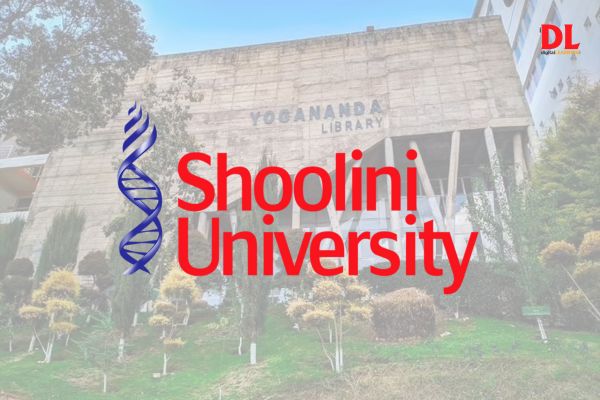
Shoolini University’s SCDOE hosts its first convocation

Shoolini University

Shoolini University marked a historic milestone with the first convocation of its Centre for Distance and Online Education (SCDOE), celebrating the rapid growth and success of its digital learning ecosystem. The event highlighted how the centre, in just a short span, has emerged as a leading hub for flexible, future-ready education. Prof RC Sobti, former Vice Chancellor of Panjab University and BBAU Lucknow, graced the occasion as the Chief Guest.

The ceremony began with an academic procession accompanied by an impressive performance from the Shanti Niketan Child Home, Subathu band, setting a spirited tone for the event.

In his welcome address, SCDOE Director Prof Amar Raj Singh Suri reflected on the centre’s journey, calling the day a landmark in promoting inclusive and accessible education. Established in 2022, SCDOE now empowers over 11,000 learners including working professionals, teachers, IAS officers, corporate executives, and students from rural and international communities.

Prof Suri highlighted key academic advancements that have strengthened the SCDOE environment:

  • Bilingual teaching in English and Hindi
  • Regular Masterclasses with industry experts
  • Expanded student support services
  • Skill-focused curriculum enhanced with Generative AI

The centre currently offers online programs such as MBA, MA English Literature, MCA, MSc Data Science, BCom (Hons), BBA, BCA, and MAJMC, with BA set to launch soon.

The convocation was attended by senior university leaders, including Trustees Ashok Anand and Satish Anand; SILB President Saroj Khosla; and Registrar Prof Sunil Puri.
Pro Vice-Chancellor Prof Vishal Anand joined virtually to extend his congratulations and applaud the centre’s swift progress.

Vice Chancellor Prof Atul Khosla addressed graduates through four inspirational real-life stories, drawing lessons from the journeys of Chancellor Prof PK Khosla, Dr APJ Abdul Kalam, Nobel Laureate Dr Robert Huber, and Steve Jobs — emphasizing courage, ambition, resilience, and risk-taking as the principles of a successful career.

Chancellor Prof PK Khosla encouraged students to maintain harmony of body, mind, and soul as they step into new professional roles. Chief Guest Prof Sobti spoke about sustainability, the Sustainable Development Goals, and the larger purpose of education while praising the university’s academic ecosystem and faculty contributions.

Prof Ashish Khosla, President and Chief Innovation and Marketing Officer, delivered the Vote of Thanks, acknowledging faculty, staff, performers, dignitaries, and students for making the milestone event memorable.

Also Read: IGNOU & GIZ launch micro-credential courses to boost digital literacy for non-tech learners

Degrees were conferred to all graduating learners. Sushma Devi received the Gold Medal for MBA, while Aaryan Sharma was honoured with the Certificate of Honour for MA English Literature.

Bridging the Research Divide: Building India’s Living AI–Blockchain Collaboration Grid

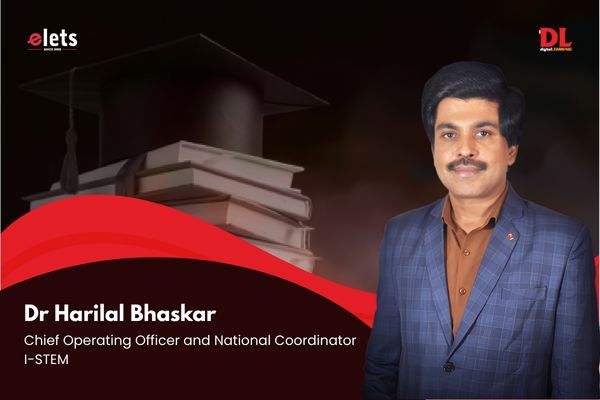
Dr Harilal Bhaskar

India stands on the verge of a major scientific awakening. Our universities, laboratories, and start-ups are advancing across frontiers such as quantum materials, bio-engineering, and micro-electronics. Yet beneath this visible progress lies a quieter challenge: our efforts remain scattered. The nation has invested deeply in laboratories, digital data, and skilled manpower, but much of this capital operates in isolation.

When knowledge flows through disconnected channels, innovation slows. The price of fragmentation is not simply redundant spending — it is the loss of momentum and opportunity. Our challenge, therefore, is not invention alone, but integration.

From Data Repositories to Living Networks

India no longer needs another archive of research reports. What it now requires is a living, intelligent collaboration grid that continuously links researchers, laboratories, and innovators. Instead of documenting what has already been achieved, this ecosystem should anticipate what can emerge — identifying partnerships, preventing overlap, and accelerating the path from concept to real-world impact.

Such a transition — from static storage to dynamic connectivity — depends on the thoughtful use of artificial intelligence (AI) and blockchain as twin enablers.

AI as the Collaboration Catalyst

AI can serve as the nervous system of this grid. By analysing project data, publications, patents, and usage logs, intelligent models can locate unseen thematic connections between institutions and recommend potential collaborations.

Its core functions may include:

  • Predictive mapping — matching research goals, technology readiness, and instrumentation needs to reveal natural partners.
  • Intelligent notifications — alerting scientists when a complementary facility, project, or innovation arises.
  • Semantic networks — visually connecting research clusters and highlighting gaps or promising intersections.

AI thus becomes a proactive collaborator — revealing patterns no human committee could manually detect.

Blockchain as the Trust Framework

Sustained collaboration demands verifiable trust. Blockchain technology provides exactly that — an immutable ledger ensuring authenticity, traceability, and fairness. Each project milestone, booking, or data exchange can be cryptographically sealed and time-stamped, producing a transparent record of contribution and ownership.

Its advantages include:

  • Integrity assurance through permanent, tamper-proof audit trails.
  • Automated agreements where smart contracts distribute credit or trigger data sharing once conditions are fulfilled.
  • Shared governance, removing central control and embedding accountability directly into code.

Through this, trust is no longer verbal or institutional — it becomes mathematical.

A Federated Model for the Global South

Where many global models centralize research data, India can design a federated, sovereign network in which each institution retains control of its datasets and equipment while sharing metadata for national-scale visibility. This approach mirrors the principles behind India’s digital public infrastructure — from UPI to ONDC — decentralised, interoperable, and inclusive.

Such a system reflects the country’s cooperative ethos and can serve as a blueprint for the wider Global South, demonstrating how openness and autonomy can coexist.

The New Logic of Collaborative Growth

When AI and blockchain converge, the economics of research change fundamentally:

  • Technology transfer accelerates as complementary expertise is recognised sooner.
  • Public investment becomes efficient, with duplication reduced through transparent audit trails.
  • Start-ups and MSMEs gain entry, accessing verified data and shared facilities to innovate beside large institutions.
  • Knowledge flows laterally, allowing insights from one field to inform breakthroughs in another.

Collaboration, in this framework, is not charity — it is strategy.

Cultural Renewal: From Competition to Co-Creation

Indian science has long celebrated individual excellence. The next frontier is collective excellence — where recognition grows through shared discovery. In a connected grid, algorithms can quietly suggest meaningful intersections — a researcher in Pune discovering a similar study in Guwahati, or a start-up finding a lab match in Hyderabad.

Over time, these subtle connections build a culture where cooperation replaces isolation — a design for collaboration embedded within daily research life.

The Road Ahead

Realising this vision will require close coordination between ministries, funding agencies, universities, and industry clusters. Encouragingly, the foundation is already visible.

Under the Office of the Principal Scientific Adviser (PSA), two pioneering initiatives have set strong precedents:

  • I-STEM (Indian Science, Technology & Engineering Facilities Map) — providing a nationwide inventory of research equipment and facility access.
  • Manthan — linking innovators, enterprises, and institutions through collaborative challenges and partnership calls.

Also Read: Vel Tech Rangarajan Dr Sagunthala R&D Institute of Science and Technology

Beyond these, several ministries have built complementary systems that can now be unified:

  • The Department of Science and Technology (DST) runs platforms like the Vigyan Prasar Science Media Portal, STIP 2020 Knowledge Portal, and INDIA-STI Hub, advancing open knowledge and science communication.
  • The Department of Biotechnology (DBT) manages BioRRAP and Biotech-PRIDE, ensuring responsible regulatory oversight and transparent data exchange.
  • The Council of Scientific and Industrial Research (CSIR) integrates its network through OneCSIR, enabling coordinated R&D across laboratories.
  • The All India Council for Technical Education (AICTE) supports platforms such as IDEA and Vishwakarma to promote innovation and data analytics in technical education.
  • The Ministry of Education continues to sustain research programs including IMPRINT, SPARC, and STRIDE, which reinforce interdisciplinary and global collaboration.

By weaving these national efforts together — across PSA, DST, DBT, CSIR, AICTE, and the Ministry of Education — and infusing them with AI-guided intelligence and blockchain-secured trust, India can build the world’s first National Research Collaboration and Visibility Platform (NRCVP): a living digital organism that perceives opportunity, preserves integrity, and synchronises innovation in real time.

The Harmony of Connection

The strength of Indian science will soon be measured not by the volume of data it holds but by the fluency with which that data interacts. When research stops competing for recognition and starts resonating across communities, innovation will no longer move in fragments — it will move in harmony.

Views expressed by Dr Harilal Bhaskar, Chief Operating Officer, and National Coordinator at I-STEM, under the Office of Principal Scientific Adviser (P.S.A.) Government of India. 

Vel Tech Rangarajan Dr Sagunthala R&D Institute of Science and Technology Nurturing Innovation, Excellence, and Global Citizenship

Vel Tech Rangarajan Dr Sagunthala

Vel Tech, established in 1997 by Founder President & Chancellor Col. Prof. Vel. Dr. R. Rangarajan and Foundress President Dr. Sagunthala Rangarajan, Vel Tech Rangarajan Dr. Sagunthala R&D Institute of Science and Technology stands as a beacon of academic excellence and innovation. Guided by the vision of producing model citizens who contribute to national progress both professionally and socially, Vel Tech continues to redefine higher education through quality teaching, research, and industry collaboration.

With more than 14,000 students, and over 825 dedicated faculty, the university offers 21 undergraduate, 17 postgraduate programs, and Ph.D. degrees across Engineering, Management, Arts & Science, and Law. Its stateof-the-art infrastructure, experienced faculty, and strong emphasis on co-curricular and extracurricular engagement ensure holistic student development. The institution’s global approach allows students to learn from industry experts and international faculty, with over 15% of graduates pursuing higher education abroad each year, while others secure placements in top-tier companies.

Vel Tech has achieved the prestigious NAAC ‘A++’ grade with a CGPA of 3.53 in its second accreditation cycle and is recognized as a Category-1 Deemed to be University by the UGC, also holding 12B status for enhanced research funding. Several engineering and management programs are accredited by the National Board of Accreditation (NBA) under the Tier-I category.

In the NIRF India Rankings 2024, Vel Tech secured the 87th rank in Engineering and placed in the 101–150 band in the University category. The university consistently ranks among the top 100 engineering institutions for nine consecutive years and is also recognized in the 11–50 Innovation Band. Its global reputation is further solidified by inclusion in the Times Higher Education (THE) and QS Asia University Rankings.

The Office of International Relations (OIR) at Vel Tech fosters global academic engagement through 210+ MoUs and 600+ active partnerships worldwide over 42 countries. These collaborations support student and faculty exchanges, joint research, dual degree programs, and technical events. OIR’s initiatives strengthen Vel Tech’s international presence, promoting cross-cultural learning, innovation, and excellence in education and research globally.

The Office of International Relations at Vel Tech drives the university’s global engagement and cross-cultural collaboration. With over 210 MoUs signed and across 42 countries, 600+ working relations enables student and faculty exchanges, joint research, and dual-degree programs with reputed global institutions. It also organizes international conferences, study abroad initiatives, and visiting scholar programs, giving students invaluable exposure to global learning environments. Through these extensive collaborations, Vel Tech continues to strengthen its global presence and prepare students to thrive in an interconnected world.

Vel Tech boasts an excellent placement record, attracting 400+ leading recruiters from core and IT sectors each year. The Office of Campus to Corporate ensures industry readiness through training and internships, resulting in 1,800+ successful placements annually across reputed national and international companies.

Also Read:-Dayananda Sagar University Building a Legacy of Learning and Leadership

Established in 2010, the Vel Tech Technology Business Incubator (TBI) fosters entrepreneurship and innovation. It has supported over 350 startups, providing ₹18.81 crore in seed funding to 171 entrepreneurs. Recognized as a NIDHI Centre of Excellence, Vel Tech TBI has received a ₹10 crore Startup India Seed Fund to nurture early-stage ventures.

Research remains a cornerstone of Vel Tech’s growth, with ₹71 crore worth of funded R&D projects from national and international agencies including DST, DBT, DRDO, and global collaborations such as Indo-Korea, Indo-France, Indo-Canada, and Indo-Taiwan programs.

The university’s commitment to quality and community service earned it the ISTE National Award for Best Technical University (2023). With over 30 student clubs, multiple NCC wings, and active NSS units, Vel Tech continues to empower students to excel academically, socially, and ethically.

As India strides toward a knowledge-driven future, Vel Tech stands tall—an institution where education meets innovation, and vision transforms into global impact.

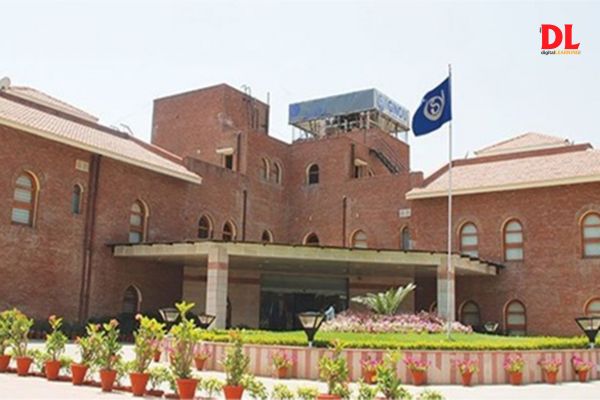
Dayananda Sagar University Building a Legacy of Learning and Leadership

Dayananda Sagar University

The landscape of higher education is undergoing a transformative shift across multiple dimensions, be it AI-driven innovations, multi-disciplinary learning, robust industry-academia collaborations, or global partnerships aimed at nurturing competent professionals for an interconnected world. A university like DSU is actively embracing these changes to shape the next generation of global leaders, innovators, and changemakers. Since its inception in 2014, the University has consistently evolved across all fronts, positioning itself among the leading Universities for higher education in India. 

At DSU, our vision goes beyond simply disseminating knowledge; we aspire to be a Center of Excellence in education, innovation, entrepreneurship, research, and training. The university currently comprises eight distinct academic and research schools, each designed to nurture specialised talent across disciplines including Engineering, Commerce and Management, Computer Application, Design, Law, Nursing, Mass Communication and Journalism, as well as Basic, Allied, and Health Sciences.

Our Excellence in Action

DSU has come a long way in a short period and accomplished many recognitions under the collective guidance and leadership of Chancellor Dr. D. Hemachandra Sagar, Pro-Chancellor Dr. D. Premachandra Sagar, Vice-Chancellor, Pro-Vice Chancellor, the Registrar, the Deans, and several HODs, who establishes the direction and roadmap for the university’s future.

Let’s unveil some of the shining achievements attributed to the university’s name:

  • NAAC A + accredited University
  • NIRF Ranking: Among the top private universities in Karnataka
  • QS I-Gauge: Rated for Teaching, Employability, and Innovation
  • ARIIA Recognition: Ranked for Innovation and Entrepreneurship
  • DSU Ranks No 4 among new Universities by Karnataka State University Rating Framework (KSURF)
  • State Rank: 9th | Zone Rank: 19th | National Rank: 39th – Best Business School (IIRF 2025)
  • Ranks in Bengaluru’s top 5 and stands as one of India’s best Business Schools  (Business World – ICARE Ranking 2025).
  • DSU ranks among India’s top 15 emerging B-schools (Week-Hansa 2024).
  • Business School Ranking 11th in South India and 45th in India (By Times Business Awards)
  • Karnataka Rank: 7 | South India Rank: 16 | All India Rank: 41 (By IIRF Business School Ranking-2023)
  • National Rank 10, State Rank 4, South Zone Rank 4 (By IIRF Ranking-2023)
  • Leading & Most Innovative University 2023 by Big FM Impact Awards
  • DSU, SOE ranked no. 1 by TOI 2022 as  

Emerging Engineering Institute

Emerging Engineering Institute Placement 2022

Emerging Engineering Institute Research Capabilities

  • Ranked A +++ Category by Silicon India (By B School Survey-2021)
  • Best Emerging University 2021- (By Times Business Awards)
  • Leading & Most Trusted Management College of the Year 2021- (By Educational Excellence-awards & conferences)

In our journey, these awards and recognitions represent our dedicated pursuit of excellence. Each award reflects the passion and commitment that defines us. As we celebrate these honors, we are committed to forging new paths, inspiring innovation, and raising the bar of academic distinction. Our awards are not just a chapter but an ongoing testament to DSU’s enduring spirit, propelling us toward even greater success.

Transformative Scholarships Making a Meaningful Impact

At DSU, we believe exceptional talent deserves exceptional opportunities. That’s why we conduct the DSAT (Dayananda Sagar University Scholarship Admission Test) every year to recognize emerging talent and support their aspirations for higher education and a promising career. For a few selected programs, DSAT helps us discover exceptional students who are ready to thrive through the eligibility entrance exam. For other programs, it serves as a scholarship exam, a chance to earn life-changing scholarships and recognition.

The test is designed to assess the knowledge and aptitude of the candidates in the relevant subject and is used to determine their eligibility for admission to the university. The DSAT test is based on multiple choice questions (MCQs), and students who clear the threshold score are eligible for admission and scholarship opportunities.  

Programs Covered Under DSAT

As Eligibility Entrance Exam

  • BSc-Nursing
  • MBA
  • MTech

As Scholarship Exam

  • B. Pharm
  • B.A. LL. B 
  • B.B.A. LL. B

Also Read:- Empowering the Workforce of Tomorrow Introducing Oracle AI Database for Higher Education

Discover DSU’s Drive for Innovation: Some Recognized Initiatives, among many Paving the Way for Imparting Globally Relevant Skills of the 21st Century.

  • Entrepreneurship Opportunities: The on-Campus Dayananda Sagar Entrepreneurship Research & Business Incubator (DERBI) Foundation is a technology business incubator aiming to incubate technology ventures and translate ideas into opportunities. More than 100 start-ups have been supported with 22 investments and 80 plus partners, creating hundreds of jobs.
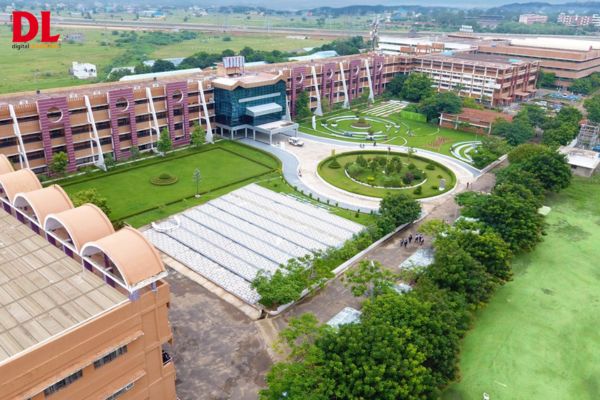
  • A proactive and progressive university, DSU has recently expanded to a sprawling 130-acre self-contained campus at Harohalli, Bangalore. Located 45 km from the city, it offers state-of-the-art infrastructure that enhances experiential learning and futuristic growth.
  • Pedagogical Drive: Developing the student’s independent thinking, decision-making capability, and research aptitude through many pedagogical tools like case studies, presentations, internships, research projects, industrial visits, and guest lecturers from a pool of industry experts.
  • Intelligence – based assessments and connecting concepts across domains for giving the multidisciplinary and holistic learning experience to the world’s best minds.
  • Creating Opportunities Beyond Classrooms: DSU has on campus world class sports facilities creating a joyful learning environment for students. Apart from this the students have opportunities to explore diverse and exciting club activities beyond the academics, the unexplored sector for self-discovery.
  • Student’s Mentorship and Coaching Programmes: Helping students get connected with the mentor of their choice to develop new skills, expand their networks, and boost confidence.
  • Industry Preparedness Program: Assisting and preparing students right from the 1st semester to keep them abreast of recent industry trends for their impeccable placements. 
  • Value-Added Skill Courses from International Universities: The university emphasizes imparting globally relevant skills such as communication, critical thinking, collaboration, and creativity. In addition, skills such as cross-cultural competency, social intelligence, negotiation, and influencing are also imparted to succeed in the current globalized world.
  • Opportunities for Impeccable Placements: Being an esteemed University, there are various opportunities for students to experiment and learn different things while progressing in their semesters. A case in point is the ability to obtain a major and minor degree within the same duration, with some extra effort from students. Apart from the traditional placement cell, where training and skill development for students are available, we have innovative tie-ups encouraged by industries (e.g., IBM, GE Healthcare, VMWare etc.) to set up innovation laboratories on campus. DSU not only provides the training programs but also leverages the project and research-based learning systems.
  • Collaboration with Reputed Domestic and International Institutions: DSU understands that practices and academic initiatives are crucial in making any academic institute, and as a differentiator, they are creating its brand, identity, place, growth, innovation, and adapting the changes to sustain the international student’s learning. It has partnerships for this purpose with 96 renowned Universities across the world, including New York University, the University of Akron, Ohio, and RWTH Aachen University.

A Diverse Spectrum of Innovative Programs for Aspiring Minds

Backed by some of the world’s best cutting-edge infrastructure, multifaceted faculties, advanced lab facilities, and a multidisciplinary approach, DSU is providing a rich experiential learning environment for the holistic development of emerging talents in various disciplines such as Engineering, Medicine, Commerce and Management, Law, Nursing, Design and Digital Transmedia, Mass Communication and Journalism and Basic and Allied Health Sciences.

At DSU, education is more than just earning a degree, it’s about building a foundation for lifelong success and personal fulfillment. Every experience here is designed to inspire you, challenge you, and shape your future.  

For more details:

08046461800,+916366885507

Visit : www.dsu.edu.in

Email : admissions@dsu.edu.in

IGNOU & GIZ launch micro-credential courses to boost digital literacy for non-tech learners

IGNOU

The Indira Gandhi National Open University (IGNOU) has launched two new micro-credential programmes developed in partnership with the Deutsche Gesellschaft für Internationale Zusammenarbeit (GIZ) GmbH, the German development agency focused on international cooperation for sustainable development. The announcement was made during IGNOU’s 40th Foundation Day celebration at the University headquarters.

The launch ceremony was attended by Prof. Peter Scott, President and CEO of the Commonwealth of Learning (COL), Prof. Uma Kanjilal, Vice Chancellor of IGNOU, along with senior officials from GIZ.

The newly introduced courses — “Unpacking AI: Practical Foundations for Non-Tech Students” and “Unpacking Data: Practical Foundations for Non-Tech Students”  have been jointly designed to equip learners with basic digital skills and data-driven analytical awareness. The programmes target individuals without prior technical knowledge, including youth, working professionals, and lifelong learners.

As per the university, both courses will be hosted on the SWAYAM platform starting January 2026. The micro-credentials aim to build familiarity with key digital concepts, widely used tools, and real-world applications that are becoming essential across industries.

Speaking at the event, Prof. Uma Kanjilal said that these new programmes echo IGNOU’s mission of offering flexible and future-ready learning opportunities. She emphasised that the collaboration brings global expertise that strengthens the university’s goal of advancing capacity building in emerging technology domains.

Representatives from GIZ highlighted the growing need for accessible digital education for non-technical learners so they can meaningfully participate in a rapidly digitising economy.

Also Read: IIM Nagpur launches first blended MBA for working professionals

The partnership with GIZ adds to IGNOU’s ongoing expansion of skill-based and technology-enabled academic offerings through collaborations with global and national institutions. The university stated that the two micro-credentials complement its broader strategy of promoting modular and outcome-driven training formats that can stand alone or stack towards professional growth.

IIM Nagpur launches first blended MBA for working professionals

IIM Nagpur

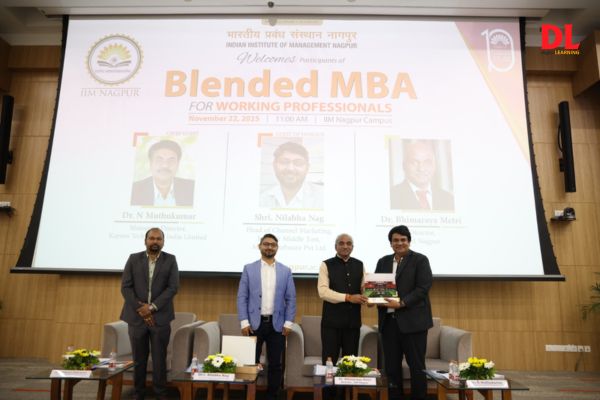
The Indian Institute of Management (IIM) Nagpur has officially welcomed the inaugural cohort of its Blended MBA Programme for Working Professionals, marking a major step in the institute’s global outreach. The first batch comprises 83 professionals representing 20 Indian states and several international locations, signalling rising worldwide interest in IIM Nagpur’s industry-aligned programmes.

Serving as Chief Guest at the launch ceremony, Dr. N. Muthukumar, Managing Director, Kaynes Technology India Limited, emphasised the transformational power of management education. Reflecting on his own professional journey, he noted that an MBA reshapes how leaders view their teams and their role in uplifting people. He further stressed that adaptability remains crucial in the corporate world—growth comes to those who embrace change, while resistance often hinders progress.

The event was chaired by Dr. Bhimaraya Metri, Director, IIM Nagpur, with Mr. Nilabha Nag, Head – Channel Marketing (India & Middle East), McAfee Software Pvt. Ltd., as Guest of Honour. Prof. Debarun Chakraborty, Programme Chairperson, delivered a detailed overview of the programme structure and design.

Speaking at the session, Mr. Nilabha Nag highlighted the value of team synergy and leadership grounded in management principles. In an era shaped by rapid technological shifts, he urged learners to cultivate adaptability without losing sight of empathy and family values. “Think human, be human,” he advised the cohort.

In his presidential address, Dr. Bhimaraya Metri described the programme as a significant milestone in IIM Nagpur’s mission to expand globally through innovation. He outlined the institute’s leadership in digital learning, cyber security, and energy management, and expressed confidence that India’s rise as a global economic powerhouse will demand future-ready leaders. “This Blended MBA will act as a catalyst for shaping tomorrow’s business ecosystem,” he said.

Presenting the batch profile, Prof. Rakesh Gupta, Chairperson – Admissions (Blended MBA), shared that the institute received 373 applications, including multiple global submissions. Following a rigorous screening process involving written assessments and interviews, 83 candidates were selected. The cohort consists of 64 men and 19 women, with an average age of 31 years and average professional experience of seven years.

Participants bring experience across an extensive range of industries including IT, manufacturing, logistics, energy and power, consulting, healthcare, education, oil and gas, defence, pharma, chemicals, AI, OEMs, agriculture, food and beverages, and more. Notable organisations represented in the batch include TCS, Cognizant, PolicyBazaar, HPCL, and Lloyds MEL.

Also Read: SAP Learning Hub now free for students across India

With a design that blends digital pedagogy and world-class management education, the programme offers working professionals the opportunity to enhance their leadership capabilities without pausing their careers. The launch reinforces IIM Nagpur’s commitment to nurturing globally competent leaders capable of shaping India’s economic and corporate future.

SAP Learning Hub now free for students across India

SAP

SAP has rolled out free access to the SAP Learning Hub, student edition, for learners across the country. The initiative reinforces the global tech leader’s support for the Government of India’s Skill India Mission, ensuring students gain hands-on digital skills that are essential for today’s evolving workplace.

The SAP Learning Hub – typically a paid subscription platform – brings together structured and self-paced training modules on SAP technologies. With a vast collection of globally trusted courses and real-world learning assets, the platform enables students to build new digital competencies, enhance job readiness, and remain competitive in the employment market. This India-focused access removes financial barriers and bridges the gap between classroom education and industry-relevant digital careers.

As organizations around the world fast-track digital transformation, the demand for SAP-certified professionals continues to rise across sectors. With this initiative, students in Tier 1, Tier 2 and Tier 3 cities now have remote access to internationally recognized learning and certification programs—democratizing opportunities nationwide.

Highlighting the importance of the initiative, Tine Vandenbreeden, Global VP SIX Partner Solution Enablement, SAP, stated:
“Digital skilling is foundational to India’s growth journey. Making SAP Learning Hub accessible to all students empowers young talent with the abilities global organizations are actively looking for.”

Key Benefits of the Program

  • Free, 12-month access to SAP Learning Hub, renewable every year
  • Real case studies and live system practice for hands-on learning
  • Expert-led sessions, community interaction, and Q&A support
  • Globally recognized certifications (including two complimentary exam attempts)
  • Tailored learning journeys for multiple business and technology roles

The platform welcomes students from diverse academic streams – finance, HR, supply chain, marketing, data, IT, and more—providing an edge during placements and interviews. SAP certifications are highly valued in the global job market and can act as strong resume enhancers for young professionals.

Beyond job readiness, the initiative is expected to ignite entrepreneurship and innovation, enabling students proficient in enterprise technologies to support local businesses in digital transformation or even launch tech-driven ventures. Building such talent is set to strengthen India’s innovation ecosystem and fuel economic competitiveness.

Also Read: Assam CM Himanta Biswa Sarma hands over appointment letters to 377 TET-qualified teachers

SAP anticipates thousands of students to emerge as SAP-certified professionals in the coming years, nurturing a digitally empowered workforce aligned with India’s role in the global economy.

Assam CM Himanta Biswa Sarma hands over appointment letters to 377 TET-qualified teachers

Himanta Biswa Sarma

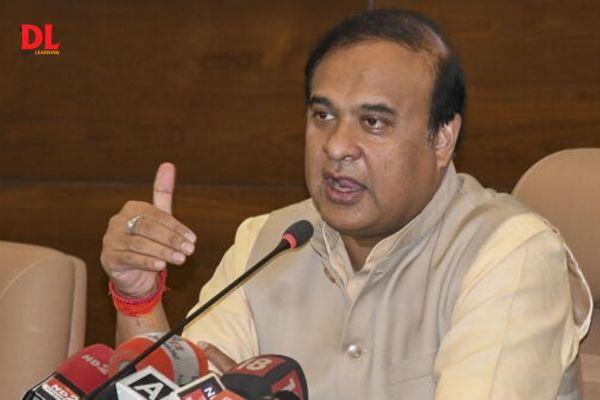
Assam Chief Minister Dr. Himanta Biswa Sarma on Thursday distributed appointment letters to 377 TET and TET-cum-Recruitment qualified candidates belonging to the Tea Tribe and Adivasi communities at a ceremony held at Srimanta Sankaradev Kalakshetra in Guwahati.

With the latest appointments, the number of individuals recruited into various regular government posts in Assam since 2021 has risen to 1,35,376, achieved through what the government claims to be a fully transparent, merit-oriented selection system.

At the same event, the Chief Minister also released funds to educational institutions to waive admission fees for students from Below Poverty Line (BPL) families enrolled in Higher Secondary First and Second Year and four-year undergraduate courses for the academic session 2025–26.

Dr. Himanta Biswa Sarma said the government has surpassed its commitment made during the 2021 Assembly elections.

“We had promised one lakh government jobs. Today, 1,35,376 youth have secured regular government employment through a transparent process,” he said, clarifying that contractual recruitments under schemes like Samagra Shiksha Abhiyan and NHM are not part of this tally.

He added that distributing appointment letters publicly serves as an inspiration for young aspirants statewide.

The Chief Minister pointed out that limited educational access in tea garden areas historically limited opportunities for the Tea Tribe community. He highlighted that primary schools were the only institutions available for decades after Independence.

To address the gap, the government has initiated the establishment of Model Higher Secondary Schools across tea garden belts.

  • 120 such schools are already operational
  • Construction of 100 more will commence in January
  • A target of 200 schools has been planned initially, with scope for further expansion across nearly 800 tea gardens in Assam

 Dr. Himanta Biswa Sarma announced that these schools will enable students to complete education up to Class XII within the tea garden vicinity. Colleges located in the region will reserve seats for Tea Tribe students, and teacher vacancies in Model Schools will be reserved for candidates from the community to ensure familiarity with the local language and culture.

He also highlighted the creation of a 3% reservation for Adivasi and Tea Tribe communities in Grade III and Grade IV posts under OBC, with plans to expand the reservation to Grade I and Grade II positions.

Calling the progress a “silent revolution”, he said this transformation is happening not through protests but through access, dignity and empowerment.

The Chief Minister further stated that:

  • Three MBBS seats are now reserved for Tea Tribe students in medical colleges
  • The government aims to produce 50 doctors annually and train 250 youth in paramedical courses
  • Initiatives under the Shaheed Dayal Das Panika Self-Employment Scheme, wage compensation for pregnant women working in tea gardens, and Ayushman Arogya Mandirs have significantly enhanced welfare and healthcare in the past five years

He urged the newly appointed teachers to serve in tea garden schools and support students to explore opportunities beyond traditional plantation work. He warned strict action against fraudulent attempts to misuse benefits intended exclusively for the Tea Tribe community.

 Dr. Himanta Biswa Sarma also noted major reforms that have strengthened confidence in government schools, including:

  • Free bicycles and scooters for students
  • Free admissions
  • Monthly stipends under Nijut Moina
  • Waiver of HSLC and Higher Secondary examination fees

Nearly 1,000 new High Schools and Higher Secondary Schools have been built in the state, each Model Higher Secondary School costing ₹8–10 crore.

He reiterated that no child in Assam should drop out due to financial barriers, adding that Assam today ranks among India’s top states in educational investment.

Also Read: CBSE releases key update for 2026 board exams

The ceremony was attended by Education Minister Dr. Ranoj Pegu, Cooperation Minister Jogen Mohan, Tea Tribe & Adivasi Welfare Minister Rupesh Gowala, MP Kamakhya Prasad Tasa, MLAs Sanjay Kishan, Rupjyoti Kurmi, Terash Gowala, Diganta Ghatowal and senior officials of the Education Department.

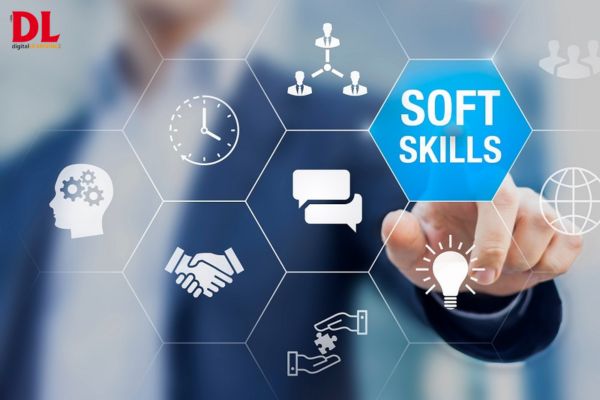
The 2025 Education Shift: Why Soft Skills Outperformed Technical Skills This Year

Technical Skills

For a long time, people treated soft skills like an added bonus, additional to have, but not essential. Then 2025 came along and turned that idea upside down. Suddenly, everywhere you looked you could feel things changing, in schools, at work, even at home. The skills that mattered most were not just technical anymore. What really stood out were the deeply human qualities. Communication, confidence, emotional intelligence, adaptability, and judgment.

This was not a trend manufactured by consultants or educators. It showed up in real behaviour. Children who could articulate their thoughts clearly were learning faster. Teenagers who could manage anxiety were performing better than peers who knew twice the content. Young professionals who could read a room or navigate conflict found opportunities opening for them even when they didn’t have the most impressive CV. Soft skills didn’t just “matter more” this year, they actively outperformed technical skills in determining success, trust, and growth.

A Changing World Made Soft Skills Non-Negotiable

Several global shifts converged at the same time. Automation accelerated faster than anyone predicted. The World Economic Forum’s Future of Jobs Report 2025 noted that as many as 85 million jobs globally may be displaced, while 97 million new roles will emerge requiring “a distinctly human skillset” analytical thinking, creativity, and emotional intelligence.

Meanwhile, LinkedIn’s 2025 Workplace Learning Report stated that communication, leadership, and collaboration were the top three skills companies struggled to hire for, surpassing technical proficiencies for the first time in a decade.

These weren’t abstract insights; they were mirrored in day-to-day learning cultures. Students who could ask questions, lead small group discussions, or express uncertainty openly showed better comprehension and retention. Teams gravitated toward individuals who brought clarity and calm, not just technical expertise. What 2025 revealed is that knowledge is abundant, accessible, and replicable but human skill is not.

The Real Competitive Edge Was Self-Management

Something else became very clear this year: technical skills help you perform a task, but soft skills determine whether you can perform it consistently, under pressure, and with others.

It wasn’t only communication that stood out, it was self-management. The ability to stay confident under uncertainty, regulate emotions, handle rejection, or make decisions without spiralling. The Harvard Center for the Developing Child has long emphasized skills like planning, focus, and emotional regulation. Often called “executive function skills” are more predictive of lifelong success than IQ.

In 2025, we saw this play out everywhere. Students who struggled with attention or self-esteem didn’t fall behind because of a lack of intelligence; they fell behind because the world demanded more of their emotional bandwidth than before. Young adults who could manage stress, communicate needs, or adapt quickly found themselves leading teams earlier, even over technically superior peers.

Parents and Educators Began Asking a Different Question

For years, the primary concern was: “How do we help children score higher?”. Now, the big question is not just about how to teach kids math or science. It’s about how to help them feel confident, express themselves, and bounce back when things get tough. 

Parents started to notice something as well: when kids communicated well, they spoke up about their problems. That changed everything. Teachers noticed that emotionally secure students took more academic risks, raising hands, attempting harder tasks, trying again after failure.

Soft skills were not competing with academic skills anymore. They were enabling them.

Why Technical Skills Alone Couldn’t Carry 2025

Technical knowledge is essential, but in a world that changes every quarter, its shelf life is shrinking. A 2024 study by PwC predicted that 40% of core skills across jobs will change within five years, meaning people will repeatedly need to learn, unlearn, and relearn throughout their careers.

The people who adapted fastest this year weren’t the ones who knew the most but the ones who listened the best, collaborated the easiest, and communicated with clarity. Those abilities acted as stabilisers in an unpredictable environment.

Also Read: India unveils ‘YUVA AI for ALL’

The Education Shift That Will Define the Next Decade

What happened in 2025 was not just a correction, it was a recalibration. Soft skills didn’t replace technical skills. They powered them. Confidence made learning smoother. Expression made understanding deeper. Emotional intelligence made collaboration possible.

This year taught us that if we want learners to thrive. Whether they’re six or sixty we need to treat communication, self-awareness, and emotional intelligence as foundational literacy, not supplementary training. The future will always need people who can code, analyse, or compute. But it will reward those who can also listen, lead, empathise, and persuade.

And if 2025 is any indication, the most valuable skill of tomorrow is the one that helps us stay unmistakably human.

Views expressed by Samad Shoeb is the Co-Founder of Oratrics

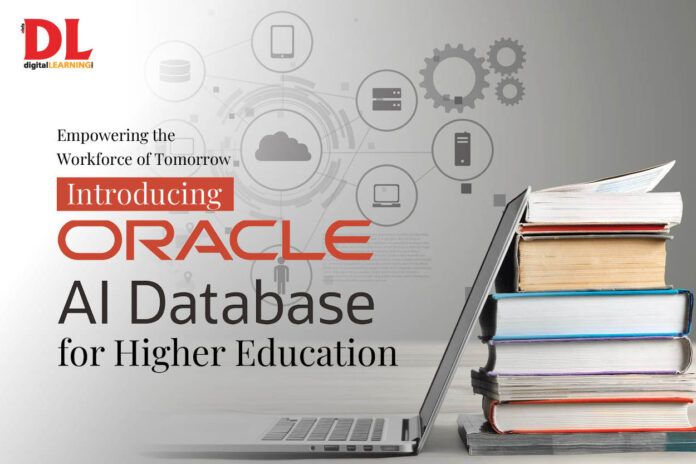
Empowering the Workforce of Tomorrow Introducing Oracle AI Database for Higher Education

Oracle

In an increasingly AI world, preparing students for successful careers means providing them with hands-on skills and experience using the tools and technologies that drive modern businesses. Oracle, as a global technology leader, recognises the importance of bridging the gap between academic instruction and the dynamic needs of industries worldwide. Its introduction of Oracle AI Database content through its global philanthropic educational program, Oracle Academy, offers universities a unique opportunity to propel graduates into successful careers across industries.

In the AI age, Oracle Academy provides a wide range of career-relevant teaching and learning resources, including curriculum with exams, videos, short learning modules, software, cloud technology, practice environments, and more.

Industry-Relevant Curriculum for a Data-Driven Era

At the core of Oracle’s educational initiative is a rich, comprehensive curriculum designed specifically by educators for use by educators. Developed by expert education professionals, Oracle Academy offers more than 1,300 hours of free curriculum in high-demand areas, including database, Oracle APEX, Oracle Cloud Infrastructure (OCI), artificial intelligence, and Java—all aligned with real-world professional standards. Courses range from database foundations and programming with SQL and PL/SQL, to advanced topics in AI and cloud computing. These resources are continuously updated to keep pace with technology advancements, ensuring that academic programs stay abreast of industry developments.

From Classroom to Cloud: Hands-On Learning with Oracle Academy

Oracle Academy transforms learning by providing educators and their students with direct access to the tools that power today’s technology-driven world. With the Oracle Cloud Free Tier, Autonomous AI Database, and a library of interactive labs, learners can move beyond theory and explore real-world problem solving in a secure digital environment.

Educators can amplify this experience by providing dedicated Oracle APEX instances for up to 99 students at a time—making it simple for entire classes to prototype applications, experiment with machine learning, and collaborate on data-driven projects. These resources spark creativity and innovation while ensuring that students graduate with practical skills that align with the needs of modern industries.

Furthermore, students can pursue Oracle Foundations Associate certifications in Database, OCI, and Java—credentials that are widely recognized in the technology job market.

Empowering Educators, Elevating Classrooms

Oracle Academy makes teaching database and technology concepts easier, faster, and more impactful. Educators gain access to ready-to-use curriculum, assessment tools, lab guides, and a supportive community of peers—all designed to save preparation time while enriching classroom delivery. With continuously updated Oracle AI Database content, professors can confidently offer students structured, industry-aligned instruction backed by real-world projects and scenarios.

Beyond curriculum, Oracle Academy fosters innovation through opportunities such as regional and local hackathons, conferences, webcasts, and tech talks. These engagements help educators keep their programs fresh, future-ready, and connected to the evolving needs of both graduates and the technology industry.

Why Students Engage with Oracle AI Database Content

For students, engaging with Oracle AI Database content means acquiring skills that are directly transferable to the professional world. They gain early access to advanced database and AI technologies, work on real-life projects, and can demonstrate their expertise via industry-recognized certifications. These experiences give students a competitive edge, opening doors to careers in innovative AI technologies, data science, application development, cloud computing, and more.

The Power of Partnership: Academia and Oracle Together

Collaboration with Oracle Academy fosters long-term engagement between universities, students, and the global technology ecosystem. By incorporating Oracle AI Database curriculum, institutions can play a role in shaping tomorrow’s workforce, addressing the skills gap, and contributing to community advancement—including outreach to underrepresented groups in technology.

Also Read: Pioneering the Next Wave of Educational Innovation

Getting Started

Universities and educators interested in enhancing their curricula and supporting student career success can join Oracle Academy for free, access a wealth of resources, and tap into expert content for their classes. For educators who wish to deepen their engagement—whether by hosting events, sponsoring projects, or inviting Oracle experts to speak—collaboration is just an email away: academy_in@oracle.com or view our website and join: academy.oracle.com.

Conclusion

Oracle AI Database and associated education programs represent a powerful way for universities to elevate their teaching, provide high-value skills to students, and stay at the cutting edge of technology education. By joining Oracle Academy, institutions and their educators can empower the next generation of tech professionals and ensure that graduates are ready to succeed in a rapidly evolving professional landscape.

Sign up for Oracle Academy, https://apex.oracle.com/go/db/oa_members_mag, today and transform your classroom into a hub of innovation, exploration, and career-ready learning.

LATEST NEWS