



Home Blog Page 659

Now, teachers becoming motivators for future generation

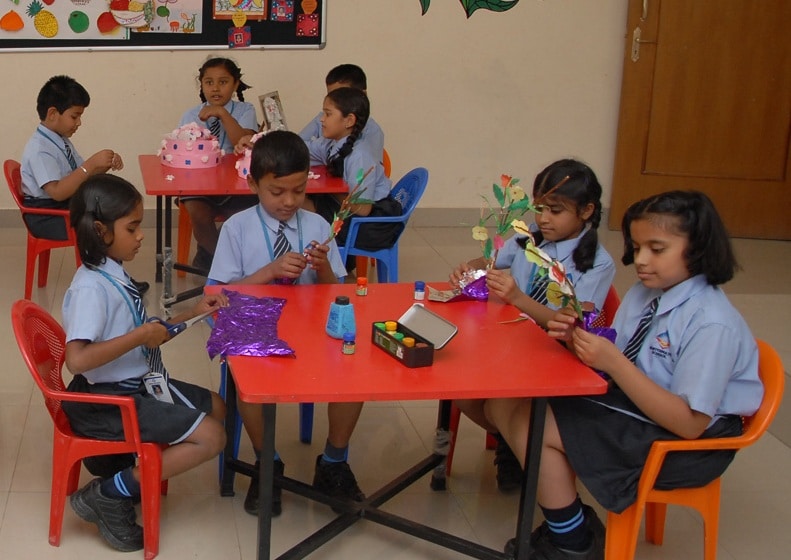
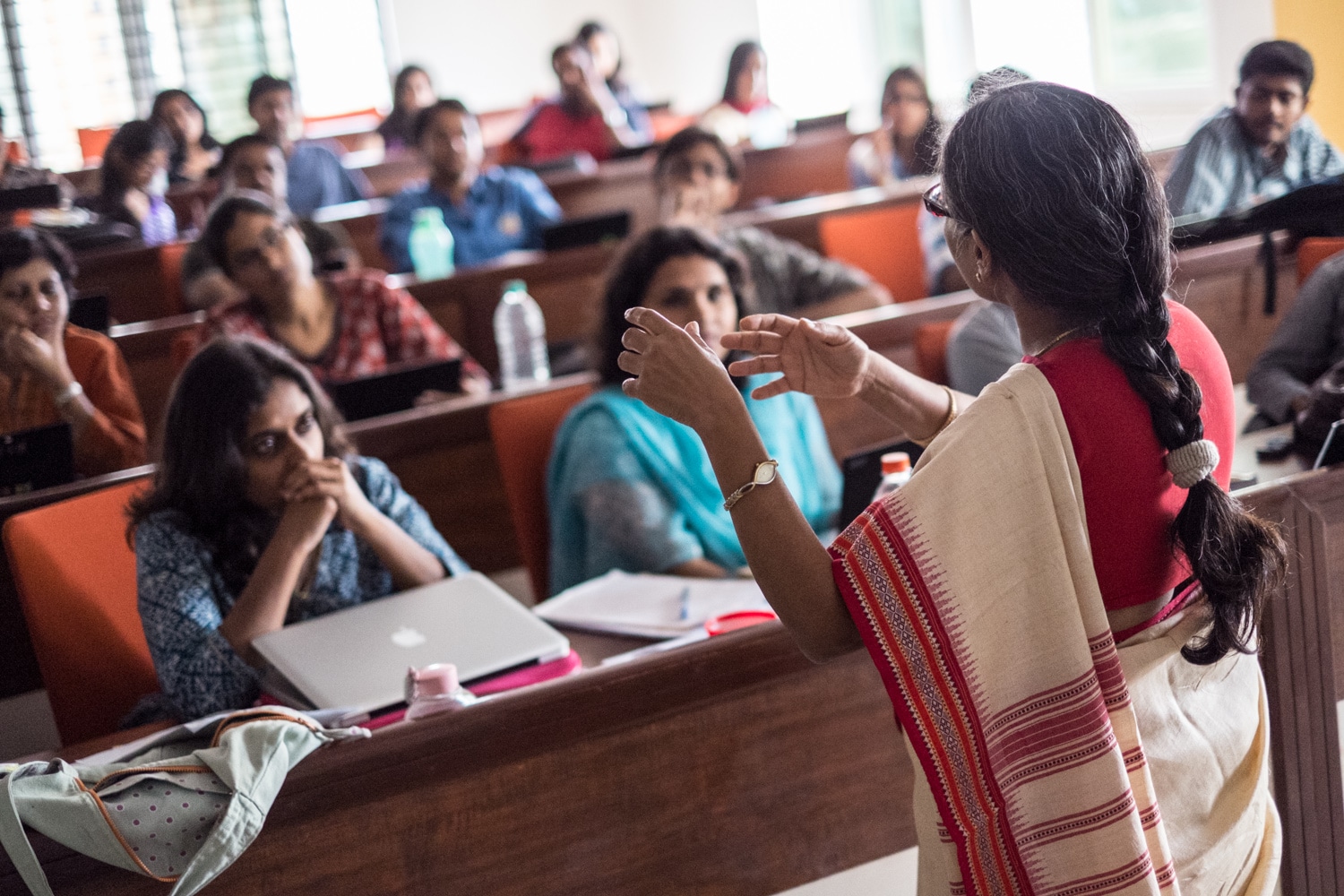
A professor at Azim Premji University, in Bangalore, India, lectures to a classroom full of students.

Higher education is going through a churn and 2018 -2019 will be defining years for the students of engineering and management streams, writes Prof R S S Mani, Vice President -Institutional Development, ITM Group of Institutions for Elets News Network (ENN).

Engineering and Management programme in its current format has reached saturation point and need to be reinvented for survival in the long run. The demand for pursuing an Engineering degree would continue; however the aspiring students would now carefully choose institutions with a good brand value and good faculty. The pressure will be on faculty to strive continuously to unlearn, learn and relearn in order to remain relevant and contemporary!
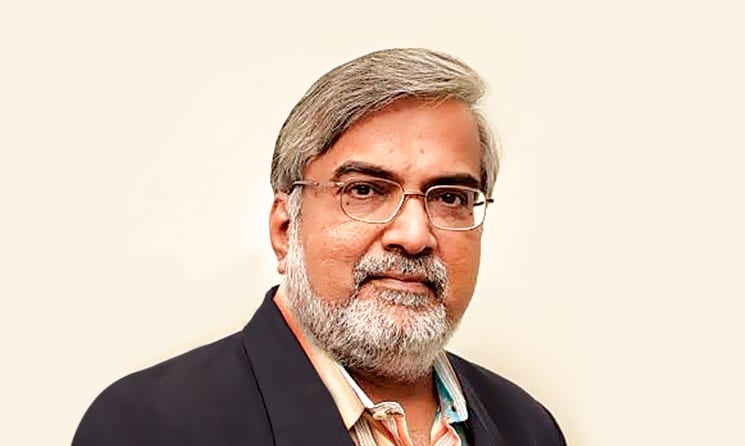
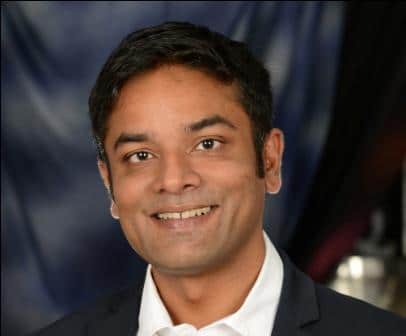
Prof R S S Mani, Vice President -Institutional Development, ITM Group of Institutions

Further, all institutions need to rethink about the curriculum of Masters in Business Administration (MBA) and revisit the same and make it more industry relevant. Faculty members in management colleges need to develop newer skills for classroom delivery as they are no more the single source of conceptual inputs, thanks to the Internet. They need to redefine their role as a facilitator of learning and not the disseminator. This will also mean that the management teacher has now to play the role of expert interpreter, analyst and evaluator of various approaches to management. Thus, the pressure will be more on teachers to learn more to keep abreast of the latest trends , practises and such and be able to guide the student .

Good quality higher education is only possible if we have the best of teachers .The most important step that needs to taken at the macro level in our country is to position teaching as an attractive option and should be given its place of pride as an employment option. Sad but true, the teaching profession is often seen as a last career option that executives can pursue after their retirement. Teaching should be a premium career option and teachers should be provided the best facilities similar to those we see at the corporate sectors.

e-learning platforms:

A career in academics would necessitate sound knowledge of e-learning platforms and also the ability to use various online resources to make learning more effective in the classroom. The use of online and interactive learning platforms such as khan academy, coursera, Edx, MIT open courseware, etc can make the learning experience more enriching and meaningful for both the student and the teacher.

An unfortunate reality that we need to soon realise and accept is that many educational institutions will see closure. It is recommended for every teacher in such colleges to focus on reskilling themselves and also acquire additional competencies in emerging areas to remain relevant. Areas like business analytics, data sciences, digital marketing, etc are the high thrust areas currently.

Approach to education and academics has changed to a great extent .The earlier model used to revolve around teachers as the main source of knowledge. However, the current scenario has changed the role of the teachers from source to facilitator. Now, students can learn at home and sit in the classrooms for clearing their doubts. The new age teachers have to be better equipped and smart enough to satisfy the queries and doubts of the students to gain their confidence and establish credibility.

To summarise, a career in education would be more challenging and demanding and hence is strongly recommended to those who have a serious bent of mind towards academics. It cannot be seen as a comfortable & cushy career with limited working hours and minimal stress. Further a career in this area would necessarily need a PhD qualification for growth and stability.
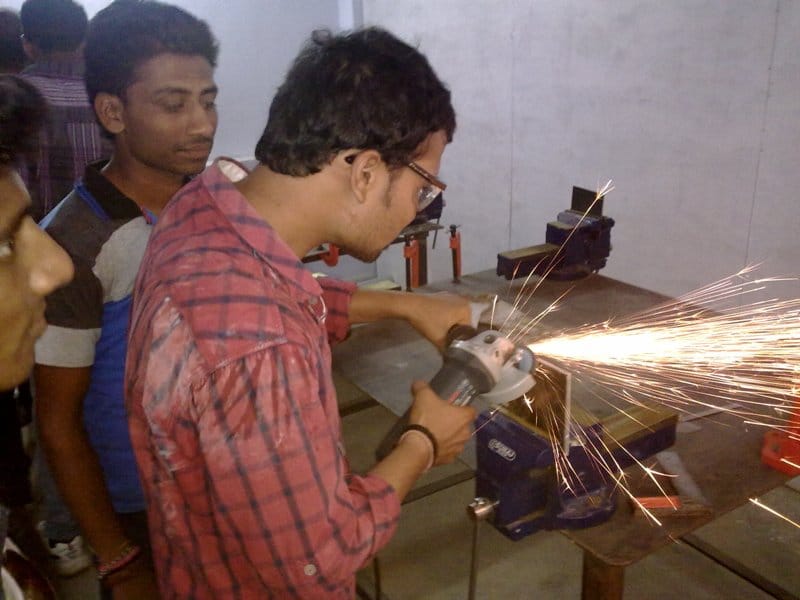
West Bengal to introduce Advanced Vocational Training in Higher Secondary Schools

Vocational Training in Higher Secondary Schools

The West Bengal government has announced to provide Advanced Vocational Training in Higher Secondary (HS) schools.

The initiative will be introduced by the government in a phase wise manner. Under this initiative, the government aims to foster skill development and create employment opportunities for the students in Jharkhand.

Speaking on this initiative, Technical Education Minister Purnendu Bose said: “The West Bengal government has decided to impart advanced vocational training in higher secondary (HS) schools for skill development.” Adding further he stated, “Training in vocational education was important for creating employment opportunities.”

While addressing BNCCI seminar he informed that currently around 2700 higher secondary schools had been selected for to impart vocational training courses.

This step of the government will ensure that young people are well-prepared and can use their capabilities to find good jobs.

To take this step at higher level, the government was keen to associate with institutions such as National Skill Development Corporation (NSDC), NABARD and Chambers of Commerce.

The Central Government has sponsored schemes for vocational education in government and government-aided schools, said NSDC State engagement officer Bikram Das.

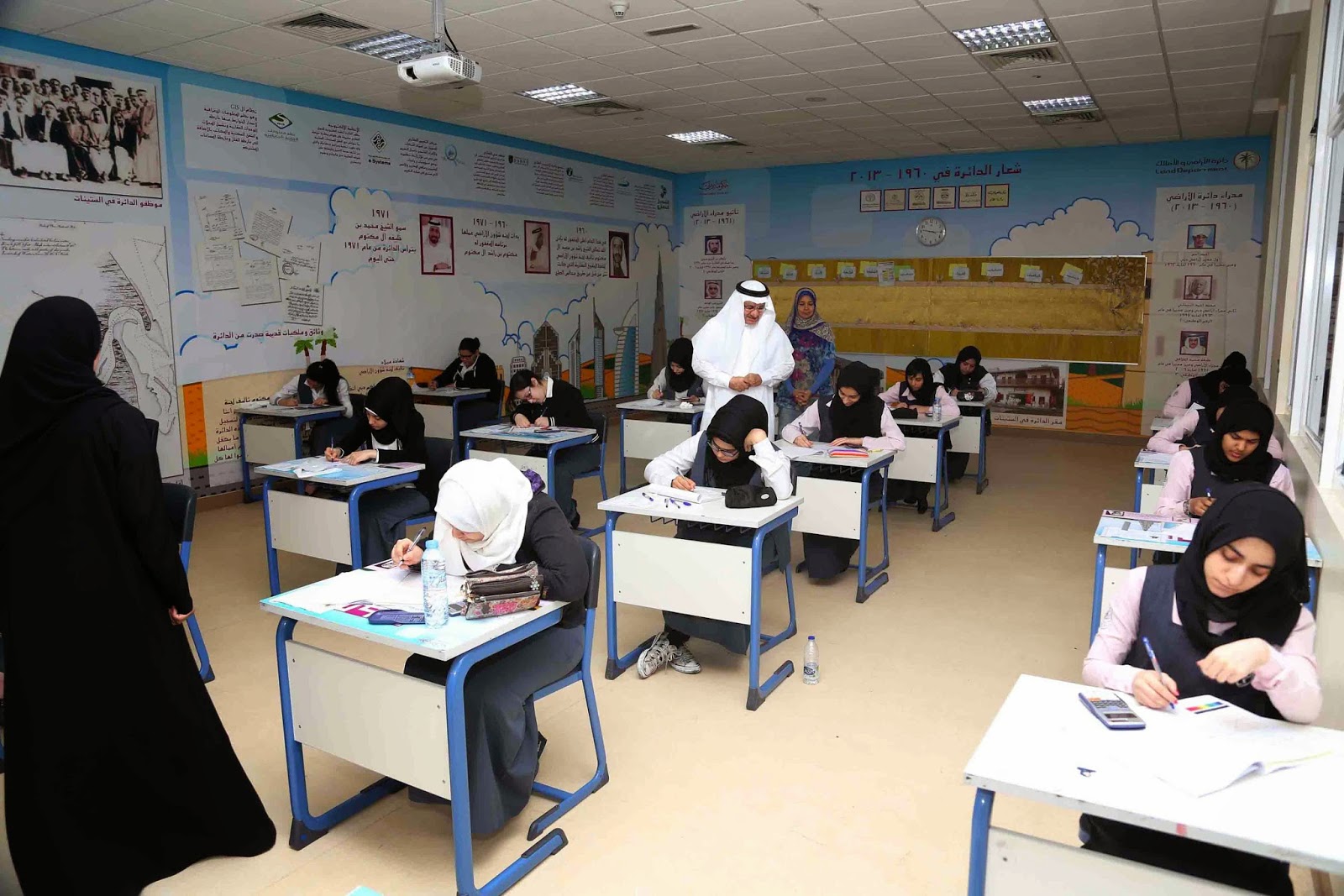
‘Dubai, one of the best education environments in the world’

“Dubai – World’s one of the most vibrant cities, a city committed to tolerance and a city committed to well being, “said Mark Beer, OBE, Chief Executive, DIFC Courts, Dubai International Financial Centre, during the 11th World Education Summit Dubai.

Describing about Dubai’s education journey, he said, “I would like to take you to a journey, a journey from foundations of education in Emirates to future of education in Dubai. First school in Dubai was opened in 1912. Parents were paid to send their children to school.”

“First Indian school in Dubai was opened in 1961 with eight students has grown to more than 15,000 across all three campuses. First English school was opened in 1963 in a pet’s room of a villa. It was opened by Military. First American school was opened in 1966 by Dubai Petroleum. The year was also important as it was the year when oil was explored in Dubai,” he added.

Explaining about how Dubai evolved itself, Beer said, “In my view, 1985 was Dubai’s first Renaissance. It went from the “Era of Oil” to “Era of diversification”. In 1985, oil contributes around 50 per cent of Dubai’s economy but now it contributes only 2-3 per cent. Dubai decided to diversify its economy away from the wealth comes out of the Earth. And in this process, the city becomes the hub of moving goods from West to East and East to West.”

“So, in the era of diversification people were migrating via Dubai but not staying here. Major factors for people’s stay in a city are: proper healthcare mechanisms, good education opportunities for younger generation and protection of rights. It brings the second Renaissance in Dubai, from “Era of Diversification” to “Era of Sustainability”,” he added.

Beer also described about the role of authorities. He said, “Building trust and confidence and following best international practices, this was the middle of year 2000. In 2006, Knowledge and Human Development Authority (KHDA) was established for educating the children.  In 2007, Dubai Health Authority was established keep the citizens healthy. In the journey of 10 years, we are now established as the leading Medical tourism destination of the world.”

Beer said about the WES, “The reason we are here today is, Dubai the leader in the world for one of the best education environments. It educates quarter to million students in 200 schools and in private sector schools, around AED 6.8 billion is paid as fee annually.”

He also said, “In line with Dubai’s future dream, World Education Summit brought 500 speakers from around the globe on one platform to discuss the future of education. It is important as 50 per cent of the children entering to school education will be doing the jobs which no do not exist today.”

He explained the Dubai’s vision of becoming the city of future adding , “Today we are going to enter the third Renaissance. Dubai is the city of future. We brought leading thinkers from around the world to tell us that how the city should look like in future.”

“Its no longer good enough to teach people facts, we need to create human beings, we need to create social and emotional learners. We need to teach new skills and inculcate creativity, problem saving, curiosity and leadership,” he added.

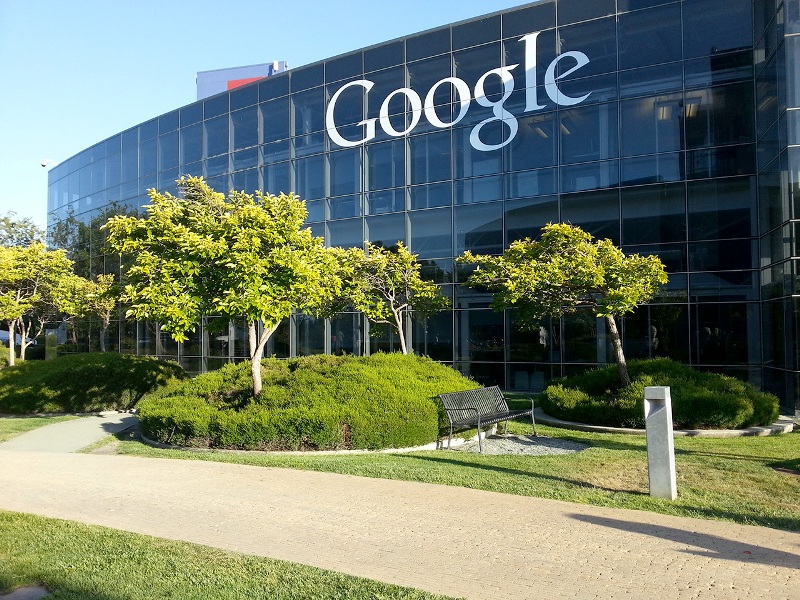
Google’s Software Engineering Internship 2018: Applications invited

The tech giant Google has invited applications for Software Engineering Internship 2018 programme from the students pursuing B Tech/M Tech in Computer Science or a related technical field and completing it in 2019.

The 8 to 12 weeks of internship programme will begin from April 2018 and the last date to apply for the internship is 26 December, 2017.

Under this programme, selected students will be offered a competent stipend.  Moreover, to enhance skills of the interns, they will be assigned specific responsibilities which would vary by project area.

Along with the educational qualification, internship demands certain preferred skills like candidate must be enrolled in a full time degree program and returning to the programme after the completion of the internship, hands-on systems software or algorithms, C++, Java, and Python. In addition, candidates should be familiar and have knowledge of Unix/Linux or Windows environments, APIs, TCP/IP and network programming.

The applications for internship can be filled and submitted through Internshala – A web-based portal which offers several internships and training programmes across various industry verticals.

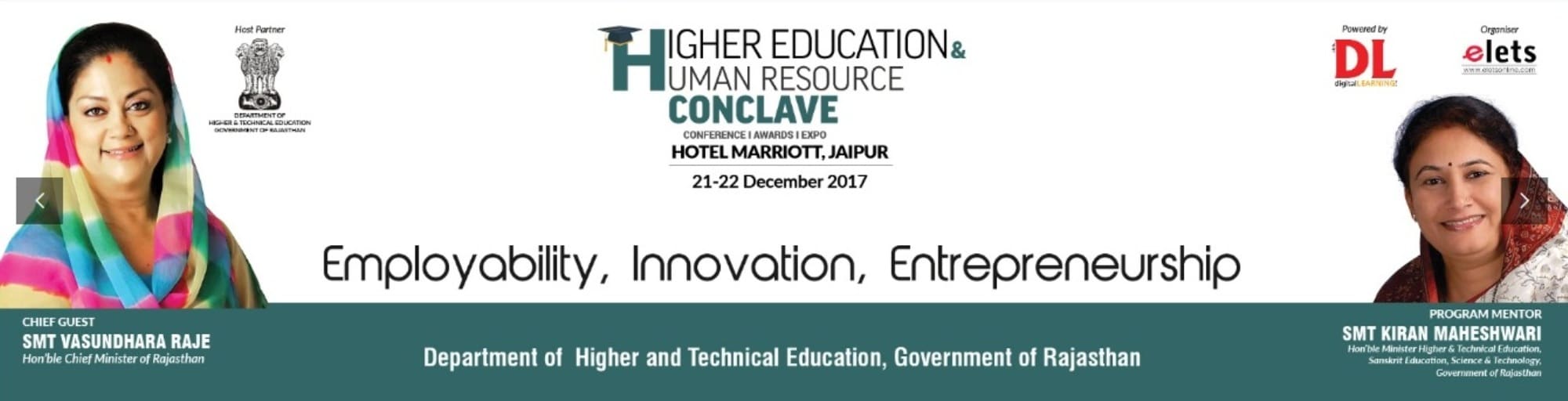
Higher Education and Human Resource Conclave kicks off in Jaipur

A  two-day conclave on Higher Education and Human Resource commenced in Jaipur on Thursday which seeks to inculcate partnership between academia and industry to explore employment opportunity along with enhancing innovation and entrepreneurship of students of Rajasthan.

Being organised by the Department of Higher and Technical Education, Government of Rajasthan, along with the Elets Technomedia Pvt Ltd, under the direction of Higher and Technical Education Minister of Rajasthan Kiran Maheshwari, the conclave is witnessing participation from AICTE Chairman Prof Anil Sahasrabudhe; Atal Innovation Mission, Mission Director Ramanan Ramanathan, High Commissioner of Cooperative Republic of Guyana David Goldwin Pollard, and Vice-Chancellors, Principals and major education stakeholders.

On the inaugural-day on Thursday, the Higher and Technical Education Minister, Kiran Maheshwari said: “This conclave is a start to create a platform for the academia-industry partnership. Through this conclave, I wish to see various initiatives being taken to enhance employability, innovation and entrepreneurship of students.”

She also thanked AICTE Chairman, Prof Sahasrabudhe who arrived on the special invitation from the Minister for extending support to the engineering and technical universities of Rajasthan.

Congratulating for the launch of the conclave, Human Resource Development Minister Prakash Javadekar through a video message said: “The deliberation at this conference will, I am sure, enable the participants to play an important role in enhancing students skill and increase the employability quotient of student.”

On the occasion, Prof Sahasrabudhe said: “We need to help our students become innovative to prepare them to become job creators. An excellent governance mechanism is required working with the cause of education.”

According to Prof Sahasrabudhe, AICTE has created a semester-long module to help teaching-learning process to be introduced from the 2018 academic session.

Also present at the Conclave was Mission Director of Atal Innovation Mission, Ramanan Ramanathan, who said: “Atal Innovation Mission has embarked on two important missions: promote innovation and entrepreneurship. The mission aims to to create job creators , not job seekers.”

“The aim of this conclave is to explore how can the academia-industry come together, and also to recognise the need to prepare students as per industry requirement,” Ashutosh AT Pednekar, Commissioner College Education and Special Secretary Higher Education, Government of Rajasthan said.

 “The Higher and Technical Education Department of Rajasthan is committed to provide students a better placement in both private and government sectors. It equally focuses on enhancing students entrepreneurship,” he said.

Meanwhile, a MoU was signed between the Centre for Electronic Governance (CEG) and Engineering Council of India (ECI) on e-Governance in the presence of Minister Kiran Maheshwari.

The MoU aims to impart job-oriented training and skills to youth of Rajasthan, especially technical students, to make them employable, said ECI Member Secretary, PR Swarup.

During the Conclave, the Minister also launched a common logo to be used by all the engineering colleges of Rajasthan.

During the conference, various panel sessions were held on topics like Innovation and best practices in Higher and Technical education, enhancing employability, etc.

On Friday the Conclave will witness participation and discussion from various Human Resource organisations.

Dubai’s education sector to adopt best practices: Kalthoom Al Balooshi

“There were different periods of renaissance in Dubai. The first one was in 1985 and the second one in 2006. We have gone through a journey of transformations in different sectors. But let me give you the details about the education sector during the second renaissance,” said Kalthoom AlBalooshi, Executive Director of Education Development, KHDA, Dubai, during the 11th World Education Summit Dubai.

Kalthoom AlBalooshi, Executive Director of Education Development, KHDA, Dubai

Explaining the purpose behind creation of KHDA, she said, “The Dubai government has created the Knowledge and Human Development Authority in Dubai (KHDA). The purpose of the KHDA was to create an education sector to serve the people of Dubai and to support the economic growth of the city.”

“But in 2006, the picture of education landscape was very different. There were only 136 private schools though different curriculums but very limited options. There was a huge waiting list at that point of time. There was no approach to ensure the quality of the education. There was no transparency in the sector,” she added.

Providing a picture of education landscape of Dubai in 2006 and the achievements in 2017, Balooshi said, “The parents and students have no choice, they used to choose the schools where their friends are studying. KHDA always focuses on the quality of the education. So, incentivising good quality and ensuring transparency are the two key components of KHDA. From 2006 – the second period of renaissance to 2017, we have 194 private schools, 17 different curriculums, 200 different nationalities, around 3,00,000 of students studying in different schools of Dubai.”

She said, “In 2006 we used talk about the fixed fee of schools but now we are talking about discounts, founder fee, packages, so the market has changed a lot. Earlier, the schools were located in specific areas but now the schools are in different parts of Dubai, the New Dubai, the Old Dubai and the areas where people are living.”

She referred 2017 as new period of renaissance and said, “After 2006, 2017 will be the new period of renaissance for education sector in Dubai. The new education landscape will be full of innovative ideas; it will be about following new practices in the market. We will emphasise more on happiness.”

Telling about the new models of schools in Dubai, Balooshi added, “Earlier, students of Dubai used to go to schools in different countries where the best teaching-learning practices and the unique curriculum is followed. But now, such schools are next to your house. This one model of schools followed in Dubai’s education landscape.”

“The next types of schools we are talking about are the ones which will address the future needs of the market. These schools will focus on human side of every student, their happiness and the skills required in different industries,” she added

According to her, World Education Summit is the platform to showcase the transformation of Dubai’s education space and also the huge opportunities available here such as the new areas of learning, new curriculum, happiness in the classrooms, so there lot of options for schools to thrive and grow in this city.

About expansion in future, she said, “Another thing we are focussing on is that to succeed in the future, we need to collaborate, we need to work together. Explaining about the collaboration, she gave the examples of trees having very deep roots and at the same time roots of one tree are connected with their neighbouring trees which help to withstand in any natural disaster.”

She explained about “What Works” adding, “It actually is a platform where leaders from different backgrounds and school curricula discuss and borrow ideas from each other.”

She said, “For us to thrive in the future we have to collaborate, it can’t be done by oneself.”

Kasturba Gandhi Balika Vidyalayas in Haryana to be upgraded as Higher Secondary Schools

Haryana Chief Minister Manohar Lal Khattar has issued the order to upgrade the Kasturba Gandhi Balika Vidyalayas (KGBVs) in the state into higher secondary schools.

According to an official release, the chief minister has issued the order while presiding over the seventh meeting of General Council of Sarva Shiksha Abhiyan (SSA) of Haryana School Shiksha Priyojna Parishad.

He directed the officials to provide all the facilities and infrastructure necessary for the upgrade.

“He directed that science stream should also be introduced in KGBVs once they are upgraded upto the 12th standard,” the release said.

Introduced in 2004 under the Sarva Shiksha Abhiyan, KGBVs are upper primary residential schools for the girls belonging to SC, ST, OBC categories besides other minority and disadvantaged sections of society.

The Ministry of Human Resource Development (MHRD) has approved 36 KGBVs for 36 Educational Backward Blocks in Haryana. Out of these, 31 are functional in residential mode of which eight KGBVs had been upgraded to Secondary level under Rashtriya Madhyamik Shiksha Abhiyan (RMSA), the release said.

Centre gives nod for India’s first National Rail and Transportation University at Vadodara

The Union Cabinet has approved to set up the first ever National Rail and Transport University (NRTU) in Vadodara.

The university, an initiative of Ministry of Railways, will be established as a Deemed to Be University under de novo category as per the UGC [Institutions Deemed to be Universities] Regulations, 2016, a statement by union government said.

The initiative will help the ministry to skill its human resources and build capability. According to the statement from the Central Government, it will be a catalyst for transformation of rail and transport sector towards New India, said the statement.

The university is likely to launch its first programme in July 2018 as the Government is working towards completing all approvals by April 2018.

Under Section 8 of the Companies Act, 2013, the Ministry of Railways will create a not-for-profit company to manage the proposed university. Along with providing financial and infrastructural support to the university, the company will also appoint Chancellor and Pro-Chancellor of the university. Board of Management, comprising professionals and academics, shall be independent of the Managing Company with full autonomy to perform its academic and administrative responsibilities.

The proposed university will function at National Academy of Indian Railways (NAIR) at Vadodara, Gujarat. Academy’s existing infrastructure and land will be utilised, and suitably modified and modernized for the purpose of the university. The university is expected to have 3000 full time students. The funding of the new University/Institute is to entirely come from Ministry of Railways.

“This university will set Indian Railways on the path of modernisation and help India become a global leader in transport sector by enhancing productivity and promoting ‘Make in India’,” the statement said.

“It will support ‘Startup India’ and ‘Skill India’ by channeling technology and delivering knowhow, and foster entrepreneurship, generating large scale employment opportunities. This will lead to transformation of railway and transportation sector and enable faster movement of people and goods. Through global partnerships and accessing cutting edge technologies, India will emerge as a global centre of expertise,” added the statement.

Government of Maharashtra to open 100 international schools

The Government of Maharashtra has decided to open 100 international schools to provide quality education to students.

School Education Minister Vinod Tawde has announced it in the State Assembly session in Nagpur. The announcement has been made on the same day; the government adopted the amendment in the Maharashtra Self Financed Schools Act. The amendment will allow private companies and the corporate sector to open schools on no-profit-no-loss basis.

Tawde said, “Even today, private players have made inroads in school education. We have only simplified the process.” He assured that the interest of students, including fee regulation, would be protected, and state language Marathi would be promoted in these schools.

According to the State Government, the decision of opening the 100 international schools by the government will help the children who cannot afford similar education in private schools.

Khan Academy: Personalised Learning Resources for all Ages

Khan Academy through its personalised learning solutions empowers learners to study at their own pace in and outside of the classroom, says Sandeep Bapna, Managing Director, Khan Academy India, in an interview with Elets News Network (ENN).

Please give details about Khan Academy.

Sandeep Bapna, Managing Director, Khan Academy India

Khan Academy is a non-profit organisation with a mission to provide free, world-class education to anyone, anywhere. The platform is available online (www.khanacademy.org), as well as on Android and iOS apps. Khan Academy’s iOS and Android apps contain interactive practice exercises and video lessons in subjects such as mathematics, biology, chemistry, physics, history, economics, finance, grammar, preschool learning, among others.

What kind of practices does Khan Academy follow to help learners study at their own pace?

Khan Academy offers practice exercises, instructional videos and a personalised learning dashboard that empower learners to study at their own pace in and outside the classroom. We lay strong emphasis on personalisation of Khan Academy experience to learners. This happens in the following ways:

  • Our math and physics content is already mapped to Indian curriculum. Since Khan Academy’s content is built with skills as a foundation with well-defined learning goals, it can be used by students of all boards. We already see students from CBSE, ICSE, state and international boards using academy’s content to learn.
  • At the time of registration on Khan Academy’s online platform, one can choose subjects which create a personalised dashboard for students. You can see your subjects and assigned homework in one place.
  • A student can now take brief diagnostic quizzes/tests when starting a new topic such as complex numbers in class 11th. These tests identify areas of improvement of a student and recommend lessons for exactly what one needs to learn.

How is the platform empowering parents and teachers to understand the needs of their children and students respectively and help them in boosting their learning?

Khan Academy works for teachers, students and parents. If you are a teacher or a parent, you have access to additional tools and dashboards on our site, which is optimised for mobile usage. The app and website work together seamlessly. For example, a user signed up as a teacher can assign practice exercises on the site and her students can finish them on the app. As students complete assignments, teachers get completion reports. These reports are not only real-time and simple to use, but also are powerful in helping a teacher to assess their students’ performance. The reports make it possible for a teacher to identify the most challenging problems for their class and the learning gaps/needs of individual students.

On what parameters, Khan Academy recruits developers, teachers, designers, strategists, scientists, and content specialists, to ensure world-class content to learners ensures the selection?

Khan Academy started with our founder tutoring his cousins. Several things stood out from those early days that have become core to how we build content on Khan Academy. Typically, Khan Academy content is simple, free of jargon and yet deep. Practice exercises are constructed in several ways such as multiple choice questions, free response questions and interactive graphics to help a student understand a concept deeply.

Please list the government organisations, renowned educational institutions and corporate, Khan Academy has partnered with to expand its global reach.

We are supported by Tata Trusts and Central Square Foundation in India. Khan Academy India has also been working with various state governments.

Khan Academy has partnered with the Government of Karnataka to make available educational content, including videos, exercises, articles and teacher tools, in Kannada (language). Under the partnership, Department of State Education Research & Training (DSERT, Karnataka) will create educational content in Kannada that includes 5,500+ videos and 20,000+ exercises in Math and Science, as well as dashboards, which already help millions of students and teachers around the world. These resources would be mapped to the state curriculum. We have also partnered with the Government of Rajasthan to bring personalised learning to state schools starting from this current academic year. About 2,500 students in 57 classrooms are using Khan Academy resources once a week to practice and strengthen math skills.

LATEST NEWS