




The landscape of employment has been shifting dramatically, raising concerns about the future of work and education. A pertinent example is Amazon, which recently made headlines by laying off 30,000 employees despite a 30% increase in revenue. This underscores a broader trend: companies are managing with fewer employees while achieving higher efficiency, often leveraging technology and automation. A stark illustration of this shift is Nvidia, where a single employee now generates $4.4 million in revenue. These developments pose a substantial challenge to the global workforce, signaling a potential unemployment crisis.
As reduction in headcount becomes a norm across industries, the picture darkens for young entrants into the job market, especially fresh graduates. Reports by institutes like Burning Glass show declines in employment opportunities across various fields, including computer science, business, and management. This tightening of job markets coincides with a growing anti-immigration sentiment worldwide, further complicating the prospects of young graduates from prestigious institutions like Oxford and Harvard.

The advent of Artificial Intelligence (AI) offers both a challenge and an opportunity. AI, capable of performing tasks usually assigned to fresh graduates, threatens to make entry-level positions redundant. However, it also forces a reevaluation of education systems and their alignment with future job markets. Schools and universities, born out of the needs of industrial and post-World War II service economies, must now adapt to an AI-driven landscape.
One proposed solution is to align education with individual strengths and market demands. Studies indicate that a mere 25% of professionals work in fields related to their undergraduate studies. This misalignment can be addressed through tools like psychometric testing, which can guide students to choose majors and careers aligned with their innate skills. For instance, a student with a knack for analytics might be directed towards a career as a financial or business analyst. Alternatively, a student with a passion for music and writing could consider a career as a lyricist.
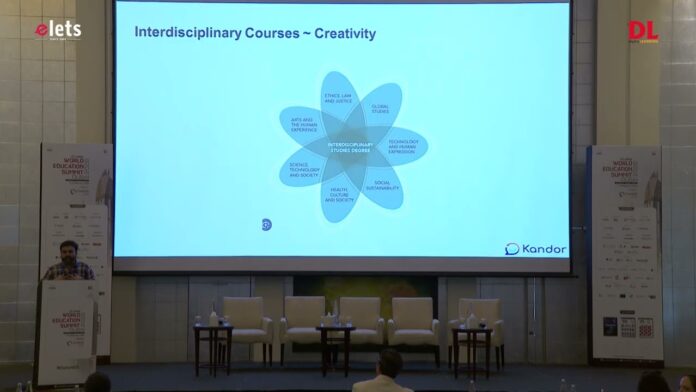
It is also crucial to align educational content with future industry demands. Encouraging interdisciplinary studies can foster creativity and adaptability, blending fields like accounting and machine learning to prepare students for versatile roles. Additionally, understanding which professions are in demand in various regions can guide smart immigration policies, placing talent where it is most needed. For example, healthcare workers might find more opportunities in the UK, while Canada may offer prospects in hospitality.
A shift towards entrepreneurship education and smart immigration policies can also address employment challenges. By investing in courses that nurture entrepreneurial skills, students can be better prepared to create their own opportunities. Moreover, smart immigration strategies can help students find work in countries that need specific skill sets, broadening their opportunities.
The rapid adoption of new technologies further complicates the job landscape. Historically, the steam engine took nearly a century to reach mass adoption, whereas generative AI achieved similar reach in under a year. This accelerated pace of technological adoption demands a swift and adaptive response in education and career planning.
A significant obstacle in navigating this new terrain is the lack of adequate career counseling resources worldwide. The ratio of students to career counselors is dishearteningly low, even in top-tier institutions in Southeast Asia and the Middle East. Additionally, the complexity and breadth of industries require counselors to possess a technical understanding of various fields, which is an impractical demand.
Also Read: Embracing AI in Education: How Schools Can Navigate the Future of Learning
Here, technological solutions like Cande, a platform that offers career management tools and facilitates parent communication can bridge knowledge gaps and enable better career guidance. As technology reshapes industries, a mere $110 billion investment flows into AI compared to the paltry investment in educational technology (EdTech). This imbalance needs addressing if education is to keep pace with technological advancements and labor market demands.
In conclusion, solving the employment puzzle in today’s world requires innovation and cooperation between educators, policymakers, and the tech industry. Adapting education to align with future technological advancements, fostering entrepreneurship, and employing data-driven immigration policies will furnish the next generation with the tools needed to navigate an ever-evolving job market.
Views expressed by Navdeep Singh, CEO of Kandor, at the World Education Summit Dubai 2026.