Home Blog Page 325

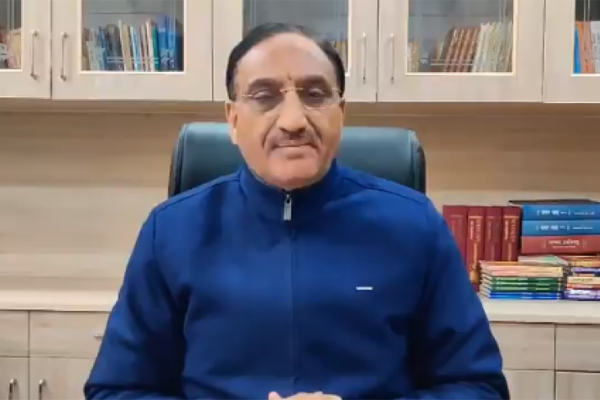
Pokhriyal: CBSE exams postponed, to be held post February

Ramesh Pokhriyal

Addressing teachers’ through webinar, Education Minister Ramesh Pokhriyal has confirmed that there would be no practical examinations in January and February. Answering the questions, the minister clarified that at the present situation, it was not possible to conduct examinations in the months of January and February 2021. As for dates in March, he confirmed that situation is being assessed and dates would be announced soon.

He also said, “CBSE has already reduced syllabus to 30 percent. Many state governments have also reduced their syllabus for academic year 2020-21. The exams would be conducted on the basis of the reduced syllabus.”

Responding to a query on whether schools can conduct pre-board exams in pen and paper mode, he said that since board exams were anyway being delayed by a couple of months, students will have enough time to prepare for their boards.

Also Read:- Pokhriyal: JEE Main 2021 to be conducted in regional languages

The education minister said that in time, the question of pre-board exams would also be resolved.

We aim to implement vocational education for students in class 6 onwards in middle schools, said Pokhriyal. This has been introduced under the NEP 2020. The Minister of Education said that not just tie-up with the industry but also knowledge of ancient India will be part of the education. “We are the first country in the world which is introducing AI at the school level,” he claims.

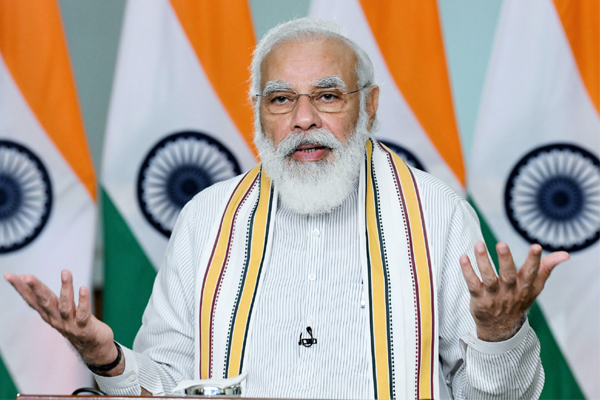
PM Modi hails Aligarh Muslim University’s heritage

Modi

While addressing the Aligarh Muslim University (AMU) on its centenary celebrations, Prime Minister Narendra Modi said the ace institution has 100 glorious years of excellence in education and considered as mini-India.

“We see a mini India among different departments, dozens of hostels, thousands of teachers and professors. The diversity which we see here is not only the strength of this university but also of the entire nation,” he said.

During the event, PM Modi released a postal stamp as part of the centenary celebrations of the University. AMU Chancellor Syedna Mufaddal Saifuddin and Union Education Minister Ramesh Pokhriyal Nishank are also present at the event.

“History of education attached to AMU buildings is India’s valuable heritage. I often meet AMU alumni during my foreign visits, who very proudly say that they’ve studied from AMU,” he added.

“Wherever in the world they go, AMU alumni represent the rich heritage and culture of India…In its 100 years of history, AMU has crafted and polished millions of lives, giving them modern and scientific thinking and inspiring them to do something for the society and the nation.”

Asserting that everyone in the country, irrespective of their religion, will get equal opportunities to fulfill their dreams, Modi said, “The country is marching forward on the path where every citizen would get the benefits of development happening in the country without any discrimination.”

UP govt to provide tablets to college students in 7 districts

UP govt to provide tablets to college students in 7 districts

In a major development, the Uttar Pradesh Government has launched a pilot project to provide tablet computers to college students. The step has been taken in the light of increasing dependence on digital mediums for studies. These tablets will be available to college students of Government College through the respective libraries as digital reference books.

UP Deputy Chief Minister Dinesh Sharma, who also holds the portfolio for the Education Ministry in the state announced the development. Dinesh Sharma said the districts chosen for the initial stage of the project are Fatehpur, Sonbhadra, Chandauli, Shravasti, Siddharthnagar, Balrampur and Chitrakoot.

He also added that during the pilot phase, 160 tablets with pre-loaded study material will be provided to libraries of 18 government colleges in seven aspirational districts. The tablet computers provided under this initiative can be issued by the students like reference books from the libraries of their respective colleges. The tablets will be used as digital reference books by the students.

Providing more information about the initiative, Additional Chief Secretary of Higher Education Maneka S Garg also said that the 7 districts chosen for the pilot project have been selected on the basis of need of the students. Many students from these districts do not have smartphones or other e-learning devices and lack internet connectivity, which has hampered their learning process during the pandemic.

The Uttar Pradesh Higher Education Department has already started a digital library for universities and colleges, and the content from the library could be downloaded in these tablets also.

Kasturirangan: NEP aims to transform India into a knowledge society

NEP 2020

Lauding the National Education Policy 2020, eminent educationist K Kasturirangan said the NEP 2020 aims to transform India into a knowledge society with special focus on high quality of research work. K Kasturirangan was also the chairman of the committee who drafted NEP 2020.

The NEP was drafted after a gap of 34 years by the BJP-led Modi government.

Addressing the inaugural episode of E-content production on NEP by the Instructional Media Centre (IMC) of Maulana Azad National Urdu University, Kasturirangan expressed his views.

Appreciating the efforts by MANUU to develop e-content on NEP, Kasturirangan said the University’s plan to create a video library was certainly a very important, critical and probably an imperative step, moving towards implementation of the NEP 2020 in the near future.

“NEP is the need of the hour. It is not just reading of the document, but understanding, analyzing, interpreting and getting a picture of it several steps we need to put together,” he said.

Also Read:- Pokhriyal: NEP 2020 upholds the reservation policy

Kasturirangan also highlighted the important features of the policy, which include flexibility, interconnectivity and religious diversity, among others, the release said.

Aditya Berlia: Safety of all stakeholders our priority

Aditya Berlia

The NEP 2020, in many ways, is a validation of the philosophy we have been espousing and following for decades, says Aditya Berlia, Joint Secretary, Apeejay Education Society in an interview with Elets News Network (ENN).

Apeejay Education Society is one of the eminent groups in the country. How it has helped students and parents during the pandemic?

Within 48 hrs of the lockdown, we were able to resume virtual classes, and within a few days, we were able to run the full-time table and syllabus for our students along with all exams. These were difficult and harrowing times for all stakeholders, and we were fortunate to have parents, students, and alumni who support the creation of a learning environment and have a long-term vision of education. Our staff reached out to those who were struggling due to the digital divide, and we were able to provide them with access to technology in their homes. The mental health and well-being of our students have always been our number one priority, and we modified our syllabuses to be able to provide them with activities, including physical education virtually.

What will be the impact of NEP 2020 on school education in the long-run?

The NEP 2020, in many ways, is a validation of the philosophy we have been espousing and following for decades. We wholeheartedly support its immediate implementation. The policy, while revolutionary for India, essentially allows the country to catch up to best practices already in place across the world and lays the foundation for a new 21st Century education. The policy will not only allow students to access a higher level of knowledge; it will free educators from the shackles of cookie-cutter and narrow-minded thinking. The change has been more than three decades in the making, and it uplifts our entire education eco-system to being one of the most enlightened and progressive in the world. We are excited to be able to extend our world-class bench marked curriculum into higher classes and seamlessly fit into the greater regulatory eco-system.

Also read: Educators: NEP will be a great leveler, implementation will be challenge

After the pandemic, how the group is planning to bring back students to the classroom?

The safety of all stakeholders is our number one priority. We are working with experts, regulators, and the government to ensure we have an action plan that puts safety first and can manage and mitigate risk properly. We are delighted to see the worldwide positive results of vaccines and hope schools should be able to return to normal within six months or less.

How has the school employed new age innovations as modern learning aids?

Our focus on virtual learning and investments in innovative infrastructure allowed us to move entirely virtual within a few days of the lockdown. It has validated our digital backbone and digital-first strategy, as well as our continuous teacher training and development. The most significant development has been the new acceptability of digital learning and new pedagogy among our stakeholders. It has allowed us to accelerate the deployment of many innovative practices that earlier were taking time to gain acceptability. We measure success by looking at the outcomes, and we are optimistic, given the data on learning that has started to come in.

IILM focuses on innovation and technology

Dr Sujata Shahi

As per our National education policy, the education system needs to give more focus on change and innovation to achieve the required GER, says Dr Sujata Shahi, Vice Chancellor, IILM University, Gurugram in a conversation with Elets News Network (ENN).

As we know India has the third largest higher education system in the world, after the US and China, according to the World Bank. The growth of the higher education system in India is remarkable and especially in the post-independence period. As per our National education policy, the education system needs to give more focus on change and innovation to achieve the required GER. Universities have always been a paramount player in a global system increasingly driven by knowledge, information and ideas.

Keeping in mind the transformation of the education system, which is currently prevalent due to pandemic and new normal, IILM University holds onto its top spot year after year because it produces a steady stream of innovations that are cited by other researchers in academia and private industry. That sort of influence is a key measure of the success and growth of the institution. IILM understands that it’s almost impossible to mention the words ‘higher education’ without ‘innovation’ following closely behind. Despite the clichés, innovation in higher education isn’t just about staying ahead, it’s about staying relevant and sustainable in a globally unpredictable environment. At IILM, it’s also not about simply disrupting teaching and learning methodologies, but about strategically molding these methodologies in order to cultivate new ideas, enhance creativity, encourage collaboration, and promote inclusion and diversity.

Also read: Globus Infocom offers advanced technology solutions

As the leading national higher education institution IILM is a hub of strategic significance by conducting cutting-edge research in numerous fields and inculcating the spirit of discovery and entrepreneurship. The university contributes to entrepreneurship driven research and develops strong interdisciplinary programs in strategically selected priority areas. We are sincerely working towards fulfilling our dream of an institute where there is a synergy of user experience, mobility, digitalization, safety, artificial intelligence, and embracing cloud benefit.

Our innovation in education is focused on creating a framework that defines the knowledge and skills required for success in work, citizenship, and life and that can be used to guide students’ cumulative progress through college. An inquiry based exploration of subjects that the individual student identifies and defines, which is conducted over the course of at least one semester, and that involves substantial writing and reflection. Another significant innovative approach is rubrics to evaluate the work students produce across their diverse learning pathways and whose results inform efforts to promote student success.

Students cannot reach their full potential when impeded by issues affecting their safety, security and well-being. We help the students with timely information that empowers and informs their decisions. We have the best resources and information available on campus safety. Educational programs instituted across all components of the campus system, including students, faculty, staff, and safety officials are key. Bystander intervention and trauma-informed training programs at IILM foster a culture of safety, concern, and mutual responsibility for the campus community.

IILM University continuously works to build on innovative practices, leveraging emerging technologies to enhance the student experience. We understand that campus is the epicenter of all activity and therefore we leverage technology and strategies in a way that improves the experience of the students.

UP Board to introduce NCERT books for three more classes

UP Board to introduce NCERT books

In a major development, the  UP board will introduce new books based on NCERT syllabus for three more classes in the state from the new academic session (2021-22). In addition to commerce in class 12th, preparations have been started to introduce new books for English in class 10th and 12th. Tender for publication of these books will be released by January 2021 so that books can be available in the market by the third week of March.

In the last two years, UP Board has introduced NCERT books for 24 subjects. Apart from this, the board had introduced 31 books on 18 different subjects based on NCERT syllabus for students of classes 9 to 12 from academic session 2018-19 . Also in 2019-20, the board introduced some new books based on NCERT syllabus in high school (social science) and class 12 (history, geography, civics, economics and sociology).

Also read: NCERT inks deal with ISLRTC to develop sign languages

Recently, the board had planned to increase the number of centers by one and a half times for the 1 0th (high school) and 12th (intermediate) examination 2021. Apart from this, schools which do not have access to main roads or which are not 10 feet wide, will not be made an examination center.

Globus Infocom offers advanced technology solutions

Kiran Dham

Our Digital Language Labs provide language proficiency in Hindi, English & Sanskrit languages, says Kiran Dham, CEO & Managing Director, Globus Infocom Limited in an interview with Elets News Network (ENN).

How COVID-19 pandemic has affected your business?

The Covid 19 has drastically changed different industries past years, especially education. With the distinctive rise of e-learning teaching & learning has undertaken remotely & on digital platforms. Though the education technology industry was already showing high growth & adoption, there has been a significant surge noted during the covid-19 pandemic.

This phase has turned education & technology synonymous & has helped in the Education continuity during the lockdown. We have not only seen a drastic surge in online learning solutions but now schools are preparing themselves with advanced technology solutions in their classrooms too.

But lockdown certainly affected other aspects of different business with difficulty in project implementations & workforce collaboration & we were no exception.

Also read: Globus Infocom enabling smart learning in Goa’s govt colleges

How are your products better than others as there are many in the market?

Though every player in the industry is different in one or the other term but there are few points where we stand out in the industry.

We are a proud “Make in India” brand with our own well equipped manufacturing unit based here in India. Globus Infocom has the widest product/solution basket, offering advanced technology solutions in four different verticals of Education Technology, Collaborative Conferencing & Professional Display, Security & Surveillance & Healthcare & Wellness. Also, we are the only OEMs providing the most comprehensive & state of the art solution in which we offer learning content(K-12 & Language)along with all necessary infrastructure, technological tools & extensive training to create an integrated digitized learning environment under one roof.

Our Digital Language Labs provide language proficiency in Hindi, English & Sanskrit languages.

How will the use of technology change the aspect of the education industry in the coming days?

Technology has impacted almost every aspect of our lives & education being no exception has a greater impact transforming the traditional ways of teaching & learning. Involvement of technology in the pedagogical methods has made education more accessible & more engaging. It has evolved different forms of collaboration & communication among learners & teachers which has enabled them to explore different sources & avenues for better learning & sharing. Advanced tools, resources & technologies have enabled the teachers to make the classroom environment more engaging & interactive encouraging learners to participate more. Today, thanks to technology, education is not limited to location or time.

How gamification in education will change the future of learning?

The modern technology empowered classrooms have been implementing gaming as one of their effective pedagogical methods as it has been a proving source of increased engagement activities with visible retaining power & better understanding of the subject. Though it still is in its initial phase but it has better scope of being involved in an effective classroom environment.

What are future business plans?

We have plans to enter the app-based learning market and to keep on offering meaningful & affordable solutions to the market. After a successful journey in institutional sales, we plan to enter the consumer market soon. Also, we expect to see a growth of 25% in our existing customer base of 25000+.

IIT Kanpur launches programme on Earth Science

IIT Kanpur

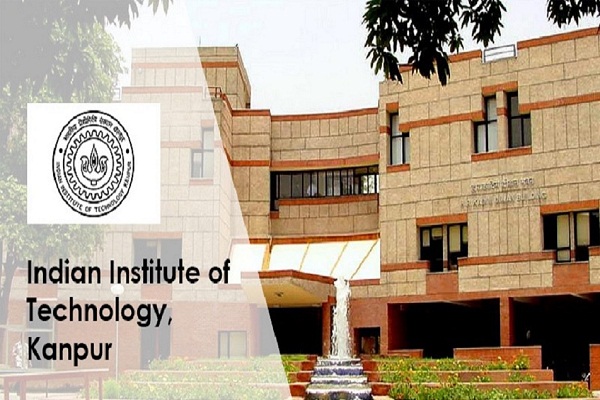
The Indian Institute of Technology (IIT) Kanpur has announced the launch of a new diploma programme in geodesy, the science of measuring the Earth. The new D-IIT program will be open to candidates from different backgrounds including civil engineering, computer science, information technology, earth science, and other with requirements for the MTech / MS(R) program of geoinformatics specialization in civil engineering.

The D-IIT program will be offered by the department of civil engineering in three broad areas: geodesy, navigation and mapping, and remote sensing and GIS.

Also read: IIT Kanpur signs MoU with Alliance Francaise to teach French to students

For the D-IIT program, the GATE (Graduate Aptitude Test in Engineering) requirement has been waived for working professionals. As per a release issued by the institute, the geoinformatics specialization is supported by state-of-the-art laboratory facilities and well-defined course structure.

“The specialization also offers MTech, MS by research, and PhD programs that are steered by a group of experienced faculty members having wide-ranging research interests in geodesy, remote sensing, laser scanning, photogrammetry, GIS, and sensor integration,” it reads. The science of geodesy is applied in monitoring earthquakes, volcanic activity, landslides, and weather hazard recognition and response and dozens of other fields.

PM Modi proposes setting up of library of Buddhist literature in India

PM Modi Buddhist literature

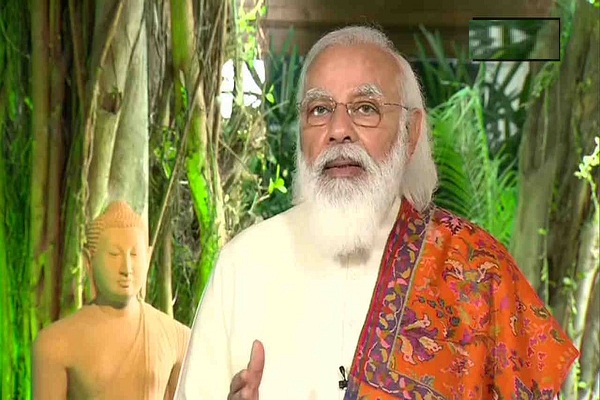
Prime Minister Narendra Modi proposed setting up of a library in India dedicated to traditional Buddhist literature and scriptures, asserting that it would be a platform for research and dialogue.

Addressing the 6th Indo-Japan Samwad Conference via video conferencing, Modi lauded the forum for doing great work to promote the ideas and ideals of Lord Buddha, especially among the youth.

“Today, I would like to propose the creation of a library of all such traditional Buddhist literature and scriptures. We will be happy to create such a facility in India and will provide appropriate resources for it,” he said.

The library will collect digital copies of all such Buddhist literature from different countries, it will aim to translate them, and make them freely available for all monks and scholars of Buddhism, he said.

Also read: PM Modi to IIT alumni: Responsibility of post-COVID world huge

The library will not only be a depository of literature, it will also be a platform for research and dialogue -‘ a true ‘SAMWAD’ between human beings, between societies, and between man and nature, Modi said.

“Its research mandate will also include examining how Buddha’s message can guide our modern world against contemporary challenges,” he said and cited challenges like poverty, racism, extremism, gender discrimination, climate change among others.

“However, this light did not remain static. In each new place it reached, Buddhist thought continued to evolve further over the centuries. Because of this, great treasures of Buddhist literature and philosophy can be found in many different monasteries today, across many different countries and languages,” he said.

LATEST NEWS