



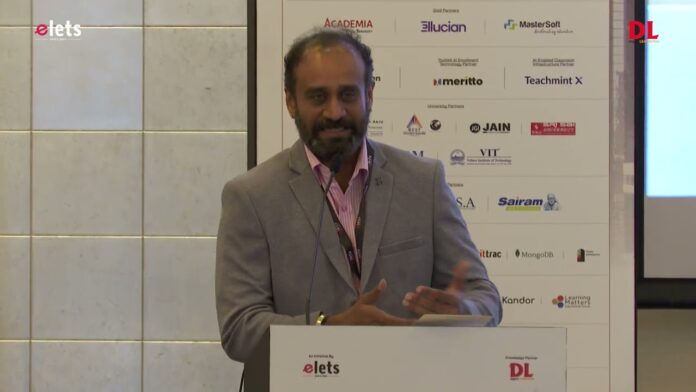
Education plays a pivotal role in shaping the future, but as the world evolves, so must our educational strategies. At the World Education Summit Dubai 2026, Sudarshan S, Assistant Director – Outreach & Public at Vellore Institute of Technology, shed light on the pressing need for empowerment in the education sector. With a focus on both K-12 and higher education, this discourse not only highlighted the achievements of VIT but also proposed transformative changes essential for nurturing students who are prepared for life, not just exams.
The primary focus of the discussion was empowerment, a cornerstone that supports both K-12 and higher education environments. Empowerment in education means placing students at the forefront of the learning process, an approach that is unfortunately becoming rare. By putting students first, educational institutions can ensure a more meaningful and impactful learning experience. The traditional rote learning system prevalent in frameworks like CBSE and ICSE in India, which often focuses on memorization rather than deeper understanding, needs a paradigm shift. Preparing students for life, rather than just board exams, should be the ultimate goal.

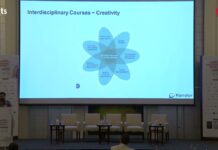
A compelling aspect of the presentation was the introduction of a flexible credit system, a revolutionary concept in higher education, which VIT has successfully implemented. This system allows students the freedom to explore multi-disciplinary studies. Inspired by changes following India’s National Education Policy 2019, students can now pursue majors and minors across diverse fields, an opportunity that was previously unheard of in India. Such a model fosters interdisciplinary and trans-disciplinary learning, enabling students to pair subjects like physics and music or electrical engineering and computer science for a comprehensive educational experience.
Another significant challenge in the current educational landscape is the growing disconnect between educators and students, particularly the Gen Z cohort. The gap lies not only in communication but also in understanding. Instructors need to upskill both intellectually and socially to bridge this divide. Without a concerted effort to synchronize with the new generation, the effectiveness of teaching will continue to diminish. Efforts should focus on reducing the academic fraternity’s gap with students, rather than solely emphasizing the industry-academia disconnect.
Also Read: Navigating the Future: Solving the employment puzzle in a rapidly changing world
The dialogue echoed the urgency to modernize education frameworks worldwide. Empowerment of students, flexible learning structures, and closing generational gaps in understanding between educators and students stand out as pivotal areas for growth. As India and other nations adapt these innovative strategies, we pave the way for an education system that prepares students not just for exams, but for a successful journey through life. The dedication of institutions like VIT exemplifies the commitment required to bring about this transformation. For education to be truly transformative, these changes must be embraced and implemented at every level, ensuring that we nurture the leaders and thinkers of tomorrow.