Home Blog Page 129

IIT Indore launches BTech in Engineering Physics

Indian Institute of Technology, Indore

BTech in Engineering Physics is a new course that was just introduced at the Indian Institute of Technology, Indore. Beginning with the 2023 academic year, IIT Indore will accept applications for the BTech in Engineering Physics programme. JEE Advanced Ranking will be used to determine admission to the BTech in Engineering Physics programme.

In addition to IIT Indore, BTech in Engineering Physics is also offered by IIT Bombay, IIT Delhi, IIT Guwahati, and IIT Madras. A five-year integrated MTech course in engineering physics is offered at IIT BHU.

BTech in Mathematics and Computing – Course structure and seats, Eligibility Criteria

The length of this course is four years, divided into eight semesters. A total of 19 credits are included in semester 1, and 21.5 credits are included in semester 2. The total credits for semesters 3 and 4 are 22/25 and 21.5/24.5, respectively. The total credits for semester 6 are 22, compared to 19.5/22.5 credits for semester 5. Maximum credits for semesters 7 and 8 are 18 and 15, respectively.

Students must complete two one-credit internships during their fourth year in order to graduate. Additionally, each semester, students are given a variety of elective classes to pick from. While subsequent semesters feature elective classes with 2 or 3 credits, Semesters 1 and 2 only have electives worth one credit each.

Admission to the programme will be done on the basis of JEE Advanced score. Additionally, candidates must have completed class 12 (or equivalent) examination from any recognised state or central board.

Career scope in BTech in Engineering Physics

Medical physics, data science, nuclear science and engineering, solar cell technology, energy conversion and storage, optoelectronics and photonics, quantum computing and technology, high energy physics, detector technology, and spintronics and memory devices are just a few of the career options this subject offers.

Assessing Market Potential and its Impacts on the Education: A Vision for Growth

Nirmal Singh

“Our primary focus in the education economy has been to assess the total addressable market and the total serviceable market. Moreover, we aim to examine how organizations can impact students and contribute to the economy through positive outcomes”, shared Nirmal Singh, Founder & CEO, Wheebox.

“India presents a fascinating market scenario, with approximately 83% of students enrolled in K-12 education. It is intriguing to contemplate the potential that awaits us in the next 10 years when these students enter the job market. The opportunities they create and their contribution to the economy will be substantial”, he added.

“Furthermore, higher education holds a significant market share, but vocational education is poised for tremendous growth in India. Currently, vocational education accounts for only 3% of total student enrollment. However, this sector is expected to experience a significant boom. Additionally, online education in both K-12 and vocational sectors presents enormous growth potential for edtech companies, system integrators, and universities”, he further added.

“By recognizing the percentages—3%, 14%, 11%—we understand the substantial economic impact that companies entering these spaces can achieve. This growth potential extends beyond India and includes the Middle East and North Africa region as well”, said Singh.

“When we consider the decade ahead, specifically from 2020 to 2030, we see tremendous opportunities in the Middle East and North Africa market. Our analysis primarily focuses on the period up until 2020 and 2022, during which the acceptance and adoption of online learning experienced significant growth. Although the full transition to online education fluctuated as schools and colleges gradually reopened, reports indicate that by 2030, this market will generate approximately nine billion dollars in revenue from online learning, including online simulations and assessments”, he added.

“Our approach involves viewing the market through a ten-year lens, allowing us to strategize and make a substantial impact on the digital transformation of education in India. We collaborate with over 430 large and medium-sized enterprise customers, providing assessment solutions for their hiring processes. Additionally, we work closely with approximately 250 to 260 higher education institutions to enhance their learning methods and facilitate entrance examinations. One of our notable initiatives is the India Skills Report, a collaborative effort between VBox, the Ministry of Skills, the Ministry of Education, Pearson, Amazon Web Services, the Confederation of Indian Industry, and PeopleStrong. This report assesses the employability index of students in higher education and vocational institutions through a comprehensive 90-minute test. Simultaneously, we gather hiring intent data from over 150 to 160 large corporations. Combining these insights forms the India Skills Report, which serves as a vital resource for the education and industry sectors”, he added further.

“Building upon this success, our next endeavor aims to create a GCC Skills Report, specifically tailored to countries in the Gulf Cooperation Council. We will engage candidates preparing to enter the job market and inquire about their employability, while also consulting employers in the GCC market to gauge their hiring intentions. This data will drive our future strategies and cater to the specific needs of the region”, shared Singh.

“India’s employability index has witnessed remarkable growth, increasing from 40% to 50% over the past six years. This trend signifies India’s ability to produce a significant proportion of employable talent, which directly contributes to the country’s GDP growth. We aspire to replicate this success in the GCC countries, employing a robust sample size and a comprehensive approach to enhance the employability landscape in the region”, he concluded.

Manipal Institute of Technology launches B.Tech in Mathematics and Computing

Manipal Institute of Technology

The Department of Mathematics in collaboration with the Department of Data Science and Computer Applications has created and launched the B. Tech in Mathematics and Computing undergraduate programme at Manipal Institute of Technology, a constituent unit of Manipal, MAHE, one of India’s top higher education institutions.

The topics from mathematical, computer science, and statistical applications were combined to create this programme. It was introduced by Professor Arthur T. Benjamin during his visit to MAHE on March 3, 2023, and will be put into use starting with the 2023–2024 academic year.

This program’s objective is to provide graduates with both theoretical understanding and hands-on experience in scientific, statistical, and mathematical computing. The main focus of this programme is to give students a solid foundation in classical topics to get them ready for research institutes and programmes both in India and abroad. To prepare graduates for the workplace and help them land lucrative jobs at reputable companies, the programme places an emphasis on both basic subjects and particular themes.

Dr. (Cdr) Anil Rana, Director of Manipal Institute of Technology, MAHE, commented on the introduction of the new programme, saying, “Through this new programme, we intend to provide training in the application of mathematics to a wide range of situations. This programme was created as a result of the realisation that both contemporary scientific research and technological advancement require the use of profound mathematics. By opening positions with the Indian Statistical Services Commission (ISSC), National Sample Survey Organisation (NSSO), Ministry of Statistics & Programme Implementation (MOSPI), Union Public Service Commission (UPSC), and Statistical Officer (SO) in States Public Service Commission, among others, we hope that this course will assist students in expanding their career prospects.

Key features of the courses:

  • Duration of the program: 8 semesters
  • The graduates will gain theoretical knowledge of and practical training in mathematical, statistical, and scientific computing
  • Open Electives from various departments across the institute during 5th, 6th, and 7th semesters
  • Program Electives from the Department of Mathematics, Department of Computer Science & Engineering, Department of Data Science & Computer Applications
  • Minor Specializations focussed on contemporary themes: Applied Mathematics, Advanced Mathematics, Information Management and Analytics, Business Management, and Finance & Security Analytics
  • Meritorious students with CGPA 8.5 and above at the end of the 5th semester can also opt for B.Tech. Honour

Aligning Education with Global Industry Ecosystem: Reforms, Collaborations & the Road Ahead

Aligning Education with Global Industry Ecosystem

In today’s interconnected and rapidly evolving world, it is crucial for education to align with the global industry ecosystem. The panel discussion on “Aligning Education with Global Industry Ecosystem: Reforms, Collaborations & the Road Ahead” at the World Education Summit in Dubai aims to explore the strategies and initiatives required to bridge the gap between education and industry. Edited excerpts:

Kinnari Kotecha, Faculty Business Administration & Teacher Trainer, Ministry of Education, Dubai, UAE (Moderator) shared,” I have divided this topic into four simple points: skills, vocational exposure at the university and higher education level, industrial partnerships, and employability skills. Through my research and surveys, I have discovered that there is a significant gap in employability skills among graduates in various countries, including the US, UK, Singapore, and India. This issue is a global challenge, and we are discussing the fact that graduates and higher education students are lacking the necessary skills to perform their job roles effectively.”

Philip Quirke, Executive Dean – Faculty of Education, Higher Colleges of Technology, Ras Al Khaimah, UAE shared, “To be honest, the introduction of coding into the curricula of higher colleges and federal universities was not recent. It was mandated by the government six years ago, and most of us complied with this requirement. Along with coding skills, we were also required to teach entrepreneurship and innovation, which was typically covered in a General Studies course.”

“Today, we are seeing a higher level of coding skills among students, which allows us to specialize and find equivalents to those General Studies courses. For instance, in early childhood education, we are partnering with others to introduce coding courses for young learners. The same goes for entrepreneurship, innovation, and sustainability, which were once part of the higher education curriculum but are now being taught at the school level. This trend shows maturity in the education system. In addition, we engage with industry partners through advisory councils, academic committees, and industry programs to develop curricula that are relevant to them.”

“In our country, we have a close working relationship with our industry partners. However, we need to reflect on history and ask if industries are avoiding their own training responsibilities. We cannot simply rely on high schools to produce super students with skills that took most of us until we were in our thirties or even later to develop. We must find new ways to collaborate and work together to address this issue. One promising approach is to break down learning objectives into micro-credentials and embed industry-relevant certifications into educational programs.”

“For example, our IT program has six different industry certifications integrated into it. We need to stop pointing fingers and work together to achieve great education. This summit is an excellent opportunity for collaboration among industry, schools, and higher education. We must communicate and collaborate rather than focus on shortcomings. By doing so, we will avoid letting our learners down. Let us not expect the new generation to be superhuman, but rather recognize that they are super in their way.”

Dr. Hanadi Kadbey, Head – Institutional Research & Effectiveness, Institutional Research and Effectiveness Department, Emirates College for Advanced Education, Dubai, UAE shared, “In the UAE, there is a current emphasis on apprenticeship programs, as directed by the Ministry of Education and the national qualification Center. This approach combines on-the-job training with technical classroom instruction, offering several benefits to students. By experiencing the work environment, students can cultivate essential skills and receive support from potential employers early in their career journey. The success of apprenticeship programs in countries like Switzerland has influenced this direction, where apprenticeship opportunities are introduced to children as early as grade four. By age 15, students can choose from 250 apprenticeship programs, preparing them with job-ready skills upon high school graduation. This approach aims to decrease youth unemployment, and by offering micro-credentials and focusing on apprenticeship, the UAE hopes to address any challenges that may arise.”

Dr. Indranil Bose, Vice President- Academics, Adamas University, West Bengal, India shared, “According to government statistics, there are presently over 41 million Indian students enrolled in higher education, which is a substantial number considering the population size of some European countries. India has over 1,000 universities, including 54 Central universities, 416 State universities, 125 deemed universities, and 361 private universities, as well as 159 institutions of national importance, such as IITs and IIMs.”

“The Indian government recently introduced the National Education Policy (NEP) in 2020, which aims to revolutionize the Indian education system. The NEP is a concurrent subject in the Indian constitution, which means that both the central and state governments can enact laws and regulations concerning it. Although many state governments have already accepted the NEP and plan to implement it, the task of implementing it in such a vast and diverse educational system is challenging.”

“One of the key aspects of the NEP is the mandatory implementation of industry-integrated programs in universities. Many universities, including private and government institutions, are already implementing these programs, and multinational companies such as Infosys, Wipro, TCS, and Microsoft are collaborating with Indian universities for this purpose. Even companies in sectors such as logistics, supply chain, and aviation are participating in large-scale internship programs with Indian universities. Presently, approximately 69,000 Indian students are participating in such internship programs with Fortune 500 companies.”

“The NEP also emphasizes the importance of improving the curriculum, introducing multiple entry and exit options, and improving the accreditation system to make Indian qualifications more globally employable. Despite the challenges of implementing these changes in such a vast and complex political structure, the speaker believes that positive change is on the horizon.”

Prof. Joseph Wallis, Dean, School of Business, American University of Ras Al Khaimah, UAE, shared, “The saying “the more things change, the more they stay the same” seems to apply to employers and their interest in soft skills among students. As the dean of a business school at an American-style university in Ras Al Khaimah, I have observed that 25% of the courses offered are general education courses that help students develop these skills during their first and second years.”

“However, I am concerned about reinforcing and further developing these skills as students progress through our business courses, major electives, and requirements. To address this, we have built the development of soft skills into our mission and program learning outcomes, reflecting what employers are seeking in potential employees. We also assess students to ensure they have retained these skills upon graduation, identifying areas for improvement and reinforcing them through active engagement in the classroom, such as through teamwork, simulations, and competitions. While this may be a familiar story to many universities in the region, we place a high emphasis on developing thoughtful, collaborative, creative, responsible, critical thinking, and initiative-taking students.”

Future-Ready: Preparing Today’s Learners for Tomorrow’s Workforce & Skills

Future-Ready

The rapidly evolving job market demands a new approach to education that prepares students for the challenges and opportunities of the future. The panel discussion on “Future-Ready: Preparing Today’s Learners for Tomorrow’s Workforce & Skills” at the World Education Summit in Dubai aims to shed light on the essential skills and competencies needed for success in the workforce of tomorrow. Edited excerpts:

Prof. (Dr.) Tabrez Ahmad, Founder and President, Technolex & Former Vice Chancellor, GD Goenka University, Gurugram, India shared, “During the pandemic, many universities and colleges suffered due to their lack of readiness for online education and the use of technology. Only 30% of colleges were fully prepared and experienced in handling online systems and online journals. As a result, 70% of colleges suffered losses for two years, and both students and faculty had to adapt to the new ways of learning. Looking ahead to the future of education, there will be Education 5.0 and Industry 5.0 by 2050. This means that changes in curriculum, pedagogy, and infrastructure are necessary, as well as training for faculty to ensure they are fully prepared for the future. The focus on physical campuses will become less relevant, and digital libraries and campuses will become more prevalent.”

“However, with the rise of AI, there is a concern about who will own the property rights of the innovative works created by AI. Blockchain, AR, VR, and video games are all playing a significant role in the future of education and technology, and it will be essential to bring empathy into these technologies to compete with human intelligence.”

Kanwar Tushar Punj, Pro-Chancellor, Sri Sai University, Himachal Pradesh, India shared, “There are several key forces that will shape the future. Firstly, the technological advancements that have occurred since the onset of the COVID-19 pandemic have caused universities to update themselves by around five to seven years ahead of schedule. Demographic shifts, such as ageing populations and the emergence of younger nations, will also play a significant role in driving future decisions. Rapid globalization and shifts in economic power are other factors that need to be taken into account. Furthermore, there is a growing demand for a skilled workforce, particularly in areas such as startups and sustainable development, in many emerging countries. Finally, we need to be socially responsible by addressing climate change and the scarcity of resources that we are likely to face in the future.”

Mehrdad Mohasses, Director, The Centre for Teaching and Learning, Amity University, Dubai, UAE shared, “Discussing how we can prepare our students for the future is a complex and extensive topic that cannot be adequately addressed in a short period. However, I do agree that technology plays a crucial role in preparing students for the future. Nonetheless, it’s important to note that technology is merely a tool. The skills we equip our students with, such as self-discipline, independence, and active learning, are crucial to prepare them for a gig economy where they may have to work independently. Regrettably, the current curriculum doesn’t adequately cover these crucial skills, instead, it focuses on finding one correct answer, which stifles creativity and discourages collaboration. Furthermore, we struggle to integrate and evaluate soft skills in our curriculum. As technology continues to evolve, we must focus on teaching soft skills to students since everyone will have access to the same technology in the future. This is a global issue that many educational institutions face, and while we claim to integrate these skills into the curriculum, we lack the means to assess them and verify that we are adequately covering them.”

Smriti Irani launches early child education modules

Smriti Irani launches

The early childhood care and education (ECCE) modules for children between the ages of 3 and 6 enrolled in anganwadi centres were introduced by Union Women and Child Development (WCD) Minister Smriti Irani. She also noted that the Centre has begun training anganwadi employees for it.

The “Poshan bhi padhai bhi” modules were introduced in accordance with the national education policy (NEP) 2020, which places an emphasis on early childhood care and fundamental learning while emphasising that over 85% of a child’s cumulative brain development occurs before the age of six.

ECCE Task Force was established by the WCD ministry, according to Irani, who spoke to the media during the launch. The Task Force has already filed its report and advised training anganwadi workers in the module.

“Its recommendations included capacity-building through a 3-day in-person training, follow-up refresher training, new Teaching Learning Material (TLM), including activity books and toys, and a workshop on usage and creation of toys,” she said.

The WCD minister stated that the goal is to expand the role of anganwadi centres beyond simply serving as nutrition centres to include educational institutions. In the nation, there are over 14 lakh anganwadi centres that serve 10,02,60,464 clients. According to Irani, 600 crores are being suggested as an allocation for the Poshan Bhi Padhai Bhi training programme.

Over 1.5 million parents took part in the endeavour to test the audiovisual and educational material, which is being tested in about seven states. In order to ensure that the state government does not construct the training programme for the “Poshan Bhi Padhai Bhi” module in isolation, the ministry under the Office of the Secretary WCD also held conferences electronically and in person with state government representatives, she added.

The Ministry of Social Justice and state ministries will work together to create educational materials for kids with special needs in the interim.

“The anganwadi help workers can help create new methodologies of engaging with children who are divyang (specially abled) with regards to early childhood development,” she added. “They can also assist in counselling parents so that their children can come to anganwadi.”

Innovations in Online Learning: How Colleges Are Adapting to the Digital Age

mrinal

Online education which seemed like an alien concept is now a par for the course owing to the pandemic years. Colleges and universities are adapting this form of education a little more every day and also working on optimizing its use and utility as they go along this journey. Many colleges are augmenting their online course offerings by developing new online courses or converting traditional courses into online formats to meet the changing demands of students.

Colleges are utilizing VR and AR technologies to create immersive learning experiences. Students can participate in virtual labs, simulations, and field trips, providing them with hands-on learning opportunities without being physically present on campus. Besides this many colleges are adopting blended or hybrid prototypes, which combine online learning with in person instruction. This allows students to have the best of both the worlds.

Colleges are harnessing various technologies to aggrandize the online learning experience. This includes using learning management systems (LMS) that expedite and simplify course management, student engagement tools such as discussion forums and virtual classrooms, as well as including multimedia elements such as videos, simulations, and interactive content into online courses.

LMS platforms are widely used in online studies to manage course content, assignments, assessments, and student progress. Many colleges are adopting modern LMS solutions that provide intuitive interfaces, mobile compatibility, and analytics to track student engagement and performance.

Adaptive learning technologies are being used to personalize the learning experience for individual students. These technologies use data and analytics to identify the strengths and weaknesses of students and provide customized learning paths to meet their distinct needs.

AI is being used in online studies to provide personalized learning experiences. Adaptive learning platforms use AI algorithms to analyze a student's learning patterns and provide tailored feedback and recommendations to enhance their understanding of the material. Moreover colleges are using virtual labs and simulations to provide interactive learning experiences in online courses that traditionally required physical presence in a lab. Virtual labs and simulations allow students to conduct experiments and practice skills in a safe and controlled online environment.

Incorporation of gamification elements into online courses is another norm being followed by colleges and universities to increase student engagement and motivation. Gamified learning platforms use game-like features such as badges, leaderboards, and rewards to encourage students to complete assignments, quizzes, and other learning activities. Colleges are also utilizing simulations and interactive content, such as virtual labs, interactive videos, and multimedia presentations, to create engaging and interactive learning experiences. These technologies allow students to explore complex concepts and apply their knowledge in a practical manner.

Online education is likely here to stay, after the COVID-19 pandemic this phenomenon has been adopted at an accelerated pace and many colleges and educational institutions have invested in infrastructure, resources, and technology to offer online learning options. It undoubtedly has its challenges like the need for dependable internet access, concerns about academic integrity, and the importance of social interactions; it has become an established and evolving form of education.

Views expressed by Mrinaal Mittal, Director, Unity Group

Revitalising Higher Education through Emerging Technologies: Current Trends, Proven Strategies, and Challenges

Revitalising Higher Education

Higher education is constantly evolving, and emerging technologies are playing a pivotal role in reshaping the landscape of learning and teaching. This dynamic panel discussion will delve into the exciting realm of how emerging technologies can revitalize higher education institutions. From artificial intelligence and virtual reality to blockchain and data analytics, the panelists explored the current trends, proven strategies, and the inherent challenges in integrating these technologies effectively at 25th Elets World Education Summit in Dubai. Edited excerpts:

Dr. Leena Wanganoo, Discipline Lead in Business, Murdoch University, Dubai, UAE shared, “The topic of technology and education has gained significant importance in recent times, particularly after the Covid-19 pandemic. The sudden shift from traditional face-to-face teaching to a hybrid model has posed various challenges for educators and learners alike. These challenges have become particularly pertinent to discuss because of the emergence of advanced technology such as Chat GPT. This is an opportune time to discuss the transformation of higher education and how we can reinvent ourselves to meet the changing needs of our students. We must refine and redefine our entire strategy for higher education to ensure that we adequately prepare students for the future.”

Dr. Sudhindra Shamanna, Academic President, Manipal Academy of Higher Education, Dubai, UAE shared, “Firstly, I want to take a slightly philosophical perspective and discuss how we can use technology without being replaced by it. In my opinion, it’s not a question of whether technology will replace most of our traditional teaching methods in higher education, but rather a matter of when it will happen.”

“Secondly, I would like to focus on how quickly and effectively we can integrate technology into our traditional teaching methods, and how it can augment and enhance our teaching practices. This integration will depend on the maturity and sophistication of these platforms. We have heard a lot about fantastic services available in the form of technology, including the latest addition of Chat GPT. However, as academicians, we need to focus on understanding how these tools can be useful in our daily operations and how we can address the challenges associated with them. In this regard, there is still a lot of work to be done from an academician’s perspective. Addressing these issues will enable us to use technology more effectively in our teaching practices.”

Prof. Rao Bhamidimarri, President, Institute of Advanced Research(IAR), Gujarat, India shared, “Technology has been present in education for a long time, particularly in the field of Information Technology (IT), which started with the emergence of platforms like Web CT and Blackboard in the early 1980s. Although the level of technology varied across different fields of study, COVID-19 has accelerated its use. However, it’s essential to note that emerging technologies, current trends, proven strategies, and challenges play a crucial role in effectively integrating technology in higher education.”

Jan Horn, Managing Director, SAE Institute, Dubai, UAE shared, “We live in an exciting time where technological advancements happen every day, and chat GPT is the buzzword of the moment. However, technology in education is not new; it has been around since the days of ink on paper. The theme of this panel discussion is revitalizing education, but it’s more about catching up with technological advancements because technology will always be one step ahead of our ability to adapt it to our schools and educational institutions. We will always find better ways of transferring knowledge, and I am looking forward to discussing the challenges and opportunities that lie ahead.”

INIs to be brought under the Higher Education Commission of India

IIT

The proposed single higher education regulator, the Higher Education Commission of India, is expected to include Institutes of National Importance (INIs), such as IITs, IIMs, NITs, and IISERs, according to the reports.

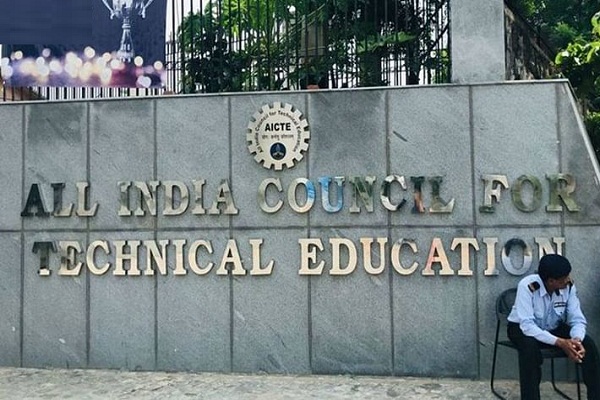
At the moment, neither the University Grants Commission nor the All India Council for Technical Education (AICTE) have any authority over central universities (CUs) or INIs (Institutes of National Importance), which are administered by their respective Acts of Parliament. The IITs, IIMs, and NITs deal with the ministry directly on financial problems, whilst the central institutions continue to depend on the UGC for the release of their budgetary funding.

Sources claim that the Education Ministry contemplated include INIs and BUs inside the proposed HECI’s purview while considering the various laws and capabilities of the proposed institution. If the government goes through with the plan, it will undoubtedly give IIMs heartburn because they have been fiercely protective of their autonomy, especially since the IIM Act was passed.

The potential of placing all technical education institutes under the authority of HECI was raised at a presentation by the then-AICTE chairman Anil Sahasrabudhe in December 2021, according to an IIM director who spoke on the condition of anonymity. However, a few IIM directors together submitted a letter to the ministry rejecting the concept in the first few months of 2022.

There are currently 160 INIs, including AIIMS, IITs, NITs, and IIMs. These institutions are able to confer degrees, hold their own examinations, and receive government money. They are also administered by their own senates or boards of governors, but the government does participate to some extent.

ixamBee raises 11 Crore in pre-Series led by S Chand & Co., IP Ventures, and Others

ixamBee

ixamBee, a well-known online learning platform that specialises in career preparation for students from small towns, was successful in securing equity funding totaling INR 11 Crore. Famous investors, including S Chand & Company, IPV (Inflection Point Venture), Mukesh Sharma Family Trust, Keiretsu Forum, SAN Angles, Mumbai Angels, and Keyur Joshi (co-founder of MakeMyTrip), have contributed to the investment. The investment deal also included a $3 billion secondary transaction. Chandraprakash Joshi, Arunima Sinha, and Sandeep Singh launched ixamBee with the goal of helping students in small towns prepare for tests for employment that are primarily in the government.

ixamBee tackles the issue encountered by students from Tier II and III cities, small towns, and villages who have limited access to high-quality education, with around 80 million graduates in India preparing for diverse occupations in the public and commercial sectors. The platform has a freemium business model and provides free practise examinations for more than 100 exams. Over 12 million students have currently used ixamBee, and 1.9 million of those students have enrolled on the platform.

S Chand & Company and Inflection Point Venture have joined ixamBee as investors, said Chandraprakash, Co-Founder and CEO of ixamBee. “We are thrilled to have S Chand & Company and Inflection Point Venture join ixamBee as investors,” he said. We observe strong business synergies with S Chand being a renowned publishing organisation for competitive exams. Furthermore, the IPV’s current corporate network will be crucial in supporting student employment in the private sector. The reach of ixamBee Learning Experience (iLX) will rise significantly as a result of this relationship. The money generated will be used to fuel expansion by introducing more learning programmes, making investments in content creation, marketing campaigns, and technological advancements.

S Chand & Company underlined the business overlaps when they announced the funding. We are thrilled to be a part of ixamBee’s mission to bridge the gap between higher education and employability by enabling students for employment opportunities in both the public and private sectors. The focus on offering semi-urban and rural students quality and cheap education chances is exactly in line with S Chand’s objective of providing quality and accessible educational possibilities. According to Mr. Himanshu Gupta, Managing Director, S Chand Group, “We identify several synergies with ixamBee in terms of content development, marketing, and meeting the aspirations of the country’s future workforce.”

The Founder and CEO of Inflection Point Venture, Vinay Bansal, recognised ixamBee’s enormous potential in the expanding ed-tech market. He said, “The ed-tech market for higher education is one of the fastest-growing categories within the business and continues to increase significantly. The market opportunity for ixamBee is expanding as thousands of candidates take competitive exams each year. Millions of students are using the platform to access exam papers and study resources as they get ready for their futures. We decided to invest in the company because we connect with its mission.

LATEST NEWS