
Home Blog Page 368

A brief reflection on the new national education policy

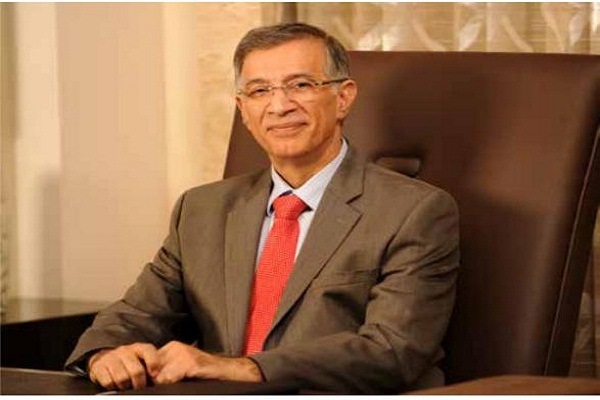
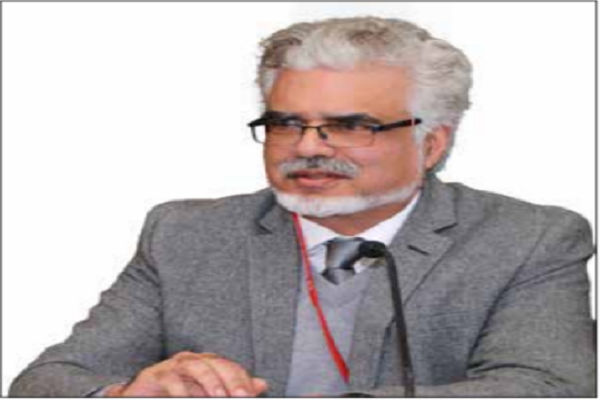
Dr. Aditya Malik

The policy promises to transform the very idea of education and learning into a process of self discovery, independent and critical thinking, creativity and the expansion of both the intellect and vocational, hand-on skills says Professor Dr. Aditya Malik, VC, KR Mangalam University, Gurugram in a conversation with Elets News Network (ENN).

The New Education Policy is a remarkably forward and progressive charter that lays out the future of education in India in an inspiring and far-reaching direction. Although a number of key features of the policy have been discussed – an indeed practised – by some educationists and educational institutions for several years, even perhaps for decades these have not been enshrined in an explicit manner in a national policy document until now. Some of these key features include the emphasis on trans-disciplinarily, experiential learning, teaching in regional languages, project-based learning, designing one’s degree from across different disciplines, an innovative ‘exit and entry’ system and so on. The policy promises to transform the very idea of education and learning into a process of self-discovery, independent and critical thinking, creativity and the expansion of both the intellect and vocational, hand-on skills.

Also read: Industry experts laud National Education Policy 2020

The NEP thus lays down the parameters for both the content as well as the method of providing education and learning. While historically speaking there have been varied systems of imparting education, the root impulse of an educational system – no matter what the origin of the system may be – must be the spirit and practice of rigorous enquiry into the inherited assumptions concerning a particular question, subject or field of research. A philosophical enquiry into what it means to be human and the relationship that human beings have to other human beings and their social and physical environment is the beginning of all other fields of enquiry and diverse academic disciplines. This was certainly the case in two of the most significant educational systems that arose in the world – in Greece with thinkers such as Pythagoras, Socrates, Plato and Aristotle; and in India, particularly at Nalanda, with thinkers such as Nagarjuna, Dignaga, Dharmakirti and Shantideva. It is such an enquiry that led to a sustained and deep interest into both material and nonmaterial features of the world. Other disciplines such as physics, astronomy, mathematics, law, history and so on, therefore, arose initially out of a rigorous philosophical enquiry. In a sense, one could state that the disciplines we are familiar with today were part of an integral system of knowing, understanding and acting in the world that arose out of an enquiry into the nature and substance of what it means to be human both in the social as well as in the material world.

The NEP in its quest for a holistic, fluid and ‘real-world’ connection promises to take us back to the original substance of learning and education that anchors a student in a deep understanding of the nature of ‘self’ and its relationship to ‘world’. In essence, then the NEP has set itself the significant task of not only re-imagining education but also – once implemented – the reimagining of what it means to be a human being-in-the-world.

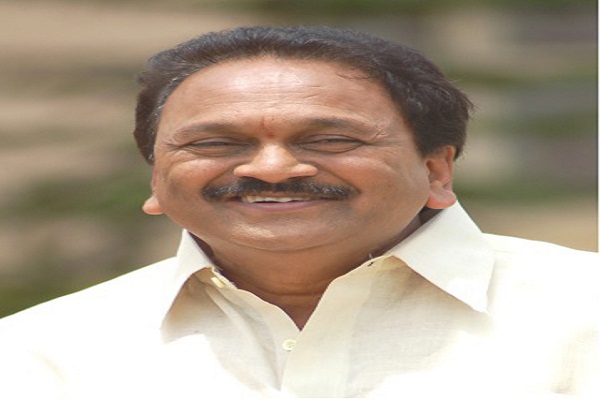
Gokaraju Rangaraju Institute of Engineering and Technology

Gokaraju Rangaraju Institute

Gokaraju Rangaraju Institute of Engineering and Technology (GRIET), was established in 1997 with a mission “impart quality education with an emphasis on practical skills and social relevance”. GRIET is approved by AICTE and is permanently affiliated to Jawaharlal Nehru Technological University, Hyderabad. The institute offers NINEB.Tech and SIX M.Tech Programmes.

Distinctions: The College is accredited by NAAC with “A” grade and has NBA accreditation for 06 UG and 04 PG programmes. The College was accorded Autonomous status by UGC and JNTUH Hyderabad. The college is one among 25 private institutes to have been awarded TEQIP-II grant supported by World Bank.

Awards of Excellence: The College was ranked at 172nd Place in 2020, 179th place in 2019 and ranked amongst 151-200 rank band in 2018& 2017 in Engineering and also in Overall categories released by MHRD, under NIRF. GRIET is recognized as a Top Private Engineering Institution in India by prominent ranking agencies like Times of India, India Today, The Week, Competition Success Review, The Knowledge Review Magazine, Higher Education Review, Careers 360, Career Connect, Education World and Sarvagyan. The honours include Best Student Project (2017), Best Engineering College (2009), Best Engineering Principal (2009,2014), Best Teacher (2014), Best student (2007, 2008, 2014) by ISTE – AP Section.

Also read: Malla Reddy Engineering College for Women one of the best in industry

Research & Development: Department of Mechanical Engineering has been recognized as potential research centers by the university. The Institute is carrying out a good number of minor and major research projects funded by AICTE / UGC / DST / DRDO / BRNS / AR & DB / MSME. The Institute supports faculty and students to conduct research projects at various Levels promoting academic and professional development. DSIR has conferred SIRO recognition to Gokaraju Rangaraju Educational Society.

Training & Placements: Our students have been placed in some of the top companies in the IT and core industries. Corporates like TCS, CapGemini, Infotech, IBM, Intergraph Consulting, Tech Mahindra, Deloittee, CGK Technologies, Amazon, FMC Technologies regularly recruit our students.

Alumni Association: GRIET is proud of its Alumni network spread across the globe. The network is ripening yielding fruitful results to the growing student body of the institute. Some Rankings and Recognitions:

1. India Rankings 2020 by NIRF of MHRD: 172ndRank in Engineering Category by National Institutional Ranking Framework (NIRF) 2020 by MHRD, Government of India.

2. Times of India:

  • 3rd Rank in Top 25 Private Engineering Institutes in Telangana 2019
  • All India 44th Rank in Top 140 Engineering Institute Rankings 2019
  • All India 33rdRank in Top 100 Private Engineering Institute Rankings 2019
  • All India 42ndRank in in Top 50 Private Institutes in India for Best Placements Rankings

3. Education World:

ELETS Digital Learning Magazine: Ranked AAAA+ in “Top Engineering Colleges 2019” by ELETS Digital Learning Magazine.

The Knowledge Review Magazine: Received 3rd Rank in “The Top 20 Best Institute of the Year 2019”.

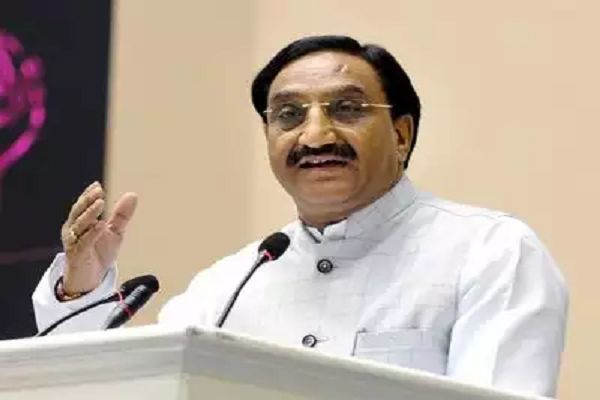
Ramesh Pokhriyal extends greetings on International Literacy Day

Minister Ramesh Pokhriyal

Countries across the world celebrate International Literacy Day today. International Literacy Day-2020 will focus on Literacy teaching and learning in the COVID-19 crisis and beyond with a focus on the role of educators and changing pedagogies. The theme will highlight literacy learning in a life-long learning perspective and mainly focus on youth and adults.

On the event of International Literacy Day 2020, Union Education Minister Dr. Ramesh Pokhriyal Nishank tweeted “There can be no joy greater than reading and no friend greater than knowledge” Hon’ble PM Shri @narendramodi On this #InternationalLiteracyDay, we promise to work in direction of attaining 100% literacy by complying with the reforms throughout the National Education Policy 2020.”

This day was declared International Literacy Day by UNESCO on 26th October 1966 at the 14th Session of UNESCO’s General Conference. It was celebrated for the first time in 1967 and its main aim is to highlight the importance of literacy to individuals, communities and societies.

Also read: Ramesh Pokhriyal extends greeting on Teachers’ Day

Every year UNESCO also picks up five countries which have made best efforts to promote literacy and this year Ghana, Mexico, Nepal, United Kingdom and Yemen received the award.

Haryana to conduct trial classes in two schools

Haryana

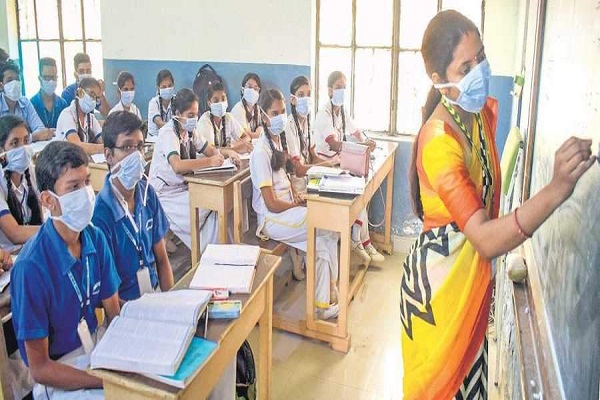
To bring back students to school, the Haryana government has decided to start classes for students of Classes 10 to 12 in two state-run schools in Karnal and Sonipat districts on a trial basis. These two schools are – Government High School in Sonipat’s Bazidpur Saboli village and Government Senior Secondary School in Nigdhu village in Karnal, the education department officials said.

A vast majority of the parents gave their written consent to the decision and it has been sent to the education department, they said. Some parents said as their children have to appear in board examinations and despite best efforts of the teachers during online classes students are still left with doubts which can be cleared in face-to-face interaction.

Also read: Admission process for UG courses begins in Haryana

Haryana Education Minister Kanwar Pal told that the state government was ready to open schools across the state once the Centre gives its nod. He said the state authorities will need a few days to work out the modalities in view of the ongoing Covid pandemic once the nod comes.

In a letter to District Education Officers (DEOs), the Directorate of School Education had mentioned about Central government’s guidelines under “Unlock-4”, which permit students of Classes 9 to 12 to visit their schools outside the containment zones on a voluntary basis, to consult their teachers and take their guidance.

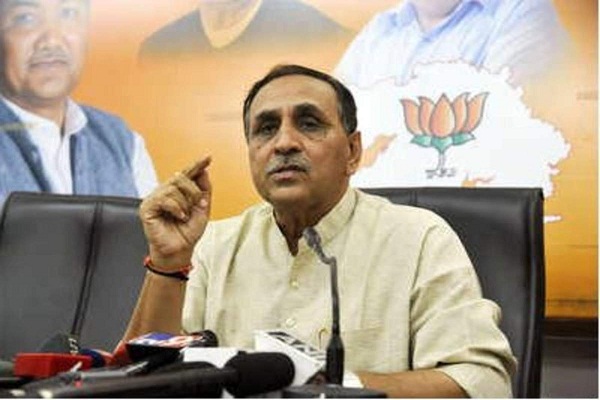
CM Rupani: Gujarat will be first to implement NEP 2020

CM Rupani

In a major development, Gujarat Chief Minister Vijay Rupani said his government aims to become the first to implement the National Education Policy (NEP) 2020. The state will soon form a task force to create a road map for the same.

“The new NEP has been translated into Gujarati, and a task force is being formed to make a road map for Gujarat soon,” the chief minister said.

The CM said On the basis of this road map, the state will make drastic changes in education, right from primary to secondary and higher education, from KG to PG.

“Gujarat should become the first state to implement the education policy. We should move ahead fast to become a role model for the creation of India of the future,” Rupani said.

Also read: HSNC University lauds the National Education Policy 2020

“In the age of industrialisation when people care only about themselves and their careers, it is teachers who, despite being paid low salaries, create a new generation and prepare people to take care of India of the future,” he said.

It is because of the strength of teachers and schools in the state that his government has “reversed the trend” whereby parents are shifting their children from private to government schools, the chief minister said.

Malla Reddy Engineering College for Women one of the best in industry

mala

Malla Reddy Engineering College for Women (Autonomous) is a constituent College of Malla Reddy Group of Institutions (MRGI) founded by Sri. Ch. Malla Reddy, an eminent educationist and Hon’ble Minister of Govt. of Telangana State. The Group has 2 Medical Colleges, 2 Dental Colleges, 3 Pharmacy Colleges, 8 Engineering Colleges, 10 MBA & PG Colleges and several schools with more than 50,000 students, making MRGI the largest cluster of Institutions in Telangana, India. The MRGI is conveniently situated 30 km from the International Airport, Hyderabad.

Malla Reddy Engineering College for Women is established in 2008 and has a strong vision of offering world class training to the promising engineers. The college has achieved UGC Autonomous Status, Accredited by NBA, Accredited by NAAC with ‘A’ grade, Ranked by NIRF Indian Ranking-2020 & NIRF Indian Ranking-2018, accepted by MHRD, Govt. of India, Permanently Affiliated to JNTUH, Approved by AICTE, New Delhi, ISO 9001:2015 certified, 2(f) & 12(B) Recognised by UGC Act of 1956, AAA+ Rated by Careers 360 Magazine, AAAA+ Rated in “Top Engineering Colleges Survey-2019” by Digital Learning Magazine , Top 100 Institutions of India Ranking by ARIIA, MHRD, Govt. of India, National Ranking-Top 100 Rankband by Outlook News Magazine, National Ranking-Top 100 Rankband by TIMES News Magazine, National Ranking in Top 150 by India Today, 6th Rank in Oustanding Engineering Colleges Category by CSR, Platinum Rated by AICTE-CII Survey, Received “Best College of the Year2019 Award” by Education Matters, “College of the Year-2017 Award” from Silicon India Education, “ Best Engineering College in Telangana & A.P. Award” from International Education Awards, Time Cyber Media Pvt. Ltd., “Education Leadership Award” from Dewang Mehta National Education Awards & “Engineering Educators Award” from University of Bradford, U.K.

Also read: No charges for applying to colleges in West Bengal

The College offers B.Tech Programmes in ECE, CSE, CSEAI&ML, CSE-Data Science, CSE-Cyber Security, CSE-IOT, IT & EEE, M.Tech Programmes in Embedded Systems & Computer Science Engineering and MBA. MRECW emphasizes on Application Oriented Teaching & Problem Based Solving. Since the establishment of the College, it is known for academic excellence.

DU releases guidelines for open book examinations

DU

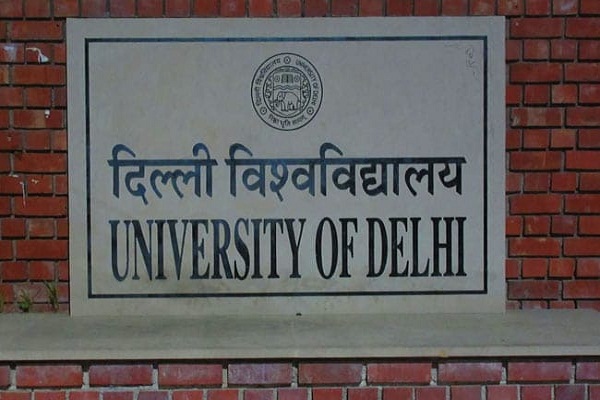
In a major move, Delhi University (DU) has released examination guidelines to ensure social distancing during the second phase of open book examinations. The exams are scheduled to begin from September 14.

In the guidelines, the university said that queue managers or ropes will be arranged to ensure minimum distancing between the candidates. A temperature check of all students and staff will also be conducted. Students will also have to sign an undertaking stating that they have no symptoms of COVID-19.

DU said that the sitting areas will be thoroughly sanitized before each shift of the exams and attendance will be taken manually using signature and unique paper code. Candidates will also be provided “a tray or a drop box” to keep their exam sheets after completion.

Also read: Delhi University launches integrated e-learning platform

To ensure social distancing, the university has said that the seating plans will be communicated through mail to avoid enquiry at the time of entry. Students will only be allowed to move out one by one after the exam is completed, the university said. In the DU guidelines, the university has asked candidates to “bring their own papers for writing their answers”. Students have been asked to carry hand sanitizers, gloves and face masks. The Delhi High Court, while hearing the writ petition against the open book examinations on August 17, directed DU to start conducting the second phase of the open book examinations in physical mode.

JIS Group aims of nurturing professionals in several fields

JIS Group

JIS Group has become now one of the largest educational conglomerates of Eastern India with its 30 Institutions, 140 programmes and 37,000 students under several specialisations. With an effort to inculcate quality pedagogy and create skilful professional of tomorrow, JIS Group offers teaching, training and research in various branches and specialised fields of Science, Engineering & Technology, Pharmacy, Management, Law, Social Sciences and Education.

With the main aim of nurturing professionals in several fields, JIS University came into force in 2015. Since its inception, JIS University has been the trusted selection for students, research scholars and eminent faculty members.“By staying true to the basics of teaching and traditional learning methods we have accepted modern technology-enabled teaching and learning practices for enriching Research & Development,” said a JIS faculty member.

JIS University provides teaching, training and research in various branches and specialised fields of Science, Engineering & Technology, Pharmacy, Management, Law, Social Sciences and Education. Besides the traditional undergraduate and postgraduate courses, there are integrated B.SC. Courses such as Physics, Chemistry, Geology, Biotechnology, Microbiology, etc. Other integrated courses such as BBA-MBA (H) and BBA-LLB (H) are also available. The University provides PhD programmes in various courses as well. “With the courses, we also cater to students skill development and offer foreign language classes to equip them for international student internships through various student exchange programmes under foreign universities,” said a member of the University.

Also read: Zaitoon Group: Education is not about marks rather it’s about acquisition of moral values

When asked about the accreditations and affiliations of the celebrated Eastern India University, an official said, “ We are duly accredited and affiliated by University Grants Commission (UGC), New Delhi; All India Council for Technical Education (AICTE), Bar Council of India (BCI), Pharmacy Council of India (PCI), National Council for Teacher Education (NCTE) and United Nations Academic Impact (UNAI) for all our courses and are also members of the Association of Indian Universities (AIU) since 2017.”

JIS Group also aims to provide learning possibilities and employment for the holistic development of individuals through their enhanced learning resources. The faculty members of all Institutes and departments encourage innovation, creativity and healthy interaction for a wholesome learning experience. “We have always encouraged innovation and invention among our students and thus have also recently launched IdeaO-Meter- our crowdfunding platform for fresh and bright ideas leading to entrepreneurship,” said a JIS Group trustee member.

The group has also won several accolades for their meaningful contribution in the field of education by recently being enlisted in the NIRF Rankings for 3 of their colleges including 2 Engineering Institutes and 1 in the field of Pharmacy. JIS College of Engineering and Narula Institute of Technology have been ranked in ARIIA (Atal Ranking of Institutions on Innovation Achievements) Ranking 2020. While JIS University has bagged awards in the Educational Excellence Awards by Zee 24 Ghanta for “Outstanding University in Eastern India” in 2018 and “Best University of Eastern India” for 2019 & 2020 for consecutively 3 years among many other accolades and recognitions.

Admission process for UG courses begins in Haryana

UG courses begins in Haryana

In the wake of Corona pandemic, Haryana Chief Minister, Manohar Lal Khattar virtually launched an online platform for admission in Undergraduate Courses in government aided and self finance colleges.  With the new platform, now students will be able to complete their entire admission process while sitting at home.

The Haryana CM also launched first of its kind educational Whatsapp chatbot ‘Apka Mitra’ to resolve any admission related queries of the students. Students are required to send a message on whatsapp chatbot number 7419444449 to get any information regarding admissions, scholarship.

A new web portal of Higher Education Department, website of 158 government colleges and online international journals namely Journal of Humanities and Social Science prepared by the department to promote research in the state was also launched by the CM during the event.

Also read: Gujarat University postpones exams for courses under UGC

While, giving a relief to a large number of students taking admission in various graduate courses amid COVID-19 Pandemic, the registration and prospectus fee of all undergraduate Courses has also been waived off. A grievance redressal helpdesk number 18001373735 has been started to help the students to fill their admission forms.   While persons with disabilities can get assistance for filling the admission forms by giving a missed call on mobile number 7419444449.

 “Development of any country or state depends upon how educated its citizens are. Education plays a great role in developing country in every field, therefore in Haryana we have to make sure that youth of the state is well educated and cultured so that they can help in taking the Country and State on the path of development,” Manohar Lal said.

Education Minister, Kanwar Pal said that the online system will strengthen the admission process as well as make it transparent. He also lauded the officers and employees of Higher Education department who have given their valuable contributions in developing this online platform and making it a huge success.

During this virtual launch, Haryana Education Minister, Kanwar Pal and senior officers of Higher Education Department including Principal Secretary, Higher Education Department, Ankur Gupta and Director General, Higher Education Department,  Ajit Balaji Joshi were also present.

HSNC University lauds the National Education Policy 2020

Dr. Niranjan Hiranandani

HSNC University aims to offer a liberal education system that fosters competitiveness, creative thinking, innovation, and other skill sets, says Dr. Niranjan Hiranandani, Provost – HSNC University in a conversation with Elets News Network (ENN).

T he first National education policy in 34 years (NEP), approved by the Union Cabinet, has introduced many reformations in the Indian education system. Starting with the renaming of The Ministry of Human Resource and Development as The Ministry of Education, the new policy envisions to offer a new structure to the education system in the country.

NEP 2020 proposes the revision and revamping of all aspects of the education structure, including its regulation and governance, to create a new system that is aligned with the aspirational goals of 21st-century education, while remaining consistent with India’s traditions and value systems.

Also read: National Education Policy advocates use of technology in education

Applauding Prime Minister Narendra Modi’s address on the National Education Policy 2020, Dr. Niranjan Hiranandani, Provost – HSNC University said, “All of us at HSNC University thank the forward looking vision of Hon’ble Narendra Modi towards the National Education Policy and taking it to a universal level. He rightly emphasized on the need of the hour and its relevancy of inclusion in the policy, highlighting it as a reflection of the aspirants. We are more than glad to go hand in hand for a better future by providing interdisciplinary studies, flexible entry and exit in courses, opportunities for global compatibility and room for all kinds of improvement the 21st century generation requires in getting the nation being recognized as a global education hub.”

Earlier in June, Mumbai’s three reputed colleges – K. C. College, H. R. College and Bombay Teachers’ Training College (BTTC) came together to form Maharashtra’s second cluster University; named as ‘HSNC University’. The University aims at ushering in a new wave of education and offers interdisciplinary, liberal, choice Dr. Hiranandani further adds, “HSNC University aims to offer a liberal education system that fosters competitiveness, creative thinking, innovation, and other skill sets. I am pleased to see the National Education Policy 2020 be in sync with the vision of our University and look forward to it.”based credit system and talent – oriented education approach and advocates for an industry-focused, technology and skill development-driven curriculum that will make undergraduate and post graduate students’ employment – ready.

LATEST NEWS