

Home Blog Page 723

Demystifying the Finest Schools of India

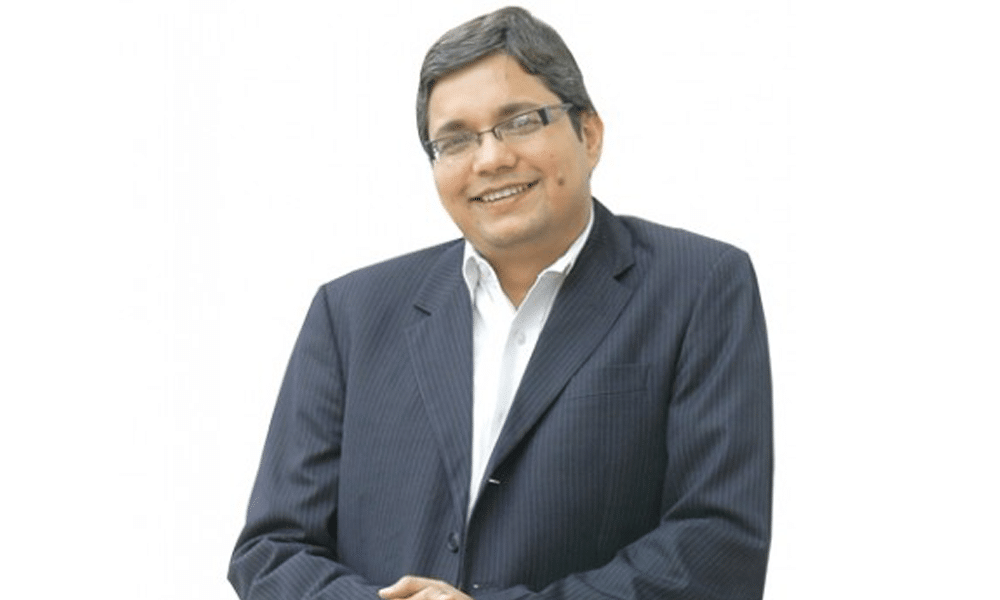
Dr Ravi Gupta
Dr Ravi Gupta, Editior-in-Chief, Digital Learning Magazine and CEO, Elets Technomedia Pvt Ltd

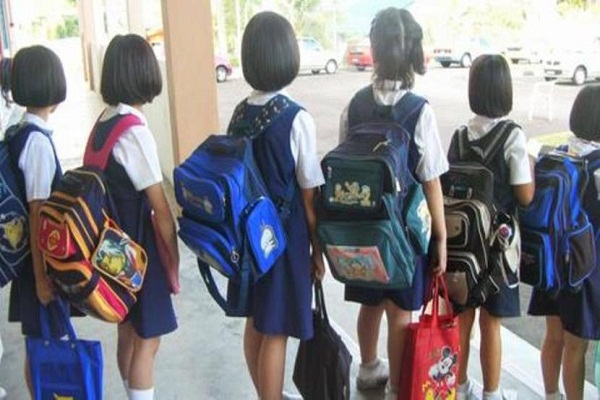
Being educated in the present times has adorned a much broader meaning than it was about a decade ago. Today, a child’s brilliance is evaluated from various dimensions and thus schools are expected to deliver on such lines beyond textbooks’ reach.

In such a scenario, discerning which school is the best option appears one of the toughest questions that the young parents are faced with in life.

What measurements should ideally determine which temple of learning is better than the others, what kind of facilities, advantages or disadvantages are linked to a particular set of schools but not the others within our city or state? All this and much more inspired us to carry out this special edition of the magazine and take out a top ranking issue, evaluating Indian schools classified in five zones.

Our cover story “Defining the Finest Schools of India” has tried to highlight and address almost all major concerns and questions that usually disturb or should ideally bother any parent to ascertain which school they have sent their wards to? Is it the best available or the most convenient one? Or, is it the most productive one for our beloved child’s holistic development and career?

The latest issue also highlights the eduleaders who keep coming up with latest innovative solutions, enabling schools and other educational institutions to offer finest learning experience. Keeping the requirements of modern-day smart classrooms and tech-savvy students in mind, there are various firms who seek to introduce most updated gadgets or methodologies for the same.

With the Government’s demonetisation move affecting nearly every sector of the country, its impact on the Indian education sector could not be ignored. How the schools have received such a bold step of government to rid the country of black money and various related malpractices? How delighting or dejecting this initiative is likely to be for parents? Our special story “Demonetisation brings Modi-Nomics to Schools” attempts to explore such issues.

While all of us are ready to usher in the New Year 2017, we have tried to touch upon issues that are set to matter to one and all in a distinct way.

We look forward to our readers’ invaluable feedback on our latest endeavour.

AICTE to discuss nationwide common engineering entrance test

engineering entrance test

The All India Council for Technical Education (AICTE) is likely to discuss the issue of conducting a common entrance examination for admission to engineering colleges at a meeting later this month.

The common entrance examination for engineering is expected to be on the lines similar to that of NEET for medicine.

Ministry of Human Resource Development (MHRD) is in favour of holding a single entrance test for admission to engineering colleges of India. The pattern is expected to be same as that of the NEET. The common entrance test for engineering would address many concerns related to quality and bring more transparency, the Economic Times quoted sources as saying.

At present, Joint Entrance Examination (JEE) is the largest exam conducted by Central Board of Secondary Education (CBSE) for admission to engineering colleges and universities of different states in the country. However, there several other engineering entrance exams conducted by different states and private universities for admission of students.

Another issue of conducting an exit test for engineering graduates is likely to be taken up for discussion at the AICTE meeting. The exit test will be conducted for pass outs of engineering colleges to assess skills and employability.

Government to set up 20 world-class varsities: Javadekar

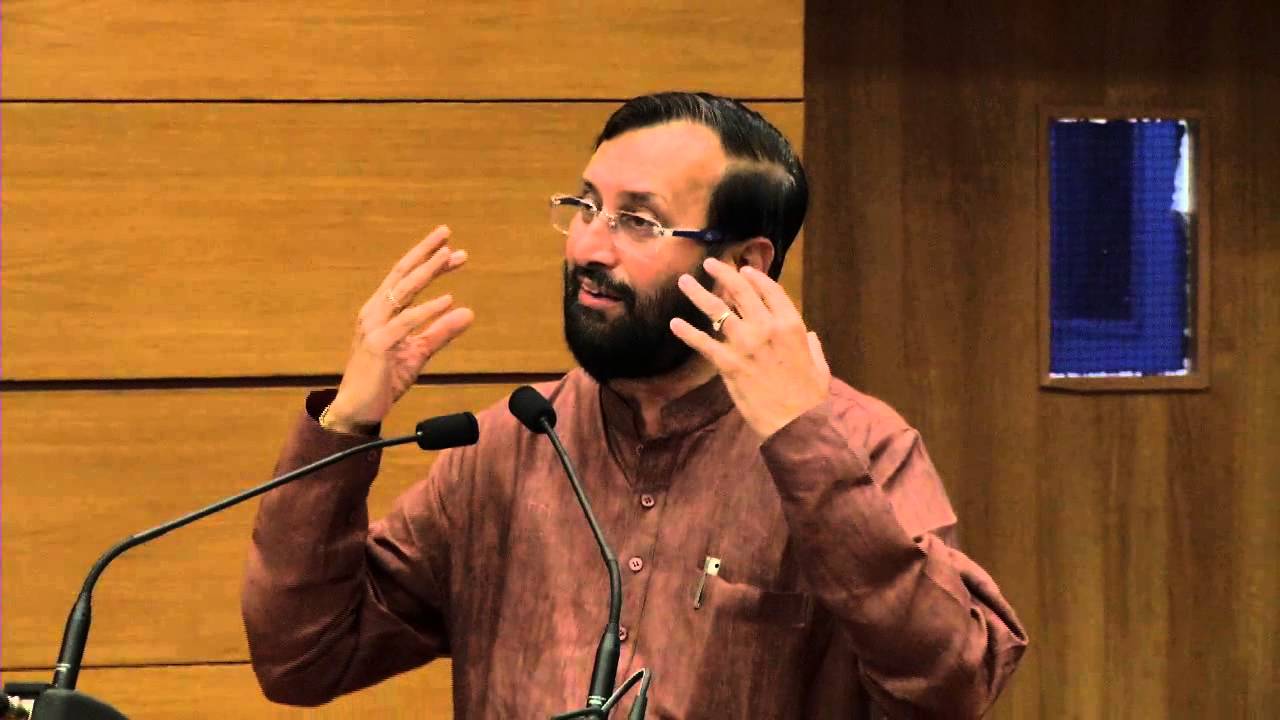
The central government may soon come out with a policy to set up 20 world-class universities in the country with ten each in private and public sector, Union Human Resource Development Minister Prakash Javadekar has revealed.

Addressing the Youth Pravasi Bharatiya Divas 2017, Javadekar said, “We have finalised guidelines and soon will implement the policy to set up 20 world class universities in India, ten from private and ten from public institutions”.

“Earlier, we had the best universities Nalanda, Takshashila and Vikramsila. In those days, almost all the ten world-class universities were from India. This was destroyed by invaders because they knew the power of India lay in education,” the Economic Times quoted him as saying.

He said that to establish a Higher Education Financing Agency (HEFA) has also been approved by the cabinet. The agency will give a major push for creation of high quality infrastructure in premier educational institutions. Ministry of Human Resource Development (MHRD) will promote the HEFA with an authorised capital of Rs 2,000 crore.

“The Government equity would be Rs 1,000 crore,” he added. HEFA would leverage the equity to raise up to Rs 20,000 crore for funding projects for infrastructure and development of world class labs in professional institutions.

The government, the minister said, will soon launch Global Research Interactive Network Programme which will rovide scholarship and opportunity to students to work with reputed foreign laboratories and enjoy the liberty of returning to India to continue with research.

Indian Embassy in Germany launches education portal

To ease the transition of Indian students with Germany and to make the local Indian students aware about the opportunities and educational events in India, the Indian Embassy in Berlin has launched a portal for Indian students.

For Indian students studying or aspiring to study in Germany, the portal will provide information on job opportunities, internships, scholarships, accommodation, visa and other student related issues. The embassy also gives support to some Indian students’ associations in Germany to celebrate annual festivals time to time through its cultural wing, a Zee New report said.

A release by the Indian Embassy revealed that the portal — www.indianstudentsgermany.org (ISG) — would help the embassy in its mission to reach out to the Indian students. The ISG platform currently has 16 student associations and over 2,600 students registered on the database.

Germany is becoming an attraction for Indian students as the country offers low-cost or even free education to students at its schools and universities. Education opportunities in the country have tripled the number of Indian students in last six years. Most of the Indian students here are involved in research in scientific and technological aspects.

Nursery admissions under EWS,DG categories begins in Delhi

Entry-level admissions for Economically Weaker Section (EWS) and Disadvantaged Group (DG) have begun in Delhi from January 10, with the Government of Delhi announcing guidelines for the process.

A notification by the Directorate of Education (DoE), Delhi said, “Admissions of EWS and DG category shall be made through computerised lottery system in the said schools against 25 per cent seats reserved. Filling of Unique Identification Number (Aadhaar Number) for online registration has been made compulsory for this session”.

Last date for the application process for the two categories is January 31 and the first list will be displayed on February 28, and subsequent lists will come out on March 15 and 31. Schools recognised by local authorities have to conduct the admissions manually, as they are not part of the online process, Zee News reported.

“Admission shall first be offered to eligible students belonging to EWS and Disadvantaged Group residing within 1 KM of the specific school. In case the vacancies remain unfilled, students residing within 3 KM of the school shall be admitted. If there are still vacancies, then the admission shall be offered to other students residing within 6 KM of the school. Students residing beyond 6 KM shall be admitted only in case vacancies remain unfilled even after considering all the students within 6 KM area,” the notification added.

Nursery admissions for 1,400 private schools of Delhi began on January 2. The state government has issued guidelines last Saturday for 298 private schools running on DDA land whereas the schedule has yet to be announced.

Now pay fee in Haryana government schools through e-wallet

Chandigarh
January 6

With a view to promote cashless transactions in the State, the Haryana Government has decided to open committed bank accounts of all government schools in the nearest bank branch for payment of fees.
Additional Chief Secretary, School Education Department, P.K. Das said that nodal teacher in each school would download the e-wallet of the bank concerned. Parents or guardians of the students would be motivated to utilise the e-wallet of the same bank to pay the fees. With a view to prevent misuse, provision would be made so that cash could not be withdrawn from this account.
Das said that about 6.5 lakh students of classes IX to X plus two in government schools would be imparted training for carrying out cashless transactions through smartphones and ordinary phones. He said that Assistant Manager of clusters comprising about eight schools would impart training to teachers for downloading digital payment applications and carrying out cashless transactions. These teachers would further impart training to students of classes IX to X plus two who would further teach their family members and neighbours, he added.

Students of government schools in Haryana set for enhancement of minimum learning level

Chandigarh, January 6 –
Acknowledging the need to assess and enhance minimum learning level of students in government schools, the Haryana Education Department has decided to conduct monitoring of about 250 schools in the State every fortnight.
Additional Chief Secretary, School Education, P.K. Das, said that monitoring of about 200 schools was done in December, 2016, and direct interactions were held with about 25,000 students. “ On the basis of this monitoring, it could be said that the situation in terms of minimum learning level is not disappointing and the mindset that students of government schools do not know anything is also wrong,” he added.
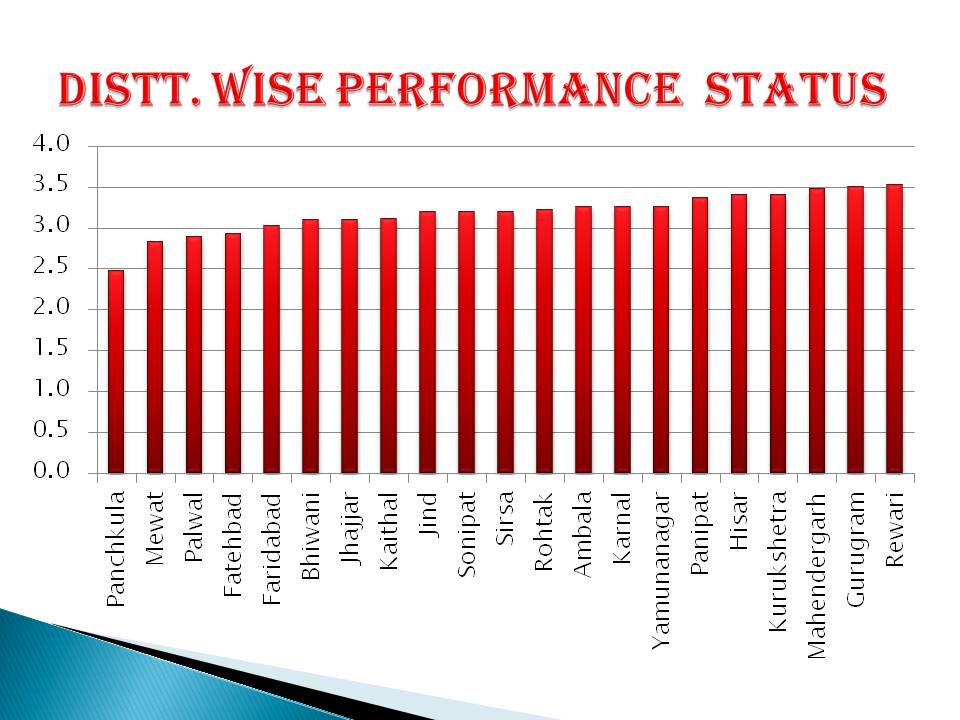
He said that in terms of district-wise overall performance, Mahendragarh, Gurugram and Rewari were among the top three whereas Panchkula, Mewat and Palwal were among the bottom three, with Panchkula performing worse than Mewat.
The performance of districts Gurugram, Hisar, Kurukshetra, Mahendragarh, Panipat and Rewari has been praiseworthy. Similarly, the state average in Class IX was 3.2 per cent, with 10 districts giving above average performance.
He said that in Class X plus one (Science), all districts except Panchkula had given outstanding performance, with average of 90 per cent. Besides, students in districts Bhiwani, Hisar, Kaithal, Mahendragarh, Panipat, Rewari and Sirsa answered all questions correctly. In the Commerce stream, students in Palwal and Rohtak and in Arts stream, students in Hisar answered all questions correctly.
He said that in case there was difference of 20 per cent between results of monthly assessment and this monitoring, then it would be assumed that the results of monthly assessment were tampered with. He said that January 20, 2017 had been fixed as the tentative date for the next examination and the level of questions to be asked during this examination would be enhanced, he added.
He said that assessment was conducted of the teaching tasks of each teacher, learning level of student, and learning level according to subjects being taught and class of the student. The students were given more than a week to prepare for the test, which comprised five questions of each subject taken from monthly examination organised in November, 2016. After the examination, students exchanged their answer sheets and were told the correct answers and assessed the answers of their peers, on the basis of which the officer carrying out assessment prepared score sheet of the class. Schools were informed about class-wise and subject-wise average performance on the basis of this assessment, and the results were aggregated on district level, he added.
The schools which have failed to achieve the normative level of performance have been warned and would be monitored again after three months. A meeting of staff and members of management committees of schools was also held to enhance the role being played by monitoring officers in progress of education, he added.

Centre to set up five new minority universities

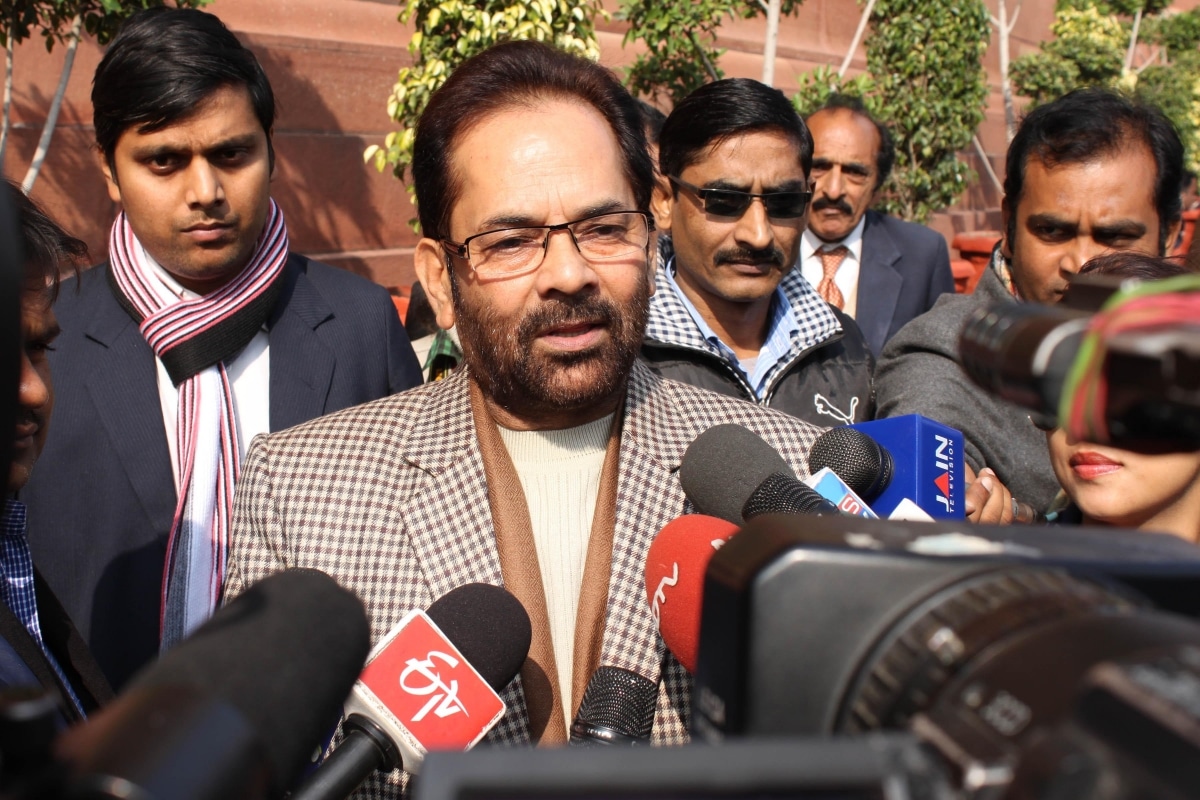
The centre will set up five new world class universities for imparting higher education to students belonging to minority communities¸ Union Minister Mukhtar Abbas Naqvi announced recently.

“We want to establish five universities with world class institutions where higher education including medical and skill development will be imparted as part of efforts to empower minorities,” Times of India quoted the Minister of State for Minorities Affairs (Independent Charge) as saying.

The government is planning to offer 40 per cent reservation to girl students in the proposed varsities. Students belonging to the communities other than minorities can also take admission in the universities, the minister added.

The minister said it while replying to reporters after presiding  a meeting of general body of Maulana Azad Education Foundation where he informed that the ministry has approved 16 Gurukul-type schools in Telangana, Andhra Pradesh, Karnataka and Jharkhand.

Asked if the varsities will hold minority tags, Naqvi said, “A committee will work out on details and decide about it. But students belonging to other than minority communities can learn there. We will try to give 40 per cent quota to girl students to empower them. It will not be based on religion.”

Revealing the plans for setting up the universities, he said, a high-level committee is expected to be formed in a day or two to help identify places for universities.

The process of setting up of universities, the minister said, is expected to start within two months and the first session of these world class institutions may start from 2018.

It was also decided during the meet to offer ‘Begum Hazrat Mahal’ scholarships to girl students. Besides, students undertaking mainstream education at madrasas will also be offered scholarship henceforth to encourage them, he added.

Gujarat: IIITGN, Indian Army ink MoU for R&D Cell

The Punjab Regiment contingents pass through the Rajpath during the full dress rehearsal for the Republic Day Parade-2011, in New Delhi on January 23, 2011.

The Indian Army has decided to set up a Research and Development (R&D) Cell at IIT Gandhi Nagar (IIT GN) campus to identify various challenges and its solutions, Both sides have also signed a Memorandum of Understanding (MoU) to set up the scientific cell.

Under the MoU, professional and technical knowledge including areas of mutual interest will be shared by the the Indian Army research cell with the IITGN team.

It is being anticipated that the R&D cell will closely work with the faculty and research students of IIT-Gandhinagar in various areas to identify and comprehend the challenges. The institute will also help the Indian Army in fulfilling their critical technology requirements.

According to Lt Gen Subrata Saha, the MoU is an unprecedented initiative which would result in meaningful realisation and efficient transfer of research into customised solutions for the Indian Army. “There are several issues faced by the Indian Army that needs to be addressed. For example, we can have better quality bullet proof jackets, at fast pace through such MoUs,” said Lt Gen Subrata Saha of Indian Army,” a report quoted him as saying.

Lt Gen Saha said such an unprecedented initiative would yield meaningful realisation and efficient transfer of scientific knowledge which will provide better equipments for the army and anticipated to win war with Indian solutions.

Marginal rise in student enrollment in Delhi schools: Study

There has been a marginal rise in the number of student enrollment in schools spread across Delhi, according to a report released by Delhi Statistical Handbook.

The report found 18,000 more students have enrolled in senior secondary schools across Delhi.

A total of 44.13 lakh students were enrolled in 2014-15 and in academic session 2015-16, 44.31 lakh students have taken admission in these schools. In the year 2014-15, out of the total number of enrolled students up to senior secondary school level, 23.52 lakh were boys and 20.60 lakh were girl students, the report found.

As per the 2016 edition of Delhi Statistical Handbook, in 2014-15, a total of 5,798 schools were in Delhi whereas the total number of schools in 2015-16 was 5,796. The report further said that total number of schools in 2013-14 was 5,453.

“Around 44.31 lakh children were enrolled at different levels during 2015-16 in these schools as compared to 44.13 lakh during 2014-15. Out of 44.31 lakh enrolled students up to senior secondary school level, 23.56 lakh were boys and 20.75 lakh were girl students,” said the report.

The schools have also witnessed a rise in number of girl students. In academic session 2014-15, out of 18.75 lakh students enrolled at primary school level, 8.73 lakh were girl students whereas in 2015-16, out of 18.87 lakh enrolled students 8.8 lakh were girls.

LATEST NEWS