The Indian Institute of Management, Kashipur (IIM-Kashipur), has witnessed a notable increase in the enrollment of working professionals in its MBA programs over recent years. According to data released for the MBA 2023-25 batch, this trend continues to rise.
In the MBA 2023-25 batch, comprising a total of 321 students, it was revealed that a substantial number of students come with prior work experience. Among these, 126 students possess 12-24 months of work experience, while an additional 116 students have accrued more than 24 months of work experience. In contrast, 19 students have 6-12 months of experience, and only 60 students are freshers.
The trend extends to the MBA Analytics 2023-25 batch, where out of 170 students with work experience, 39 students boast over 24 months of experience, 48 students have 12-24 months of experience, 11 students have 6-12 months of experience, and approximately 72 students are freshers. Furthermore, 81 students hail from non-engineering backgrounds, while 89 students come from engineering backgrounds.
Remarkably, the data also highlights the disparity in gender representation, with only 62 out of 321 students being women, while 259 are men.
Meanwhile, IIM Kashipur has successfully concluded its final placement season for the MBA and MBA (Analytics) batch of 2021-23, achieving remarkable results. The highest annual package offered stands at an impressive Rs 37 lakh, with an average CTC (Cost to Company) of the batch reaching Rs 18.11 lakh, reflecting a year-on-year growth of 19 percent.
The median CTC for the batch is reported at Rs 17.2 lakh, marking a 16 percent year-on-year increase. Notably, the highest CTC witnessed a remarkable growth of 28 percent, reaching Rs 37 lakh compared to the previous year. The top 10 percent of the batch secured an average CTC of Rs 28.5 lakh, while the top 20 percent and top 30 percent achieved average CTCs of Rs 25.9 lakh and Rs 24.5 lakh, respectively, exhibiting impressive year-on-year growth rates of 21 percent, 20 percent, and 22 percent.
This data not only showcases the increasing interest of working professionals in IIM-Kashipur’s MBA programs but also underscores the institute’s remarkable placement achievements, reaffirming its position as a premier educational institution.
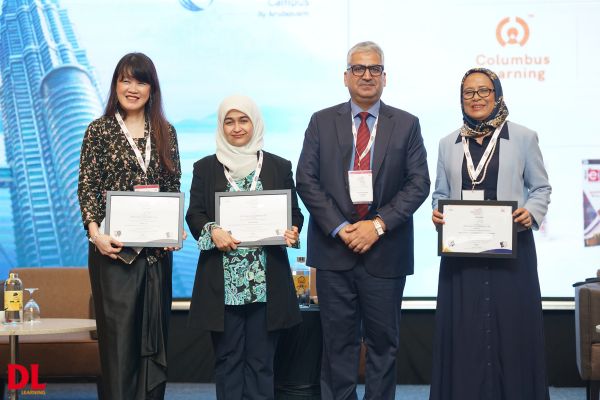
A comprehensive exploration of the changes and challenges in the field of education on a global scale happened at 27th Elets World Education Summit in Malaysia. This discussion delves into the evolving demands of the 21st century, where traditional education models are being reassessed in light of technological advancements, globalisation, and shifting workforce requirements. The focus is not just on subject-specific knowledge but also on nurturing critical skills, adaptability, and resilience in students to prepare them for an unpredictable future. The panel discusses strategies, innovations, and challenges related to cultivating individuals who are future-ready on a global scale. It emphasises the importance of aligning educational institutions with the demands of the modern workforce and the role of technology in achieving this goal.
Prof. Anurag Singh, the Director of the Institute of Business Management at GLA University in Mathura, India, began by highlighting the relevance of the discussion topic in the context of ongoing technological advancements, globalization, and evolving workforce demands. He emphasized the need to assess whether traditional education models remain effective or require revision to equip students not only with subject-specific knowledge but also critical skills, abilities, and resilience needed to navigate an uncertain future. Prof. Singh expected the panel to explore strategies, innovations, and challenges related to nurturing future-ready individuals on a global scale. He pointed out the interplay between labor force demands and educational institutions, emphasizing the importance of equilibrium between the skill sets demanded by industry and the graduates produced by educational institutions. Prof. Singh also raised questions about whether educational institutions are keeping pace with technological advancements and whether they possess the resources to impart these skill sets to students.
He stressed that the credibility of educational institutions, especially in higher education, hinges on the quality of graduates they produce and their significant role in a country’s economic growth. Prof. Singh also noted the importance of preparing students to be culturally sensitive and adaptable, considering the mobility of the modern workforce across different job markets.
Prof. Anurag Singh highlighted the need for educational institutions to align with workforce demands, foster critical skills, and prepare students for the challenges of a globalized and technologically evolving world.
Prof. Ts. Dr. Murali Raman, the Deputy Vice-Chancellor for Academic Development and Strategy at Asia Pacific University of Technology & Innovation in Kuala Lumpur, Malaysia, discussed the skill sets required for the future, drawing from the World Economic Forum’s top 10 skills. He noted that these skills can be broadly categorized into three clusters.
The first cluster revolves around digital transformation and the increasing role of technology. Within this cluster, artificial intelligence (AI) plays a prominent role. Prof. Raman highlighted that AI is integrated into their university curriculum across various disciplines. They even organized sessions on using generative AI for teaching, learning, and research, collaborating with industry experts.
The second cluster focuses on critical thinking skills, including problem-solving, design thinking, creativity, and innovative thinking. Prof. Raman mentioned that these skills are embedded into their curriculum as part of their digit DNA Enterprise architecture philosophy, aiming to foster creative problem-solving abilities among students.
The third cluster emphasizes well-being, resilience, and work-life balance. Prof. Raman discussed the importance of preparing graduates to lead stable, mature lives, and to bounce back from setbacks and failures. Their curriculum addresses mental well-being, emotional state, and human values in education, encouraging students to consider their purpose in giving back to the community and society.
Prof. Ts. Dr. Murali Raman emphasized the significance of AI, critical thinking, and well-being skills in preparing students for the future. He underscored the importance of integrating these skills into the curriculum to produce well-rounded graduates who can thrive in a rapidly changing world.
Prof. Goi Bok Min, Vice President, Universiti Tunku Abdul Rahman in Selangor, Malaysia, highlights the challenges faced in aligning education with industry demands, especially in the context of the rapidly evolving Fourth Industrial Revolution (IR 4.0). To ensure graduates meet industry needs, curricula must be updated continuously, departing from the older model where content could remain static for decades. He emphasises the importance of fostering a growth mindset among faculty members, encouraging them to engage in research and development (R&D) and innovations. By involving faculty in R&D, they gain firsthand knowledge of emerging technologies and trends, which they can then integrate into their teaching.
Additionally, Prof. Goi emphasises the role of consultancy projects to connect academic work with industry needs, ensuring graduates are well-prepared and aligned with real-world demands. Overall, he underscores the importance of creating a culture of continuous learning and adaptability within educational institutions to meet the challenges of the future effectively.
Alyanna R. Tobias, an Instructional Designer at STI Education Services Group in Calabarzon, Philippines, discusses the institution’s approach to upskilling students and preparing them for rapidly changing technologies and industries. STI collaborates with industry leaders such as Huawei, Google, and Amazon to provide micro-credentialing opportunities for students. These micro-credential certificates allow students to acquire specialized skills that are in demand in the job market.
Alyanna points out the challenge of keeping curricula relevant given the rapid pace of technological change. To address this, STI leverages partnerships with industry experts who provide insights into the skills and competencies graduates need. Instead of teaching specific technologies like AI, STI focuses on teaching skills related to AI, such as attention to detail and critical thinking.
She also emphasises the importance of soft skills, which can be more challenging to impart than technical skills. STI integrates soft skills development into the curriculum, nurturing students’ abilities to communicate effectively, think critically, and cultivate a love for lifelong learning. This approach ensures that graduates are well-prepared to adapt to future technological advancements and industry changes.
Alyanna R. Tobias, an Instructional Designer at STI Education Services Group in Calabarzon, Philippines, discusses the institution’s approach to upskilling students and preparing them for rapidly changing technologies and industries. STI collaborates with industry leaders such as Huawei, Google, and Amazon to provide micro-credentialing opportunities for students. These micro-credential certificates allow students to acquire specialized skills that are in demand in the job market.
Alyanna points out the challenge of keeping curricula relevant given the rapid pace of technological change. To address this, STI leverages partnerships with industry experts who provide insights into the skills and competencies graduates need. Instead of teaching specific technologies like AI, STI focuses on teaching skills related to AI, such as attention to detail and critical thinking.
She also emphasizes the importance of soft skills, which can be more challenging to impart than technical skills. STI integrates soft skills development into the curriculum, nurturing students’ abilities to communicate effectively, think critically, and cultivate a love for lifelong learning. This approach ensures that graduates are well-prepared to adapt to future technological advancements and industry changes.
Eng. Mohammad Mahnashi, SEU President Advisor for Digital Transformation & Data Management at Saudi Electronic University (SEU) in Saudi Arabia, highlights the government’s role in driving upskilling initiatives for citizens. The government has established programs like the Human Resource Development Fund (HRDF), which encourages individuals to acquire new skills and offers financial incentives for certification.
Mahnashi also discusses the Digital Government Authority (DGA), which oversees and guides government entities in their digital transformation efforts, ensuring they follow established rules and procedures. Additionally, an annual audit process, known as “kasas,” evaluates government entities’ performance in various aspects, including technology and upskilling.
In higher education, universities have Research and Studies Institutes that operate as business entities. They engage in research, participate in tenders, and collaborate with faculty members and students to execute projects. Furthermore, the preparation year program at universities helps students enhance their skills and soft skills before diving into their chosen fields of study.
Mahnashi emphasizes that Saudi Arabia encourages upskilling and provides multiple avenues for individuals to develop their skills, fostering a culture of continuous learning and self-improvement. Universities play a vital role in this ecosystem, contributing to research and development and creating opportunities for faculty and students to apply their knowledge in practical projects.
Many knowledge intensive, and high earning careers all rely on some use of ICT either in the design or usage parts of the job and this means that training in ICT skills at school and college level is a vital part of an education system today, shared Dr. Richard Clarkson, Principal, Highlands International Boarding School, Pahang, Malaysia in an exclusive conversation with Sheeba Chauhan of Elets News Network. Edited excerpts:
Highlands International Boarding School (HIBS) provides students with a wealth of options to study a wide range of subjects that will support their Tertiary Education. Would you like to elaborate on this, what are these subjects?
At HIBS, we follow a UK based IGCSE framework from Cambridge Assessment International Education. We have two main academic streams in years 10 and 11, to allow for students who wish to specialise in either pure science subjects, or in more vocational/business related subjects. There are core subjects that all students must take such as English, Maths and Science; then there are a long list of others, such as Chemistry, Biology, Physics, ICT, Accounting and Economics that enable students to tailor their educational experience towards any career interests they might have.
You have been catering to the education ecosystem for more than 28 years, How do you think career opportunities have evolved for students over the years?
Back in the mid-80’s computers and ICT in general were not mainstream choices for academic pursuit, at least not in the UK. I was one of the first to do a computer studies O Level and was largely self-taught. I have always felt that if I was a few years younger, I would have gone into computer programming as a line of work. I have kept up my interest over the years and dabbled in website design and javascript, with a view to making content delivery in my Chemistry lessons more exciting than just writing on a board.
Many knowledge intensive, and high earning careers all rely on some use of ICT either in the design or usage parts of the job and this means that training in ICT skills at school and college level is a vital part of an education system today.
The Curriculum at HIBS develops successful learners through a skill-based approach to teaching and assessing. Shed some light on the curriculum practised at HIBS and it is different from other schools in Malaysia.
As a science teacher, and being brought up on an academic diet of experiments in the classroom, I feel one of the best areas we can expand on is the education experience beyond the usual chalk and talk in a classroom. UK Science examinations stress the student’s need to have actually experienced what is talked about in books and be able to answer questions effectively in tests. But it is not just the sciences that can benefit from getting out of the classroom.
In South East Asia, there exists a multitude of both contemporary and ancient historical sites that hold immense appeal for visitors. Our school, nestled at a high altitude within dense jungle terrain, offers abundant opportunities for geographical exploration. Additionally, it provides a unique vantage point to observe the ongoing urbanization in the surrounding region. Our location boasts fascinating flora and fauna, including a few ape species that reside nearby, offering rich opportunities for biological studies.
Thinking skills are necessary to strive in next gen of education. According to the present scenario, AI is the next-gen in education. Do you think, it will have a positive or negative impact on student’s thinking skills?
I believe that AI, like previous advancements in computer technology, has the potential to create significant excitement and anticipation about how it will revolutionize the world, for better or worse. In a digital age where vast amounts of information are available on the internet, not all of it necessarily accurate, AI’s capacity to aggregate and summarize this data to answer specific questions is undeniably a valuable tool.
However, it’s essential for a diligent student to always approach information critically, cross-reference it with other sources, and engage in thoughtful analysis before placing trust in it.
If AI is excessively elevated and granted too much authority, there is a risk that critical thinking skills could deteriorate. AI should be viewed as a valuable tool, and its output should be carefully considered by the human mind before any action is taken based on it.
The World Education Summit has been consistently focused on driving innovation in education worldwide over the past several years. What are your thoughts on joining the most anticipated 27th Elets World Education Summit in Malaysia?
I am greatly looking forward to meeting all the other speakers and learning about everyone’s unique experience in the field of education. It is by talking with each other, and sharing our own ideas about how to improve the sphere of education, that meaningful advancements can be made.
In an increasingly interdependent global environment, schools, now more than ever before, have a responsibility to prepare our students for the opportunities and challenges they will face in the future.
Globalisation permeates through every aspect of life. Environmentally, economically through trade, culturally through an increasingly transient employment sector, socially through media and from a peace and political perspective.
An effective Global Citizenship Education programme in a school environment is not an ‘add on’. It needs to be carefully structured, scaffolded and embedded across all learning areas in all year groups. Global Citizenship Education (GCE) should function as a framework in which a school’s existing curriculum serves as the foundation to develop the knowledge, skills, values and attitudes learners consider and debate in striving to create a world that is more sustainable, inclusive, peaceful and just. Students need to be given the opportunity and safe space of a classroom to think about and discuss complex global issues. Through this, children listen and consider others’ experiences and view points, and develop and express their own opinions.
Education for Global Citizenship is essential to develop the future custodians of our planet. Continued use of, and abuse, of our planet’s finite resources is not only unsustainable, but inequitable too. Our learners need to develop a deep knowledge of global issues and universal values such as respect, justice, equality and dignity. Cognitive skills such as critical and creative thinking are well entrenched in many of our schools. How though, are these intentionally used to adopt multiple perspectives to help identify and recognise different dynamics and inter-cultural awareness is a key question we should be asking our curriculum development leaders. Social skills such as empathy and communication skills such as conflict resolution need to be embedded too.
So where does one start? An interesting exercise would be to workshop with staff a definition of Global Citizenship.
Oxfam and UNESCO provide good stimulus; For Oxfam, global citizenship is all about encouraging young people to develop the knowledge, skills and values they need to engage with the world. And it’s about the belief that we can all make a difference.
From UNESCO; Global Citizenship Education (GCED) aims to empower learners of all ages to assume active roles, both locally and globally, in building more peaceful, tolerant, inclusive and secure societies.
GCED is based on the three domains of learning – cognitive, socio-emotional and behavioral.
Cognitive: Knowledge and thinking skills necessary to better understand the world and its complexities.
Socio-emotional: Values, attitudes and social skills that enable learners to develop affectively, psychosocially, and physically and to enable them to live together with others respectfully and peacefully.
Behavioural: Conduct, performance, practical application and engagement.
A more simplified approach as an initial start could be to train staff in GCE and have them integrate on an ad-hoc basis aspects of real world relevance. As mentioned in the table above, discussing the current situation on the Russian / Ukrainian border is a great current affairs topic for discussion in a history lesson. Climate change and the impact of this on glacial melting and the 50,000 Peruvians that live downstream from Lake Huaraz would be a powerful link to the topic of glaciers in geography. Easy for the teachers of Humanities to integrate GCE into their curricula I hear the Mathematics teachers saying! Well, it’s a cinch to do the same in Mathematics. Just think of using ratios and fractions to explore economic inequality or using data to compare Fairtrade versus regular coffee bean prices over the past 20 years!
Views expressed by Gareth Allman, Principal, Peninsula International School Australia, Selangor, Malaysia
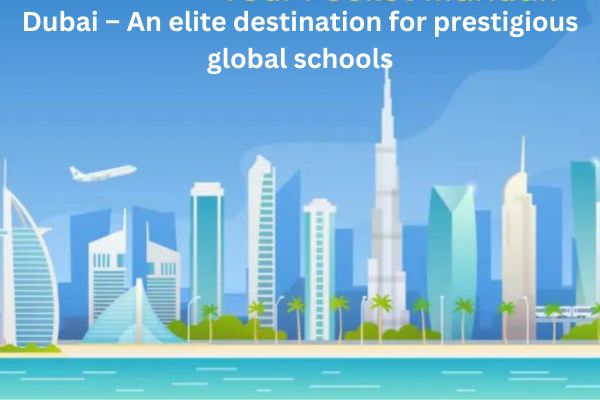
Dubai has seen significant growth in its school education ecosystem. The 3 major curriculums that Dubai offers in its schools have gained much apprise across the world — UK curriculum schools are on the top of the chart (35%) which is followed by the Indian curriculum (26 %) and then US curriculum schools (16%) and International Baccalaureate(6%).
Dubai’s private schools made the record of highest-ever enrolment in the academic session 2023-24 along with other strides the school education landscape of Dubai is involved in. As per officials, the enrolment growth rate enters into double digits for the first time and marks a 12 percent increase and more than 39000 additional students enrolled in comparison to the previous year. This also marks a historic moment for KHDA (Knowledge and Human Development Authority), as these are the highest numbers since the establishment of KHDA in 2007.
On this occasion, Dr. Abdulla Al Karam, Director General of KHDA expressed his thoughts and said, “Our city is not just experiencing growth; it is creating growth. An ambitious city is a magnet for ambitious people, and Dubai continues to welcome a record number of families and teachers each year.”
“Schools in Dubai prioritise quality, well-being and inclusion while offering diversity in their curricula, locations and demographics. This combination offers teachers unforgettable career experiences and promises parents that their children will receive an education unlike any other in the world”, Dr. Abdulla added further.
Dubai – Vibrant Education, Varied Growth!
The education realm of Dubai is making a mark not just in UAE but across the world. Investors and educators from around the world are looking at Dubai as a land of new opportunities for education evolution. Dubai is not just preparing its students to excel in UAE but in the world. For instance, a Chinese School in Dubai is fostering new techniques and curriculums to develop a great place for learning. They teach Chinese curriculum and Arabic as their second language, overall developing an international vision in its students.
Over 365,000 students are attending the 220 private schools in Dubai at the moment. Students from more than 180 different countries can choose from 17 distinct curriculum offered by these schools. The Dubai Schools Inspection Bureau rates the education received by over three-quarters of the student body as Good or better.
Along with the present infrastructure, the UAE government is planning to expand with the Dubai Economic Agenda (D33). The major objective of this agenda is to double the present size of Dubai’s economy in the coming 10 years and also position it as one of the leading cities in the world.
Over the last decade, Malaysia has established itself as an optimistic contender in the field of education, particularly for offering affordable yet high-quality tertiary education in the Asian region. The nation has set ambitious goals in its journey toward becoming a high-income developed country, aiming to enhance international collaborations and foster the exchange of knowledge and talent across borders. This aspiration to evolve into a regional hub for top-notch higher education is deeply ingrained in Malaysia’s higher education sector transformation plan, known as the National Higher Education Strategic Plan 2020. These discussions were further elaborated upon at the 27th Elets World Education Summit in Malaysia, where renowned experts shared their valuable insights on this topic.
Stella Lau, Managing Director, SEGi University and Colleges in Malaysia, shared some key strategies that have proven successful in maintaining a balance between cost and quality in education. SEGi University and Colleges, with one university and five colleges in Malaysia, has also recently acquired three international schools.
One of the primary strategies employed is fostering strong partnerships with industry stakeholders. These partnerships provide essential resources, internships, and real-world experiences for students. For example, collaborations with companies like Sony have enriched creative arts and design courses, offering expertise in filmmaking and videography. The pharmacy program benefits from partnerships with pharmaceutical companies, which invest in equipment and research resources.
SEGi University and Colleges have forged alliances with various industry players, including Malaysia Airlines and Realme, a technology brand. These collaborations encompass joint teaching, offering students real-world experiences and insights. Scholarships and partnerships with organizations like EMGN further open doors to global education access.
Stella Lau emphasized the importance of esports in education, highlighting how it teaches students resilience, communication, and strategy. SEGi University and Colleges actively engage with industry experts and organize events, such as the Game On Expo, to nurture future leaders.
Another successful strategy is leveraging technology to deliver cost-effective education. SEGi has launched the SEGi Meta Campus, incorporating blockchain technology to validate and verify academic certificates securely. The institution also provides free access to Microsoft and partners with Google and Microsoft to offer free online courses. Online exams are conducted with e-proctoring to maintain authenticity.
Lastly, SEGi University and Colleges’ listing on the stock exchange, coupled with its recognition for high return on equity over three years, reflects its commitment to providing quality education while managing costs effectively.
Prof. Datuk Ir Ts Dr Siti Hamisah Binti Tapsir, Group CEO & Vice-Chancellor of UCSI University in Kuala Lumpur, Malaysia, discussed the landscape of higher education in Malaysia, particularly focusing on international students. She noted that Malaysia has been ranked as a top destination for international students and highlighted the country’s efforts to democratize higher education.
Prof. Siti Hamisah mentioned the importance of quality, cost, culture, comfort, and language in attracting international students to Malaysia. She explained that Malaysia had pioneered transnational higher education programs like 3+0 and 4+0, which allowed students to earn degrees from reputable institutions at an affordable cost.
She acknowledged the challenges in implementing educational policies and mentioned the need for monitoring and execution. Prof. Siti Hamisah also emphasized the role of technology as an enabler for delivering cost-effective and quality education.
She shared insights into the sustainability, affordability, and quality triangle in higher education and mentioned the importance of continuous innovation and collaboration to address these challenges.
Zarina Nalla, Chief Operating Officer at the Malaysian Institute of Economic Research (MIER) in Malaysia, discussed the challenge of balancing cost-effective education with quality education in a post-pandemic world. She emphasized the need to prepare students holistically, not just for industry needs, and highlighted the importance of creating well-rounded individuals.
Zarina also shared concerns about students who cannot afford private education and may drop out of the system, potentially leading to increased poverty. She pointed out that online learning is not a one-size-fits-all solution, and some students prefer face-to-face interactions with educators.
Furthermore, Zarina urged private institutions to consider a social agenda alongside profits and called for collaboration with the government or civil society to ensure social mobility for all. She emphasized the importance of aligning the organization’s strategic intent with the changing landscape of education.
UAE and Scotland have signed a Memorandum of Understanding (MoU) with the objective of enhancing bilateral trade, private-sector and academic collaboration in the field of advanced technology, innovation, education, and research.
The MoU was inked by Dr. Thani Al Zeyoudi, Minister of State for Foreign Trade, UAE, and Neil Gray, Cabinet Secretary for Wellbeing Economy, Fair Work and Energy, UAE.
The work of the joint UAE-Scotland task team, which was formed earlier this year to explore areas of mutual interest, directly led to the most recent agreement. Additionally, the MoU aims to improve cooperation in important fields including artificial intelligence and sustainable energy.
Scotland and the United Arab Emirates already have fruitful business ties. They exchanged non-oil trade valued at over $870 million (about AED 3.2 billion) in 2022, a 70% increase from 2021. In recent years, the two countries have also pursued a number of strategic investments, such as Masdar’s 25% ownership of Hywind Scotland, a floating offshore pilot wind farm in the North Sea with a capacity of 30 megawatts.
International Institute of Information Technology, Hyderabad (IIIT Hyderabad) launched Online Masters Programme in Computer Science in collaboration with TalentSprint, a globally recognised edtech for innovative and transformative learning experiences.
IIIT Hyderabad has demonstrated its dedication to promoting technological education and developing talent for the digital age with the inauguration of the Online Masters Programme, coinciding with the institution’s 25th anniversary as a global hub for AI research. The academic strength of IIIT Hyderabad and TalentSprint’s experience and ability in effectively supporting eMasters Degree programs offered by esteemed IITs are combined in this special program. The first cohort of the Online Masters Program is expected to start in January 2024, and applications are currently being accepted.
Prof P J Narayanan, Director, IIIT Hyderabad commented on the momentous occasion, “Our 25-year journey has been marked by a relentless pursuit of excellence in AI research, teaching and innovation. Today, we stand as a beacon of innovation and a global leader in the field. Since its inception in 1998, the institute has not only nurtured exceptional talent but has also consistently delivered groundbreaking research contributions that have earned it global recognition. Launch of Online Masters programme underscores our commitment to providing an engaging and immersive learning experience that will equip working professionals with the knowledge and skills needed to excel in a fast-paced and ever-changing tech landscape.”
The two-year Online Masters program at IIIT Hyderabad offers a comprehensive curriculum selected by industry leaders and distinguished faculty, making it suitable for working professionals’ schedules. Students will be able to participate in live, interactive sessions with teachers, which will enable them to ask questions and receive real-time clarification, resulting in an enhanced educational experience. Practical application is the program’s main focus. By working on projects that are pertinent to the industry, participants will obtain practical experience that will improve their employability. Additionally, the Online Masters Programme gives students access to seasoned industry mentors who may offer advice and insights to help build their careers. Participants will obtain a prominent credential from IIIT Hyderabad upon successful program completion, attesting to their skill and dedication to excellence.
Dr. Santanu Paul, Founding CEO and Managing Director, TalentSprint, said, “Our commitment to nurturing tech talent aligns perfectly with IIIT Hyderabad’s legacy of excellence. Over the years, TalentSprint and IIIT Hyderabad’s collaboration has explored new paradigms to bring customized offerings that address changing needs. Bringing new learning options to learners, the Online Masters Programme aims to provide world-class technology education within the reach of aspiring and experienced tech professionals.”
In today’s rapidly evolving world, education stands as a pivotal cornerstone for personal and societal growth. It is the key that unlocks doors to a brighter future, and its quality and relevance matter now more than ever. Traditional education systems have served us well for centuries, but the demands of the 21st century have made it clear that we need to adapt and evolve. It’s time to re-evaluate how we approach education, and one promising avenue is competency-based education.
As the founder of an organisation deeply entrenched in the education industry, I have witnessed first-hand the changing landscape of learning. My three-decade experience has taught valuable lessons about the power of competency-based education in redefining curriculums for skill development. Therefore, let’s look into the concept of competency-based education, its advantages, and how it can shape the future of learning.
Competency-Based Education Defined
Competency-Based Education (CBE) is a student-centered approach that focuses on mastering specific skills and knowledge rather than simply progressing through a predetermined curriculum based on time spent in the classroom. In a CBE framework, learners advance when they demonstrate proficiency in predetermined competencies or learning objectives. This approach allows students to move independently and provides a more flexible and personalised learning experience.
Traditional education had us memorise, test, and repeat. For twelve years, we adhered to the familiar rhythm: learn, test, progress. But in a rapidly changing world, driven by technology and unpredictable shifts, is that enough?
We, as educators, have a pressing responsibility. The very core of education is not just to prepare our students for exams or careers, but to empower them for life. To be future-ready, our learners need more than what textbooks can offer. They must challenge the status quo, imagine the unimaginable, and tread uncharted territories.
The Challenge Ahead
Today, the world stands at a transformational juncture. Digitalisation and shifting economic paradigms are redefining jobs, roles, and life itself. By 2030, AI and automation will reshape the global workforce, moving beyond blue-collar jobs to professional domains like accounting, law, and medicine.
In such a world, the uniquely human traits – empathy, creativity, intuition, ethics – become our most treasured assets. Skills that can’t be digitised or automated will be invaluable.
Merging the powerful realms of Virtual Reality (VR) and Artificial Intelligence (AI) stands powerful acronyms like DREAMTIME = Design Thinkers, Reflective Thinkers, Excited Thinkers, Adaptive Thinkers, Media Literate, Thinkers about Thinking, Imaginative Thinkers, Moonshot Thinking and Emotional Intelligence.
Imagine your students engaging with them rather than reading about historical figures. Delving deep into ancient Greece, conversing with Plato, experiencing history as it unfolds. Or mastering complex subjects with VR-enhanced experiences, enhancing retention and emotional connection to the content.
Research supports this avant-garde approach. With VR training, students learn four times faster, connecting more deeply with the material. Game-based learning has shown consistent superiority over traditional methods. DREAMTIME is not just a tool but a revolution.
As someone deeply committed to the field of education, my experiences have shown me that competency-based education can be a transformative force. It empowers learners to take control of their education, equipping them with the skills they need to thrive in an ever-changing world. It’s time for educators, institutions, and policymakers to embrace this innovative approach and rethink curriculums to prioritise skill development and lifelong learning. The future of education is competency-based, and it holds the promise of a brighter and more equitable future for all learners.
Authored article by Lina Ashar, Founder, Poweredby Dreamtime Learning
Byju’s announced changes in the leadership roles of the finance department. Ajay Goel, who was serving as Chief Financial Officer, quit from his present position and is set to rejoin Vedanta, as per the official statement from the company.
Ajay Goel expressed his gratitude to Byju’s and said, “I thank the founders and colleagues at Byju’s for helping me assemble the FY22 audit in three months. I appreciate the support received during a short but impactful stint at Byju’s.”
Nitin Golani who is currently handling the position of President- Finance will take charge as the India CFO. Also, Bjyu’s decided to appoint Pradip Kanakia as the Senior Advisor. Kanakia is an industry veteran and has held significant leadership roles at KPMG and Price Waterhouse.
The founders of Byju’s, Byju Raveendran and Divya Gokulnath expressed their positive confidence in the new leadership roles in the finance department. “Their experience, understanding and insights on business and finance will help us in our ongoing turnaround efforts”, said Byju and Divya.